The passage predicts a near-future cascade of technological abundance:
Within ten years, humanoid robots will automate the construction of countless solar farms and battery packs, driving energy costs down by roughly 90%.
Cheaper energy will make desalination dramatically more affordable, reducing the cost of fresh water by 90%.
With abundant, cheap water and robotic labor, food production will also fall in cost by about 90%.
The result: humanity’s basic needs—energy, water, and food—will be virtually free.
The new global challenge won’t be scarcity but surplus leisure: people having far too much free time.
The Abundance Paradox: Can Robots Really Make Everything 90% Cheaper?
The idea is seductive: humanoid robots building endless solar farms, cheap energy driving cheap water, and abundant water yielding cheap food. A utopian chain reaction that ends with humanity’s basic needs virtually free—and our biggest problem being too much leisure. But can this vision realistically unfold across the world in the next decade? Let’s look at it from multiple angles.
1. Technological Feasibility: Not So Fast
Yes, robotics and renewable energy are advancing rapidly. Tesla’s Optimus bots or Agility Robotics’ Digit hint at scalable humanoid automation. Solar and battery costs have already dropped over 80% since 2010. However, scaling from “cheaper” to “near-free” energy is a leap. Manufacturing, logistics, maintenance, and raw material constraints remain. The rare minerals for batteries, for example, are concentrated in politically unstable regions. Even if robots build solar farms, they can’t automate geopolitics.
Moreover, humanoid robots are still in prototype stages. They can assemble or carry parts in controlled environments, but self-deploying fleets building entire energy grids autonomously—within ten years—would require a quantum leap in both AI autonomy and materials science.
2. Energy Economics: The 90% Fallacy
Even with massive automation, energy prices are not purely technological—they’re political, infrastructural, and financial. Taxes, transmission costs, land use, and storage inefficiencies keep prices above zero. Solar power’s intermittency means batteries or grid upgrades are essential, and these still require rare materials and complex logistics. So while we might see another 50–70% drop, 90% globally within a decade seems improbable.
3. Geographic and Political Limits
A key flaw in techno-utopian thinking is assuming that innovation spreads evenly. The world’s poorest regions often lack the infrastructure, governance, and stability to absorb advanced technology quickly. Africa and South Asia might benefit later, but large-scale solar robotization requires grid integration, land rights, and capital—all political hurdles. Meanwhile, conflict zones or authoritarian states might use such tech for control rather than abundance.
Even within developed countries, inequality in access persists. Who owns the robots and solar fields? If private corporations do, cheap energy won’t necessarily translate into cheap consumer prices—it may simply increase profit margins.
4. Water and Food: Physical Realities
Desalination is indeed energy-intensive, and cheap power could make it viable for more regions. Yet, desalination also produces brine waste harmful to marine ecosystems. Food production depends not just on energy and water but soil health, biodiversity, and distribution systems. Robots might help grow food cheaply, but equitable access to that food is a social, not technological, problem.
Moreover, agriculture is deeply cultural and local. Automation can supplement, but not fully replace, small-scale farming in regions where labor is abundant and technology adoption is slow.
5. Social Implications: The Leisure Dilemma
Even if abundance arrives, who benefits? Automation without redistribution can widen inequality—leading to idle billionaires and unemployed masses, not universal leisure. The “too much free time” problem assumes everyone has access to the gains of automation. In reality, societies without strong welfare systems or universal basic income could face mass displacement and unrest.
Furthermore, purpose and identity are tied to work in most cultures. A sudden shift to a leisure society would demand a moral and psychological revolution—rethinking education, income, and meaning itself.
6. Environmental and Ethical Constraints
Infinite solar farms and robots sound green, but their material footprint isn’t trivial. Solar panels, batteries, and robot components require mining, refining, and disposal. Without circular manufacturing systems, abundance could simply shift the burden from fossil fuels to mineral exploitation.
Ethically, the rise of self-replicating robots and AI-managed infrastructure raises governance questions: Who programs the bots? Who decides where they build, and for whom? Unchecked automation could lead to digital feudalism rather than liberation.
7. A More Realistic Path
Rather than 90% cost drops across all sectors, we might see selective abundance: localized breakthroughs where conditions align—like solar-rich regions achieving near-free energy, or automated farms revolutionizing deserts. But for global transformation, it’ll take decades, not ten years.
The best outcome would blend technology with policy:
Governments ensuring equitable energy access.
Ethical AI frameworks for autonomous infrastructure.
Education systems preparing people for post-labor societies.
Conclusion: From Utopia to Transition
The vision of robot-built abundance is inspiring—and partially inevitable—but unevenly distributed. Energy, water, and food may become dramatically cheaper, yet social, political, and environmental realities will shape how that abundance is shared.
The true challenge won’t just be “too much free time.” It will be how humanity chooses to use its newfound freedom—to build deeper meaning, fairer societies, and a sustainable planet rather than replicating inequality at scale.
प्रचुरता का विरोधाभास: क्या रोबोट सच में सब कुछ 90% सस्ता बना देंगे?
यह विचार बहुत आकर्षक है — ह्यूमनॉइड रोबोट अनगिनत सोलर फ़ार्म बनाएँगे, सस्ती ऊर्जा से सस्ता पानी बनेगा, और सस्ते पानी से सस्ता भोजन पैदा होगा। एक ऐसी श्रृंखला प्रतिक्रिया जो मानवता की मूल ज़रूरतों को लगभग मुफ़्त बना देगी — और हमारा सबसे बड़ा संकट होगा कि लोगों के पास बहुत ज़्यादा खाली समय होगा।
लेकिन क्या यह सपना सचमुच अगले दस सालों में दुनिया भर में संभव है? आइए इसे कई कोणों से देखें।
1. तकनीकी वास्तविकता: इतना आसान नहीं
सही है कि रोबोटिक्स और नवीकरणीय ऊर्जा तेज़ी से आगे बढ़ रही हैं। टेस्ला का Optimus या Agility Robotics का Digit दिखाता है कि स्वचालित ह्यूमनॉइड काम कर सकते हैं। सौर ऊर्जा और बैटरी की लागत पहले ही 2010 से अब तक 80% तक गिर चुकी है।
लेकिन “सस्ती” से “लगभग मुफ़्त” तक पहुँचना बहुत बड़ी छलांग है। उत्पादन, परिवहन, रखरखाव और कच्चे माल की सीमाएँ अभी भी मौजूद हैं। बैटरियों के लिए आवश्यक दुर्लभ खनिज राजनीतिक रूप से अस्थिर देशों में केंद्रित हैं। रोबोट तकनीक भू-राजनीति को ऑटोमेट नहीं कर सकती।
इसके अलावा, ह्यूमनॉइड रोबोट अभी भी प्रयोगशाला स्तर पर हैं। वे सीमित परिस्थितियों में पुर्जे जोड़ सकते हैं या उठा सकते हैं, लेकिन पूरी तरह स्वायत्त रूप से ऊर्जा ग्रिड बनाने वाले लाखों रोबोटों की कल्पना—केवल दस वर्षों में—वर्तमान विज्ञान से बहुत आगे की बात है।
2. ऊर्जा अर्थशास्त्र: “90% सस्ता” का भ्रम
ऊर्जा की कीमतें सिर्फ़ तकनीक से तय नहीं होतीं—वे राजनीतिक, भौगोलिक और वित्तीय निर्णयों पर निर्भर करती हैं। टैक्स, ट्रांसमिशन लागत, भूमि उपयोग और भंडारण की अक्षमताएँ कीमतें ऊँची रखती हैं। सौर ऊर्जा अनियमित है, इसलिए उसे स्थिर करने के लिए बैटरी और ग्रिड में सुधार की ज़रूरत होती है—जो अभी भी महँगे हैं।
इसलिए, लागत में और 50–70% की गिरावट तो संभव है, लेकिन 90% की वैश्विक गिरावट अगले दशक में असंभव-सी लगती है।
3. भौगोलिक और राजनीतिक सीमाएँ
टेक्नो-यूटोपियन सोच की सबसे बड़ी गलती यह मान लेना है कि नवाचार समान रूप से फैलता है। दुनिया के सबसे गरीब देशों में अब भी बुनियादी ढाँचा, शासन और पूँजी की कमी है। अफ्रीका और दक्षिण एशिया जैसे क्षेत्रों में यह तकनीक धीरे-धीरे पहुँचेगी।
यहाँ तक कि विकसित देशों में भी “पहुंच की असमानता” बनी रहेगी। सवाल यह है—इन रोबोटों और सौर फ़ार्मों का मालिक कौन होगा? यदि बड़ी कंपनियाँ होंगी, तो सस्ती ऊर्जा उपभोक्ता तक नहीं पहुँचेगी, बल्कि मुनाफ़ा बढ़ाने का साधन बन जाएगी।
4. पानी और भोजन: भौतिक सीमाएँ
समुद्री पानी को मीठे पानी में बदलना (desalination) वाकई ऊर्जा-प्रधान प्रक्रिया है। सस्ती ऊर्जा इसे अधिक सुलभ बना सकती है, लेकिन इसके साथ “ब्राइन वेस्ट” जैसी पर्यावरणीय समस्याएँ भी आती हैं।
भोजन उत्पादन केवल ऊर्जा और पानी पर निर्भर नहीं करता, बल्कि मिट्टी की गुणवत्ता, जैव विविधता और आपूर्ति प्रणाली पर भी निर्भर करता है।
रोबोट खेतों में मदद कर सकते हैं, लेकिन भोजन की समान पहुँच सुनिश्चित करना एक सामाजिक समस्या है, तकनीकी नहीं।
कृषि कई देशों में संस्कृति और आजीविका दोनों है। सस्ता रोबोटिक उत्पादन वहाँ काम करेगा जहाँ श्रम महँगा है, लेकिन जहाँ श्रम सस्ता है, वहाँ रोबोट अपनाना धीमा होगा।
5. सामाजिक प्रभाव: “खाली समय” की समस्या
मान लीजिए यह प्रचुरता आ भी गई—तो इसका लाभ कौन उठाएगा?
अगर स्वचालन (automation) के फायदे बाँटे नहीं गए, तो यह असमानता को और बढ़ा सकता है—कुछ के पास सब कुछ होगा, और बाकी लोग बेरोज़गार रह जाएँगे।
“बहुत ज़्यादा खाली समय” वाली समस्या तभी पैदा होगी जब हर व्यक्ति को इस abundance का समान हिस्सा मिले। अन्यथा, जिन देशों में सामाजिक सुरक्षा या Universal Basic Income नहीं है, वहाँ सामाजिक अस्थिरता और असंतोष बढ़ सकता है।
इसके अलावा, काम केवल आय का स्रोत नहीं—पहचान और उद्देश्य का भी प्रतीक है। एक ऐसी दुनिया में जहाँ मशीनें सब कुछ करती हैं, मानव जीवन के अर्थ को फिर से परिभाषित करना सबसे बड़ी चुनौती होगी।
6. पर्यावरणीय और नैतिक सीमाएँ
अनंत सोलर फ़ार्म और रोबोट दिखने में “ग्रीन” लग सकते हैं, लेकिन इनका पर्यावरणीय बोझ कम नहीं।
सौर पैनल, बैटरी और रोबोट के पुर्ज़े खनन, रिफाइनिंग और कचरे की नई समस्याएँ पैदा करेंगे। अगर पुनर्चक्रण प्रणाली नहीं बनीं, तो यह ऊर्जा-प्रचुर भविष्य एक “खनिज-आधारित संकट” में बदल सकता है।
नैतिक सवाल भी उठते हैं—इन रोबोटों को कौन नियंत्रित करेगा? कौन तय करेगा कि वे कहाँ और किसके लिए काम करें?
बिना जवाबदेही के स्वचालन “डिजिटल सामंतवाद” (digital feudalism) में बदल सकता है।
7. अधिक यथार्थवादी दृष्टि
पूरी दुनिया में 90% लागत घटाना तो मुश्किल है, लेकिन चयनात्मक प्रचुरता संभव है।
जहाँ सौर संसाधन अधिक हैं, वहाँ ऊर्जा लगभग मुफ़्त हो सकती है। कुछ रेगिस्तानी इलाकों में स्वचालित कृषि सस्ते भोजन का मार्ग बना सकती है।
लेकिन वैश्विक परिवर्तन में दशकों लगेंगे, सालों में नहीं।
सबसे अच्छा रास्ता होगा—तकनीक के साथ नीति और नैतिकता का मेल:
सरकारें ऊर्जा की समान पहुँच सुनिश्चित करें,
एआई और रोबोट के लिए नैतिक दिशा-निर्देश तय करें,
और शिक्षा प्रणाली को “post-labor society” के लिए तैयार करें।
निष्कर्ष: यूटोपिया से यथार्थ की ओर
रोबोट-निर्मित प्रचुरता की कल्पना प्रेरणादायक है—और आंशिक रूप से अवश्य आने वाली है—लेकिन यह समान रूप से नहीं फैलेगी।
ऊर्जा, पानी और भोजन सच में सस्ते हो सकते हैं, पर यह इस पर निर्भर करेगा कि समाज, राजनीति और पर्यावरण इसे कैसे बाँटते हैं।
असली चुनौती यह नहीं होगी कि “लोगों के पास बहुत ज़्यादा खाली समय है,” बल्कि यह कि मानवता अपने नए मिले समय और संसाधनों का उपयोग किसके लिए करती है—
क्या हम इससे गहरे अर्थ, अधिक समानता और एक टिकाऊ ग्रह बनाएँगे, या असमानता को ही बड़े पैमाने पर दोहराएँगे?
The Abundance Paradox: Can Robots Really Make Everything 90% Cheaper? https://t.co/4nG7jpSmUB
Summary: “Physically Specific Intelligence” as the Next Phase of AI
This thesis argues that instead of Artificial General Intelligence (AGI), the next major leap for AI will come from physically specific intelligence — AI systems deeply integrated into the physical world through robotics and automation.
AI’s Hype Cycle:
AI is entering the “trough of disillusionment.” Despite cooling hype, this is the best time for serious builders and investors to enter the field as weaker players exit.
Dual Nature of AI:
AI is both incredibly powerful (search, summarization, visualization, prototyping) and frustrating (spam, scams, low-quality content). Many focus on its flaws, missing the bigger picture.
Unexpected Plateau:
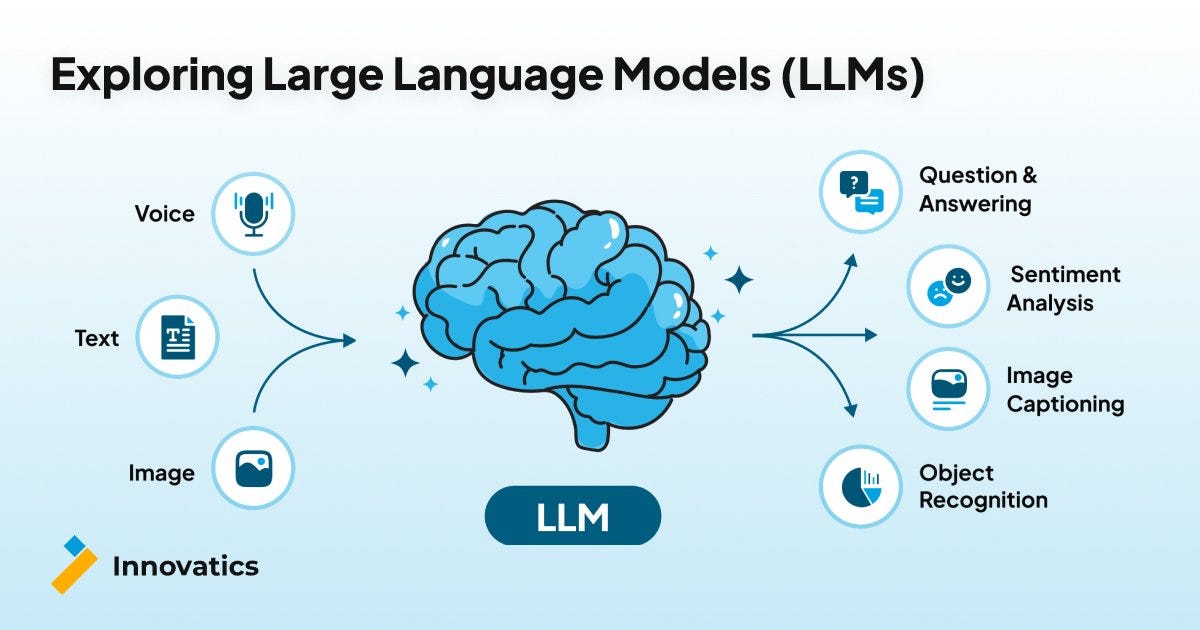
Current large language models (LLMs) have peaked at tasks like advanced search and summarization. That’s transformative (disrupting Google), but still far from true reasoning or creativity.
Why Models Plateaued:
LLMs “repeat” rather than “think.” They are downstream — synthesizing human text — not generating truly novel insights. Their main limitation is the need for human prompting and verification.
Physical vs. Digital AI:
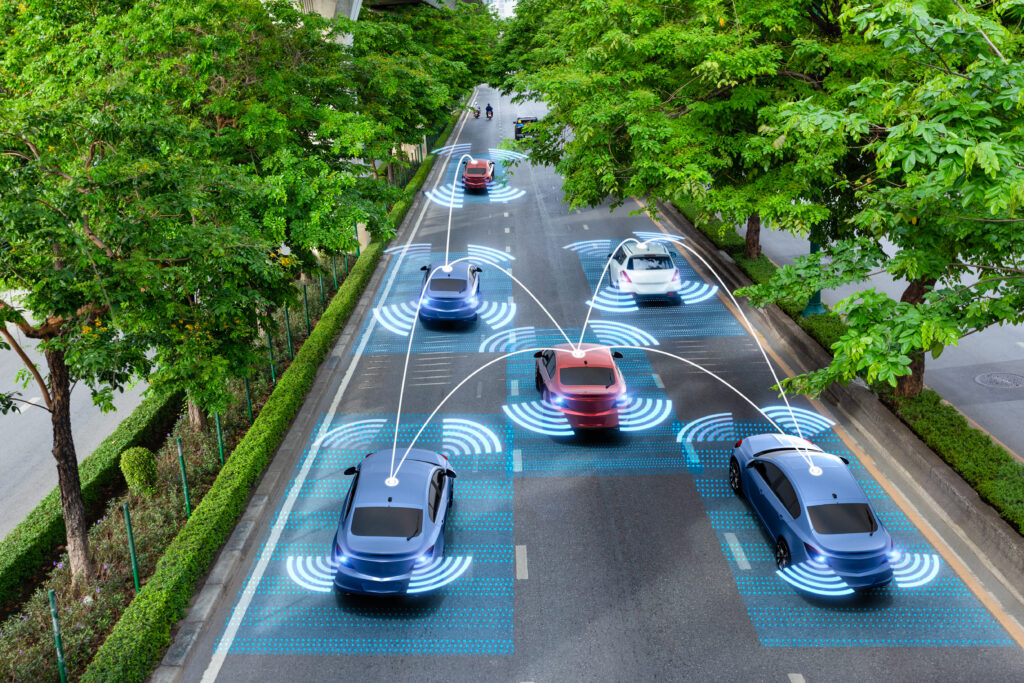
Digital AI operates “middle-to-middle,” while physical AI (robots) can perform end-to-end tasks. Self-driving cars exemplify this: they sense, decide, and act autonomously.
Rise of Physically Specific Intelligence:
The greatest near-term progress will occur in clearly defined, high-value physical tasks — like driving, delivery, manufacturing, and household robotics. China is already advancing rapidly here.
Consensus Reality Advantage:
Physical-world AI (via robotics and sensors) gathers consistent real data through shared sensing (e.g., SLAM). Digital AI, however, ingests inconsistent or fake text increasingly polluted by AI-generated content.
The Physical Learning Network:
Millions of robots collectively mapping the real world can share and improve upon each other’s data — forming a grounded, verifiable base of reality-based intelligence.
Industrial and Consumer Impact:
Factory robots embody the industrial side of physically specific intelligence. On the consumer side, it will manifest as “a garden of intelligent things” — cars, drones, home devices, and robots that interact naturally with humans.
Conclusion:
Until major algorithmic breakthroughs occur, the next big wave in AI isn’t abstract AGI but real-world, embodied intelligence — machines that understand and act within our shared physical environment.
LLMs Are Just Getting Started: The Coming Age of Vertical Intelligence
For all the noise about “AI plateauing,” the truth is that Large Language Models (LLMs) are barely in their infancy. What we’re seeing today — ChatGPT, Claude, Gemini, and others — represents the general-purpose, broad-strokes phase of digital intelligence. But the next era, the vertical LLM era, will make today’s generalists look primitive.
Far from being an argument against physical or robotic AI, the rise of vertical LLMs complements it — forming the cognitive backbone of the AI revolution across industries, sciences, and societies.
1. The Misconception of the Plateau
Critics claim LLMs have peaked: they summarize, search, and draft well, but fail to “think” or innovate. But that claim overlooks how every technological paradigm begins. The first web browsers looked unimpressive compared to what came a decade later. The first mobile apps were clunky before the app ecosystem exploded.
Similarly, today’s general LLMs are foundational platforms — the equivalent of the early internet. They have reached saturation at the horizontal level, but not vertically. The true explosion will happen when we stop trying to make one model do everything and instead make thousands of models each do one thing brilliantly.
2. The Vertical LLM Revolution
Vertical LLMs are specialized models trained intensively on specific domains — medicine, law, finance, logistics, agriculture, energy, education, and so on.
A vertical LLM doesn’t just know about its field; it lives in it. It understands the jargon, the workflows, the exceptions, and the tacit knowledge that domain experts carry.
Imagine:
MedGPT, trained on millions of clinical notes and radiology reports, diagnosing with contextual awareness beyond any human physician’s recall.
EduGPT, which understands every curriculum in the world, teaching any subject in any language or dialect, adapting to each student’s style.
LawGPT, parsing legislation, precedent, and contracts with the precision of a seasoned jurist.
AgriGPT, optimized for local soil, weather, and crop data, guiding farmers across geographies.
This is not science fiction. It’s an inevitable next step — because domain-specific models will simply outperform general ones where stakes are high.
3. The Power of Depth Over Breadth
General LLMs are extraordinary at breadth — they can hold conversations across philosophy, programming, and poetry. But true intelligence in human civilization has always come from depth: from the scientist who spent decades studying one element, or the historian who mastered one period.
Vertical LLMs replicate that depth at scale. By focusing training on narrow, high-quality datasets and using continual fine-tuning, these models will not only surpass general LLMs in accuracy but also in reasoning within their field.
Just as specialists outperform general practitioners in surgery, vertical models will outperform ChatGPT-like models in real-world decision-making.
4. Complementarity with Physical AI
This is not an argument against physical intelligence — rather, it’s a partnership. Physical AI (robots, self-driving cars, drones) acts in the real world; vertical LLMs think about the real world.
A self-driving truck may navigate a road autonomously, but when that road is blocked, it may consult a LogisticsGPT to reroute intelligently. A surgical robot may execute precise movements, but it’s guided by a MedGPT that interprets scans, monitors vitals, and suggests procedures.
Physical AI provides agency; vertical LLMs provide judgment. One acts; the other advises. Together they create complete, end-to-end intelligence loops — cognitive and kinetic, digital and physical.
5. The Data Renaissance
Another reason LLMs are far from finished: we’re just entering a data renaissance. As more sectors digitize, the availability of structured, proprietary, high-fidelity data will explode.
The next decade won’t be about scraping the public web; it’ll be about training on private, permissioned, and verified datasets: hospital archives, industrial logs, supply chains, and research repositories. This shift from public “slop” to verified “truth” will massively improve model performance and reliability.
Whereas the internet was chaotic, the vertical data ecosystems will be curated, regulated, and contextual. That’s where LLMs will truly begin to understand rather than merely predict.
6. The Rise of the Cognitive Stack
The future enterprise stack won’t be defined by databases or spreadsheets — but by LLMs as reasoning engines. Each organization will have a cognitive core:
A core model (company-specific LLM) trained on internal knowledge.
Vertical assistants embedded into workflows (finance, HR, marketing, compliance).
Physical interfaces (robots, drones, IoT devices) carrying out the recommendations.
This stack — cognitive + physical — will redefine productivity. A factory might run on IndustrialGPT, a hospital on CareGPT, and a city on CivicGPT. The end of “software as a service” will give way to “intelligence as infrastructure.”
7. LLMs as Engines of Discovery
One of the most underestimated powers of LLMs is their potential for discovery. When vertical models are fine-tuned on experimental data — in chemistry, materials science, genomics, or energy — they will start generating hypotheses humans have never thought of.
Already, AI is designing new drugs, optimizing molecular structures, and discovering mathematical proofs. These are glimpses of what comes when language models are fused with symbolic reasoning, graph learning, and simulation engines.
Vertical intelligence will make LLMs not just describers of reality, but inventors within it.
8. A Thousand New Minds
We will soon have thousands of specialized minds — each an LLM trained for a specific domain, geography, or culture. They’ll converse with each other, trade insights, and collaborate across industries.
General-purpose LLMs like GPT will serve as the “language bridge” between them — the digital equivalent of a lingua franca. Together, they’ll form a planetary web of intelligence: distributed, specialized, and always learning.
9. The Real AGI Will Be a Network, Not a Node
If AGI ever emerges, it won’t be from one monolithic brain but from the networked coordination of many vertical intelligences. Each model — from medical to mechanical — will contribute expertise. The emergent intelligence will come from their interplay.
The future of AI, then, is neither purely digital nor purely physical. It’s hybrid. It’s a world where intelligence flows — from chips to circuits, from text to steel, from neurons to motors.
10. The Beginning, Not the End
So, no — LLMs haven’t plateaued. They’ve just crossed their first threshold. We’re moving from general chatbots to expert systems that can transform entire industries.
The coming decade won’t be defined by a single “smart” AI, but by millions of purpose-built minds quietly revolutionizing how we work, learn, heal, grow, and build.
General AI lit the spark. Vertical AI will light the world.
Prediction: LLMs in their current form may not be able to do everything, but AI now has enough momentum that this won't matter. Beam engines couldn't do everything either, but they were enough to set off the Industrial Revolution.