Pages

Wednesday, May 21, 2025

Cost per Kilogram to Low Earth Orbit (LEO) Over Time

Earth To Earth Rocketry + Hyperloop: Earth Before Mars


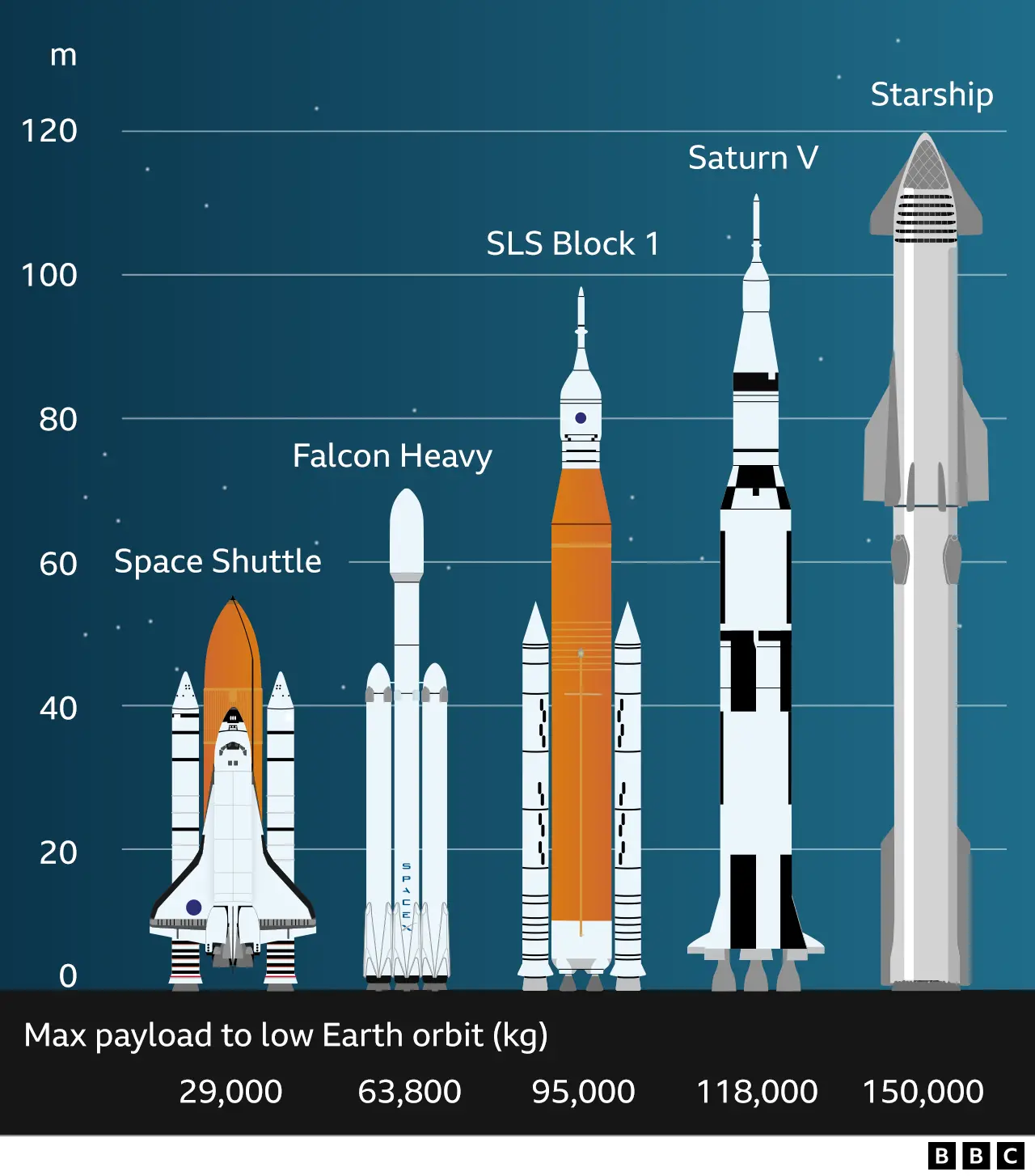
SpaceX has significantly reduced the cost per kilogram of payload to orbit through innovations in rocket design, particularly with the Falcon 9, Falcon Heavy, and Starship. Below is an analysis of how these costs have evolved, the reduction ratios, and the key factors driving these changes, based on available data up to 2025.
Cost per Kilogram to Low Earth Orbit (LEO) Over Time
  1. Historical Context (Pre-SpaceX, Space Shuttle Era):
    • NASA Space Shuttle (1981–2011): The cost to launch a payload to LEO was approximately $54,500 per kg, based on an average launch cost of $1.5 billion for a 27,500 kg payload.
    • This high cost was due to the shuttle's complex design, limited reusability (only solid rocket boosters and the orbiter were reused, with high refurbishment costs), and low launch cadence.
  2. Falcon 9 (2010–Present):
    • Initial Cost (2010–2015): Early Falcon 9 launches cost around $62 million for a 22,800 kg payload to LEO, equating to approximately $2,720 per kg. This represented a ~20-fold reduction compared to the Space Shuttle ($54,500/kg ÷ $2,720/kg ≈ 20).
    • Post-Reusability (2015–2025): With the introduction of reusable first-stage boosters (first successful landing in December 2015), costs dropped further. By 2022, Falcon 9 launches were priced at $67 million (adjusted for inflation), with some estimates suggesting internal costs as low as $28 million per launch for Starlink missions, translating to ~$1,600–$2,000 per kg for a reusable Falcon 9 with a 16,250–22,800 kg payload.
    • Reduction Ratio: Compared to the Space Shuttle, Falcon 9 reduced costs by a factor of ~27–34 ($54,500 ÷ $1,600–$2,000). Compared to early Falcon 9, reusability lowered costs by ~1.4–1.7 times ($2,720 ÷ $1,600–$2,000).
  3. Falcon Heavy (2018–Present):
    • Cost and Capacity: Falcon Heavy, with a payload capacity of up to 63,800 kg to LEO, has a list price of ~$90 million, equating to ~$1,400 per kg.
    • Reduction Ratio: Compared to the Space Shuttle, Falcon Heavy reduced costs by ~39 times ($54,500 ÷ $1,400). Compared to early Falcon 9, the cost per kg dropped by ~1.9 times ($2,720 ÷ $1,400).
  4. Starship (Projected, 2025–Future):
    • Current Estimates (2025): Starship, with a reusable payload capacity of 100–150 tons (100,000–150,000 kg) to LEO, is estimated to have a build cost of ~$90 million, with SpaceX likely charging customers ~$180 million initially. For a 150-ton payload, this yields ~$1,200 per kg for single-use launches. With partial reusability (6 flights), costs could drop to $78–$94 per kg, and with high reusability (20–70 flights), projections suggest $13–$32 per kg.
    • Aspirational Goals: Elon Musk has stated that Starship’s marginal cost could be as low as $1 million for >100 tons, potentially achieving $10–$20 per kg with full reusability and high launch cadence.
    • Reduction Ratio:
      • Compared to the Space Shuttle: ~580–4,200 times ($54,500 ÷ $94–$13) with partial to high reusability.
      • Compared to Falcon Heavy: ~15–108 times ($1,400 ÷ $94–$13).
      • Compared to early Falcon 9: ~29–209 times ($2,720 ÷ $94–$13).
      • In the best-case scenario ($10/kg), Starship could achieve a ~5,450-fold reduction compared to the Space Shuttle ($54,500 ÷ $10).
Cost Reduction Trends and Ratios Over the Years
Rocket/System
Year Introduced
Cost per kg (LEO)
Reduction Ratio vs. Space Shuttle
Reduction Ratio vs. Early Falcon 9
Space Shuttle
1981
$54,500
-
-
Falcon 9 (Early)
2010
$2,720
~20x
-
Falcon 9 (Reusable)
2015–2025
$1,600–$2,000
~27–34x
~1.4–1.7x
Falcon Heavy
2018
$1,400
~39x
~1.9x
Starship (Initial)
2025 (est.)
$1,200
~45x
~2.3x
Starship (6 flights)
2025–2026 (est.)
$78–$94
~580–700x
~29–35x
Starship (20–70 flights)
2027–2028 (est.)
$13–$32
~1,700–4,200x
~85–209x
Starship (Aspirational)
Future
$10–$20
~2,725–5,450x
~136–272x
Key Factors Driving Cost Reductions
  1. Reusability:
    • Falcon 9’s reusable first stage (up to 28 flights as of 2025) significantly lowered costs by amortizing the booster’s cost (~70% of the rocket).
    • Falcon Heavy leverages three reusable Falcon 9 cores, further spreading costs over larger payloads.
    • Starship aims for full reusability (both upper and lower stages), with projections of 20–100 flights per vehicle, drastically reducing per-flight costs.
  2. Increased Payload Capacity:
    • Larger rockets like Falcon Heavy (63,800 kg) and Starship (100,000–150,000 kg) spread fixed costs over more payload mass, reducing cost per kg.
    • Starship’s massive capacity allows for economies of scale, especially for megaconstellations like Starlink.
  3. Simplified Design and Manufacturing:
    • SpaceX’s use of Merlin engines (Falcon 9/Heavy) and Raptor engines (Starship) with streamlined production (e.g., 4,000 Raptor engines per year) lowers costs.
    • Falcon 9’s iterative design improvements (e.g., Octaweb engine layout, aluminum-lithium tanks) enhanced efficiency.
    • Starship’s stainless steel construction reduces material and fabrication costs compared to traditional aerospace materials.
  4. High Launch Cadence:
    • SpaceX’s high launch frequency (91 Falcon 9 launches in 2023, ~150 projected for 2025) spreads fixed infrastructure costs (e.g., launch pads, staff) across more missions.
    • Starship’s potential for frequent launches could further drive down costs.
  5. Private Sector Efficiency:
    • Unlike NASA’s bespoke, government-funded programs (e.g., Space Shuttle, SLS), SpaceX’s commercial approach minimizes cost overruns. Falcon 9’s development cost was $390 million, compared to NASA’s estimate of $4 billion for a similar rocket.
    • SpaceX’s platform-based strategy (iterative improvements across Falcon 9, Heavy, and Starship) outperforms NASA’s one-off designs.
Yearly Cost Reduction Trends
  • 1960s–1980s: Costs ranged from $100,000/kg (early NASA) to $5,400/kg (Saturn V).
  • 1980s–2011: Space Shuttle stabilized at ~$54,500/kg due to limited reusability and high maintenance.
  • 2010–2015: Falcon 9 reduced costs to $2,720/kg, a ~20x drop from the Shuttle.
  • 2015–2022: Reusable Falcon 9 and Falcon Heavy further lowered costs to $1,400–$2,000/kg, a ~27–39x reduction from the Shuttle.
  • 2025–Future (Starship): Projections suggest $78–$94/kg with partial reusability (2025–2026), potentially reaching $10–$20/kg by 2027–2040, a 580–5,450x reduction from the Shuttle.
Caveats and Considerations
  • Data Variability: Cost estimates vary due to differences in reported prices (sticker price vs. internal costs), payload capacities (expendable vs. reusable), and inflation adjustments.
  • Starship Projections: Starship’s costs are speculative as it is not yet fully operational. Actual costs depend on achieving reliable reusability and high launch cadence.
  • Market Dynamics: SpaceX’s pricing may not fully reflect cost savings due to market demand and profit margins. For example, Falcon 9’s $6,000/kg for small payloads in rideshare missions is higher than the advertised $2,720/kg.
  • External Factors: Competitors like Rocket Lab ($10,000–$20,000/kg) and government programs (e.g., China’s Long March, ~$4,000/kg) provide context, but SpaceX remains the cost leader.
Conclusion
SpaceX’s progression from Falcon 9 to Falcon Heavy to Starship has driven launch costs down dramatically:
  • Falcon 9: ~20–34x reduction vs. Space Shuttle ($2,720–$1,600/kg vs. $54,500/kg).
  • Falcon Heavy: ~39x reduction ($1,400/kg).
  • Starship: Potentially 580–5,450x reduction ($94–$10/kg, projected).
The key drivers are reusability, larger payloads, simplified designs, high launch cadence, and commercial efficiency. While Falcon 9 and Heavy have already transformed the industry, Starship’s full impact depends on achieving its ambitious reusability and cost goals, potentially reaching $10–$20/kg in the future, a ~2,725–5,450x reduction from the Shuttle era.

Earth To Earth Rocketry + Hyperloop: Earth Before Mars

The Age of Abundance: AI, Acceleration, and the Prophecies of Tomorrow


The Age of Abundance: AI, Acceleration, and the Prophecies of Tomorrow

We are standing at the edge of a transformation so vast, so rapid, and so deeply foundational that even our most powerful institutions—governments, corporations, and financial systems—are starting to look outdated. 

Think of it this way: America spent over 200 years building its GDP—brick by brick— to $2 until the Internet came along. That changed everything. Within a single decade, the U.S. economy effectively added another “dollar” of value, fueled by the rise of the digital world. That was the Internet wave. After that came mobile, then social, and then crypto.

But now we’re entering an even bigger moment—the AI wave. And AI is not just another technology. It is the technology that accelerates all other technologies. It's not just one revolution. It's ten, unfolding simultaneously—AI, robotics, biotech, quantum computing, Web3, nanotech, space tech, brain-computer interfaces, energy abundance, and synthetic biology. Each is powerful on its own. But their intersections? That’s where the exponential curve turns vertical.

We are entering a moment where traditional metrics—GDP, productivity, profit, labor—begin to break down. They were designed for a world of scarcity. But what happens when scarcity ends? When machines think, work, diagnose, create, learn, and evolve faster than any human system can track? We’re witnessing the breaking of capitalism as we've known it—both its corporate and state-managed versions.

The old tools of governance don’t work in a world where decentralization, intelligence, and abundance are default. Borders blur. Labor becomes optional. Knowledge becomes infinite. The structures of the 19th and 20th centuries—the hierarchical corporation, the centralized nation-state, the fixed factory model of economics—are already crumbling.

In such times, people reach for anchors. For meaning. For truth. And often, for prophecy.

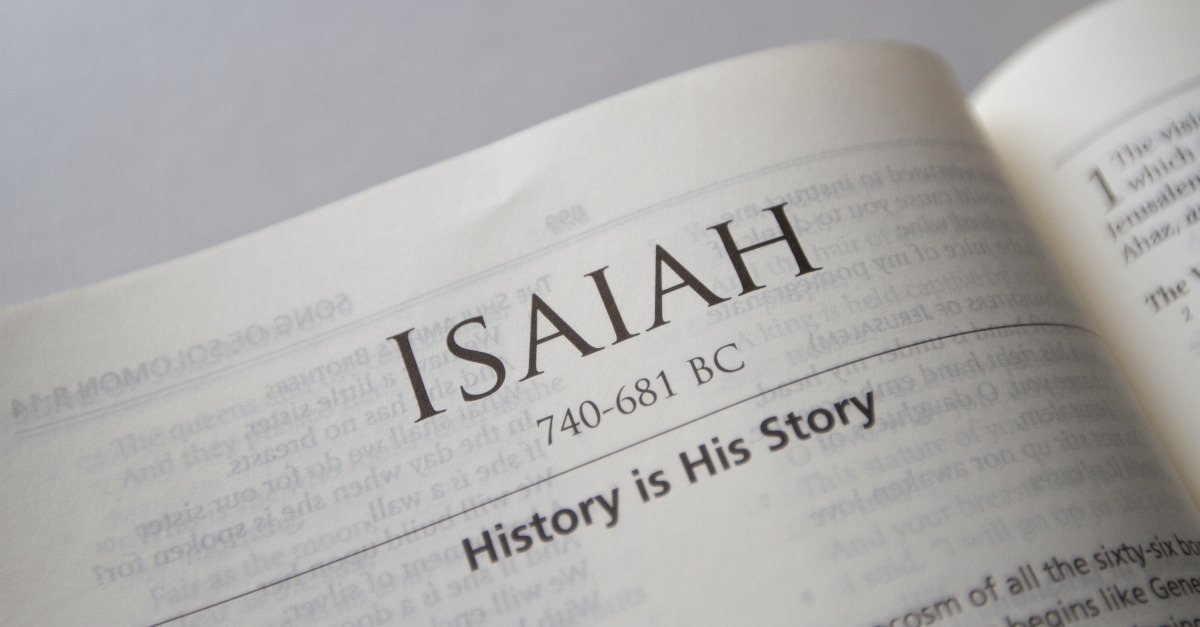
Scriptures from across the world—Vedic, Biblical, Islamic, Taoist, Indigenous—spoke of an Age of Abundance, a golden age, a Satya Yuga, a Messianic era, a time of peace and plenty. For centuries, for millennia, these were treated as metaphor, myth, or moral story. But what if they were also forecasts?

What if the promise of swords turned into ploughshares wasn’t poetic exaggeration, but a literal transition from war-based economies to regenerative ones powered by AI, clean energy, and global cooperation?

What if we’ve been approaching the end of the Age of Iron—the Kali Yuga, the Industrial Age, the Scarcity Era—and we are now crossing into the prophesied dawn of wisdom, abundance, and light?

The signs are here. Not in fire and fury. But in code, computation, and consciousness. We must open our eyes to this convergence, not merely as technologists or economists, but as spiritual beings witnessing prophecy unfold in real time.

To navigate this new epoch, we don’t just need better algorithms. We need deeper alignment—with truth, with each other, and with the eternal wisdom that has always pointed toward unity, justice, peace, and abundance.

The future isn’t coming. It’s arriving.

And scripture may be our best map to make sense of the terrain.


Tuesday, May 20, 2025

20: Microsoft

Velocity Money: Crypto, Karma, and the End of Traditional Economics
The Next Decade of Biotech: Convergence, Innovation, and Transformation
Beyond Motion: How Robots Will Redefine The Art Of Movement
ChatGPT For Business: A Workbook
Becoming an AI-First Organization
Quantum Computing: Applications And Implications
Challenges In AI Safety
AI-Era Social Network: Reimagined for Truth, Trust & Transformation

Velocity Money: Crypto, Karma, and the End of Traditional Economics
The Next Decade of Biotech: Convergence, Innovation, and Transformation
Beyond Motion: How Robots Will Redefine The Art Of Movement
ChatGPT For Business: A Workbook
Becoming an AI-First Organization
Quantum Computing: Applications And Implications
Challenges In AI Safety
AI-Era Social Network: Reimagined for Truth, Trust & Transformation

Velocity Money: Crypto, Karma, and the End of Traditional Economics
The Next Decade of Biotech: Convergence, Innovation, and Transformation
Beyond Motion: How Robots Will Redefine The Art Of Movement
ChatGPT For Business: A Workbook
Becoming an AI-First Organization
Quantum Computing: Applications And Implications
Challenges In AI Safety
AI-Era Social Network: Reimagined for Truth, Trust & Transformation

20: Google

Velocity Money: Crypto, Karma, and the End of Traditional Economics
The Next Decade of Biotech: Convergence, Innovation, and Transformation
Beyond Motion: How Robots Will Redefine The Art Of Movement
ChatGPT For Business: A Workbook
Becoming an AI-First Organization
Quantum Computing: Applications And Implications
Challenges In AI Safety
AI-Era Social Network: Reimagined for Truth, Trust & Transformation

Velocity Money: Crypto, Karma, and the End of Traditional Economics
The Next Decade of Biotech: Convergence, Innovation, and Transformation
Beyond Motion: How Robots Will Redefine The Art Of Movement
ChatGPT For Business: A Workbook
Becoming an AI-First Organization
Quantum Computing: Applications And Implications
Challenges In AI Safety
AI-Era Social Network: Reimagined for Truth, Trust & Transformation

Velocity Money: Crypto, Karma, and the End of Traditional Economics
The Next Decade of Biotech: Convergence, Innovation, and Transformation
Beyond Motion: How Robots Will Redefine The Art Of Movement
ChatGPT For Business: A Workbook
Becoming an AI-First Organization
Quantum Computing: Applications And Implications
Challenges In AI Safety
AI-Era Social Network: Reimagined for Truth, Trust & Transformation

Velocity Money: Crypto, Karma, and the End of Traditional Economics
The Next Decade of Biotech: Convergence, Innovation, and Transformation
Beyond Motion: How Robots Will Redefine The Art Of Movement
ChatGPT For Business: A Workbook
Becoming an AI-First Organization
Quantum Computing: Applications And Implications
Challenges In AI Safety
AI-Era Social Network: Reimagined for Truth, Trust & Transformation

ChatGPT Is the New Word Processor


ChatGPT Is the New Word Processor: Why Using AI in Writing Is Just Like Using Green Screens in Filmmaking

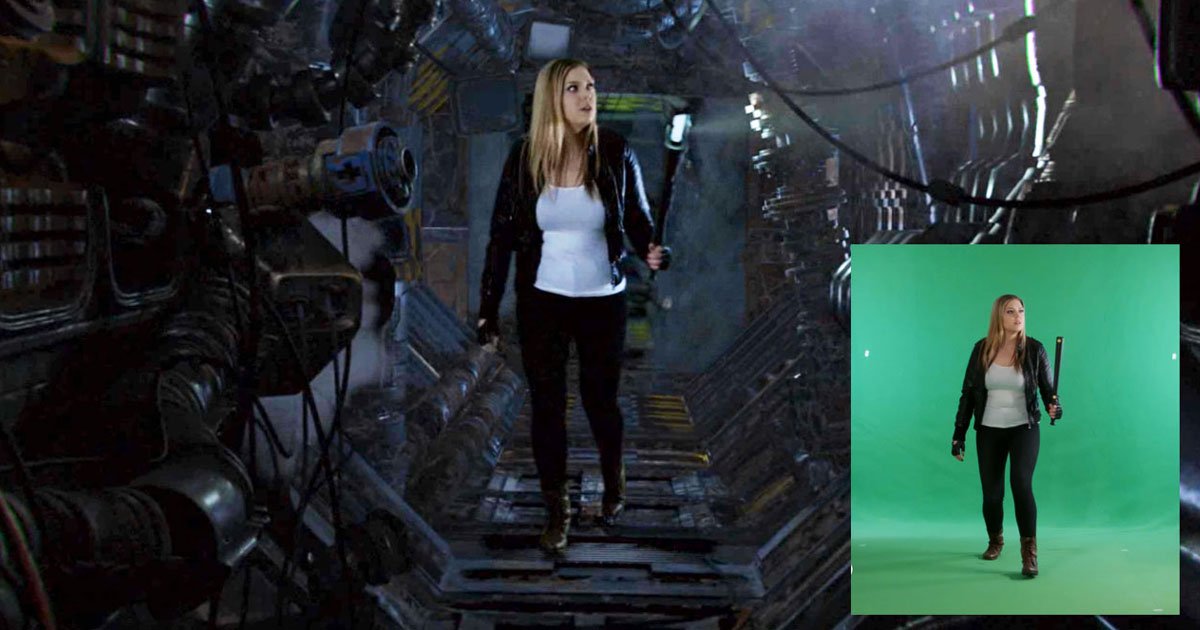
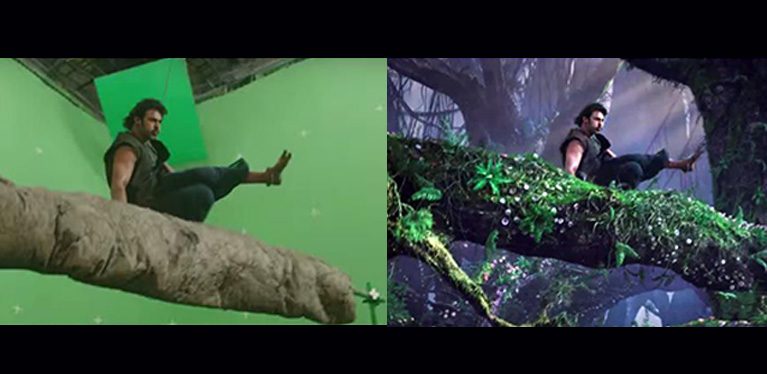
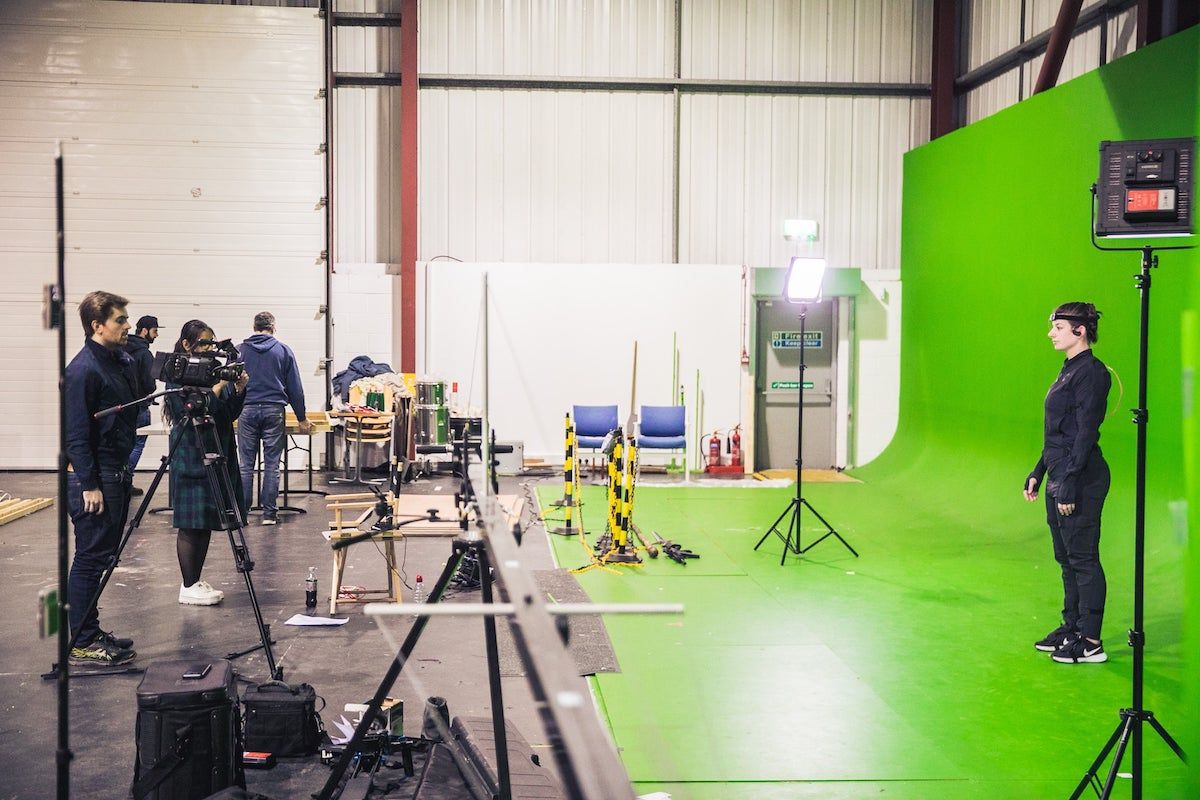
In the world of filmmaking, technology has long been an essential partner to human creativity. Directors use green screens to transform modest sets into intergalactic battlegrounds, futuristic cities, or breathtaking natural wonders. No one accuses them of cheating. Why? Because the storytelling, the acting, the direction — the core creative vision — remains deeply human. The green screen is just a tool. A powerful one, yes — but a tool nonetheless.

The same logic applies to writing in the age of AI.

Writers today have access to a new kind of green screen: ChatGPT. It’s not replacing the writer. It’s amplifying them. Just as filmmakers use VFX to enhance a story’s backdrop, writers can now use AI to enhance structure, brainstorm ideas, rework drafts, or research background material in seconds. ChatGPT can serve as a thinking partner, a research assistant, a ruthless (yet tireless) editor, and even an idea generator — all rolled into one.

Some people worry this blurs the line between human and machine creativity. But let’s zoom out for a moment. The typewriter was once considered a revolution in writing. Then came the word processor. Then spellcheck. Then Grammarly. At each stage, tools got smarter — and writers got faster, more polished, more efficient.

Using ChatGPT doesn’t mean you’re not doing the work. It means you’re working smarter. The creative spark still begins with the human. The judgment, the nuance, the purpose — those are not AI’s to own. But if you can take advantage of a tool that cuts research time from hours to minutes, or helps you refine a messy paragraph into something crisp and clear, why wouldn’t you?

This isn’t the death of authorship. It’s the birth of a new era of empowered storytelling.

So let’s stop treating AI like an intrusion. It’s the green screen of the writing world. The magic still comes from you. The tool just helps the magic shine.

Welcome to the age of AI-augmented writing. ChatGPT isn’t replacing Word. It is Word — reimagined.


What Comes After AI? Speculating on the Next Global Tech Buzz


What Comes After AI? Speculating on the Next Global Tech Buzz

Just a few years ago, you couldn’t attend a conference, scroll through Twitter (now X), or sit through a VC pitch meeting without hearing about crypto. Blockchain, Web3, NFTs—these were the future, the revolutionary technologies destined to upend everything from finance to art. And then, almost as swiftly as it rose, the hype cooled. Not because the technology disappeared, but because it settled into a quieter, more mature phase.

Then came the AI renaissance. ChatGPT, Midjourney, Claude, and open-source LLMs reignited the imagination of the world. Suddenly, every company became an AI company. The buzz is deafening. Funding is flowing. Governments are drafting policy. Even skeptics are hedging their bets.

But now the question lingers: What comes after AI?

Option 1: AI Dominates for a Decade (or Longer)

AI is not a passing trend—it’s a foundational technology, much like electricity or the internet. It’s not just about chatbots and image generators; it’s reshaping productivity, science, creativity, education, warfare, and the economy itself.

It could easily remain the “main event” for the next 10 to 15 years as we move from narrow AI to AGI (Artificial General Intelligence), and eventually to ASI (Artificial Superintelligence). The real buzz could evolve within AI itself—multi-agent ecosystems, autonomous organizations, or AI-powered robotics taking physical form.

Option 2: The Next Buzz: Quantum Computing

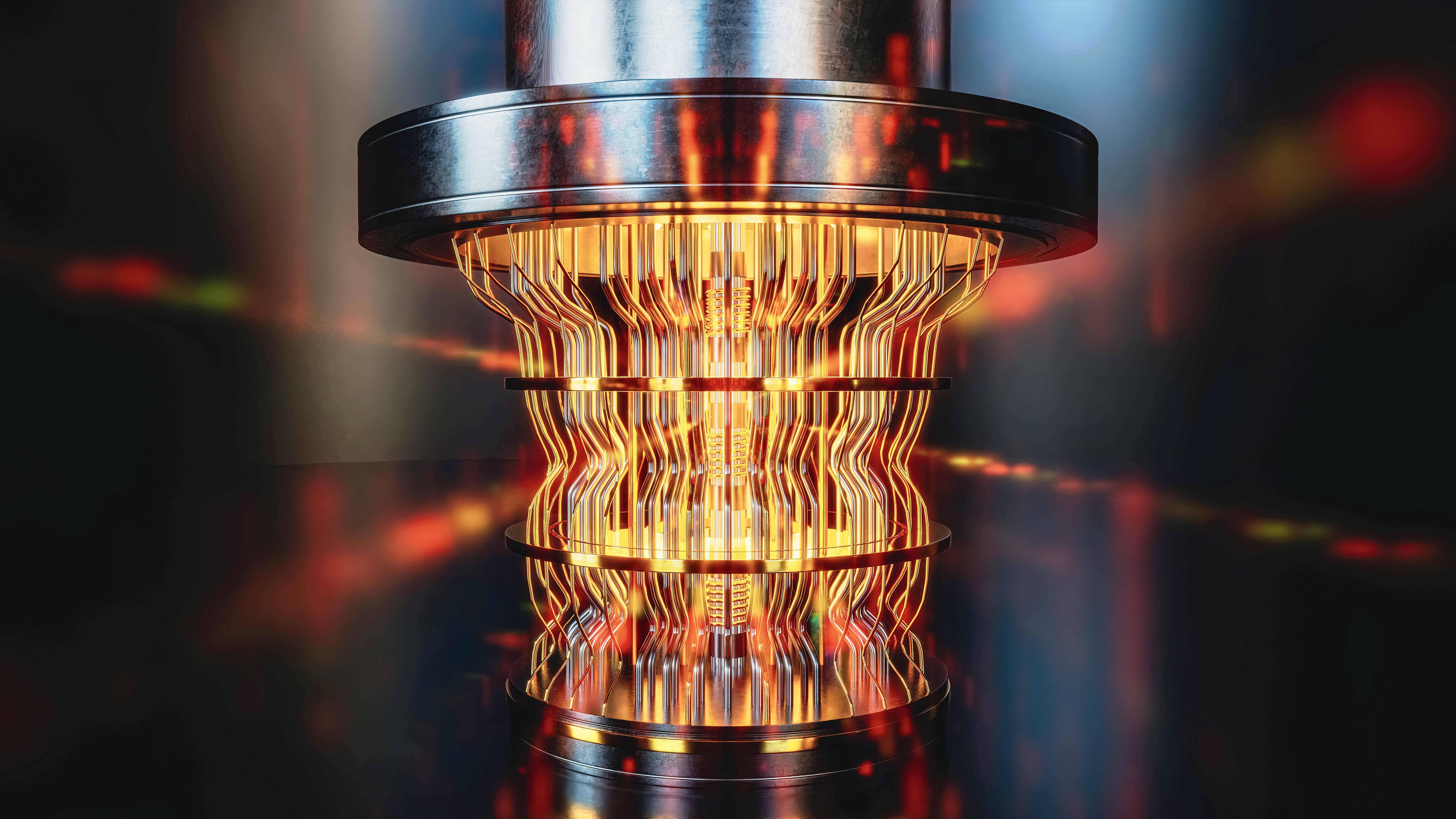
If there’s a single field that could leapfrog AI in transformative potential, it’s quantum computing. While still in its infancy, breakthroughs are accelerating. When quantum computers can solve in minutes what would take classical computers millennia, they will break encryption, simulate molecules for drug discovery, and optimize global logistics in ways AI cannot.

But that buzz may still be 5–10 years away from mainstream attention.

Option 3: Synthetic Biology and Bio-Computing

The merger of biology and computation may be the quiet revolution building under the radar. CRISPR gene editing, programmable organisms, and bio-computers could radically redefine medicine, agriculture, and materials science. Imagine printing meat without animals or growing buildings from living cells. That’s not sci-fi—that’s early-stage biotech.

This field could steal the spotlight in the next 3–7 years, especially as climate urgency grows.

Option 4: Space Tech and Planetary Colonization

As SpaceX, Blue Origin, and international space programs push toward Mars, asteroid mining, and space-based manufacturing, a new era of space capitalism might emerge. The excitement of becoming a multi-planetary species could spark a new “space race,” especially if there's a geopolitical dimension.

Buzz Level? High—but probably not imminent. More like 7–15 years out.

Option 5: The AI + X Era: Everything Gets Smarter

Perhaps there’s no clean “next.” Instead, we may see a long AI + Everything phase:

  • AI + IoT (smart cities)

  • AI + Education (personalized tutors)

  • AI + Governance (policy simulation)

  • AI + Blockchain (decentralized autonomous economies)

In this phase, AI is not replaced, but diffused into every sector. The “buzz” will be in what AI enables, not AI itself.


Final Thought

If crypto was a rebellious teenager and AI is the brilliant college student shaking up society, the next buzz may be the fusion of intelligence with matter itself—through quantum, biology, or interplanetary expansion. But for now? AI still has center stage. And it’s likely to hold it for a while. The next buzz might not be “after AI,” but because of it.

What do you think will follow the AI wave? Will it be quantum? Bio? Space? Or something we haven’t even imagined yet?


Sunday, May 18, 2025

18: Trump

Rethinking Trade: A Blueprint for a Just and Thriving Global Economy
The $500 Billion Pivot: How the India-US Alliance Can Reshape Global Trade
Trump’s Trade War
Peace For Taiwan Is Possible
Formula For Peace In Ukraine
The Last Age of War, The First Age of Peace: Lord Kalki, Prophecies, and the Path to Global Redemption
AOC 2028: : The Future of American Progressivism

Velocity Money: Crypto, Karma, and the End of Traditional Economics
The Next Decade of Biotech: Convergence, Innovation, and Transformation
Beyond Motion: How Robots Will Redefine The Art Of Movement
ChatGPT For Business: A Workbook
Becoming an AI-First Organization
Quantum Computing: Applications And Implications
Challenges In AI Safety
AI-Era Social Network: Reimagined for Truth, Trust & Transformation

Rethinking Trade: A Blueprint for a Just and Thriving Global Economy
The $500 Billion Pivot: How the India-US Alliance Can Reshape Global Trade
Trump’s Trade War
Peace For Taiwan Is Possible
Formula For Peace In Ukraine
The Last Age of War, The First Age of Peace: Lord Kalki, Prophecies, and the Path to Global Redemption
AOC 2028: : The Future of American Progressivism

Velocity Money: Crypto, Karma, and the End of Traditional Economics
The Next Decade of Biotech: Convergence, Innovation, and Transformation
Beyond Motion: How Robots Will Redefine The Art Of Movement
ChatGPT For Business: A Workbook
Becoming an AI-First Organization
Quantum Computing: Applications And Implications
Challenges In AI Safety
AI-Era Social Network: Reimagined for Truth, Trust & Transformation

Rethinking Trade: A Blueprint for a Just and Thriving Global Economy
The $500 Billion Pivot: How the India-US Alliance Can Reshape Global Trade
Trump’s Trade War
Peace For Taiwan Is Possible
Formula For Peace In Ukraine
The Last Age of War, The First Age of Peace: Lord Kalki, Prophecies, and the Path to Global Redemption
AOC 2028: : The Future of American Progressivism

Velocity Money: Crypto, Karma, and the End of Traditional Economics
The Next Decade of Biotech: Convergence, Innovation, and Transformation
Beyond Motion: How Robots Will Redefine The Art Of Movement
ChatGPT For Business: A Workbook
Becoming an AI-First Organization
Quantum Computing: Applications And Implications
Challenges In AI Safety
AI-Era Social Network: Reimagined for Truth, Trust & Transformation

Remote Work Productivity Hacks
How to Make Money with AI Tools
AI for Beginners

Remote Work Productivity Hacks
How to Make Money with AI Tools
AI for Beginners

Rethinking Trade: A Blueprint for a Just and Thriving Global Economy
The $500 Billion Pivot: How the India-US Alliance Can Reshape Global Trade
Trump’s Trade War
Peace For Taiwan Is Possible
Formula For Peace In Ukraine
The Last Age of War, The First Age of Peace: Lord Kalki, Prophecies, and the Path to Global Redemption
AOC 2028: : The Future of American Progressivism

Remote Work Productivity Hacks
How to Make Money with AI Tools
AI for Beginners

Remote Work Productivity Hacks
How to Make Money with AI Tools
AI for Beginners

Remote Work Productivity Hacks
How to Make Money with AI Tools
AI for Beginners

Remote Work Productivity Hacks
How to Make Money with AI Tools
AI for Beginners

Remote Work Productivity Hacks
How to Make Money with AI Tools
AI for Beginners

Rethinking Trade: A Blueprint for a Just and Thriving Global Economy
The $500 Billion Pivot: How the India-US Alliance Can Reshape Global Trade
Trump’s Trade War
Peace For Taiwan Is Possible
Formula For Peace In Ukraine
The Last Age of War, The First Age of Peace: Lord Kalki, Prophecies, and the Path to Global Redemption
AOC 2028: : The Future of American Progressivism