.@collision and I interviewed @elonmusk.
— Dwarkesh Patel (@dwarkesh_sp) February 5, 2026
0:00:00 - Orbital data centers
0:36:46 - Grok and alignment
0:59:56 - xAI’s business plan
1:17:21 - Optimus and humanoid manufacturing
1:30:22 - Does China win by default?
1:44:16 - Lessons from running SpaceX
2:20:08 - DOGE
2:38:28 -… pic.twitter.com/543uQjv6ZT
Why Low Earth Orbit Is the Real Space Frontier
And Why It’s Far More Exciting Than Mars or the Moon
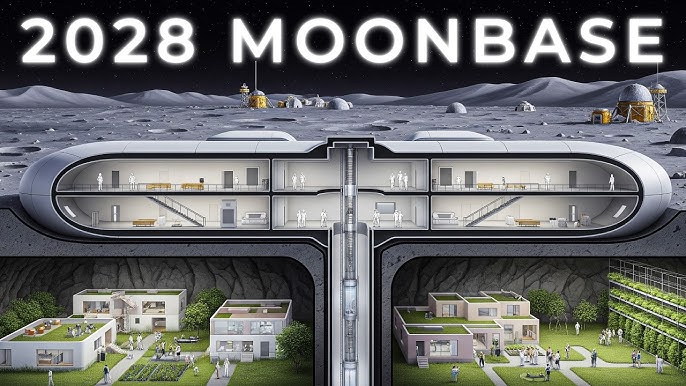
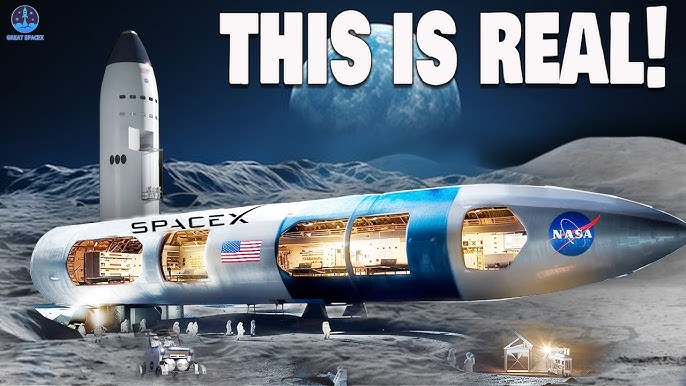
In the grand theater of space exploration, the spotlight stubbornly lingers on distant fantasies: humans striding across Martian plains, lunar bases glowing against the black sky, sci-fi visions finally made real. These dreams are intoxicating—but they are also, for now, largely theatrical.
Meanwhile, the real revolution in space is unfolding much closer to home.
Low Earth Orbit (LEO)—the thin shell of space extending roughly 160 to 2,000 kilometers above our planet—is not glamorous in the Hollywood sense. There are no red deserts or ancient craters. Yet this unassuming orbital band has become the busiest, most economically consequential frontier humanity has ever opened beyond Earth.
Forget Mars vacations. LEO is where the action is. And it’s where the future of space will live for decades to come.
LEO: The Orbital City Above Our Heads
If Mars is the distant frontier town and the Moon a nostalgic return to an old campsite, Low Earth Orbit is the bustling global metropolis already under construction.
Satellites in LEO can be reached in hours, not months. Reusable rockets can deploy, service, upgrade, and replace hardware on rapid cycles. Failures are survivable. Iteration is fast. Capital efficiency is real.
This proximity changes everything.
LEO has become the backbone of modern civilization’s invisible infrastructure. Thousands of satellites now provide:
High-speed broadband to remote and underserved regions
Precision navigation and timing for aviation, shipping, and finance
Earth observation for agriculture, climate science, disaster response, and defense
Low-latency connectivity essential for autonomous vehicles, drones, and future AI systems
SpaceX’s Starlink is the most visible example, already operating thousands of satellites and reshaping how the world thinks about internet access. But Starlink is only the opening act.
LEO is no longer “space exploration.” It is space industrialization.
Why LEO Wins: Economics, Physics, and Time
The Moon and Mars suffer from a triple disadvantage: distance, delay, and dependency.
Every kilogram sent to Mars must survive a six-to-nine-month journey, endure extreme radiation exposure, and arrive at a world with almost no atmosphere, no breathable air, and gravity that slowly destroys the human body. Any failure is catastrophic. Any rescue is impossible.
LEO, by contrast, behaves like an extension of Earth’s logistics network.
Distance: Minutes to hours away
Communication: Near-real-time control
Resupply: Frequent and scalable
Return: Always possible
In economic terms, LEO is a place where capital can circulate. Assets can be depreciated, upgraded, insured, and monetized. Mars is a sunk-cost mausoleum.
This is why investors quietly favor LEO even while headlines scream about Mars.
India and China: The New Gravity Wells in Orbit
While American firms grabbed early attention, the most interesting momentum in LEO today is coming from India and China—two countries approaching space not as spectacle, but as infrastructure.
India: Frugal Engineering Meets Orbital Ambition
India’s space ecosystem is undergoing a structural shift. Government reforms, coupled with private capital and ISRO’s deep technical bench, have unlocked a wave of startups treating LEO as a commercial utility layer.
VyomIC is developing a private LEO-based positioning, navigation, and timing (PNT) system designed to be resistant to jamming and spoofing—an increasingly critical capability in an era of electronic warfare and cyber conflict.
Apolink, backed by Y Combinator, is building continuous connectivity for satellites themselves—essentially creating an “internet for spacecraft.”
A consortium including Pixxel, PierSight Space, SatSure, and Dhruva Space is assembling India’s first fully indigenous commercial Earth-observation constellation, with hyperspectral imaging that can see what traditional satellites cannot: crop stress, mineral signatures, water quality, and climate indicators invisible to the naked eye.
Skyroot Aerospace and Agnikul are attacking launch costs, while Astrome explores beaming internet directly from LEO.
India’s advantage is not brute force. It is cost discipline, systems thinking, and a willingness to commercialize quickly.
China: Scale as Strategy
China, meanwhile, is playing a different game: overwhelming scale.
The country has filed for an extraordinary number of satellite frequencies, signaling intent to dominate orbital real estate. State-backed and commercial constellations are advancing in parallel:
Guowang, a national mega-constellation, aims for roughly 13,000 satellites.
Qianfan (Spacesail) targets nearly 14,000 satellites with global service ambitions.
Galaxy Space is slashing satellite manufacturing costs, pushing LEO hardware toward commodity economics.
Geespace, backed by automotive giant Geely, is building constellations for IoT and vehicle connectivity.
Even telecom incumbents like China Mobile are entering orbit.
China understands that whoever controls LEO controls data flow, timing, navigation, and surveillance. This is not exploration—it is geopolitics by other means.
The Mars Tourism Mirage
Against this backdrop, the idea of Mars tourism begins to look almost absurd.
A Mars journey exposes travelers to radiation doses far beyond current safety thresholds. The planet’s thin atmosphere offers little protection from cosmic rays. Temperatures swing violently. Dust storms can last for months. Gravity is barely a third of Earth’s, guaranteeing long-term muscle and bone degradation.
Communication delays stretch up to 20 minutes one way. In an emergency, Earth might as well be another galaxy.
Even optimistic estimates put a sustainable Martian settlement in the multi-trillion-dollar range—and that’s before accounting for psychological strain, isolation, and the impossibility of rapid evacuation.
Mars is not a vacation. It is prolonged confinement under lethal conditions.
A more honest analogy isn’t a frontier town—it’s a permanent research station in Antarctica, except farther away, more dangerous, and impossible to abandon.
As many scientists quietly admit, Mars colonization is driven by curiosity and symbolism, not economic logic. It may happen one day. But it will not resemble mass migration, tourism, or commercial self-sufficiency anytime soon.
LEO Is Where the Future Is Being Built
Low Earth Orbit doesn’t inspire epic movie posters. But it pays dividends.
It generates revenue today. It solves problems on Earth. It creates feedback loops between innovation, deployment, and improvement. It attracts engineers, entrepreneurs, and governments not because it is romantic—but because it works.
If Mars is a dream of escape, LEO is a project of engagement.
The real space race isn’t about planting flags in distant dust. It’s about who builds, governs, and monetizes the orbital layer that will underpin global connectivity, climate intelligence, defense systems, and the next wave of AI-driven infrastructure.
The most exciting frontier isn’t millions of kilometers away.
It’s right above our heads—quietly humming, relentlessly useful, and already reshaping life on Earth.
क्यों लो अर्थ ऑर्बिट ही असली अंतरिक्ष सीमा है
और क्यों यह मंगल या चाँद से कहीं ज़्यादा रोमांचक है
अंतरिक्ष अन्वेषण के भव्य रंगमंच में रोशनी अक्सर दूर के सपनों पर टिकी रहती है—मंगल पर मानव बस्तियाँ, चाँद पर स्थायी अड्डे, विज्ञान-कथा जैसी कल्पनाएँ जो अब साकार होती दिखती हैं। ये सपने मोहक हैं—लेकिन फिलहाल, वे ज़्यादातर प्रतीकात्मक ही हैं।
इसी बीच, अंतरिक्ष की असली क्रांति हमारे सिर के ठीक ऊपर घट रही है।
लो अर्थ ऑर्बिट (LEO)—पृथ्वी से लगभग 160 से 2,000 किलोमीटर ऊपर फैला अंतरिक्ष का पतला घेरा—शायद फिल्मों जैसा रोमांचक न लगे। न लाल रेगिस्तान, न प्राचीन गड्ढे। लेकिन यही वह क्षेत्र है जहाँ मानव इतिहास की सबसे व्यावहारिक, सबसे लाभकारी और सबसे प्रभावशाली अंतरिक्ष गतिविधि चल रही है।
मंगल की छुट्टियाँ भूल जाइए। असली खेल LEO में है—और आने वाले दशकों तक यहीं रहेगा।
हमारे सिर के ऊपर बनता हुआ कक्षीय शहर
अगर मंगल एक दूरस्थ सीमावर्ती कस्बा है और चाँद किसी पुराने शिविर में वापसी जैसा, तो लो अर्थ ऑर्बिट एक उभरता हुआ वैश्विक महानगर है—जहाँ निर्माण पहले ही शुरू हो चुका है।
LEO में उपग्रह घंटों में पहुँचे जा सकते हैं, महीनों में नहीं। पुन: उपयोग योग्य रॉकेट तेज़ी से तैनाती, मरम्मत, उन्नयन और प्रतिस्थापन की अनुमति देते हैं। असफलताएँ घातक नहीं होतीं। प्रयोग तेज़ी से होते हैं। पूँजी कुशलता वास्तविक है।
यही निकटता सब कुछ बदल देती है।
आज LEO आधुनिक सभ्यता के उस अदृश्य बुनियादी ढाँचे की रीढ़ बन चुका है, जिसके बिना दुनिया रुक जाए। हज़ारों उपग्रह मिलकर प्रदान कर रहे हैं:
दूरदराज़ इलाकों को हाई-स्पीड इंटरनेट
विमानन, शिपिंग और वित्त के लिए सटीक नेविगेशन और टाइमिंग
कृषि, जलवायु अध्ययन, आपदा प्रबंधन और रक्षा के लिए पृथ्वी अवलोकन
स्वायत्त वाहनों, ड्रोन और भविष्य की AI प्रणालियों के लिए कम-विलंब कनेक्टिविटी
SpaceX का Starlink इसका सबसे चर्चित उदाहरण है, जिसने पहले ही हज़ारों उपग्रहों के ज़रिये वैश्विक इंटरनेट की परिभाषा बदल दी है। लेकिन Starlink सिर्फ़ शुरुआत है।
LEO अब “अंतरिक्ष अन्वेषण” नहीं रहा। यह अंतरिक्ष का औद्योगिकीकरण है।
LEO क्यों जीतता है: अर्थशास्त्र, भौतिकी और समय
चाँद और मंगल तीन बुनियादी समस्याओं से जूझते हैं: दूरी, विलंब और निर्भरता।
मंगल भेजा गया हर किलोग्राम छह से नौ महीने की यात्रा करता है, घातक विकिरण झेलता है, और ऐसे ग्रह पर उतरता है जहाँ न हवा है, न ढंग का वायुमंडल, न मानव-अनुकूल गुरुत्वाकर्षण। कोई भी विफलता विनाशकारी होती है। कोई भी बचाव असंभव।
इसके विपरीत, LEO पृथ्वी के लॉजिस्टिक्स नेटवर्क का विस्तार जैसा व्यवहार करता है।
दूरी: मिनटों से घंटों की
संचार: लगभग वास्तविक समय में
आपूर्ति: बार-बार और स्केलेबल
वापसी: हमेशा संभव
आर्थिक दृष्टि से, LEO वह जगह है जहाँ पूँजी घूम सकती है। परिसंपत्तियाँ उन्नत की जा सकती हैं, बीमित हो सकती हैं, राजस्व कमा सकती हैं। मंगल एक ऐसा गड्ढा है जहाँ पैसा जाता है—और लौटता नहीं।
इसीलिए निवेशक चुपचाप LEO का समर्थन करते हैं, भले ही सुर्खियाँ मंगल चिल्लाती रहें।
भारत और चीन: कक्षा में नए गुरुत्व केंद्र
जहाँ अमेरिकी कंपनियों ने शुरुआती ध्यान खींचा, वहीं आज LEO की सबसे दिलचस्प गति भारत और चीन से आ रही है—दोनों देश अंतरिक्ष को तमाशा नहीं, बल्कि बुनियादी ढाँचा मानते हैं।
भारत: मितव्ययी इंजीनियरिंग, कक्षीय महत्वाकांक्षा
भारत का अंतरिक्ष पारिस्थितिकी तंत्र संरचनात्मक बदलाव से गुजर रहा है। सरकारी सुधार, निजी पूँजी और ISRO की तकनीकी क्षमता ने स्टार्टअप्स की बाढ़ ला दी है।
VyomIC जामिंग-और-स्पूफिंग-रोधी LEO-आधारित नेविगेशन प्रणाली बना रहा है—आज के इलेक्ट्रॉनिक युद्ध युग में अत्यंत महत्वपूर्ण।
Apolink उपग्रहों के लिए ही कनेक्टिविटी नेटवर्क बना रहा है—यानी “स्पेसक्राफ्ट का इंटरनेट।”
Pixxel, PierSight Space, SatSure और Dhruva Space भारत की पहली स्वदेशी वाणिज्यिक पृथ्वी-अवलोकन कॉन्स्टेलेशन पर काम कर रहे हैं, जो हाइपरस्पेक्ट्रल इमेजिंग से फसलों, खनिजों और जलवायु संकेतों को पहचान सकती है।
Skyroot Aerospace और Agnikul लॉन्च लागत घटा रहे हैं, जबकि Astrome सीधे LEO से इंटरनेट बीम करने की दिशा में काम कर रहा है।
भारत की ताकत शक्ति प्रदर्शन नहीं—बल्कि लागत नियंत्रण और तेज़ व्यावसायीकरण है।
चीन: पैमाने को रणनीति बनाना
चीन एक अलग खेल खेल रहा है—अत्यधिक पैमाने का।
उसने अभूतपूर्व संख्या में सैटेलाइट फ़्रीक्वेंसी फ़ाइल की हैं, जिससे स्पष्ट है कि वह कक्षीय रियल एस्टेट पर प्रभुत्व चाहता है।
Guowang राष्ट्रीय मेगा-कॉन्स्टेलेशन ~13,000 उपग्रहों का लक्ष्य रखता है।
Qianfan (Spacesail) लगभग 14,000 उपग्रहों के साथ वैश्विक सेवाएँ देना चाहता है।
Galaxy Space उपग्रह निर्माण लागत को कमोडिटी स्तर तक ला रहा है।
Geespace, Geely समर्थित, IoT और वाहन कनेक्टिविटी पर केंद्रित है।
चीन जानता है: जो LEO नियंत्रित करता है, वही डेटा, टाइमिंग और निगरानी नियंत्रित करता है। यह खोज नहीं—भू-राजनीति है।
मंगल पर्यटन: एक आकर्षक लेकिन खोखला सपना
इस सबके सामने मंगल पर्यटन लगभग हास्यास्पद लगता है।
मंगल यात्रा विकिरण जोखिम, चरम तापमान, महीनों तक चलने वाले धूल तूफ़ान और कम गुरुत्वाकर्षण का मिश्रण है—जो मानव शरीर को धीरे-धीरे नष्ट करता है।
20 मिनट तक का संचार विलंब आपात स्थितियों को घातक बना देता है।
आशावादी अनुमान भी मंगल पर स्थायी बस्ती की लागत को ट्रिलियन डॉलर में रखते हैं। यह छुट्टी नहीं—यह स्थायी कैद है।
मंगल कोई नया शहर नहीं। यह अंटार्कटिका का शोध स्टेशन है—बस कहीं ज़्यादा दूर और कहीं ज़्यादा खतरनाक।
निष्कर्ष: भविष्य LEO में बन रहा है
LEO पोस्टर-योग्य रोमांच नहीं देता। लेकिन यह परिणाम देता है।
यह आज राजस्व बनाता है। यह पृथ्वी की समस्याएँ हल करता है। यह नवाचार और सुधार के चक्र बनाता है।
अगर मंगल पलायन का सपना है, तो LEO सहभागिता की परियोजना है।
असली अंतरिक्ष दौड़ लाल धूल पर झंडा गाड़ने की नहीं—बल्कि उस कक्षीय परत के निर्माण, नियंत्रण और उपयोग की है जो भविष्य की दुनिया को चलाएगी।
सबसे रोमांचक सीमा लाखों किलोमीटर दूर नहीं है।
वह हमारे सिर के ठीक ऊपर है—शांत, उपयोगी और पृथ्वी पर जीवन को बदलती हुई।
SpaceX’s LEO Flywheel
How Orbital Infrastructure Could Redefine the Future of AI
In the fast-colliding worlds of space technology and artificial intelligence, SpaceX is no longer just launching rockets—it is assembling a self-reinforcing machine. Together with Starlink and Elon Musk’s AI venture xAI, the company is quietly constructing what might be the most consequential industrial flywheel of the 21st century—one that spins not on factory floors or server farms, but in Low Earth Orbit (LEO).
This is not a moonshot in the metaphorical sense. It is an execution story. Launch capacity feeds connectivity. Connectivity feeds data and revenue. Data and revenue feed AI. AI demand, in turn, justifies more launches. The wheel accelerates itself.
If this flywheel reaches escape velocity, it could fundamentally reshape how the world computes.
The Flywheel Explained: Rockets, Bandwidth, Intelligence
A flywheel works by conserving momentum. Once spinning, it takes surprisingly little energy to keep accelerating. SpaceX’s version consists of three tightly coupled layers:
Launch dominance
Global connectivity
AI compute and services
SpaceX’s reusable launch systems—Falcon 9 today, Starship tomorrow—have already collapsed the cost curve for getting mass to orbit. This is the foundation. Cheap, frequent launches turn space from a scarce resource into an expandable platform.
On top of that sits Starlink, now one of the largest satellite constellations ever built. Thousands of satellites already provide broadband to remote regions, ships, aircraft, disaster zones, and increasingly, mobile phones themselves. Unlike most space projects, Starlink is not waiting for a future payoff—it generates substantial recurring revenue today, funding its own expansion.
Then comes xAI, designed to build large-scale AI models and inference systems. When AI meets orbital connectivity, something unusual happens: the boundary between space infrastructure and digital infrastructure dissolves.
The flywheel closes. Rockets launch satellites. Satellites generate cash and data. Data trains AI. AI services create more demand for bandwidth and compute—demand that only more satellites can satisfy.
Nothing waits idle. Everything feeds everything else.
Why AI Is Pushing Beyond Earth
Artificial intelligence has a physical problem that software alone cannot solve: compute is hungry.
Modern AI systems consume staggering amounts of electricity, cooling water, land, and regulatory patience. Training a single frontier-scale model can rival the annual power usage of a small town. Data centers are increasingly constrained not by chips, but by power grids, zoning laws, water access, and public opposition.
Earth is running out of easy margins.
LEO, by contrast, offers an almost paradoxical abundance:
Energy: Near-constant solar exposure without clouds or night cycles
Cooling: The vacuum of space as a natural heat sink
Land: Effectively unlimited, once launch costs fall
Latency: Surprisingly competitive when paired with dense LEO networks
From this perspective, putting compute in orbit isn’t science fiction—it’s a logical response to terrestrial bottlenecks.
Space becomes not an escape from Earth, but a pressure valve for Earth’s most resource-intensive digital activity.
Orbital Data Centers: From Science Project to Business Case
The idea of space-based data centers has circulated for decades, usually dismissed as too complex or too expensive. What’s changed is not physics—it’s economics.
Starship alters the equation by enabling bulk deployment of massive payloads at radically lower cost. Modular satellites can now be treated less like bespoke spacecraft and more like rack-mounted servers—manufactured at scale, upgraded iteratively, and replaced frequently.
In orbit, these compute nodes would:
Draw power from solar arrays unconstrained by terrestrial grids
Radiate heat directly into space instead of consuming water
Interface natively with Starlink’s low-latency global network
Deliver AI inference and processing anywhere on Earth
Rather than replacing ground data centers, orbital compute would complement them—handling burst demand, latency-sensitive workloads, edge inference, and globally distributed AI services.
Think of it as AWS—but with some availability zones floating above the atmosphere.
Monetization From Day One, Not Decades Away
What separates this vision from classic space fantasies is timing.
Mars colonies require generations of patience. Orbital AI does not.
The demand already exists. AI compute shortages are real, persistent, and worsening. Every major tech company is competing for GPUs, power contracts, and cooling capacity. Delays translate directly into lost revenue and slower innovation.
SpaceX doesn’t need to invent demand—it merely needs to redirect it.
With xAI models integrated into Starlink’s network, the company could offer AI services much like cloud providers do today: usage-based, globally accessible, and instantly scalable. Bandwidth subscribers become AI customers. AI customers drive bandwidth usage. The flywheel tightens.
In this model, orbital assets are not sunk costs. They are revenue-generating instruments from the moment they come online.
Risks, Limits, and the Real Constraints
None of this is without friction.
Scaling orbital compute raises legitimate concerns: space debris, thermal density, spectrum coordination, and orbital congestion. Governance of LEO is still primitive compared to the stakes now emerging. At large enough scale, even space stops feeling infinite.
There are also strategic implications. Whoever controls orbital compute controls a layer of global intelligence infrastructure. This invites geopolitical tension, regulatory scrutiny, and inevitable competition—particularly from China, which is already signaling similar ambitions.
But these are not deal-breakers. They are growing pains of a new industrial layer.
Every transformative infrastructure—from railroads to electricity to the internet—looked chaotic before it became indispensable.
The Bigger Picture: Space as a Platform, Not a Destination
What SpaceX’s LEO flywheel ultimately represents is a reframing of space itself.
Not as a place to visit.
Not as a place to colonize.
But as a place to run systems.
In this view, orbit is no longer the edge of civilization—it is an extension of its nervous system. Data flows upward, computation happens above, intelligence flows back down.
The stars are no longer a symbol of escape.
They are a solution to constraints we’ve outgrown on Earth.
If this flywheel continues to spin, future generations may look back and find it obvious: of course the world’s most advanced computers ended up in space. That’s where the room was.
स्पेसएक्स का LEO फ्लाईव्हील
कैसे कक्षीय अवसंरचना AI के भविष्य को पुनर्परिभाषित कर सकती है
अंतरिक्ष प्रौद्योगिकी और कृत्रिम बुद्धिमत्ता की टकराती दुनिया में स्पेसएक्स अब सिर्फ़ रॉकेट लॉन्च नहीं कर रहा—वह एक आत्म-संवर्धित औद्योगिक मशीन बना रहा है। स्टारलिंक और एलन मस्क की AI कंपनी xAI के साथ मिलकर, स्पेसएक्स 21वीं सदी का शायद सबसे प्रभावशाली “फ्लाईव्हील” गढ़ रहा है—जो फैक्ट्रियों या सर्वर फ़ार्मों में नहीं, बल्कि लो अर्थ ऑर्बिट (LEO) में घूमता है।
यह रूपकात्मक अर्थों में कोई “मूनशॉट” नहीं है। यह निष्पादन की कहानी है। लॉन्च क्षमता कनेक्टिविटी को जन्म देती है। कनेक्टिविटी डेटा और राजस्व को। डेटा और राजस्व AI को। और AI की बढ़ती माँग और अधिक लॉन्च को जायज़ ठहराती है। पहिया खुद को तेज़ करता चला जाता है।
अगर यह फ्लाईव्हील कक्षीय वेग तक पहुँच गया, तो यह पूरी दुनिया के कम्प्यूटिंग ढाँचे को बदल सकता है।
फ्लाईव्हील की संरचना: रॉकेट, बैंडविड्थ और बुद्धिमत्ता
फ्लाईव्हील का सिद्धांत सरल है—एक बार गति मिल जाए, तो उसे बनाए रखने में बहुत कम ऊर्जा लगती है। स्पेसएक्स का फ्लाईव्हील तीन परस्पर जुड़ी परतों से बना है:
लॉन्च में वर्चस्व
वैश्विक कनेक्टिविटी
AI कम्प्यूट और सेवाएँ
स्पेसएक्स की पुन: उपयोग योग्य लॉन्च प्रणालियाँ—आज Falcon 9 और कल Starship—ने कक्षा तक भार पहुँचाने की लागत को नाटकीय रूप से घटा दिया है। यही नींव है। सस्ते और बार-बार होने वाले लॉन्च अंतरिक्ष को दुर्लभ संसाधन से एक विस्तारशील मंच में बदल देते हैं।
इसके ऊपर बैठा है Starlink—अब तक की सबसे बड़ी उपग्रह कॉन्स्टेलेशनों में से एक। हज़ारों उपग्रह दूरदराज़ क्षेत्रों, जहाज़ों, विमानों, आपदा क्षेत्रों और अब सीधे मोबाइल फ़ोन तक ब्रॉडबैंड पहुँचा रहे हैं। अधिकांश अंतरिक्ष परियोजनाओं के विपरीत, Starlink भविष्य के मुनाफ़े का इंतज़ार नहीं कर रहा—वह आज ही स्थायी राजस्व पैदा कर रहा है।
फिर आता है xAI, जिसका उद्देश्य बड़े पैमाने के AI मॉडल और इंफरेंस सिस्टम बनाना है। जब AI कक्षीय कनेक्टिविटी से जुड़ता है, तो अंतरिक्ष अवसंरचना और डिजिटल अवसंरचना के बीच की रेखा मिटने लगती है।
यहीं फ्लाईव्हील पूरा होता है। रॉकेट उपग्रह लॉन्च करते हैं। उपग्रह राजस्व और डेटा पैदा करते हैं। डेटा AI को प्रशिक्षित करता है। AI सेवाएँ बैंडविड्थ और कम्प्यूट की माँग बढ़ाती हैं—जिसे पूरा करने के लिए और उपग्रह चाहिए।
कुछ भी निष्क्रिय नहीं रहता। सब कुछ एक-दूसरे को गति देता है।
AI को पृथ्वी से ऊपर क्यों जाना पड़ रहा है
कृत्रिम बुद्धिमत्ता की एक मूलभूत समस्या है जिसे सिर्फ़ सॉफ़्टवेयर हल नहीं कर सकता: कम्प्यूट की भूख।
आधुनिक AI प्रणालियाँ भारी मात्रा में बिजली, कूलिंग पानी, भूमि और नियामक सहनशीलता खाती हैं। एक अग्रणी AI मॉडल का प्रशिक्षण एक छोटे शहर की सालाना बिजली खपत के बराबर हो सकता है। डेटा सेंटर अब चिप्स से नहीं, बल्कि ग्रिड क्षमता, ज़ोनिंग नियमों, जल उपलब्धता और सामाजिक विरोध से सीमित हो रहे हैं।
पृथ्वी की सीमाएँ सामने आ चुकी हैं।
LEO, इसके उलट, लगभग विरोधाभासी प्रचुरता प्रदान करता है:
ऊर्जा: बिना बादल और बिना रात के लगभग निरंतर सौर ऊर्जा
कूलिंग: अंतरिक्ष का निर्वात एक प्राकृतिक हीट सिंक
भूमि: लॉन्च लागत गिरने के साथ लगभग असीम
लेटेंसी: घनी LEO नेटवर्किंग के साथ आश्चर्यजनक रूप से प्रतिस्पर्धी
इस दृष्टि से, कम्प्यूट को कक्षा में ले जाना विज्ञान-कथा नहीं—पृथ्वी की बाधाओं का तार्किक समाधान है।
अंतरिक्ष पृथ्वी से पलायन नहीं, बल्कि पृथ्वी के डिजिटल दबाव को कम करने का वाल्व बन जाता है।
कक्षीय डेटा सेंटर: प्रयोग से व्यवसाय तक
अंतरिक्ष-आधारित डेटा सेंटर का विचार दशकों से मौजूद है, लेकिन अक्सर बहुत महँगा या जटिल कहकर खारिज कर दिया जाता था। जो बदला है वह भौतिकी नहीं—अर्थशास्त्र है।
Starship इस समीकरण को बदल देता है, क्योंकि यह भारी पेलोड को बहुत कम लागत पर बड़े पैमाने में तैनात करने की क्षमता देता है। मॉड्यूलर उपग्रह अब कस्टम स्पेसक्राफ़्ट नहीं, बल्कि सर्वर रैक जैसे बन सकते हैं—बड़े पैमाने पर निर्मित, तेज़ी से उन्नत और नियमित रूप से बदले जाने योग्य।
कक्षा में, ये कम्प्यूट नोड्स:
पृथ्वी के ग्रिड से स्वतंत्र सौर ऊर्जा लेते हैं
पानी की ज़रूरत के बिना सीधे अंतरिक्ष में ऊष्मा विकिरित करते हैं
Starlink के लो-लेटेंसी नेटवर्क से सीधे जुड़ते हैं
पृथ्वी के किसी भी कोने में AI प्रोसेसिंग पहुँचा सकते हैं
ये ज़मीनी डेटा सेंटरों को प्रतिस्थापित नहीं करेंगे—बल्कि उनके पूरक बनेंगे, विशेष रूप से बर्स्ट डिमांड, एज इंफरेंस और वैश्विक AI सेवाओं के लिए।
इसे ऐसे समझिए जैसे AWS—लेकिन कुछ अवेलेबिलिटी ज़ोन वायुमंडल के ऊपर तैर रहे हों।
दशकों नहीं, पहले दिन से मुद्रीकरण
इस दृष्टि को अंतरिक्ष कल्पना से अलग करने वाली चीज़ है समय।
मंगल बस्तियों को पीढ़ियाँ चाहिए। कक्षीय AI को नहीं।
माँग पहले से मौजूद है। AI कम्प्यूट की कमी वास्तविक है, लगातार है और बढ़ती जा रही है। हर बड़ी टेक कंपनी GPU, बिजली और कूलिंग के लिए संघर्ष कर रही है। देरी का मतलब सीधे तौर पर खोया हुआ राजस्व और धीमी नवाचार गति है।
स्पेसएक्स को माँग पैदा नहीं करनी—उसे बस उसे मोड़ना है।
xAI मॉडल Starlink नेटवर्क में एकीकृत होकर क्लाउड सेवाओं की तरह AI उपलब्ध करा सकते हैं: उपयोग-आधारित, वैश्विक और तुरंत स्केलेबल। बैंडविड्थ ग्राहक AI ग्राहक बनते हैं। AI ग्राहक बैंडविड्थ खपत बढ़ाते हैं। फ्लाईव्हील और कसता है।
इस मॉडल में कक्षीय परिसंपत्तियाँ डूबी हुई लागत नहीं—वे लॉन्च के साथ ही कमाई शुरू कर देती हैं।
जोखिम, सीमाएँ और वास्तविक बाधाएँ
यह सब बिना चुनौतियों के नहीं है।
कक्षीय कम्प्यूट का विस्तार अंतरिक्ष मलबे, थर्मल घनत्व, स्पेक्ट्रम समन्वय और कक्षीय भीड़ जैसे वास्तविक मुद्दे उठाता है। LEO का शासन ढाँचा अभी दाँव के अनुरूप विकसित नहीं हुआ है। पर्याप्त पैमाने पर पहुँचने पर, अंतरिक्ष भी सीमित लगने लगता है।
रणनीतिक निहितार्थ भी हैं। जो कक्षीय कम्प्यूट को नियंत्रित करता है, वह वैश्विक बुद्धिमत्ता अवसंरचना की एक परत नियंत्रित करता है। इससे भू-राजनीतिक तनाव, नियामक जांच और प्रतिस्पर्धा अनिवार्य है—खासतौर पर चीन से।
लेकिन ये अवरोध नहीं—ये विकास की पीड़ाएँ हैं।
रेलवे, बिजली और इंटरनेट—हर परिवर्तनकारी अवसंरचना शुरू में अव्यवस्थित लगी, फिर अपरिहार्य बन गई।
बड़ा चित्र: गंतव्य नहीं, मंच के रूप में अंतरिक्ष
स्पेसएक्स का LEO फ्लाईव्हील अंततः अंतरिक्ष की परिभाषा ही बदल देता है।
न देखने की जगह।
न बसाने की जगह।
बल्कि सिस्टम चलाने की जगह।
इस दृष्टि में, कक्षा सभ्यता की सीमा नहीं—उसकी तंत्रिका प्रणाली का विस्तार है। डेटा ऊपर जाता है, कम्प्यूट ऊपर होता है, और बुद्धिमत्ता नीचे लौटती है।
तारे अब पलायन का प्रतीक नहीं।
वे उन सीमाओं का समाधान हैं जिन्हें पृथ्वी पीछे छोड़ चुकी है।
अगर यह फ्लाईव्हील घूमता रहा, तो आने वाली पीढ़ियाँ शायद इसे स्वाभाविक मानेंगी: दुनिया के सबसे उन्नत कंप्यूटर अंतरिक्ष में ही होने थे—वहीं जगह थी।