

Pages

Monday, May 26, 2025

Free ChatGPT Plus for All UAE Residents


The United Arab Emirates (UAE) becoming the first country with nationwide ChatGPT access refers to a groundbreaking initiative where every citizen and resident of the UAE will receive free access to ChatGPT Plus, the premium version of OpenAI’s AI chatbot, as part of a partnership between OpenAI and the UAE government. This is under the "Stargate UAE" project, aimed at positioning the UAE as a global leader in AI technology. Here’s a detailed explanation of what this means and its implications:

What It Means
  1. Free ChatGPT Plus for All UAE Residents:
    • ChatGPT Plus, which typically costs $20 per month, provides access to advanced features like GPT-4o, OpenAI’s most capable model, offering enhanced capabilities in writing, coding, problem-solving, and more.
    • Every individual in the UAE—citizens and residents alike—will have access to this premium service at no cost, making advanced AI tools widely available across the population. This includes students, professionals, entrepreneurs, and government workers.
  2. Part of the Stargate UAE Project:
    • The initiative is tied to the development of a massive AI supercomputing cluster in Abu Dhabi, called Stargate UAE, built in collaboration with OpenAI, G42 (an Emirati AI firm), and tech giants like Nvidia, Oracle, Cisco, and SoftBank.
    • The data center, expected to be one of the largest in the world, will have a 5-gigawatt capacity, with 200 megawatts operational by 2026. It aims to provide AI infrastructure and compute power within a 2,000-mile radius, potentially serving half the world’s population.
  3. Integration Across Sectors:
    • ChatGPT will be integrated into key UAE sectors like government agencies, healthcare, education, and energy. This could streamline public services, enhance educational tools, improve healthcare diagnostics, and optimize energy management through AI-driven solutions.
  4. First-of-Its-Kind Global Move:
    • The UAE is the first country to provide universal access to ChatGPT Plus, setting a precedent for democratizing AI. This aligns with OpenAI’s “OpenAI for Countries” program, which seeks to help nations build sovereign AI capabilities while collaborating with the U.S.
Implications
  1. Democratization of AI:
    • By offering free access to advanced AI tools, the UAE is enabling its population—regardless of socioeconomic status—to leverage AI for education, innovation, and productivity. This could foster widespread AI literacy and creativity, empowering students, startups, and professionals to explore applications in writing, coding, research, and more.
  2. Economic and Technological Leadership:
    • The Stargate UAE project positions the UAE as a global AI hub, complementing its investments in AI infrastructure and education (e.g., the Mohamed bin Zayed University of AI). The data center’s massive compute power could attract global businesses, researchers, and AI developers, boosting the UAE’s economy and technological influence.
    • The UAE’s $1.4 trillion commitment to invest in U.S. infrastructure, with reciprocal investments from G42, strengthens U.S.-UAE ties and supports job creation and technological leadership in both nations.
  3. Geopolitical and Security Concerns:
    • The deal has raised concerns in some circles, particularly in the U.S., due to the UAE’s historical ties to China and fears that advanced AI technology (e.g., Nvidia’s H100 chips) could be accessed by adversaries. However, the Trump administration’s reversal of Biden-era chip export restrictions has facilitated this partnership, with safeguards like dollar-for-dollar U.S. investments to mitigate risks.
  4. Global AI Race:
    • The UAE’s move could spark a global trend where other nations pursue similar partnerships to provide AI access and build infrastructure. OpenAI’s Chief Strategy Officer, Jason Kwon, has indicated plans to explore similar deals in Asia Pacific, suggesting the UAE model may be a blueprint for others.
    • This could intensify the global AI race, with the Gulf region potentially emerging as a third major AI hub alongside the U.S. and China.
  5. Societal Impact:
    • Free access to ChatGPT Plus could transform education by providing students with personalized learning tools, enhance healthcare through AI-assisted diagnostics, and improve government efficiency with AI-driven automation. It also promotes inclusivity by ensuring everyone, from schoolchildren to entrepreneurs, can use cutting-edge AI.
Challenges and Considerations
  • Implementation Details: While announced, the exact rollout timeline and access mechanisms (e.g., via apps, government portals, or browsers) are unclear. Posts on X suggest it’s either live or imminent, but specifics are pending.
  • Digital Divide: While the initiative aims to democratize AI, disparities in digital literacy or internet access could limit its impact for some residents.
  • Ethical and Privacy Concerns: Widespread AI use raises questions about data privacy, ethical AI deployment, and potential misuse, which the UAE will need to address through robust regulations.
  • Global Perceptions: Critics, as noted by OpenAI CEO Sam Altman, have questioned the deal due to geopolitical concerns, but supporters see it as a bold step toward global AI collaboration.
Conclusion
The UAE’s nationwide ChatGPT Plus access is a pioneering step in making advanced AI a public utility, akin to universal basic AI. By coupling free access with a massive AI data center, the UAE is not only empowering its population but also positioning itself as a leader in the global AI landscape. This could drive innovation, economic growth, and societal transformation, though it comes with challenges like geopolitical scrutiny and implementation hurdles. The initiative may inspire other nations to follow suit, reshaping how AI is accessed and utilized globally.




The Browser Wars Are A Departure To Something New

Rethinking Trade: A Blueprint for a Just and Thriving Global Economy
The $500 Billion Pivot: How the India-US Alliance Can Reshape Global Trade
Trump’s Trade War
Peace For Taiwan Is Possible
Formula For Peace In Ukraine
The Last Age of War, The First Age of Peace: Lord Kalki, Prophecies, and the Path to Global Redemption
AOC 2028: : The Future of American Progressivism

Velocity Money: Crypto, Karma, and the End of Traditional Economics
The Next Decade of Biotech: Convergence, Innovation, and Transformation
Beyond Motion: How Robots Will Redefine The Art Of Movement
ChatGPT For Business: A Workbook
Becoming an AI-First Organization
Quantum Computing: Applications And Implications
Challenges In AI Safety
AI-Era Social Network: Reimagined for Truth, Trust & Transformation

Velocity Money: Crypto, Karma, and the End of Traditional Economics
The Next Decade of Biotech: Convergence, Innovation, and Transformation
Beyond Motion: How Robots Will Redefine The Art Of Movement
ChatGPT For Business: A Workbook
Becoming an AI-First Organization
Quantum Computing: Applications And Implications
Challenges In AI Safety
AI-Era Social Network: Reimagined for Truth, Trust & Transformation

Velocity Money: Crypto, Karma, and the End of Traditional Economics
The Next Decade of Biotech: Convergence, Innovation, and Transformation
Beyond Motion: How Robots Will Redefine The Art Of Movement
ChatGPT For Business: A Workbook
Becoming an AI-First Organization
Quantum Computing: Applications And Implications
Challenges In AI Safety
AI-Era Social Network: Reimagined for Truth, Trust & Transformation

Velocity Money: Crypto, Karma, and the End of Traditional Economics
The Next Decade of Biotech: Convergence, Innovation, and Transformation
Beyond Motion: How Robots Will Redefine The Art Of Movement
ChatGPT For Business: A Workbook
Becoming an AI-First Organization
Quantum Computing: Applications And Implications
Challenges In AI Safety
AI-Era Social Network: Reimagined for Truth, Trust & Transformation

Velocity Money: Crypto, Karma, and the End of Traditional Economics
The Next Decade of Biotech: Convergence, Innovation, and Transformation
Beyond Motion: How Robots Will Redefine The Art Of Movement
ChatGPT For Business: A Workbook
Becoming an AI-First Organization
Quantum Computing: Applications And Implications
Challenges In AI Safety
AI-Era Social Network: Reimagined for Truth, Trust & Transformation

Velocity Money: Crypto, Karma, and the End of Traditional Economics
The Next Decade of Biotech: Convergence, Innovation, and Transformation
Beyond Motion: How Robots Will Redefine The Art Of Movement
ChatGPT For Business: A Workbook
Becoming an AI-First Organization
Quantum Computing: Applications And Implications
Challenges In AI Safety
AI-Era Social Network: Reimagined for Truth, Trust & Transformation

Velocity Money: Crypto, Karma, and the End of Traditional Economics
The Next Decade of Biotech: Convergence, Innovation, and Transformation
Beyond Motion: How Robots Will Redefine The Art Of Movement
ChatGPT For Business: A Workbook
Becoming an AI-First Organization
Quantum Computing: Applications And Implications
Challenges In AI Safety
AI-Era Social Network: Reimagined for Truth, Trust & Transformation

Velocity Money: Crypto, Karma, and the End of Traditional Economics
The Next Decade of Biotech: Convergence, Innovation, and Transformation
Beyond Motion: How Robots Will Redefine The Art Of Movement
ChatGPT For Business: A Workbook
Becoming an AI-First Organization
Quantum Computing: Applications And Implications
Challenges In AI Safety
AI-Era Social Network: Reimagined for Truth, Trust & Transformation

Rethinking Trade: A Blueprint for a Just and Thriving Global Economy
The $500 Billion Pivot: How the India-US Alliance Can Reshape Global Trade
Trump’s Trade War
Peace For Taiwan Is Possible
Formula For Peace In Ukraine
The Last Age of War, The First Age of Peace: Lord Kalki, Prophecies, and the Path to Global Redemption
AOC 2028: : The Future of American Progressivism

Rethinking Trade: A Blueprint for a Just and Thriving Global Economy
The $500 Billion Pivot: How the India-US Alliance Can Reshape Global Trade
Trump’s Trade War
Peace For Taiwan Is Possible
Formula For Peace In Ukraine
The Last Age of War, The First Age of Peace: Lord Kalki, Prophecies, and the Path to Global Redemption
AOC 2028: : The Future of American Progressivism

Rethinking Trade: A Blueprint for a Just and Thriving Global Economy
The $500 Billion Pivot: How the India-US Alliance Can Reshape Global Trade
Trump’s Trade War
Peace For Taiwan Is Possible
Formula For Peace In Ukraine
The Last Age of War, The First Age of Peace: Lord Kalki, Prophecies, and the Path to Global Redemption
AOC 2028: : The Future of American Progressivism

Self-Driving Showdown: Tesla vs BYD vs Waymo — Who’s Winning the Autonomy Race?


Self-Driving Showdown: Tesla vs BYD vs Waymo — Who’s Winning the Autonomy Race?

The race to full self-driving (FSD) is one of the most transformative technological battles of our era. It’s not just about who builds the smartest car, but who redefines transportation itself. Among the frontrunners, three giants stand out: Tesla, BYD, and Waymo (Google). Each brings a different philosophy, tech stack, and roadmap to the table. But who’s ahead, and is FSD even achievable?


Tesla: The Vision-First Maverick

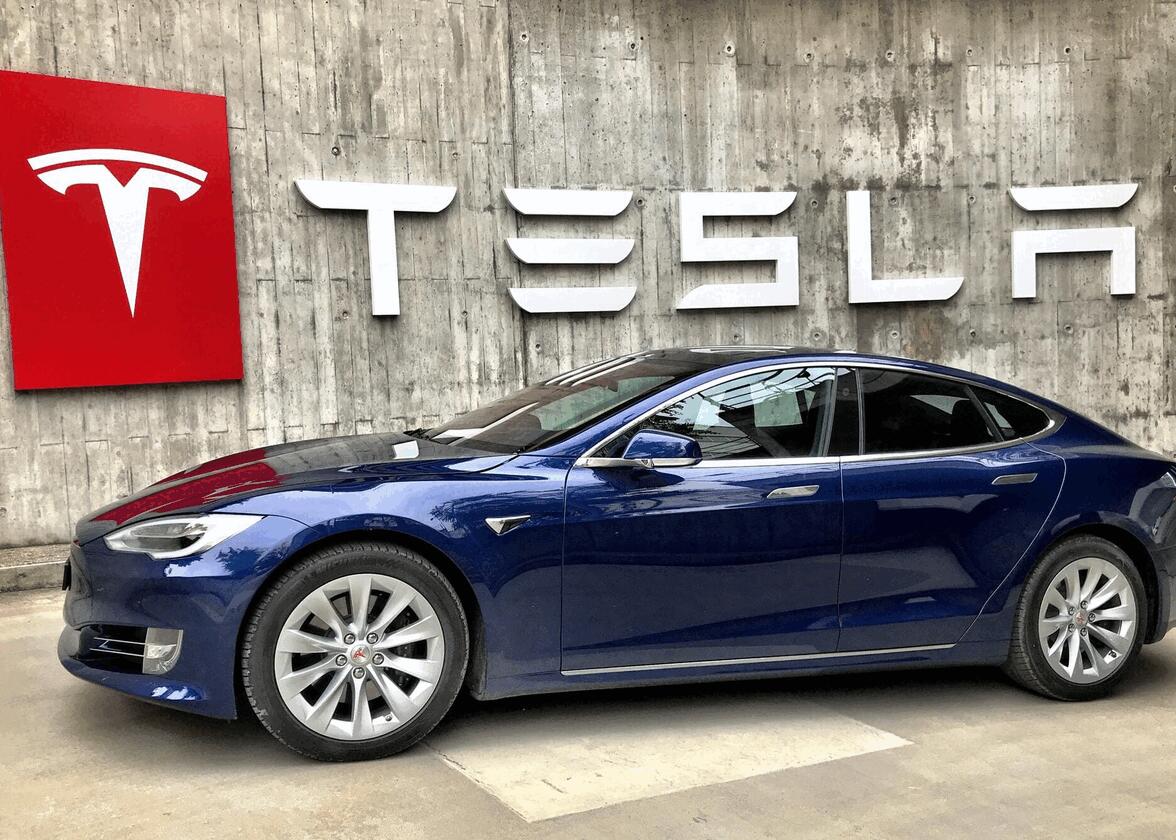
Approach: Tesla’s strategy is bold: achieve full autonomy using just cameras (vision) and AI, skipping LIDAR entirely. Tesla believes that if a human can drive with eyes and a brain, a machine can too—with better precision, memory, and reaction speed.

Strengths:

  • Huge fleet data advantage: millions of Teslas worldwide feeding back real-world driving data.

  • Fast software iteration via over-the-air (OTA) updates.

  • Arguably the best AI training infrastructure in the industry (Dojo).

Weaknesses:

  • Current FSD Beta (v12) is not truly autonomous—it still requires driver supervision.

  • Lacks redundancy; no LIDAR or high-definition mapping.

Current Status: Level 2 autonomy with strong aspirations for Level 4+.

Bottom Line: Ambitious, risky, and very much still in testing. Elon Musk claims it's close—but we’ve heard that for years.


Waymo (Google): The Cautious Scientist

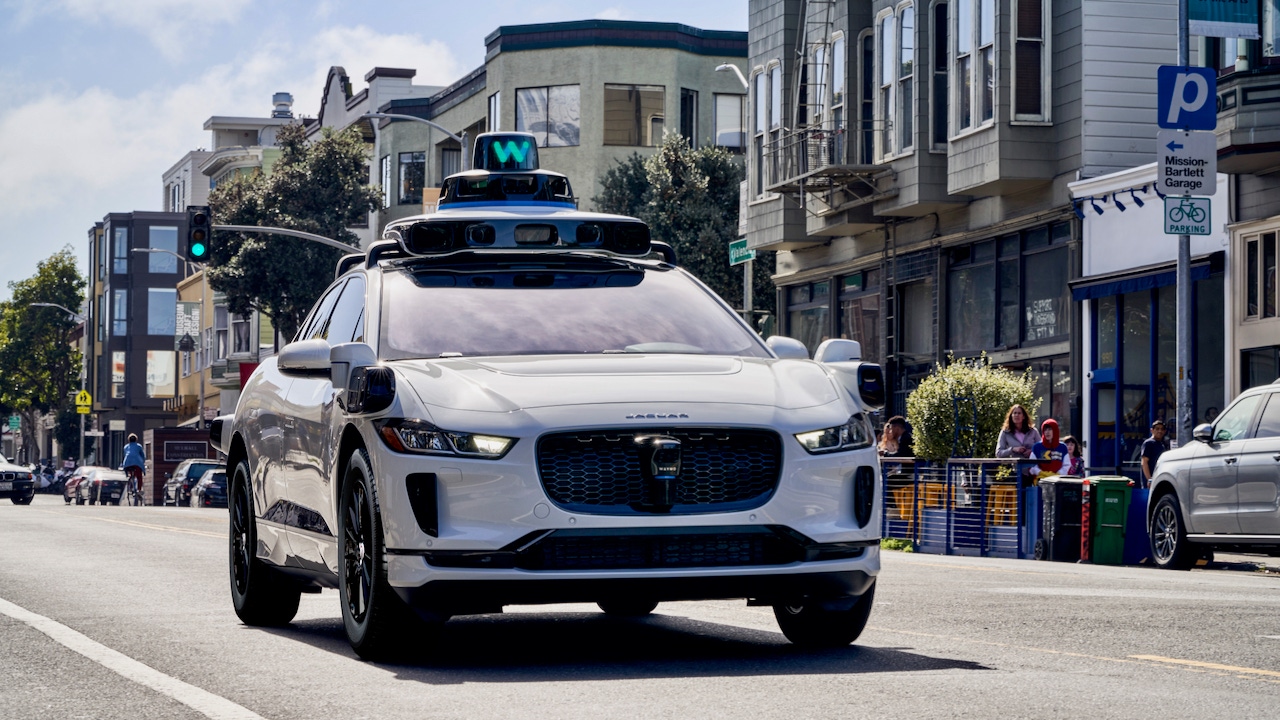
Approach: Waymo uses a sensor fusion approach—LIDAR, radar, cameras, and HD maps—to build a “belt-and-suspenders” system. It’s methodical, safety-first, and geofenced.

Strengths:

  • Operates driverless taxis in Phoenix and San Francisco, without a human in the car.

  • Emphasizes safety and real-world deployment over hype.

  • Has logged millions of miles fully autonomously.

Weaknesses:

  • Slow rollout. Operational only in select urban zones.

  • Heavily dependent on pre-mapped environments, which limits scalability.

Current Status: Level 4 autonomy in geofenced areas. Commercial service operational.

Bottom Line: The most proven, safest, but least scalable—so far.


BYD: The Quiet Challenger

Approach: BYD is rapidly advancing, but focuses more on ADAS (Advanced Driver Assistance Systems) than true autonomy—for now. It partners with Nvidia, Huawei, and Baidu for autonomy R&D.

Strengths:

  • Massive production scale gives it deployment potential.

  • Deep partnerships with top AI and chip companies in China.

  • Strong government backing and access to Chinese roads/data.

Weaknesses:

  • Currently lags behind Tesla and Waymo in autonomy.

  • More focused on electrification and cost-efficiency than cutting-edge autonomy—for now.

Current Status: Level 2+ (highway assist, lane keep, adaptive cruise), working toward Level 3.

Bottom Line: Not leading the self-driving race yet, but could surge quickly with Chinese regulatory and tech tailwinds.


Other Key Players

  • Cruise (GM): Level 4 in cities like San Francisco, paused after safety incidents. Risk of overreach.

  • Apple: Still stealthy, unclear roadmap, reportedly scaled back.

  • Nvidia / Mobileye / Baidu / Pony.ai: Providing backbone tech for others. Powering the ecosystem, not leading consumer brands.


So Who’s Winning?

Company Autonomy Level (Max Deployed) Safety Record Scalability Tech Stack Overall Score
Waymo Level 4 (geofenced) ✅ Safest ❌ Limited ✅ Sensor-rich 8/10
Tesla Level 2+ (Beta testing L4) ⚠️ Riskier ✅ Scalable ⚡ AI-only 7.5/10
BYD Level 2+ (Basic ADAS) ✅ Conservative ✅ Scale potential 🧩 Partner-led 6/10

Is Full Self-Driving (FSD) Even Possible?

That depends on what you mean by “FSD.”

  • Level 3: Driver must take over when required. Possible today, but rare.

  • Level 4: No driver needed within geofenced areas. Waymo and Cruise are here already.

  • Level 5: No driver, anywhere, anytime. The holy grail—and we’re not there yet.

Tesla aims to brute-force Level 5 with vision and data. Waymo is building it brick-by-brick with sensors and maps. But neither has cracked true Level 5 in the wild.


When Will We Get There?

Most experts now say true Level 5 autonomy is still 5–10 years away, despite the marketing hype. Why?

  • Edge case complexity: Deer, snowstorms, construction zones, unpredictable human behavior.

  • Legal and regulatory frameworks are not ready.

  • Machine common sense is still primitive.


The Real Future: FSD + Connected Car Infrastructure?

A truly autonomous world may require:

  • 100% of vehicles to be FSD,

  • All cars to communicate with each other (V2V),

  • Smart infrastructure (traffic lights, signage),

  • And possibly, removal of human drivers altogether in urban zones.

This is closer to a “smart mobility ecosystem” than just smarter cars. It’s theoretically doable, but would require:

  • Global coordination,

  • Billions in infrastructure upgrades,

  • And time.


Final Verdict

  • Best Right Now: Waymo, for safety and real-world deployment.

  • Most Ambitious: Tesla, for its “data eats sensors” vision.

  • Sleeper to Watch: BYD, especially if China makes an autonomy leap.

Is FSD possible? Yes, but not alone. It won’t be one company or one technology. It will be a systems-level achievement, fusing AI, hardware, regulation, and infrastructure.

Until then, keep your hands on the wheel—and your eyes on the road ahead. The race is far from over.


The Rise of the Super Niche: Launching a Multimedia Empire at the Intersection of AI and Robotics

The Rise of the Super Niche: Launching a Multimedia Empire at the Intersection of AI and Robotics


In a world where content overload is the norm and generic tech blogs feel like yesterday’s news, there’s an emerging opportunity—an opening for those bold enough to go super niche. Not another TechCrunch clone. Not another podcast with recycled Silicon Valley soundbites. We're talking about a true content platform built with surgical focus. Something as precise as the fields it covers: AI and Robotics. Not "tech." Not even "AI." Something more refined.

Imagine this:

A blog not for everyone. Not even for most AI folks. A blog just for the people who care deeply about embodied AI, robot control systems, swarm intelligence, human-robot interaction, soft robotics, and neuro-symbolic systems powering mechanical limbs. The ones who want to know how AI learns to move.

This is not about chasing mass appeal. It’s about becoming the TechCrunch of intelligent motion. The Airbnb of thought leadership in AI robotics.

The Core Idea

The blog is just the beginning. The goal: to build a multimedia knowledge ecosystem centered on the future of movement, intelligence, and machine embodiment.

Vertical: AI + Robotics.
Niche: Cognitive and embodied intelligence.
Persona: Researchers, builders, investors, and futurists obsessed with machines that move, think, and adapt.

Components of the Launch

1. The Blog: Deep Dives Only

No news aggregation. No press release rewrites. Every post is an original, research-rich exploration:

  • "Why Swarm Intelligence Will Redefine Global Logistics"

  • "The Hidden Complexity of Robot Balance and Human Motion Imitation"

  • "LLMs and Actuators: The Emerging Bridge Between Language and Muscle"

Each article reads like a whitepaper but flows like a Wired story. Data-driven, visual-heavy, deeply researched.

2. The YouTube Channel

A blend of visual storytelling and expert analysis:

  • Animated explainers: "How Soft Robotics Are Changing Prosthetics"

  • Field reporting from robotics labs and AI summits

  • Interviews with roboticists and AI researchers

  • Weekly 5-minute video updates on breakthroughs in the field

3. The Newsletter

A crisp, weekly briefing:

  • One deep idea

  • Two startup spotlights

  • Three must-read links

  • Four industry job posts
    For inboxes of investors, engineers, and startup founders.

4. Text Message Alerts

Opt-in SMS alerts with:

  • Major funding rounds in AI robotics

  • Key conference drops (e.g. ICRA, NeurIPS, CVPR)

  • Groundbreaking papers released on arXiv

It’s immediate. It’s rare. It makes you feel like you're on the inside.

5. Community

Not open forums. Not Reddit. Think invite-only Slack or Discord:

  • Channels for different AI+Robotics subfields

  • Founder intros

  • Paper clubs

  • Hackathons & grant announcements

Why Now?

AI is exploding. Robotics is becoming real. The intersection—embodied intelligence—is where trillion-dollar industries will emerge. Autonomous vehicles, warehouse automation, personal robots, elder care machines, battlefield drones, exoskeletons—all will be shaped by the minds decoding how robots think and move.

Yet, there’s no go-to voice. No trusted brand in this narrow but powerful vertical. That’s the gap. That’s the opportunity.

A Note on Monetization

Start niche, monetize deep:

  • Premium memberships with early research access

  • Sponsorships from robotics companies and chipmakers

  • Courses and workshops

  • Job board for AI roboticists

  • Affiliate for robotics hardware kits

  • Events and virtual summits

Final Word

TechCrunch was Craig's list. Airbnb was a niche carved out of Craig's list. This is the Airbnb of robotic intelligence. And it starts with one blog post, one video, one newsletter—laser-focused and utterly obsessed with a niche no one else is owning.

If you build it right, they won’t just come. They’ll stay, subscribe, and bring their teams.


Velocity Money: Crypto, Karma, and the End of Traditional Economics
The Next Decade of Biotech: Convergence, Innovation, and Transformation
Beyond Motion: How Robots Will Redefine The Art Of Movement
ChatGPT For Business: A Workbook
Becoming an AI-First Organization
Quantum Computing: Applications And Implications
Challenges In AI Safety
AI-Era Social Network: Reimagined for Truth, Trust & Transformation

The AI-Era Browser Is Not a Browser—It’s the Beginning of a New Operating System

AI-Era Web Browser, Brought To You By Perplexity


The AI-Era Browser Is Not a Browser—It’s the Beginning of a New Operating System

The AI-era browser is a misnomer. What’s emerging isn’t just a better web browser—it’s the gateway to a radical redefinition of computing itself. If the browser was once a portal to the internet, the AI-era "browser" collapses the distinction between application, operating system, and assistant. This isn’t Chrome 2.0. It’s Windows, Google Docs, and Outlook all dissolving into one ambient, intelligent workspace.

The Collapse of Layers

For decades, computing has been organized around layers: the OS (Windows/macOS/Linux), the browser (Chrome, Safari), applications (Office, Gmail, Slack), and finally the content layer (documents, email threads, web pages). But AI flattens these distinctions.

Why open an email app when your AI assistant already synthesized the message and extracted the tasks into your workspace? Why switch between browser tabs when your AI knows the context of your work and surfaces relevant research in a single view? The AI-era browser isn’t a tabbed chaos engine—it’s a cognitive environment.

From Search to Presence

The old web browser was built for searching, clicking, and consuming. The AI-era browser is built for presence, action, and decision-making. It's not something you “use”—it's something that lives with you, learns you, and acts with you.

At the core of this transformation is ambient computing: the seamless blending of device, interface, and intention. You’re not just typing into a box anymore. You’re engaging with an intelligence that understands your project, your goals, your calendar, your files, your team, and your knowledge graph.

Email, Meet Your End

AI doesn't just triage your inbox—it eliminates the need for one. Conversations become actions. Notifications become workflows. Email as a separate silo becomes obsolete when your assistant already summarized the key points and turned them into decisions. You don’t open Gmail. You just approve, edit, or delegate within your fluid workstream.

OS + Browser + Workspace = One

This is why calling it a “browser” misses the point. What’s being birthed is a unified interface layer—a meta-OS—that sits atop everything and integrates all. In time, it might replace the OS itself. Imagine a workspace that flows across devices, geographies, and mediums, tied together by persistent AI memory and personal context. This is not Chrome vs. Edge. This is post-OS computing.

Intersections Ahead

Interesting intersections are fast approaching:

  • LLMs meet filesystems – No more folders. Just ideas and relationships.

  • Personal knowledge graphs – Everything you’ve ever read, written, or watched, organized by context.

  • Agentic workflows – AI agents don’t just fetch; they act, iterate, and improve.

  • Persistent memory + spatial UI – A workspace that remembers, visualizes, and adapts.

The End of the App Era

Apps were the natural interface for the touchscreen generation. But now, instead of apps, we’ll have roles and functions powered by agents. Instead of “opening Zoom,” your AI connects you to the right person and manages the meeting. Instead of “opening Word,” your assistant begins drafting based on voice notes, research context, and prior documents. The app metaphor is dying. Workflows are what matter now.

Final Thought: The AI-Era Browser Is a Transitional Name

“Browser” is just the label we’re using because it’s familiar. But it’s like calling the Model T a “horse-drawn carriage.” What we’re seeing is the emergence of a new computing layer—part assistant, part memory, part workspace, all integrated. It’s the start of a new human-machine interface, one that transcends the keyboard, the mouse, and even the screen.

We are witnessing not the next browser war—but the dawn of the post-browser age. The future isn’t in tabs. It’s in tasks, context, and intelligent presence.

Welcome to the era of AI-native computing.