West Texas: Ground Zero of the AI-Infrastructure Boom
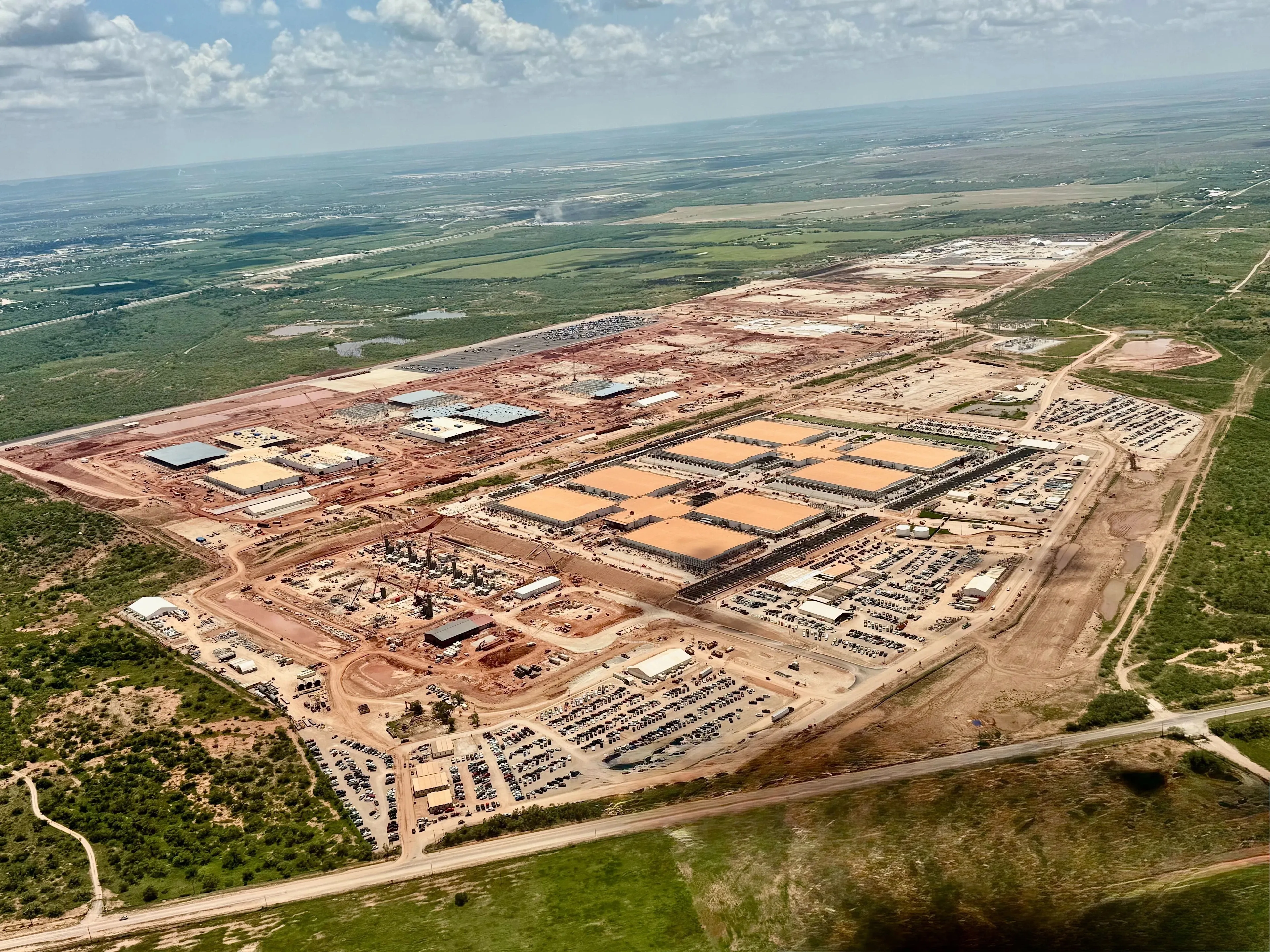
In the flat, wind-swept plains of West Texas, the next great battle for the global economy is quietly being waged. Not in Wall Street or Silicon Valley—but in places like Abilene, Texas and Amarillo, Texas. Here, the physical infrastructure of the artificial intelligence era—vast data centres, pipelines, turbines, land deals—is being built at break-neck pace.
This is not just a regional story. It is the story of how the AI era will get powered: the compute, the chips, the electricity, the cooling, the real estate. For decades, West Texas was known for oil rigs and cattle ranches; now it is reinventing itself as a backbone for AI.
Why West Texas?
Several key factors converge in this region:
Land & space: Open, cheap acreage in rural counties provides the room needed for campus-sized computing facilities. One project in the Panhandle spans thousands of acres. (The Texas Tribune)
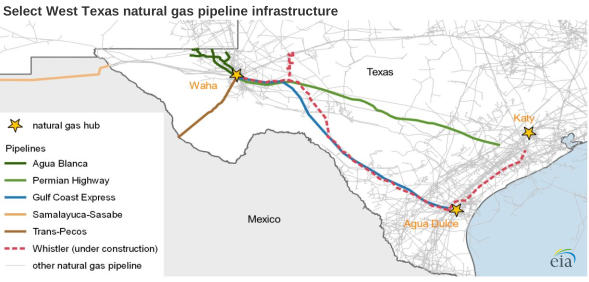
Energy infrastructure: The region already has pipelines, gas wells (especially in the Permian Basin), and growing wind/solar capacity. A recent article noted how AI companies are locating near fuel sources to supply huge power loads. (TechCrunch)
Grid & renewables: For example, in Abilene, one data-centre operator points out it can draw on the ERCOT grid and abundant West Texas wind. (Crusoe)
Policy & incentives: Rural counties and Texas municipalities are actively courting data-centre projects as a new growth lever—land, jobs, tax revenue. (The Texas Tribune)
The Projects That Illustrate the Shift
In Abilene, the project code-named “Stargate” (backed by OpenAI among others) is already consuming hundreds of megawatts; within a few years it aims to hit 1.2 gigawatts of power usage. (distilled.earth)
In the Amarillo and Panhandle area, a data-centre campus spanning 5,800 acres has been proposed by Fermi America, demanding millions of gallons of water per day and triggering local contention about resource usage. (The Texas Tribune)
Economic & Regional Impact
On the upside:
For places like Abilene, these developments promise serious economic injection. One developer estimates the first phase of their Abilene facility may generate $1 billion in direct + indirect impact over 20 years for just two buildings. (Crusoe)
Rural economies long dependent on oil, gas, agriculture now see a chance to diversify. County officials in the Permian region call data centres “exciting” because they can leverage existing natural-gas/oil by-product infrastructure. (The Texas Tribune)
On the more cautionary side:
Job creation is limited once construction finishes: a massive facility may create thousands of short-term construction jobs, but only a few dozen to a few hundred long-term operational roles. (The Wall Street Journal)
Resource pressure: In rural West Texas, water is scarce. Large-scale data-centres consume/require vast cooling systems, and local stakeholders are asking: what is the cost to agriculture, to groundwater, to the rural way of life? (The Texas Tribune)
Environmental trade-offs: While some operators are designing ultra-efficient, low-water‐use cooling systems, the broader picture shows that unchecked expansion could mean huge new loads on the grid and emissions from backup or on-site gas power. (arXiv)
What This Means for the Global Economy
Compute becomes physical: As the generation and training of large AI models become more power‐ and hardware‐intensive, the real constraint shifts from algorithms to infrastructure—land, power, cooling. West Texas is becoming one of the few places where the scale is possible.
Energy markets get re-shaped: Data centres in West Texas may influence how the Permian natural-gas sector evolves, how the ERCOT grid and transmission build-out happens, and how renewables get integrated and curbed when demand surges.
Rural revitalisation (and disruption): The diffusion of the AI economy is no longer confined to coastal tech hubs. Rural America—especially energy-rich places—is being pulled into the centre. But whether the benefits are broad-based remains uncertain.
Geopolitics & manufacturing re-settling: Secure, low-cost, large-scale computing sites may become strategic national assets. The location advantage of places like West Texas may shift competitive dynamics between U.S. tech, China, and others.
Ahead: Key Questions to Watch
Will the water issue become a bottleneck? Can data-centre cooling systems in dry regions scale sustainably without jeopardising local water resources?
Can the local labour/ecosystem capture more than construction phases—i.e., build out training, operations, maintenance, chip manufacturing, etc., locally?
How will communities negotiate with data-centre operators so that infrastructure (roads, grid transmission, renewables) and social impact (housing, local business, resource allocation) are balanced?
What happens if the power demand from data centres accelerates faster than local transmission and grid capacity—will this lead to latency, higher electricity costs, or regulatory push-back?
Conclusion
What’s happening in West Texas is far more than another large building or tech expansion. It is a pillar in the architecture of the AI era. The massive data centres going up in Abilene, Amarillo and the surrounding regions signify that the future of compute—of intelligence—is being grounded in physical reality: megawatts, gigawatts, pipelines, wires, pipelines, acres of land and fleets of GPUs.
In other words: the global economy’s most cutting-edge frontier might just be the plains of West Texas. The stage may be rural—but the stakes are undeniably global.
पश्चिम टेक्सास: एआई-इन्फ्रास्ट्रक्चर क्रांति का नया केंद्र
विस्तृत, हवा से बहते मैदानों में—जहाँ कभी तेल के रिग और गायों के झुंड अर्थव्यवस्था का प्रतीक थे—आज दुनिया की सबसे अत्याधुनिक आर्थिक हलचल चुपचाप आकार ले रही है। यह कहानी वॉल स्ट्रीट या सिलिकॉन वैली की नहीं है, बल्कि एबिलीन (Abilene) और अमरिलो (Amarillo) जैसे पश्चिम टेक्सास के शहरों की है।
यहाँ पर कृत्रिम बुद्धिमत्ता (AI) युग की रीढ़—विशाल डेटा सेंटर, ऊर्जा पाइपलाइनें, गैस-प्लांट, और गीगावाट-स्तर के सर्वर—तेज़ी से खड़े किए जा रहे हैं।
यह सिर्फ़ एक क्षेत्रीय घटना नहीं है; यह उस वैश्विक बदलाव की कहानी है जो यह तय करेगा कि एआई युग को शक्ति कैसे मिलेगी—चिप्स, कंप्यूट, बिजली, ठंडक, ज़मीन और पूंजी के मेल से।
क्यों पश्चिम टेक्सास?
पश्चिम टेक्सास आज एआई-इंफ्रास्ट्रक्चर के लिए विश्व का सबसे आकर्षक ठिकाना बन गया है, क्योंकि यहाँ कई कारक एक साथ मिलते हैं—
ज़मीन और जगह: यहाँ हज़ारों एकड़ सस्ती और खुली भूमि उपलब्ध है, जो विशाल डेटा-कैंपस बनाने के लिए आदर्श है।
ऊर्जा अवसंरचना: यह इलाका पहले से ही तेल, गैस और बढ़ते सौर-वायु ऊर्जा संयंत्रों से भरा है—जो एआई सर्वरों को स्थायी ऊर्जा दे सकते हैं।
ग्रिड और नवीकरणीय स्रोत: एबिलीन और आस-पास के क्षेत्रों में ERCOT ग्रिड से जुड़ी पवन-ऊर्जा की प्रचुरता है।
नीतिगत प्रोत्साहन: टेक्सास की काउंटियाँ और नगर सरकारें इन परियोजनाओं को खुले दिल से आकर्षित कर रही हैं—कर में छूट, भूमि उपलब्धता और स्थानीय नौकरियों के वादे के साथ।
प्रमुख परियोजनाएँ जो इस बदलाव को दर्शाती हैं
“स्टारगेट” (Stargate) परियोजना, एबिलीन:
ओपनएआई और उसके साझेदारों द्वारा समर्थित यह केंद्र अब सैकड़ों मेगावाट बिजली का उपयोग कर रहा है और आने वाले वर्षों में 1.2 गीगावाट तक पहुँचने की योजना बना रहा है।
अमरिलो और पैनहैंडल क्षेत्र:
यहाँ एक 5,800 एकड़ में फैले डेटा सेंटर कैंपस का प्रस्ताव है, जिसे फर्मी अमेरिका विकसित कर रही है। यह हर दिन लाखों गैलन पानी की खपत करेगा—जिससे जल-संकट पर बहस छिड़ गई है।
आर्थिक और क्षेत्रीय प्रभाव
सकारात्मक पक्ष:
स्थानीय अर्थव्यवस्था को नया जीवन मिल रहा है। सिर्फ़ दो इमारतों वाले एबिलीन डेटा सेंटर से ही अगले 20 वर्षों में लगभग 1 अरब डॉलर का प्रत्यक्ष और अप्रत्यक्ष आर्थिक प्रभाव होने का अनुमान है।
जो इलाके अब तक तेल, गैस और कृषि पर निर्भर थे, वे अब डिजिटल-अर्थव्यवस्था के हिस्सेदार बन रहे हैं।
चेतावनी के संकेत:
निर्माण-काल के बाद स्थायी रोजगार सीमित हैं—हज़ारों निर्माण मजदूरों की जगह अंततः केवल कुछ दर्जन-सैकड़ा तकनीकी नौकरियाँ ही बचेंगी।
जल संकट: डेटा सेंटरों की ठंडक प्रणाली अत्यधिक पानी की माँग करती है, जिससे स्थानीय कृषि और भू-जल पर दबाव बढ़ रहा है।
पर्यावरणीय संतुलन: कुछ कंपनियाँ कम-पानी या पुनर्चक्रण तकनीक अपना रही हैं, फिर भी कुल ऊर्जा-खपत और उत्सर्जन तेजी से बढ़ रहा है।
वैश्विक अर्थव्यवस्था के लिए इसका अर्थ
“कंप्यूट” अब भौतिक बन गया है:
जैसे-जैसे एआई मॉडल बड़े और ऊर्जा-भक्षी होते जा रहे हैं, बाधा अब एल्गोरिद्म नहीं बल्कि इन्फ्रास्ट्रक्चर बन गया है—जमीन, बिजली, और कूलिंग। पश्चिम टेक्सास वह जगह है जहाँ यह सब संभव है।
ऊर्जा बाज़ारों का पुनर्गठन:
ये डेटा सेंटर पर्मियन बेसिन की प्राकृतिक गैस, ERCOT ग्रिड, और नवीकरणीय स्रोतों की दिशा तय कर सकते हैं।
ग्रामीण पुनर्जागरण:
एआई-अर्थव्यवस्था अब केवल तटीय टेक-हबों तक सीमित नहीं है। ग्रामीण अमेरिका इसकी नई प्रयोगशाला बन रहा है—हालाँकि लाभ वितरण अब भी असमान है।
भू-राजनीतिक महत्व:
इतने बड़े पैमाने के और सुरक्षित कंप्यूट-कैंपस राष्ट्रीय संपत्ति के रूप में देखे जा रहे हैं। पश्चिम टेक्सास जैसी जगहें अमेरिका की वैश्विक तकनीकी प्रतिस्पर्धा में निर्णायक बन सकती हैं।
आगे के बड़े प्रश्न
क्या जल-संकट इन परियोजनाओं को सीमित कर देगा?
क्या स्थानीय श्रमबल निर्माण के बाद दीर्घकालिक तकनीकी-रोज़गार में भाग ले पाएगा?
क्या समुदाय डेटा-कंपनियों से संतुलित विकास की शर्तें तय कर पाएँगे—बिजली, सड़कें, आवास, और जल-साझेदारी को लेकर?
क्या बिजली की मांग स्थानीय ग्रिड की क्षमता से आगे निकल जाएगी, और अगर हाँ, तो इसके आर्थिक-राजनीतिक नतीजे क्या होंगे?
निष्कर्ष
जो कुछ पश्चिम टेक्सास में हो रहा है, वह केवल एक और तकनीकी विस्तार नहीं—बल्कि एआई युग की नींव है।
एबिलीन और अमरिलो के मैदानों में खड़े हो रहे ये विशाल डेटा सेंटर दिखा रहे हैं कि कृत्रिम बुद्धिमत्ता की शक्ति अंततः भौतिक वास्तविकता पर टिकी है—मेगावाट, गीगावाट, पाइपलाइन, तारें, भूमि और अरबों ट्रांजिस्टर।
दुनिया की सबसे “कटिंग-एज” कहानी शायद अब पश्चिम टेक्सास के रेगिस्तानी मैदानों में लिखी जा रही है—जहाँ दृश्य ग्रामीण है, पर दाँव वैश्विक हैं।
"One of the Minor Prophets Said So": A Satirical Sermon for the Once-a-Quarter Congregation
You know those people who seem to have unlocked the premium subscription to church?
They show up once every equinox, catch a single sermon, and walk out like they’ve just downloaded the entire Bible 2.0 into their spiritual hard drive.
They leave glowing. Radiant. Forgiven.
Meanwhile, the rest of us are still buffering through the Book of Numbers.
As one of the minor prophets famously said — probably Habakkuk, or maybe his lesser-known cousin Habakkish —
“Some come to the temple once, and lo, they are good for several weeks, even months.”
The Church-Visit Efficiency Index
There are, broadly speaking, three kinds of churchgoers:
The Weekly Faithful:
They’re the backbone of the pew economy. They have assigned seats, designated prayer shawls, and a handshake quota. Their Sunday is not complete without a casserole, a choir complaint, and a gentle nod from the pastor that says, “You again? God bless your consistency.”
The Monthly Moderates:
They come once a month — like rent, or a utility bill. They like the Lord, but in a subscription-based sort of way.
“Yes, Pastor, I’m on the Basic Plan. I get one sermon, two hymns, and occasional conviction.”
The Seasonal Saints:
These are the legends. They appear during high holy days — Easter, Christmas, and sometimes the Super Bowl.
They arrive dressed as if Jesus himself might take a selfie with them.
They take communion like it’s an NFT — limited edition, collectible, and possibly worth more next year.
Excuses from the Gospel of Procrastination
If the Bible were updated for the modern age, we’d have a new chapter called The Gospel According to the Busy.
It would read something like this:
“And lo, the man said unto the pastor,
‘I would come, but verily the Wi-Fi in the sanctuary is weak,
and behold, my child hath soccer practice.’
And the pastor wept, for the excuses were many, and the conviction was few.”
You’ve heard these before:
“I worship in nature.” (Translation: I went hiking once in 2019.)
“God knows my heart.” (Yes, He does. That’s why He sent you reminder emails through your grandma.)
“I’m spiritual, not religious.” (Also known as ‘I prefer my salvation à la carte.’)
The Sermon Absorption Myth
Some people believe one good sermon can last for months.
That’s like thinking one salad cancels out a year of cheeseburgers.
“I don’t need church every week,” they say,
“I’m still processing last Easter’s sermon.”
Really? You’re still digesting the part about loving your enemies?
Because from what I saw in the church parking lot, you’re still wrestling with merging politely.
The Pastor’s Dilemma
Pastors love these folks, but they’re a riddle wrapped in a prayer request.
They show up like comets — bright, brief, and unpredictable.
Every time they reappear, it’s like:
“Brother Jacob! We thought you’d been raptured!”
“No, Pastor, just traveling.”
“For nine months?”
“Spiritually.”
The church bulletin is their time capsule. They pick one up, read “Upcoming Christmas Pageant”, and whisper:
“Wait… wasn’t that last week?”
Faith Fitness: The Spiritual Gym Analogy
Skipping church is like skipping the gym.
Sure, you tell yourself you’ll pray at home, maybe stream a sermon, maybe lift a few verses from Psalms.
But next thing you know, it’s been six months, your spiritual core is flabby, and even John 3:16 feels like heavy cardio.
Meanwhile, those “once-a-quarter Christians” have convinced themselves they’re in shape:
“I don’t need the gym — I think about exercise all the time.”
Exactly. And that’s how your faith ends up needing physical therapy.
The Miracle of Selective Memory
Ask them about last Sunday’s sermon — they’ll say, “It was powerful!”
Ask them what it was about — “Uh, Jesus. Definitely Jesus.”
Dig deeper — “Something about… forgiving your… thermostat?”
They’ll fumble through Leviticus like it’s IKEA instructions.
These are the same people who post Bible verses on Instagram with captions like:
Knows all the church staff by LinkedIn title not by first name.
Mistakes the offering plate for a charcuterie board.
Thinks “fellowship” means coffee with Wi-Fi.
Claps half a beat late because they’re syncing to last year’s worship playlist.
Still refers to the new pastor as “the young one,” even though he’s been there since Obama.
From the Book of Misinterpretations
One of the minor prophets — possibly Zephaniah the Slightly Confused — once declared:
“Blessed are they who come to church once and think it enough,
for theirs is the kingdom of selective memory.”
Of course, that verse isn’t in any Bible you can buy.
But it’s quoted often by those who can’t remember where their Bible is.
Conclusion: The Altar Call of Irony
So the next time someone says,
“I haven’t been to church in a while, but I feel connected,”
just smile and reply,
“Ah yes — as the minor prophet once said, ‘Thy Wi-Fi signal is strong, but thy attendance record is weak.’”
Because if salvation worked like spiritual fast food,
half the congregation would be drive-thru disciples —
ordering forgiveness “to go,” with extra grace on the side.
And somewhere up in heaven, one of the minor prophets is chuckling,
shaking his head, and saying,
The idea is to build an AI-era social network. That is step 1. Step 2 is to license technologies from Estonia (digital government) and India (Aadhar: digital ID, UPI: digital payments) and take across the Global South. ...........
I am excellent at spotting tech trends and promising early stage tech startups. My tech blog shows me doing it over sustained periods of time. Netizen https://t.co/4tF5jVpoaP But I can only do remote.
Imagine a founder in Nigeria raising capital directly from investors in Japan, the US, and Brazil, all in one instant, securely and transparently. That’s the promise of DeFi.
being an asian female in sf is hilarious bc i’m 30+ and jaded from a few startup cycles, but everyone assumes i’m a 23yo berkeley new grad raising $11m for my voice agent startup
Elon’s Got the Trillion. To earn it, $TSLA has to hit a $12 trillion market cap, generate $2 trillion in revenue, and out-profit every industrial giant on Earth. No pressure.
it’s a place built for motion, not reflection. great for collecting inputs like ideas, people, serendipity but terrible for any sort of synthesis. after a while you’re just cycling stimulation with no real output.
Their new “File Search Tool” (incredibly dumb and misleading name btw) is a hosted RAG solution that allows you to upload files like DOCX and PDF, and chat with them
In 2015, I marched for Bernie and donated to his campaign.
In 2019, after years of being a miserable democratic socialist who blamed everyone else for my sadness, I decided that I couldn’t stand being a miserable fuck anymore, and needed to start taking risks and aggressively… https://t.co/tDMxImeuty
Curing all diseases by the end of the century? That’s way too late and pessimistic! The target date in the age of AI should be no later than 2040! https://t.co/JQEEk291s1
I’ve been chatting with young people trying to break into VC so sharing what I generally advise:
- To make the best impression, don’t ask VCs for coffee, send them *good* deal flow instead - Bad deal flow is worse than sending nothing. If you don’t know the difference, absorb…
i don't think the average person realizes how much money you can make as a writer. a few weeks ago, i bought out the lease on my M850 BMW and, since i'm young, the sales guy asked what i do for work. he guessed tech. "i'm a writer," i said. he looked at me like i was speaking a…
The West has already conquered genuine poverty. Poor people have apartments, cars and flat screens. But what never goes away is envy, which is just rooted in human beings. UBI, even a really good UBI, will not solve this problem. And AI making everyone idle will magnify it.
I now have 1300 shares of $TSLA that I have accumulated over the last 5 years.
"It must be nice to own that much" many say but no, I've worked nearly 100 hour weeks every single week for more than 5 years straight while living like shit, limiting expenses, not going on trips…