
Pages

Friday, August 01, 2025

1: Russia

Stocks dive as job numbers disappoint and tariff ‘panic’ sets in The Dow Jones Industrial Average tumbled 770 points (-1.74%) as of 10:00 a.m. ET. The Nasdaq Index was off 544 points (-2.6%) and the S&P fell 122 points (-1.9%). ........ Amidst all this, Trump resumed his public criticisms of Fed chair Jerome Powell, seemingly encouraging the Fed Board to launch a coup. “Jerome ‘Too Late’ Powell, a stubborn MORON, must substantially lower interest rates, NOW,” Trump wrote. “IF HE CONTINUES TO REFUSE, THE BOARD SHOULD ASSUME CONTROL, AND DO WHAT EVERYONE KNOWS HAS TO BE DONE!”

In a First, Arab Nations Want Hamas to Disarm
Is Trump's tariffs plan working? Donald Trump has announced fresh tariffs on more than 90 countries, as his deadline to strike trade deals passed this morning. ....... The US president signed an executive order imposing tariffs ranging from 10% to 41% on imports from dozens of trade partners, the latest development in the tumultuous tariff tactics he first announced in April. ....... Prices rose after the spring tariffs and "overall" import prices have risen about 3% since March. Automakers, airlines and consumer goods importers have taken the "worst hit", while levies on aluminium and electronics, such as semiconductors, prompted "increased costs" in the tech sector ....... early evidence suggests that tariffs have "failed to inspire a hiring boom", and the "chaotic policy roll-out" is actually contributing to what one manufacturing executive called a "hellacious" landscape. ........ Politically, though, the tariffs are "taming China", said The Spectator. "Trump's madman tactic makes everyone crazy", but it has "frightened the world away" from reliance on a "frequently malevolent Chinese superpower". ............

His "gangsterism" towards the EU is working too, said The New Statesman. Allowing the threat of "withdrawal of all support" for Ukraine to "hover above" economic negotiations with the bloc has been "terribly effective", as shown by the "bizarre deal" the EU announced, under which "European concessions were seemingly exchanged for… more European concessions". If Trump can "extract significant tribute" from "wealthy" Europe in a way past presidents couldn't, "why should Americans vote for anyone else"?

......... The "elephant in the room" is inflation and new data suggests that tariff charges are now "making their way down" supply chains stateside, where American consumers will feel the "squeeze".

If "inflation takes off", Trump may have no choice but to "back down".

The Last Age: Lord Kalki, Prophecy, and the Final War for Peace
The Protocol of Greatness (novel)
A Reorganized UN: Built From Ground Up
The Drum Report: Markets, Tariffs, and the Man in the Basement (novel)
World War III Is Unnecessary
Grounded Greatness: The Case For Smart Surface Transit In Future Cities
The Garden Of Last Debates (novel)
Deported (novel)
Empty Country (novel)
Trump’s Default: The Mist Of Empire (novel)

The 20% Growth Revolution: Nepal’s Path to Prosperity Through Kalkiism
Rethinking Trade: A Blueprint for a Just and Thriving Global Economy
The $500 Billion Pivot: How the India-US Alliance Can Reshape Global Trade
Trump’s Trade War
Peace For Taiwan Is Possible
Formula For Peace In Ukraine
A 2T Cut
Are We Frozen in Time?: Tech Progress, Social Stagnation
The Last Age of War, The First Age of Peace: Lord Kalki, Prophecies, and the Path to Global Redemption
AOC 2028: : The Future of American Progressivism

The Last Age: Lord Kalki, Prophecy, and the Final War for Peace
The Protocol of Greatness (novel)
A Reorganized UN: Built From Ground Up
The Drum Report: Markets, Tariffs, and the Man in the Basement (novel)
World War III Is Unnecessary
Grounded Greatness: The Case For Smart Surface Transit In Future Cities
The Garden Of Last Debates (novel)
Deported (novel)
Empty Country (novel)
Trump’s Default: The Mist Of Empire (novel)

The 20% Growth Revolution: Nepal’s Path to Prosperity Through Kalkiism
Rethinking Trade: A Blueprint for a Just and Thriving Global Economy
The $500 Billion Pivot: How the India-US Alliance Can Reshape Global Trade
Trump’s Trade War
Peace For Taiwan Is Possible
Formula For Peace In Ukraine
A 2T Cut
Are We Frozen in Time?: Tech Progress, Social Stagnation
The Last Age of War, The First Age of Peace: Lord Kalki, Prophecies, and the Path to Global Redemption
AOC 2028: : The Future of American Progressivism
The Last Age: Lord Kalki, Prophecy, and the Final War for Peace
The Protocol of Greatness (novel)
A Reorganized UN: Built From Ground Up
The Drum Report: Markets, Tariffs, and the Man in the Basement (novel)
World War III Is Unnecessary
Grounded Greatness: The Case For Smart Surface Transit In Future Cities
The Garden Of Last Debates (novel)
Deported (novel)
Empty Country (novel)
Trump’s Default: The Mist Of Empire (novel)

The 20% Growth Revolution: Nepal’s Path to Prosperity Through Kalkiism
Rethinking Trade: A Blueprint for a Just and Thriving Global Economy
The $500 Billion Pivot: How the India-US Alliance Can Reshape Global Trade
Trump’s Trade War
Peace For Taiwan Is Possible
Formula For Peace In Ukraine
A 2T Cut
Are We Frozen in Time?: Tech Progress, Social Stagnation
The Last Age of War, The First Age of Peace: Lord Kalki, Prophecies, and the Path to Global Redemption
AOC 2028: : The Future of American Progressivism
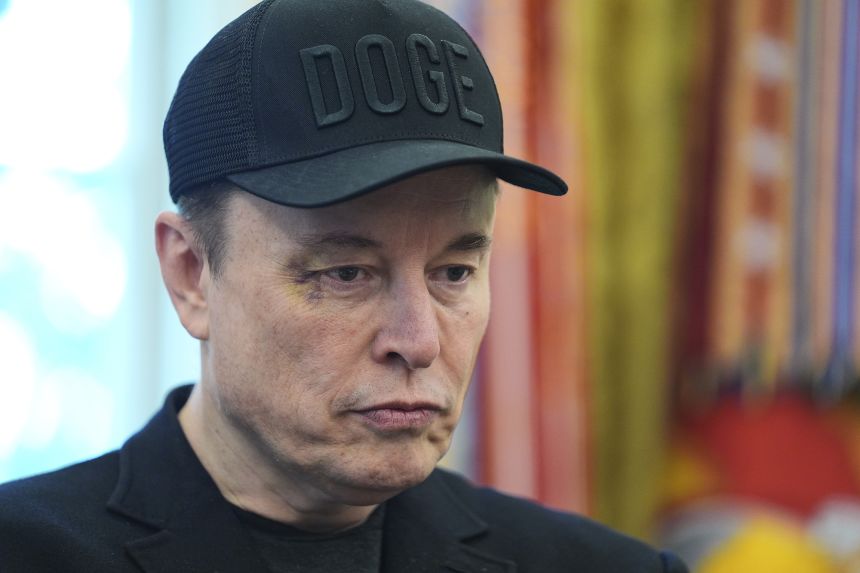
Donald Trump's economy stung as jobs report falls way below expectations
Biden warns of ‘dark days’ under Trump
Trump's War on Chocolate: 'There's No Way for Us To Source This Domestically'

How Moscow might respond if Trump stops Russian oil to India U.S. President Donald Trump's demand on India to halt Russian oil imports could threaten billions in Russian revenues, prompt Moscow to retaliate by stopping a major U.S.-led oil pipeline and potentially lead to a new global supply crisis. ........ India, the world's third largest oil importer, has become the biggest buyer of Russian oil since 2022, purchasing up to 2 million barrels per day of oil accounting for 2% of global supply. Other top buyers are China and Turkey. .......... The Indian route is so important for the Kremlin that if disrupted it could prompt it to retaliate by closing the CPC pipeline from Kazakhstan, where U.S. oil majors Chevron and Exxon hold big stakes, analysts at JP Morgan said this week........ "Russia is not without leverage," the U.S. bank said. ....... Trump has threatened to slap tariffs of up to 100% on countries that buy Russian oil unless Moscow reaches a peace deal with Ukraine by August 7-9. A 25% tariff on all U.S. goods imports from India starts on Friday. ......... Reuters reported on Thursday that Indian state refineries had paused purchases of Russian oil this week amid Trump's threats. ........... India only began buying large quantities of oil from Russia, the world's second largest oil exporter, since 2022. It became a top importer after Europe, Russia's former top client, imposed a ban on Russian oil over its military actions in Ukraine. Russia's oil giant Rosneft has a major stake in one of India's biggest oil refineries. ............... India is now 35% reliant on Russian oil imports worth $50.2 billion in the 2024-25 fiscal year, according to India's government data. ....... "Cutting off this flow would require a massive realignment of trade flows," said Aldo Spanjer from BNP Paribas, adding that the global supply was already stretched. ....... India buys all varieties and grades of Russian oil - including Urals from Western ports, ESPO and Sokol from the Pacific and some grades from the Arctic, according to LSEG data. ....... Urals would be hit hardest if India stops buying as it purchases up to 70% of Russia's biggest export grade by volume. India's oil minister said the country can find alternative supply. ....... India would need to raise imports of U.S. and Middle Eastern crude or cut refining runs, leading to a spike in diesel prices, especially in Europe, which imports fuel from India. ......... "Indian refiners will still struggle to replace the heavy quality of Russian crude so they may end up paring runs," said Neil Crosby from Sparta Commodities........... Russian firms will need to store oil on tankers if India stops buying, paying extra money for shipping charges and being forced to offer wide discounts to new buyers ......... Russia could potentially divert some 0.8 million bpd of oil to Egypt, Malaysia, Pakistan, Peru, Brunei, South Africa and Indonesia ......... Moscow could also disrupt the CPC pipeline to make sure the West feels the pain from higher oil prices. Western oil firms Exxon, Chevron, Shell, ENI and TotalEnergies ship up to 1 million bpd via CPC, which has total capacity of 1.7 million bpd. ............. "If we get a visible and substantial difficulty in clearing Russian crude and Putin shuts off CPC, oil prices might get well over $80 per barrel, possibly a lot more," said Crosby. .......

The CPC pipeline crosses Russian territory

and the consortium has clashed with Moscow, which ordered it to suspend operations for several days in 2022 and 2025 citing environmental and tanker regulations....... A combined stoppage of CPC and Russian flows to India would create a disruption of 3.5 million bpd or 3.5% of global supply. ............... "The Trump administration, like its predecessors, will likely find sanctioning the world’s second-largest oil exporter unfeasible without spiking oil prices," JP Morgan said.

Global stocks drop as Trump unveils his tariffs
Elon Musk gives millions to Republican super PACs ahead of the midterms
Donald Trump's economy stung as jobs report falls way below expectations
Economy is getting worse under Trump’s leadership, Americans say in new poll on eve of his tariff D-Day

Trump trade wins leave voters, businesses wanting more Recent polls show the president’s job approval rating slipping to the lowest point of his second term and his tariff policy only satisfying about 36 percent of those surveyed ....... there is anxiety among the public that Trump’s tariffs on goods will ultimately be passed down from company to consumer. ......... consumers are still nervous about the end result of Trump’s trade battles ....... “They’re not genuine trade agreements of the traditional sort, which are voluntary in nature — countries negotiate, agree, sign, and then ratify” ......... “These are handshake agreements at the point of a gun, and I don’t see that as a particularly durable way to think about trade policy. So, we’ll see how that plays out.” .........

The Last Age: Lord Kalki, Prophecy, and the Final War for Peace
The Protocol of Greatness (novel)
A Reorganized UN: Built From Ground Up
The Drum Report: Markets, Tariffs, and the Man in the Basement (novel)
World War III Is Unnecessary
Grounded Greatness: The Case For Smart Surface Transit In Future Cities
The Garden Of Last Debates (novel)
Deported (novel)
Empty Country (novel)
Trump’s Default: The Mist Of Empire (novel)

The 20% Growth Revolution: Nepal’s Path to Prosperity Through Kalkiism
Rethinking Trade: A Blueprint for a Just and Thriving Global Economy
The $500 Billion Pivot: How the India-US Alliance Can Reshape Global Trade
Trump’s Trade War
Peace For Taiwan Is Possible
Formula For Peace In Ukraine
A 2T Cut
Are We Frozen in Time?: Tech Progress, Social Stagnation
The Last Age of War, The First Age of Peace: Lord Kalki, Prophecies, and the Path to Global Redemption
AOC 2028: : The Future of American Progressivism

The Last Age: Lord Kalki, Prophecy, and the Final War for Peace
The Protocol of Greatness (novel)
A Reorganized UN: Built From Ground Up
The Drum Report: Markets, Tariffs, and the Man in the Basement (novel)
World War III Is Unnecessary
Grounded Greatness: The Case For Smart Surface Transit In Future Cities
The Garden Of Last Debates (novel)
Deported (novel)
Empty Country (novel)
Trump’s Default: The Mist Of Empire (novel)

The 20% Growth Revolution: Nepal’s Path to Prosperity Through Kalkiism
Rethinking Trade: A Blueprint for a Just and Thriving Global Economy
The $500 Billion Pivot: How the India-US Alliance Can Reshape Global Trade
Trump’s Trade War
Peace For Taiwan Is Possible
Formula For Peace In Ukraine
A 2T Cut
Are We Frozen in Time?: Tech Progress, Social Stagnation
The Last Age of War, The First Age of Peace: Lord Kalki, Prophecies, and the Path to Global Redemption
AOC 2028: : The Future of American Progressivism

The Last Age: Lord Kalki, Prophecy, and the Final War for Peace
The Protocol of Greatness (novel)
A Reorganized UN: Built From Ground Up
The Drum Report: Markets, Tariffs, and the Man in the Basement (novel)
World War III Is Unnecessary
Grounded Greatness: The Case For Smart Surface Transit In Future Cities
The Garden Of Last Debates (novel)
Deported (novel)
Empty Country (novel)
Trump’s Default: The Mist Of Empire (novel)

The 20% Growth Revolution: Nepal’s Path to Prosperity Through Kalkiism
Rethinking Trade: A Blueprint for a Just and Thriving Global Economy
The $500 Billion Pivot: How the India-US Alliance Can Reshape Global Trade
Trump’s Trade War
Peace For Taiwan Is Possible
Formula For Peace In Ukraine
A 2T Cut
Are We Frozen in Time?: Tech Progress, Social Stagnation
The Last Age of War, The First Age of Peace: Lord Kalki, Prophecies, and the Path to Global Redemption
AOC 2028: : The Future of American Progressivism

The Last Age: Lord Kalki, Prophecy, and the Final War for Peace
The Protocol of Greatness (novel)
A Reorganized UN: Built From Ground Up
The Drum Report: Markets, Tariffs, and the Man in the Basement (novel)
World War III Is Unnecessary
Grounded Greatness: The Case For Smart Surface Transit In Future Cities
The Garden Of Last Debates (novel)
Deported (novel)
Empty Country (novel)
Trump’s Default: The Mist Of Empire (novel)

The 20% Growth Revolution: Nepal’s Path to Prosperity Through Kalkiism
Rethinking Trade: A Blueprint for a Just and Thriving Global Economy
The $500 Billion Pivot: How the India-US Alliance Can Reshape Global Trade
Trump’s Trade War
Peace For Taiwan Is Possible
Formula For Peace In Ukraine
A 2T Cut
Are We Frozen in Time?: Tech Progress, Social Stagnation
The Last Age of War, The First Age of Peace: Lord Kalki, Prophecies, and the Path to Global Redemption
AOC 2028: : The Future of American Progressivism

The High-Income Trap: When Rich Nations Stop Growing


Just as many developing nations fall into the middle-income trap—unable to compete with low-wage economies on cost or advanced economies on innovation—there is an emerging and under-discussed phenomenon we can call the high-income trap.


🔒 The High-Income Trap: When Rich Nations Stop Growing

The high-income trap refers to the structural stagnation that advanced economies can fall into once they achieve high per capita income, marked by sluggish growth, declining productivity, innovation fatigue, social malaise, and political dysfunction. It is not merely an economic phenomenon, but a complex interplay of cultural, institutional, and moral factors.

Below is a framework outlining the root causes:


🚫 1. Hubris and Complacency

  • Past success breeds arrogance. Elites and policymakers begin to assume that what worked before will always work.

  • Historical examples: Postwar Europe in the 1970s; Japan in the 1990s.

  • This leads to delayed reform, institutional rigidity, and resistance to new global competition.


📉 2. Innovation Deceleration

  • Diminishing marginal returns on technology. Much of the "low-hanging fruit" of the industrial and digital revolutions has been picked.

  • Innovation becomes incremental rather than disruptive.

  • Heavy regulatory regimes, overpatenting, and rent-seeking behavior from incumbent firms discourage fresh entrants.


🛑 3. Over-Financialization

  • Economies shift from productive sectors to finance, real estate, and speculation.

  • “Making money off money” becomes more profitable than building goods or services.

  • Investment in R&D, infrastructure, and human capital shrinks.


🛌 4. Labor Market Rigidities and Aging Populations

  • Generous welfare and retirement systems discourage workforce participation.

  • Aging populations strain public resources and shrink the labor base.

  • Migration, a potential solution, becomes politically unpopular.


📉 5. Declining Social Mobility and Rising Inequality

  • Wealth concentrates among the elite, while younger generations face higher costs for housing, education, and healthcare.

  • Meritocracy erodes; inherited wealth dominates.

  • The resulting economic pessimism fuels political radicalization and civic disengagement.


🧠 6. Educational Stagnation

  • Advanced economies overinvest in degrees but underinvest in relevant skills.

  • Bureaucratized universities produce credentials, not creativity.

  • A generation of overeducated but underproductive workers emerges.


🤖 7. Resistance to Disruption

  • High-income societies become status-quo preserving, defending existing industries and unions.

  • Protectionist policies proliferate to “save jobs” instead of re-skilling.

  • Innovation is stifled by incumbents who lobby to maintain dominance.


🧬 8. Cultural Decay and Loss of Purpose

  • Comfort leads to nihilism or apathy.

  • Declining birth rates reflect a loss of confidence in the future.

  • Hedonism, consumerism, and identity fragmentation displace collective goals.


⚖️ 9. Political Paralysis and Short-Termism

  • High-income democracies often fall into policy gridlock, with politics dominated by identity issues and partisan warfare.

  • Long-term structural reforms (tax reform, immigration, green transitions, pension overhauls) are postponed indefinitely.

  • Lobbyists and entrenched interests dominate legislative processes.


🌍 10. Decline of Global Competitive Spirit

  • Once at the frontier, nations become insulated.

  • The “empire mindset”: nations rest on laurels of global dominance.

  • As emerging markets catch up, the lack of urgency in developed countries leaves them flat-footed.


🧭 Escaping the High-Income Trap

Some economies—like Sweden, South Korea, and Singapore—have shown resilience by continually reinventing themselves through:

  • Proactive labor market reforms

  • Lifelong learning and reskilling ecosystems

  • Aggressive R&D investment

  • Open immigration policies

  • Institutional renewal and anti-corruption efforts


💡 Analogy: The Aging Athlete

A country in the high-income trap is like an elite athlete in their 40s who continues training but doesn’t adapt:

  • They once broke records but now resist new routines.

  • They rely on reputation, not performance.

  • They ignore new, younger challengers.

The solution? Reinvention—not just staying in shape, but relearning how to play the game.


जैसे विकासशील देश "मिडल इनकम ट्रैप" में फँस जाते हैं, वैसे ही समृद्ध देश एक नए जाल में फँस सकते हैं जिसे हम कह सकते हैं: "हाई इनकम ट्रैप"


🔒 हाई इनकम ट्रैप: जब अमीर देश रुक जाते हैं

हाई इनकम ट्रैप उस संरचनात्मक ठहराव (stagnation) को दर्शाता है जिसमें विकसित देश फँस सकते हैं जब वे एक उच्च प्रति व्यक्ति आय स्तर तक पहुँच जाते हैं। इस स्थिति में विकास धीमा पड़ जाता है, उत्पादकता घटती है, नवाचार थम जाता है, और सामाजिक तथा नैतिक पतन शुरू हो जाता है। यह केवल आर्थिक संकट नहीं, बल्कि सांस्कृतिक, संस्थागत, और नैतिक गिरावट का भी मिश्रण है।

यहाँ उन प्रमुख कारणों की रूपरेखा है जो एक देश को इस जाल में फँसा सकते हैं:


🚫 1. अहंकार और आत्मसंतोष

  • बीते समय की सफलता घमंड को जन्म देती है। नीति-निर्माता मान लेते हैं कि जो पहले काम आया, वही आगे भी काम करेगा।

  • उदाहरण: 1970 का यूरोप; 1990 का जापान।

  • इससे सुधार में देरी, संस्थागत जड़ता, और नई प्रतिस्पर्धा का विरोध होता है।


📉 2. नवाचार की मंदी

  • प्रौद्योगिकी से लाभ के घटते रिटर्न। औद्योगिक और डिजिटल क्रांतियों के अधिकतर फायदे पहले ही मिल चुके हैं।

  • नवाचार अब क्रांतिकारी नहीं, बल्कि छोटे-छोटे सुधारों तक सीमित हो गया है।

  • पुराने उद्योगों का एकाधिकार, अत्यधिक नियम-कानून, और पेटेंट-हथियाना नई सोच को हतोत्साहित करता है।


🛑 3. अत्यधिक वित्तीयकरण (Over-financialization)

  • अर्थव्यवस्था वास्तविक उत्पादक क्षेत्रों से हटकर फाइनेंस और रियल एस्टेट में फंस जाती है।

  • "पैसे से पैसा बनाना" उत्पाद बनाने से अधिक लाभकारी हो जाता है।

  • अनुसंधान, बुनियादी ढांचे, और मानव पूंजी में निवेश कम हो जाता है।


🛌 4. श्रम बाज़ार की जड़ता और बढ़ती उम्र की आबादी

  • उदार सामाजिक सुरक्षा योजनाएँ लोगों को काम से दूर करती हैं।

  • बुजुर्गों की बढ़ती संख्या संसाधनों पर बोझ डालती है।

  • प्रवासन, जो समाधान हो सकता है, राजनीतिक रूप से अस्वीकार्य बन जाता है।


📉 5. सामाजिक गतिशीलता में गिरावट और बढ़ती असमानता

  • संपत्ति अमीरों के पास सिमट जाती है; नई पीढ़ी के लिए घर, शिक्षा और स्वास्थ्य सेवा महँगी होती जाती है।

  • योग्यता आधारित प्रणाली ढहती है; उत्तराधिकार से सत्ता मिलती है।

  • यह हताशा राजनीतिक उग्रवाद और सामाजिक विघटन को जन्म देती है।


🧠 6. शिक्षा में ठहराव

  • उच्च आय वाले देश डिग्रियों में निवेश करते हैं, लेकिन प्रासंगिक कौशल में नहीं

  • विश्वविद्यालयों में नौकरशाही ज्ञान से अधिक प्रमाण पत्र उत्पादन का केंद्र बन जाती है।

  • एक पीढ़ी बनती है जो पढ़ी-लिखी है, परन्तु अप्रभावी


🤖 7. परिवर्तन का विरोध

  • अमीर समाज यथास्थिति बनाए रखने में अधिक रूचि रखते हैं।

  • पुरानी नौकरियों को "बचाने" के नाम पर संरक्षणवाद फैलता है।

  • मौजूदा कंपनियाँ लॉबीइंग के ज़रिए नवाचार को रोकती हैं।


🧬 8. सांस्कृतिक क्षय और उद्देश्यहीनता

  • भौतिक सुख-सुविधाएँ लोगों को नीरसता और निराशा की ओर ले जाती हैं।

  • जन्म दर गिरती है—भविष्य के प्रति भरोसा नहीं रह जाता।

  • उपभोक्तावाद, पहचान की राजनीति, और आत्म-केन्द्रित सोच समाज को तोड़ते हैं।


⚖️ 9. राजनीतिक पक्षाघात और अल्पकालिक सोच

  • लोकतंत्र नीति निर्धारण में जकड़ जाता है; मुद्दों पर नहीं, पहचान पर राजनीति होती है।

  • दीर्घकालिक सुधार (कर प्रणाली, पेंशन सुधार, प्रवासन, ग्रीन ऊर्जा) टाले जाते हैं

  • लॉबिस्ट और विशेष हितधारक निर्णय प्रक्रिया पर हावी हो जाते हैं।


🌍 10. वैश्विक प्रतिस्पर्धा की भावना का अंत

  • जो देश कभी अग्रणी थे, वे अंदरूनी होते जाते हैं

  • “साम्राज्य मानसिकता”: अपने पुराने गौरव पर जीते रहना।

  • जब उभरते देश आगे बढ़ते हैं, ये देश चेतने में देर कर देते हैं


🧭 हाई इनकम ट्रैप से बाहर निकलना

कुछ देश—जैसे स्वीडन, साउथ कोरिया, और सिंगापुर—ने खुद को इस जाल से बचाया है:

  • श्रम बाज़ार सुधार

  • सतत शिक्षा और पुनः-कौशल प्रणाली

  • अनुसंधान और नवाचार में आक्रामक निवेश

  • उदार प्रवासन नीति

  • पारदर्शिता और संस्थागत सुधार


💡 एक उपमा: बूढ़ा एथलीट

हाई इनकम ट्रैप में फँसा देश उस प्रसिद्ध खिलाड़ी की तरह है जो 40 की उम्र में भी उसी पुरानी ट्रेनिंग से खेलने की कोशिश करता है:

  • कभी उसने रिकॉर्ड तोड़े थे, अब वो सिर्फ़ नाम के बल पर खेल रहा है।

  • नई रणनीति सीखने को तैयार नहीं।

  • युवा खिलाड़ियों से प्रतिस्पर्धा नहीं कर पा रहा।

उपाय? पुनर्नवाचार। सिर्फ़ फिट रहना नहीं, बल्कि खेलना फिर से सीखना ज़रूरी है।


The Antichrists of Tech: Billionaire Instincts, Disenfranchised Targets, and the Death of Empathy

Is BlackRock Behind The Housing Crisis?


The Antichrists of Tech: Billionaire Instincts, Disenfranchised Targets, and the Death of Empathy


In a world dominated by data and dollars, the billionaire instinct often follows a predictable path: go where there is no organized resistance. Go after the disenfranchised. After all, they don’t vote. They don’t fund campaigns. They don’t write op-eds. They are the easiest to dispossess because they have no formal power.

This instinct is not new. But in the era of technology oligarchs—when code is law and capital is god—it’s more dangerous than ever.

Elon Musk vs. USAID: The Optics of Powerlessness

Consider Elon Musk’s ongoing war with USAID and the broader aid establishment. Why? Because the recipients of USAID’s services—refugees, impoverished rural communities, marginalized populations in conflict zones—have no lobby. They are voiceless in American politics.

Musk’s political instincts are finely tuned, not toward justice, but toward leverage. He knows that while defense contractors have their champions in Congress and oil executives fund campaigns, starving children in Sudan or displaced women in Haiti do not.

Yes, it is true that the aid industry has its flaws. The NGO-industrial complex headquartered in Washington, D.C., often ends up enriching consultants more than communities. But this isn't unique to foreign aid—compare it to the bloated defense spending or the revolving door between Wall Street and the Treasury Department. Yet billionaires don’t attack defense spending. Why? Because that budget has powerful allies.

Attacking USAID is political theater, not reform.

Peter Thiel, Palantir, and Deportation as Efficiency

Meanwhile, Peter Thiel’s Palantir is aiming to “optimize” deportations. As if human beings are defective packages to be sorted, tagged, and shipped away. In this worldview, the immigrant is not a dreamer or a worker or a survivor. He is a logistical problem. A data point. An anomaly to be corrected.

But let’s question the logic here. If the purpose of government is to save lives—why not deploy Palantir to prevent road deaths? Why not go after the 40,000+ lives lost annually in U.S. traffic accidents? It is technically possible to monitor every car that speeds, send tickets automatically, and deduct fines from bank accounts in real-time.

But we don’t do that.

Why? Because the car-owning middle and upper classes do vote. They do complain. They do have representation. If you try that level of surveillance and automation on them, there will be lawsuits and elections will be lost.

But immigrants? Undocumented ones? They are the perfect target. No representation. No voice. And so the billionaire instinct kicks in.

The Fictional Warning: ‘Deported’ and ‘Empty Country’

This instinct to erase the disenfranchised is not only a policy—it’s become a narrative. In the novel Deported (https://a.co/d/b8ypLha), the main character Aurelian Sol is a stateless, voiceless man who is bounced from country to country like contraband. His invisibility makes him expendable. But instead of vanishing, he builds something new: a sanctuary, a sovereign hope built on empathy and resistance.

Similarly, in Empty Country (https://a.co/d/1tbWdUq), we witness a surreal reversal. All undocumented workers in the U.S. suddenly leave—and the country begins to collapse. Infrastructure cracks, harvests rot, cities slow. It’s a haunting reminder that the invisible hands running the machine are not disposable.

Fiction helps us imagine what the data obscures: the humanity of those who are targeted by the “efficiency” of empire.

Tech Without Empathy Is a Wasteland

Let’s be honest. A ride to Mars will be miserable. No amount of branding or billionaire charisma will make it a pleasure cruise. It’s six months in a tin can, where cosmic radiation and claustrophobia are daily companions. But the metaphor is more important than the trip: it represents the techno-elite’s desire to escape the world they helped break rather than fix it.

Why solve inequality when you can leave the planet?

This is not vision. It’s abdication.

Reorganizing Our Priorities

Instead of building deportation engines or escaping to Mars, what if we reorganized our world—from the ground up?

  • In A Reorganized UN (https://a.co/d/6YsXach), we explore how international governance must be rebuilt to represent people, not just powerful nations.

  • In Rethinking Trade (https://a.co/d/ac95v1i), we imagine an economy that serves the many, not just the few.

  • In A 2T Cut (https://a.co/d/d7U4DtR), we propose a radical restructuring of global budgets—diverting military spending to health, education, and sustainability.

These are not utopias. They are blueprints for survival.


Conclusion: Empathy Is the New Efficiency

The true measure of civilization is not how fast you can deport someone or how far you can flee the planet. It’s how deeply you care for those with no vote, no money, no microphone.

Billionaires may have instincts, but humanity must have conscience.


📚 Further Reading:


टेक्नोलॉजी के प्रतिपक्षी: अरबपतियों की प्रवृत्ति, वंचितों पर हमला, और सहानुभूति की मौत


आज की दुनिया में, जहाँ डेटा और धन सर्वोपरि हैं, अरबपतियों की प्रवृत्ति एक ही दिशा में जाती है: वहाँ जाओ जहाँ कोई संगठित प्रतिरोध नहीं है। वंचितों पर निशाना साधो। आखिरकार, वे वोट नहीं करते। वे चुनावों को फंड नहीं करते। वे अखबारों में लेख नहीं छापते। उनके पास कोई औपचारिक शक्ति नहीं होती।

यह प्रवृत्ति नई नहीं है। लेकिन टेक्नोलॉजी के वर्तमान दिग्गजों के युग में—जहाँ कोड कानून बन गया है और पूंजी भगवान—यह प्रवृत्ति और भी खतरनाक हो गई है।


एलन मस्क बनाम USAID: सत्ता के बिना लोगों पर हमला

एलन मस्क और USAID के बीच चल रही जंग को ही लें। क्यों? क्योंकि USAID के लाभार्थी—शरणार्थी, ग्रामीण गरीब, संघर्ष क्षेत्रों की महिलाएँ—अमेरिकी राजनीति में एकदम आवाज़हीन हैं।

मस्क की राजनीतिक समझदारी न्याय की ओर नहीं, बल्कि ताकत की ओर केंद्रित है। वह जानते हैं कि जैसे रक्षा कंपनियाँ कांग्रेस में मजबूत पकड़ रखती हैं और तेल कंपनियाँ चुनाव फंडिंग करती हैं, वैसे ही सोमालिया के भूखे बच्चे या हैती की विस्थापित महिलाएँ ऐसा कुछ नहीं कर सकतीं।

हां, मानते हैं कि विदेश सहायता क्षेत्र में खामियाँ हैं। वॉशिंगटन डीसी में बसे NGO नेटवर्क कभी-कभी परामर्शदाताओं को गरीबों से ज़्यादा लाभ पहुँचाते हैं। लेकिन यही बात रक्षा बजट और वॉल स्ट्रीट से जुड़ी नीतियों पर भी लागू होती है। फिर भी अरबपति उनका विरोध नहीं करते। क्यों? क्योंकि उनके पास शक्तिशाली मित्र हैं।

USAID पर हमला करना सुधार नहीं, बल्कि राजनीतिक नाटक है।


पीटर थील, पलान्टियर और निर्वासन का "कुशल" मॉडल

अब देखते हैं पीटर थील और उसकी कंपनी पलान्टियर को, जो निर्वासन (deportation) को “कुशल” बनाना चाहती है। जैसे लोग कोई गड़बड़ माल हों, जिन्हें छाँट कर बाहर फेंकना हो। इस नज़रिया में अप्रवासी कोई सपना देखने वाला या श्रमिक नहीं होता—वह बस एक डेटा पॉइंट है, एक समस्या जिसे “सुलझाया” जाना है।

लेकिन अगर सरकार का उद्देश्य जीवन बचाना है—तो पहले सड़क दुर्घटनाओं को क्यों न रोका जाए?

हर बार जब कोई वाहन गति सीमा पार करे, तो उसका नंबर प्लेट स्कैन कर जुर्माना सीधे बैंक खाते से काटना आज की तकनीक से संभव है।

लेकिन क्या हम ऐसा करते हैं?

नहीं। क्यों? क्योंकि जो लोग कार चलाते हैं, वे वोट करते हैं, शिकायत करते हैं, और उनके पास प्रतिनिधित्व होता है। उन पर निगरानी थोपोगे तो बवाल होगा।

लेकिन अप्रवासी? खासकर अवैध प्रवासी? उनके पास न वोट है, न वकील, न आवाज़। इसलिए अरबपति का शिकारी स्वभाव यहाँ सक्रिय हो जाता है।


काल्पनिक चेतावनी: ‘Deported’ और ‘Empty Country’

यह मानसिकता केवल नीति नहीं है, अब यह कहानी बन गई है।

Deported (https://a.co/d/b8ypLha) में मुख्य पात्र औरेलियन सोल ऐसा व्यक्ति है जिसे कोई देश नहीं चाहता। उसे इधर-उधर घुमाया जाता है जैसे कोई अनुपयोगी वस्तु। लेकिन वह अंततः एक नई जगह बनाता है—एक आश्रय, एक नई आशा, जो सहानुभूति और प्रतिरोध पर आधारित होती है।

इसी तरह Empty Country (https://a.co/d/1tbWdUq) में एक असाधारण कल्पना है—अगर अमेरिका के सभी अप्रवासी एक दिन अचानक चले जाएं तो क्या होगा? देश ठप पड़ जाता है। फसलें सड़ जाती हैं, निर्माण रुक जाता है, शहर सुस्त पड़ जाते हैं। यह दिखाता है कि जिन हाथों को अदृश्य मान लिया गया है, वही असल में अर्थव्यवस्था को चलाते हैं।

कल्पना हमें वह देखने की शक्ति देती है, जिसे डेटा छिपा देता है: मानवता।


बिना सहानुभूति की तकनीक एक बंजर भूमि है

चलिए ईमानदारी से कहें—मंगल ग्रह की यात्रा कष्टदायक होगी। कोई भी ब्रांडिंग या अरबपति का आकर्षण इसे सुखद नहीं बना सकता। यह छह महीने का एक टिन के डिब्बे में बंद जीवन होगा।

लेकिन असली सवाल यात्रा नहीं है, बल्कि मानसिकता: ये टेक अरबपति एक ऐसे संसार से भागना चाहते हैं जिसे उन्होंने खुद ही तोड़ा है।

वे इसे सुधारना नहीं चाहते।

यह दृष्टिकोण नहीं है—यह पलायन है।


अब ज़रूरत है पुनर्गठन की

निर्वासन इंजन या मंगल मिशन बनाने के बजाय, क्यों न हम अपनी दुनिया को जड़ से पुनर्गठित करें?

  • A Reorganized UN (https://a.co/d/6YsXach) में हम अंतरराष्ट्रीय व्यवस्था को फिर से गढ़ने की बात करते हैं, ताकि यह आम लोगों की भी प्रतिनिधि बने।

  • Rethinking Trade (https://a.co/d/ac95v1i) में हम एक ऐसे वैश्विक व्यापार मॉडल की कल्पना करते हैं जो न्यायपूर्ण हो।

  • A 2T Cut (https://a.co/d/d7U4DtR) में हम सैन्य बजट को काटकर शिक्षा, स्वास्थ्य और सतत विकास में निवेश की बात करते हैं।

ये यूटोपिया नहीं हैं—बल्कि अस्तित्व के लिए ज़रूरी नक्शे हैं।


निष्कर्ष: सहानुभूति ही सच्ची दक्षता है

सभ्यता का असली मापदंड यह नहीं है कि आप कितनी तेज़ी से किसी को निर्वासित कर सकते हैं या कितनी दूर अंतरिक्ष में जा सकते हैं।

सभ्यता का मापदंड यह है कि आप उन लोगों की कितनी परवाह करते हैं जिनके पास कोई वोट नहीं है, कोई पैसा नहीं है, और कोई आवाज़ नहीं है।

अरबपतियों के पास प्रवृत्ति हो सकती है—लेकिन इंसानियत के पास विवेक होना चाहिए।


📚 और पढ़ें:


Thursday, July 31, 2025

India @ 100 by Krishnamurthy V. Subramanian


India @ 100: Envisioning Tomorrow’s Economic Powerhouse by Krishnamurthy V. Subramanian:


📘 1. Vision & Headline Projection

Subramanian outlines a bold ambition: by India’s centenary in 2047, the economy could grow from roughly $3.7 trn today to $55 trn, assuming consistent 8% annual GDP growth, controlled inflation, and mild currency depreciation. More conservative scenarios—6.6% or 5.6% per capita growth—could bring GDP to about $41 trn or $29 trn respectively (Swarajyamag).


2. Four Strategic Pillars

The narrative is built around four key pillars, each underpinned by deep policy diagnostics and granular recommendations (deshvidesh.com):

  1. Macroeconomic Growth with Institutional Reform

    • Strengthen governance by overhauling the judicial system and bureaucracy.

    • Introduce measurable KPIs, ensure timely judicial case resolution, digitize processes, and decentralize authority for agile implementation (deshvidesh.com).

  2. Inclusive Development

    • Reorient economic incentives from stagnant “dwarf firms” to high-growth “infant firms” in labor-intensive and export-oriented sectors.

    • Reform labor laws, boost vocational training, enhance DPI (digital public infrastructure), and deploy tools like Thalinomics and the Bare Necessities Index to reduce multidimensional poverty (deshvidesh.com, THE GEOSTRATA).

  3. Ethical Wealth Creation

    • Encourage privatization and competition while shaping a business climate rooted in transparency and merit.

    • Reduce regulatory overreach and promote creative destruction backed by private-sector innovation and entrepreneurship (THE GEOSTRATA).

  4. Virtuous Cycle Fuelled by Private Investment

    • Deepen capital markets, lower borrowing costs, expand SME credit access, and broaden financial inclusion to sustain investment-led growth (deshvidesh.com).


3. Avoiding the Middle-Income Trap

Subramanian argues India is positioned to bypass the classic middle-income trap thanks to improvements in total factor productivity (TFP)—rising from ~1.3% (2002–2013) to ~2.7% (2014–2019)—and recent reforms like formalization and DPI deployment. Still, continued focus on export orientation, industrial growth, education, health, rule‑of‑law, and sunset clauses in subsidies remains critical to sustaining momentum (Outlook Business).


4. Balanced Forecasting

While many focus on the sensational $55 trn figure, Subramanian also presents moderate growth paths and emphasizes realistic constraints—such as diminishing returns and structural rigidities in governance and markets. His true aim: a policy blueprint that transcends numeric forecasts (Swarajyamag).


✅ Why the Book Is Valuable

  • Written by one of India's former Chief Economic Advisors and current IMF Executive Director, it blends policy rigor with practical grounding in governance realities (indiaat100thebook.com).

  • Each chapter concludes with concrete, actionable prescriptions for policymakers and practitioners—not just theoretical ideals.

  • Whether you accept or critique the macro projections, the book offers a roadmap for India’s long-term transformation (Swarajyamag).


Summary Table

Theme Key Insight
Ambitious Vision $55 trn economy by 2047 under 8% growth
Strategic Pillars Growth + Governance, Inclusion, Ethical Business, Investment
Policy Focus Judiciary, bureaucracy, labor laws, DPI, export orientation
Balanced Forecasts Multiple scenarios with clear assumptions
Practical Utility Specific policy tools, grounded in governance experience

In a nutshell, India @ 100 is less about the glamour of giant numbers and more about the discipline of achieving them. It is a comprehensive, structured guide for transforming India into a high-income, inclusive economy by 2047 through targeted reforms across institutions, markets, and social infrastructure.


India @ 100: Envisioning Tomorrow’s Economic Powerhouse (लेखक: कृष्णमूर्ति वी. सुब्रमणियन) का हिंदी में सारांश: 


📘 1. दृष्टि और मुख्य लक्ष्य

सुब्रमणियन इस पुस्तक में एक साहसिक लक्ष्य प्रस्तुत करते हैं: भारत अपनी स्वतंत्रता की 100वीं वर्षगांठ तक (सन् 2047 तक) लगभग $3.7 ट्रिलियन की वर्तमान अर्थव्यवस्था से बढ़कर $55 ट्रिलियन तक पहुँच सकता है, यदि 8% की वार्षिक GDP वृद्धि दर बनी रहे, मुद्रास्फीति नियंत्रित रहे, और रुपये का अवमूल्यन सीमित हो।
अधिक यथार्थवादी अनुमानों (जैसे प्रति व्यक्ति 6.6% या 5.6% की वृद्धि) में भी भारत $41 ट्रिलियन या $29 ट्रिलियन तक पहुँच सकता है।


2. रणनीति के चार स्तंभ

पुस्तक की नींव चार मुख्य स्तंभों पर टिकी है, जिनके साथ विस्तृत नीति सुझाव भी हैं:

  1. संस्थागत सुधारों के साथ समष्टि आर्थिक वृद्धि

    • न्यायपालिका और नौकरशाही में सुधार करें।

    • KPI लागू करें, केस निपटान को समयबद्ध बनाएं, प्रक्रियाओं का डिजिटलीकरण करें, और निर्णय लेने की शक्ति विकेंद्रीकृत करें।

  2. समावेशी विकास

    • “ड्वार्फ फर्मों” (छोटी, कम उत्पादक कंपनियों) से हटकर “इन्फेंट फर्मों” (नई, तेजी से बढ़ती कंपनियों) को प्रोत्साहित करें।

    • श्रम कानूनों में सुधार, कौशल प्रशिक्षण, डिजिटल सार्वजनिक अवसंरचना (DPI) का उपयोग, और बहुआयामी गरीबी कम करने हेतु थालीनॉमिक्स व बेसिक आवश्यकताएँ सूचकांक (BNI) का प्रयोग करें।

  3. नैतिक धन सृजन

    • विनिवेश, प्रतिस्पर्धा और पारदर्शी कारोबारी माहौल को बढ़ावा दें।

    • अनावश्यक नियमन को कम करें और नवाचार को प्रोत्साहित करें।

  4. निजी निवेश द्वारा संचालित गुणात्मक चक्र

    • पूंजी बाजारों को गहरा करें, SME को ऋण उपलब्ध कराएं, और वित्तीय समावेशन को बढ़ाएं ताकि निवेश आधारित विकास टिकाऊ बन सके।


3. मिडल-इनकम ट्रैप से बचने का मार्ग

लेखक मानते हैं कि भारत पारंपरिक मध्य-आय जाल (middle-income trap) से बच सकता है क्योंकि Total Factor Productivity (TFP) में सुधार हुआ है—2002–2013 में ~1.3% से बढ़कर 2014–2019 में ~2.7% तक।
फॉर्मलाइजेशन, डिजिटल पब्लिक इंफ्रास्ट्रक्चर (DPI), और निर्यात-उन्मुख औद्योगिकरण जैसे सुधारों ने इस प्रक्रिया को बल दिया है।
लेकिन शिक्षा, स्वास्थ्य, क़ानून का राज, और सब्सिडी में ‘सनसेट क्लॉज’ जैसी दीर्घकालिक रणनीतियाँ आवश्यक हैं।


4. संतुलित दृष्टिकोण

हालाँकि $55 ट्रिलियन का लक्ष्य आकर्षक है, सुब्रमणियन इसे केवल अनुमान नहीं बल्कि नीतिगत रोडमैप के रूप में प्रस्तुत करते हैं।
वह यथार्थवादी परिदृश्यों (जैसे मध्यम वृद्धि दर) को भी विस्तार से समझाते हैं और बताते हैं कि केवल आकांक्षा नहीं, संस्थागत अनुशासन ही वास्तविक परिवर्तन लाएगा।


✅ पुस्तक क्यों महत्वपूर्ण है?

  • लेखक भारत सरकार के पूर्व मुख्य आर्थिक सलाहकार और IMF में कार्यरत हैं—इसलिए नीति का व्यावहारिक अनुभव इस पुस्तक में झलकता है।

  • प्रत्येक अध्याय के अंत में व्यवहारिक, क्रियाशील सुझाव दिए गए हैं।

  • यह केवल सैद्धांतिक पुस्तक नहीं, बल्कि सुधारों का एक कार्य-योजना दस्तावेज़ है।


सारांश तालिका

विषय मुख्य बिंदु
दृष्टि 2047 तक $55 ट्रिलियन की अर्थव्यवस्था संभव
चार स्तंभ आर्थिक सुधार, समावेशी विकास, नैतिक व्यवसाय, निजी निवेश
नीति फोकस न्याय, नौकरशाही, श्रम सुधार, DPI, निर्यात
दृष्टिकोण बहुविकल्पीय परिदृश्य; अनुमान + क्रियाशीलता
लाभ स्पष्ट रोडमैप और व्यवहारिक सुझाव

संक्षेप में, India @ 100 केवल भविष्य का सपना दिखाने वाली पुस्तक नहीं है, बल्कि यह बताती है कि भारत कैसे व्यवस्थित और नैतिक सुधारों के ज़रिए उस सपने को हकीकत में बदल सकता है।

31: Trade

The Fine Print of Trump Fascism The Trump regime is taking over every major institution in America. Here's how. ......... CBS. It’s now owned by Skydance Media. Under its Trump-appointed chairman, Brendan Carr, the Federal Communications Commission insisted, as a condition of allowing Paramount to sell CBS to Skydance, that the new owner install an “ombudsman.” ........ If Ellison does not remedy it — or if Trump believes the problem continues, regardless of what the ombudsman decides — the Trump regime can claim that CBS has reneged on its agreement, in which case Skydance’s ownership of CBS could be contested by the FCC. Its stock price would plummet. ......... this method of Trump control is indirect but powerful. ............ This mechanism of control is similar at Columbia University, whose new agreement with the Trump regime stipulates a mutually agreed-upon “monitor” who will, like CBS’s ombudsman, respond to complaints about “bias.” ........... Columbia will provide the monitor detailed information about the race of students who are admitted and rejected, including grade point averages and standardized test scores broken down by race. All data related to faculty and administrative staff hiring and promotion practices must be provided to the monitor annually, and hiring data will be subject to a “comprehensive audit.” ............ The monitor is also charged with assuring that the university establishes processes to guarantee “civil discourse, free inquiry, open debate, and the fundamental values of equality and respect.” And the monitor will review data to assure Columbia is meting out discipline without regard to a student’s immigration status. ........... the Trump regime reserves the right to open a new investigation of Columbia and possibly revoke current or future federal research funds. .......... “This is a monumental victory for conservatives who wanted to do things on these elite campuses for a long time because we had such far-left-leaning professors.” ............ It’s the same even with Wall Street. “I have been working on multiple deals where I have people inside the White House telling me what I can and can’t do,” a top dealmaker involved in mergers and acquisitions unrelated to the government recently told the Financial Times. “It’s a level of intrusion I have never experienced before.” ......... This level of intrusion inhibits public criticism of Trump, which is what Trump wants. ............ We’re now at a point in American history when a so-called Republican regime in Washington is extending its control far beyond the wildest dreams of the most left-wing of Democrats — or even socialists. ........ But this control is not exercised publicly. It’s behind the scenes. It’s found in the fine print. And it is personal. It depends on Trump’s whims. ....... This is what fascist control looks like, people.

The Media Can’t Handle the Absence of Truth And their diffidence empowers pathological liars ........... the agreement with the European Union, in which the U.S. imposed taxes on its own population while Europe made meaningless promises on investment and energy purchases ......... if a candidate said the earth was flat, the headlines would read “Views differ on shape of planet.” ........ [T]o say that the president of the U.S. is making drastic policy changes in order to cure a problem that only exists in his imagination, that’s a very difficult ........ the old Stephen Colbert line, “Reality has a well-known liberal bias.” If you report what’s really happening, it sounds liberal. ............

International economics is my home turf, so I tend to focus on how Trump has destroyed the international trading system and brought back Smoot-Hawley-level tariffs based on the assertion that other countries are taking advantage of us and blocking our exports, which is pure fantasy. But there are worse things than tariffs, and they are also being justified with completely false claims.

............. What’s worse than tariffs? Mass deportation, with masked men claiming to be government agents — who can tell? — seizing people off the street, in some cases sending them to overseas gulags. All of this is being justified with claims that Americans are being terrorized by immigrant criminals. ............

how many headlines have you seen pointing out that Trump is destroying basic civil liberties in the name of fighting a nonexistent crime wave?

............... Can you find antisemitism on college campuses? Of course, because you can find antisemitism everywhere. But I’m a lot more afraid of MAGA, which is infested with actual Nazis, than I am of a few leftist college students.

What Trump's threat to tariff Russia's trade partners means for India President Trump has announced new tariffs on India, but warned India there is more to come as punishment for buying fuel and weapons from Russia......... The United States will impose 25% tariffs on Indian goods starting in August, Trump said on social media on Wednesday. Also, he added, "they have always bought a vast majority of their military equipment from Russia, and are Russia's largest buyer of ENERGY, along with China, at a time when everyone wants Russia to STOP THE KILLING IN UKRAINE." He said there will be "a penalty" for that. ......... Earlier this month, Trump warned Russia to stop its war in Ukraine or else its trading partners would be hit with 100% "secondary tariffs." That came as U.S. lawmakers have been working on a bill that would allow an even tougher punishment of up to 500% tariffs. ....... India is now the biggest customer of Russian crude oil by volume, according to data from Finland-based think tank the Centre for Research on Energy and Clean Air. China remains the biggest buyer in terms of dollar amount. ......... President Trump's threat against Russia and its trade partners has been met with defiance in New Delhi. Last week, Indian Foreign Secretary Vikram Misri said there were "double standards" in Trump's threats to punish Russia's trade partners. Misri did not elaborate, but it could be a reference to

members of the European Union and others that continue to import fuel from Russia directly or indirectly.

......... During Trump's first presidency in 2019, India stopped importing oil from Iran after Trump imposed sanctions on Tehran over its nuclear program. .......... After previous Western sanctions on Moscow over its war in Ukraine, he says, Russia created a "shadow fleet" of tankers — essentially third-party intermediaries — to deliver oil to its importers. ........... India increased imports as Russia offered oil at a discounted price after the Kremlin's full-scale invasion of Ukraine in 2022. Today, more than a third of the crude oil India imports is from Moscow. But as India's petroleum minister, Hardeep Singh Puri, recently pointed out, it also imports from nearly 40 other countries. "I'm not worried at all," Puri said, referring to Trump's threat to impose secondary tariffs. "If something happens, we will deal with it." ....... "There was always a section of Indian society which said that the U.S. is India's best and most natural ally," Manur says. "But increasingly, the U.S. keeps threatening India with sanctions where they are not aligned with India's interests." ........... In recent months, many Indians were baffled by a number of the Trump administration's actions and claims. This year the U.S. has canceled Indian students' visas and deported Indian immigrants who lacked legal status in the U.S. in handcuffs. Trump contradicted India's government by claiming to have brokered a ceasefire between India and Pakistan, using trade negotiations as leverage.......... Whether or not India stops trading with Russia, there's a risk of oil costs rising. And the average Indian consumer will likely bear the brunt at a time when there's a growing body of research saying most Indians have little money for discretionary spending. ...........

"In India, parties lose elections because of onion prices, not oil."

.............

US and India launch historic joint mission that could change the way we see Earth The satellite will orbit Earth 14 times per day in order to complete scans of almost all of the planet’s ice and land surfaces twice every 12 days, detecting changes in Earth’s surface down to fractions of an inch in the process. ........ NISAR’s dual radar will collect information that could allow for a better understanding of landslides and earthquakes, and improve the monitoring of ice sheets, glaciers, permafrost, forests, wetlands and agricultural fields. The data, which will be publicly available as it is collected and downloaded from the satellite, will also be used to prepare for and respond to hurricanes, volcanic eruptions, flooding and wildfires. ........ “NISAR is an equal 50/50, partnership between NASA and ISRO,” said Wendy Edelstein, NISAR deputy project manager at NASA’s JPL, during a July 21 news conference. “These two radars work together to achieve science that neither could see on their own.” .......... The signal of each system is calibrated to features of different sizes on Earth. Shorter wavelengths in the S-band can measure small objects, like leaves and the roughness of surfaces, to monitor crops, while long wavelengths in the L-band can peer through thick tree canopies to study forest structure and even spot boulders and tree trunks. The radar systems can also take specific measurements of motion, land deformation and moisture content. .......... “We are two nations with one mission,” said Karen St. Germain, director of Earth science at NASA, during a recent news conference. “NISAR unites the US and India to study our home planet together. The collaboration, cooperation and information sharing between our two agencies is a foundation that we really look forward to continuing to build upon.” ........... Together, members of the NASA and ISRO team collaborated across 13 time zones and more than 9,000 miles (14,500 kilometers) to work on NISAR, requiring long-distance travel and many late-night and early morning video calls to build and test systems. The hardware was assembled on two different continents before being integrated in India to complete the satellite. .......... Dr. Jitendra Singh, India’s Minister for Science and Technology, said the mission is in line with Prime Minister Narendra Modi’s vision for India to become a “Vishwa Bandhu,” or a global partner that contributes to the collective good of humanity .......... “NISAR is not just a satellite; it is India’s scientific handshake with the world.”

Modi’s ‘True Friend’ Trump Deals India Another Blow With Tariff Threats India’s prime minister has made a big effort to build closer ties using his rapport with the U.S. president, but critics say he is getting little in return. ......... The much-touted bond, nurtured through platitudes and joint appearances at stadium rallies during Mr. Trump’s first term, led one television anchor sympathetic to India’s leader to coo that “they have extraordinary chemistry.” Another chipped in: “When the two of them are onstage together, it is like lightning.” .......... Mr. Trump’s announcement on Wednesday that he was slapping 25 percent tariffs on India, as well as an unspecified additional penalty for India’s economic ties to Russia, was just the latest in a series of slights. Mr. Modi has also faced a storm of criticism over the Trump administration’s treatment of India, which it has seemingly been treating as an equal to its smaller archnemesis, Pakistan. ............. “One of the attributes of Indian foreign policy in the past 20 or 25 years is that we built an equation, at the leader level and at the systemic level, with America through thick and thin, through multiple transitions,” said Ashok Malik, the chair of the India practice at The Asia Group and a former adviser to the Modi government. “That has been shaken.” .............

relations appear to be the worst since the early 1990s, “which was a very testy time.”

.......... But just days ahead of a visit for Mr. Trump’s inauguration for a second term in January, the United States deported planeloads of Indian immigrants in shackles. Images of the deportations caused a political storm at home for an image-conscious Mr. Modi, signaling from the U.S. that he should not expect Indians to be treated more sensitively than any other nationality. .......... This spring, things got worse. When India took military action against Pakistan, which it blamed for a terror attack in Kashmir that killed 26 people, it thought it could count on the U.S. to take its side. ........ Instead, President Trump, who had in the past penalized Pakistan for being a “safe haven for terrorists,” essentially treated both countries as equals. When they agreed to a cease-fire, Mr. Trump went on to repeatedly claim that he had forced the deal on New Delhi, much to the embarrassment of Mr. Modi. As the Indian leader tried to control the damage at home, Mr. Trump added salt to the wound by inviting Pakistan’s powerful army chief to lunch, a departure from established protocol. ........... Then came the tariffs. Although many countries have had to wrestle with Mr. Trump’s desire to make trade deals that favor the United States, India has not yet done so. .......... India’s exports to the United States have been growing rapidly, making the U.S. its largest trading partner. Trade in goods alone between the countries is estimated to be about $130 billion, with pharmaceuticals and electronics — including Apple’s new iPhones — among India’s major exports. .............. a major sticking point in the trade negotiations has been agriculture, which has long been a politically sensitive area for any leader in India. For Mr. Modi, it is a particular minefield — the biggest setback of his 10 years in office came in the form a prolonged farmers’ protest that choked New Delhi in 2021 and forced him to withdraw market reforms. ............ India’s agriculture sector, which half of its population of 1.4 billion still relies on, is deeply troubled, and many farmers are in debt. Opening the market to American products, by expanding quotas on almonds or apples, for example, could exacerbate the situation and make competition difficult. ......... What has particularly surprised many in India is Mr. Trump’s penalty over India’s purchases of oil and weapons from Russia. ......... In the early months of the Russian invasion of Ukraine, India faced strong pressure from the Biden administration and European countries to cut back its ties to Moscow. But over time, that pressure dwindled, and it seemed the Western governments preferred to focus on New Delhi’s potential as a counterweight to the larger threat of China. India now imports up to two million barrels of oil a day, making it the second-biggest buyer of Russian oil after China.