The Economics of Immigration and Deportation Immigration has been good for America. Mass deportation will be a disaster........ The Trump administration is going after immigrants, and not just those in the country illegally. Trump is seeking to expel immigrants who have been in the United States for decades. His Justice Department says that it is prioritizing “denaturalization,” stripping immigrant citizens of their citizenship. ICE is clearly engaged in racial profiling, as legal residents and citizens have been arrested and detained in ICE raids based on their “physical appearance.” .......... So the first thing I should say in this post is that human rights and the rule of law are by far the most important things at stake right now. Having the secret police — because that’s what ICE has become — assault and kidnap people, accuse them of trumped-up crimes, hold them incommunicado from legal representation and their families, and fail to give them proper medical care or food is a lot more important than the impact of these actions on GDP. Trump seeks to dehumanize immigrants, by calling them rapists, murderers and thieves. Yet, in fact, immigrants are on average more law-abiding than native-born Americans. ........... I include imprisonment because it looks increasingly likely that many of the people seized by ICE, rather than being sent out of the United States, will be incarcerated in inhumane facilities like Florida’s “Alligator Alcatraz.” ........
overall economic effects of immigration have been generally positive
............ one area that is somewhat up for debate — the impact of immigration on the wages of less-educated native-born citizens. There is, however, no ambiguity about the effects of Trump’s mass deportations, which will have a devastating economic effect.
We have met. Twice. Hunch and NYU. https://t.co/hVFTDJkBgL Am building the AI-era social network. And would like for @a16z to invest. Raising 1M at a 10M valuation.
— Paramendra Kumar Bhagat (@paramendra) July 18, 2025
— Paramendra Kumar Bhagat (@paramendra) July 18, 2025
The Rise of the Real Social Network: From Anti-Social Algorithms to Planetary Uplift https://t.co/TkWkJ1PCWi What Drives Venture Capital? Betting on the Fractal Future https://t.co/X1ugXdZhIA
— Paramendra Kumar Bhagat (@paramendra) July 18, 2025
— Paramendra Kumar Bhagat (@paramendra) July 18, 2025
Google was a public library killer that looked nothing like public libraries. The Facebook killer will look nothing like Facebook. A few steps down the line, it makes possible a 50T unlock for the Global South.
— Paramendra Kumar Bhagat (@paramendra) July 18, 2025
I doubt any pitch you have been made before has addressed that kind of potential market size.
— Paramendra Kumar Bhagat (@paramendra) July 18, 2025
ServiceDAO – Token-curated marketplace for AI-assisted freelance gigs.
MintMyAd – AI-generated marketing campaigns, NFTs for IP ownership.
PromptStore – Curated AI prompt marketplace with token royalties.
TaskBazaar – Crypto payments for crowdsourced micro-AI tasks.
AdSynth – AI creates, runs, and optimizes on-chain ad campaigns.
PromptRoyalties – Track and pay royalties on reused AI-generated prompts.
ChainStoreAI – Shopify-like AI builder for crypto-first storefronts.
🌎 Emerging Markets & Global Inclusion
LangChainDAO – AI-powered local language blockchain education platform.
DeFi Translator – AI-based tool translating DeFi interfaces into local languages.
StableAid – AI planning app for UBI and aid distribution via stablecoins.
AIGrants – AI that auto-fills grant applications for Web3 funding.
Voice2Wallet – Speech-driven crypto wallets for low-literacy populations.
FarmerDAO – AI agents that advise farmers and distribute aid via crypto rails.
DialChain – AI voice agents that explain Web3 over low-bandwidth audio.
ChainRemit – AI-driven crypto remittance advisor with tax insights.
KYClessCredit – AI predicts creditworthiness without documents using behavior data, stored on-chain.
EduChainAI – Learn-to-earn AI tutor platform with crypto incentives.
2/ No one applied to YC. No one begged a VC. No one made a Notion roadmap. They just read one book. 📘 It’s called Greatness. They read it. They changed their Slack names to "protocol whisperer.” And started building. @Jason@RealTonyRocha@davemorin@brian_wong@photomatt
— Paramendra Kumar Bhagat (@paramendra) July 25, 2025
Why the Jews Did Not Accept Jesus—and Why That Matters
Too many Christians spend too much time and energy acting confused, flummoxed, or even offended that the Jewish people did not accept Jesus as the Messiah 2,000 years ago—and haven't since. But their rejection is rooted in scripture. The Jews read the Book of Isaiah and see a description of the Messiah that, in their interpretation, does not align with Jesus.
More importantly, consider the moment when the disciples asked Jesus to teach them how to pray. He responded with what became the most famous of all Christian prayers: the Lord’s Prayer. This prayer is not addressed to Jesus, but taught by Jesus—the eternal High Priest—to God the Father.
The prayer says, "Thy Kingdom come, Thy will be done on earth as it is in heaven." In essence, it is a plea for God to come and become King on Earth.
The Deeper Meaning of the Lord’s Prayer
Many Christians recite this prayer but interpret it in radically different ways. Imagine the Jews in Egypt praying for liberation from slavery—without fully grasping the magnitude of what they were asking for. Similarly, the Lord’s Prayer is a prophetic pointer. Through it, Jesus directs his followers not to himself as king, but toward the same figure the Jews have long awaited: the King of Kings, one who will establish peace and prosperity across the earth.
Jesus himself does not seem surprised that the Jews didn’t recognize him as the long-awaited Messiah. Yet many Christians remain troubled by this rejection.
This calls for humility. The more than 300 Old Testament prophecies fulfilled by Jesus only became evident in hindsight. Likewise, prophecies not yet fulfilled require patience, open-mindedness, and a deep humility.
The Messiah the Jews Await
The Lord’s Prayer calls on God the Father—Yahweh—to become King on Earth. But many Jews don’t realize their long-awaited Messiah is, in fact, Yahweh in human form.
They say the Messiah will be born in the line of David. But that prophecy has already been fulfilled—in Jesus. That part of the story is complete. What remains is the final act: the arrival of God Himself as King, as prophesied.
This is where interfaith dialogue becomes essential. Dialogue allows for deeper understanding across traditions—and can help clarify confusing or incomplete interpretations of prophecy.
Christians Have Been Praying to the Same God the Jews Worship
If Christians have been praying to God the Father—not Jesus—to become King of the Earth, then it makes little sense to expect Jesus to return and take the throne. The Lord’s Prayer is not addressed to Jesus but to Yahweh, who is known to Jews as Yahweh and to Hindus as Vishnu.
The "End Times" spoken of in scripture are not about the end of the world, but the end of this age. This opens the door to meaningful comparisons with Hindu cosmology, which contains the most detailed age-based framework found in any religious tradition. Was there an age before this one? Will there be another afterward? The Hindus say yes to both.
A Shared Prophetic Vision: Christianity and Hinduism
British colonialism left a legacy of deeply offensive and misleading narratives—still circulating in many Christian circles—that label Hinduism as a "false religion." These colonialists, despite claiming to be Christian, clearly never read the Book of Exodus. That book makes it unequivocally clear that God opposes slavery, colonization, and exploitation.
The British intentionally misread and misrepresented Hindu scriptures to discredit Sanatana Dharma. They were not spiritual seekers—they were thieves and thugs.
But if you actually ask Hindus: Has Lord Vishnu been on Earth in human form before? They’ll say, “Yes—He came as Lord Rama (see the Ramayana), and again as Lord Krishna.”
And Krishna left a promise: in the Bhagavad Gita, written 5,000 years ago, He declared that He would return—to reestablish Dharma (cosmic order). In other words, He would end the current age and begin a new one.
The Age Is Ending—The New One Is Near
I am telling you: He is here. This age will end within a few decades. The next age—the Age of Dharma—will begin. And that new age has already been vividly described in the Book of Isaiah.
If the Bible and the Hindu scriptures contradict each other, one must be false. But so far, I have found no contradiction. Instead, I see harmony.
Where Islam Differs
Islam and the Quran diverge in key ways. Christians affirm Jesus as the Son of God. Muslims call him merely a prophet. They deny the crucifixion and resurrection—foundational events in Christianity. Paul writes in the New Testament: "Without the resurrection, we have no faith."
Muslim eschatology claims Jesus will return to “break the cross” and assist the Mahdi in fighting the Dajjal (antichrist). Yet curiously, their descriptions of the Dajjal often sound like those of a progressive liberator—he’s said to do things like free women.
Jesus was not accepted by the priests of his time. When he healed people, they accused him of being possessed. Likewise, being a priest or getting baptized does not shield one from being misled by evil. The Devil is a very active spiritual force. That’s why devotion to God must be conscious, deliberate, and sincere.
The Great Danger: Misidentifying the Messiah
Here’s the danger: When the Messiah comes, many will say, “That’s the Devil.” When the Lord’s Prayer is finally answered, many Christians might recoil and say, “This can’t be Him.”
They will behave just as those in Jesus’s time did: “Isn’t this Joseph’s son?”—as if familiarity invalidates divinity. They might respond with even more resistance.
Recognizing God in human form is difficult unless you understand that you yourself come from God. Your soul is indestructible, directly from the Divine. Heaven and Earth may pass away, but your soul will not.
The Final War and the Rise of a New Age
A final war has been prophesied in multiple scriptures. That’s how the last age ended. That’s how the age before that ended. Because those under the Devil’s influence do not listen to reason—they fight to the death.
But this time, something is different. The Devil now has his own religion.
The compassionate response is to reach out to Muslims and show them the path of God. Muslims are human beings, capable of transformation. Just as fallen Christians can repent and walk the right path, so can anyone.
All religions born in this age will pass with this age. It is written.
In the next age, humanity’s capacity for spiritual knowledge will be 100 times greater than it is today. As one scripture puts it, “God is about to say something new.”
We are approaching the end of spiritual primary school. Graduation is near.
यहूदीयों ने यीशु को क्यों नहीं स्वीकारा — और यह क्यों महत्वपूर्ण है
बहुत से ईसाई बहुत अधिक समय और ऊर्जा यह सोचते हुए खर्च करते हैं कि यहूदी लोगों ने 2,000 साल पहले यीशु को मसीह के रूप में क्यों नहीं स्वीकारा — और आज तक क्यों नहीं किया। लेकिन यह अस्वीकार करना उनके ग्रंथों पर आधारित है। यहूदी लोग यशायाह की पुस्तक पढ़ते हैं और उसमें जो मसीहा वर्णित है, वह उनकी दृष्टि में यीशु से मेल नहीं खाता।
लेकिन इससे भी महत्वपूर्ण बात यह है कि जब शिष्यों ने यीशु से प्रार्थना करना सिखाने को कहा, तब उन्होंने उन्हें जो प्रार्थना सिखाई, वह बन गई ईसाई धर्म की सबसे प्रसिद्ध प्रार्थना: प्रभु की प्रार्थना।
यह प्रार्थना यीशु से नहीं, बल्कि यीशु के माध्यम से परम पिता परमेश्वर को संबोधित की गई है। यीशु स्वयं—सर्वोच्च महायाजक—ने यह सिखाई।
प्रार्थना कहती है: "तेरा राज्य आए, तेरी इच्छा जैसे स्वर्ग में पूरी होती है वैसे पृथ्वी पर भी हो।" — यह मूलतः परमेश्वर से पृथ्वी पर राज्य करने की याचना है।
प्रभु की प्रार्थना का गहरा अर्थ
आज भी कई ईसाई इस प्रार्थना को पढ़ते हैं, लेकिन उसे अलग-अलग तरीकों से समझते हैं। ज़रा कल्पना करें कि मिस्र में यहूदी लोग गुलामी से मुक्ति के लिए प्रार्थना कर रहे थे—और उन्हें यह तक पता नहीं था कि वे क्या माँग रहे हैं। इसी प्रकार, प्रभु की प्रार्थना भी एक भविष्यसूचक संकेत है।
यीशु इस प्रार्थना के माध्यम से अपने अनुयायियों को उसी व्यक्ति की ओर इंगित करते हैं जिसका यहूदी सदियों से इंतज़ार कर रहे हैं: वह राजा, जो पूरी पृथ्वी में शांति और समृद्धि लाएगा।
ख़ुद यीशु कभी भ्रमित नहीं दिखे कि यहूदियों ने उन्हें मसीह के रूप में क्यों नहीं पहचाना। लेकिन आज बहुत से ईसाई हैं जो अब भी इस पर अचंभित होते हैं।
हमें विनम्रता रखनी चाहिए। पुराने नियम में यीशु से संबंधित 300 से अधिक भविष्यवाणियाँ केवल पश्चात् दृष्टि से स्पष्ट हुईं। इसी तरह, जो भविष्यवाणियाँ अभी पूरी नहीं हुईं, उन्हें भी समझने में धैर्य और नम्रता चाहिए।
वह मसीहा जिसकी यहूदी प्रतीक्षा कर रहे हैं
प्रभु की प्रार्थना में परमपिता परमेश्वर—यहूदी जिन्हें याहवेह कहते हैं—से पृथ्वी पर राजा बनने का आग्रह किया गया है। लेकिन बहुत से यहूदी नहीं जानते कि जिस मसीहा की वे प्रतीक्षा कर रहे हैं, वह स्वयं याहवेह का मानवीय अवतार होगा।
यहूदी कहते हैं कि मसीहा दाऊद की वंशावली में जन्म लेगा। लेकिन यह भविष्यवाणी पहले ही यीशु में पूरी हो चुकी है। अब वह हिस्सा पूर्ण हो चुका है। अब जो बचा है वह है अंतिम चरण: ईश्वर स्वयं का पृथ्वी पर राज्य स्थापित करना।
इसीलिए आज धर्मों के बीच संवाद अत्यंत आवश्यक है। यह संवाद हमें इन रहस्यमय भविष्यवाणियों को बेहतर ढंग से समझने में सहायता करता है।
ईसाई और यहूदी एक ही परमेश्वर से प्रार्थना कर रहे हैं
यदि ईसाई परमपिता परमेश्वर से प्रार्थना कर रहे हैं—ना कि यीशु से—कि वे पृथ्वी पर राजा बनें, तो यह कहना तर्कसंगत नहीं है कि यीशु आएँगे और राजा बनेंगे। प्रभु की प्रार्थना यीशु को नहीं, याहवेह को संबोधित है। वही विष्णु हैं जिनकी हिंदू पूजा करते हैं।
"अंत समय" का अर्थ संसार के अंत से नहीं है, न ही पृथ्वी के विस्फोट से। यह है इस युग के अंत की बात। यह वही स्थान है जहाँ हिंदू धर्म की आयु संबंधी समझदारी बहुत उपयोगी होती है। क्या इस युग से पहले कोई और युग था? क्या इसके बाद कोई और युग आएगा? हिंदू कहते हैं, हाँ।
भविष्यवाणी की साझा झलक: ईसाई और हिंदू धर्म
ब्रिटिश उपनिवेशवादियों ने बहुत आपत्तिजनक और झूठी कहानियाँ फैलाईं—जो आज भी कुछ ईसाई समूहों में पाई जाती हैं—जिनमें हिंदू धर्म को "झूठा धर्म" कहा गया। ये उपनिवेशवादी भले ही खुद को ईसाई कहते थे, लेकिन शायद उन्होंने कभी निर्गमन की पुस्तक नहीं पढ़ी, जिसमें ईश्वर स्पष्ट रूप से गुलामी, लूट और उपनिवेशवाद के विरुद्ध हैं।
उन्होंने सनातन धर्म को बदनाम करने का संगठित अभियान चलाया। उनके पास कोई आध्यात्मिक खोज नहीं थी—वे केवल लुटेरे और ठग थे।
लेकिन यदि आप हिंदुओं से पूछें: क्या भगवान विष्णु पहले मानव रूप में पृथ्वी पर अवतरित हुए हैं? वे कहेंगे: "हाँ—भगवान राम के रूप में।" यह रामायण में दर्ज है। और फिर उन्होंने कहा, "मैं फिर आऊँगा," और वे भगवान कृष्ण के रूप में लौटे।
और भगवद गीता में, जो हिंदू धर्म का सबसे महान ग्रंथ है, भगवान कृष्ण ने 5,000 साल पहले यह वादा किया कि जब अधर्म बढ़ जाएगा, तब वे फिर आएँगे—धर्म की पुनःस्थापना करने।
युग का अंत निकट है—नया युग आने वाला है
मैं कह रहा हूँ: वह आ चुके हैं। यह युग कुछ दशकों में समाप्त हो जाएगा। अगला युग—धर्म का युग—शुरू होगा। और उस युग का सजीव वर्णन यशायाह की पुस्तक में किया गया है।
यदि बाइबल और हिंदू ग्रंथ आपस में टकराएँ, तो एक को झूठा होना चाहिए। लेकिन अब तक, मैंने कोई टकराव नहीं पाया। बल्कि दोनों में गहराई से मेल दिखता है।
इस्लाम की भिन्नता
इस्लाम और कुरान इस कथा से अलग रास्ता लेते हैं। ईसाई कहते हैं कि यीशु परमेश्वर के पुत्र हैं। मुसलमान उन्हें केवल एक पैगंबर मानते हैं। वे सूली पर चढ़ाए जाने और पुनरुत्थान को नकारते हैं—जो ईसाई धर्म की नींव हैं।
पौलुस कहता है: "यदि पुनरुत्थान नहीं हुआ, तो हमारी आस्था व्यर्थ है।"
इस्लामी भविष्यवाणियों में कहा गया है कि यीशु वापस आएँगे, "क्रॉस को तोड़ेंगे," और महदी के साथ मिलकर दज्जाल से लड़ेंगे। लेकिन अजीब बात यह है कि उनके विवरणों में दज्जाल को स्त्रियों की मुक्ति जैसे अच्छे कार्य करते हुए दिखाया गया है।
यीशु को उनके समय के पुरोहितों ने स्वीकार नहीं किया। जब उन्होंने चमत्कार किए, तो उन्हें कहा गया, "यह शैतान का कार्य है।" कोई व्यक्ति बपतिस्मा ले सकता है, पुजारी बन सकता है, फिर भी शैतान के प्रभाव में आ सकता है। शैतान एक सक्रिय आत्मिक शक्ति है। जैसे स्वतंत्र इच्छा का अभ्यास एक सक्रिय प्रक्रिया है।
इसीलिए परमेश्वर से प्रेम और उपासना सबसे आवश्यक है।
सबसे बड़ा खतरा: मसीहा के आगमन को पहचानने में चूक
यह सबसे बड़ा खतरा है: जब मसीहा आएँगे, तो यहूदी कहेंगे—"यह तो शैतान है।" जब प्रभु की प्रार्थना का उत्तर मिलेगा, तब बहुत से ईसाई कहेंगे—"यह नहीं हो सकता, यह शैतान है।"
जैसे यीशु के समय में लोग कहते थे—"क्या यह यूसुफ का बेटा नहीं है?" वैसे ही आज भी लोग उस पर शक करेंगे, या शायद और भी बुरा करेंगे।
ईश्वर का मानव रूप में अवतरण पचाना कठिन है—जब तक आप यह न समझें कि आपकी आत्मा भी परमेश्वर से आई है। आपकी आत्मा अविनाशी है। यह सीधे परमेश्वर का अंश है। यह पृथ्वी और यह स्वर्ग समाप्त हो सकते हैं, लेकिन आपकी आत्मा नहीं।
अंतिम युद्ध और नए युग की शुरुआत
विभिन्न धर्मग्रंथों में एक अंतिम युद्ध का वर्णन है। यही पिछला युग समाप्त हुआ था। यही उससे भी पहले हुआ था। जब लोग शैतान के प्रभाव में आ जाते हैं, तब वे तर्क नहीं सुनते—वे युद्ध करते हैं।
लेकिन इस बार कुछ नया है। शैतान का अब खुद का धर्म है।
दया का मार्ग यह है कि मुसलमानों से संवाद करें और उन्हें परमेश्वर का मार्ग दिखाएँ। मुसलमान मानव हैं—और वे भी परिवर्तन कर सकते हैं। जैसे पथभ्रष्ट ईसाई पश्चाताप कर सकते हैं, वैसे ही कोई भी व्यक्ति सच्चे मार्ग पर लौट सकता है।
इस युग में जन्मे सभी धर्म इस युग के साथ समाप्त हो जाएँगे। यह लिखा गया है।
अगले युग में मानवता की आध्यात्मिक समझने की क्षमता 100 गुना अधिक होगी। जैसे कि एक भविष्यवाणी कहती है: "परमेश्वर कुछ नया कहने वाला है।"
आध्यात्मिक प्राथमिक विद्यालय अब समाप्त होने को है।
The GENIUS Act—short for Guiding and Establishing National Innovation for U.S. Stablecoins Act—is landmark U.S. federal legislation signed into law on July 18, 2025. It represents the first comprehensive regulatory framework for stablecoins, a class of cryptocurrencies pegged to stable assets such as the U.S. dollar. The Act passed the Senate on June 17, 2025, with a bipartisan 68–30 vote, and was subsequently approved by the House.
Its core objectives are to:
Provide regulatory clarity for stablecoin issuers,
Promote financial innovation in the digital asset sector,
Ensure consumer and investor protection, and
Enable stablecoin integration into the broader financial system.
The GENIUS Act marks a pivotal moment in the evolution of U.S. digital finance policy.
Key Provisions of the GENIUS Act
1. Definition and Scope
The Act legally defines “payment stablecoins” as digital assets designed for use in payments or settlements, backed by a fixed monetary value (typically the U.S. dollar), and redeemable on demand at a 1:1 ratio.
2. Licensing Requirements
Stablecoin issuance is restricted to:
Federally licensed entities, such as national banks and credit unions,
State-chartered entities with assets under $10 billion,
Qualified non-bank issuers approved by the Office of the Comptroller of the Currency (OCC).
3. Reserve Requirements
Issuers must maintain 100% reserve backing with high-quality liquid assets (HQLA), such as:
U.S. dollars held in segregated accounts,
Short-term U.S. Treasury securities.
Operational funds must be separated from reserves to ensure immediate redemption capability.
4. Transparency and Auditing
Monthly public disclosures of reserve holdings,
Annual audits for issuers with market capitalizations above $50 billion,
Publicly available redemption policies and risk disclosures.
5. Consumer Protection Measures
Redemption priority in the event of issuer insolvency,
Full compliance with anti-money laundering (AML) and counter-terrorism financing (CTF) laws.
6. Usage Restrictions
Prohibits paying interest or yield on stablecoin holdings,
Bans any marketing implying government backing,
Bars non-financial technology firms from issuing stablecoins unless partnered with a licensed financial institution.
7. Foreign Issuers
Foreign issuers must:
Comply with U.S. law enforcement requests (e.g., freezing assets),
Submit to limited U.S. regulatory oversight,
raising concerns over regulatory arbitrage.
8. Algorithmic Stablecoins
Rather than direct regulation, the Act mandates a Treasury-led study on the risks posed by uncollateralized algorithmic stablecoins—such as those that contributed to the 2022 collapse of TerraUSD.
How the GENIUS Act Supports Stablecoins
✅ Regulatory Clarity
Previously, stablecoins fell into a legal gray area—treated variably as securities, commodities, or currencies. This Act ends that ambiguity, providing clear guidance for issuers and regulators.
✅ Mainstream Adoption
By imposing standards on reserve quality, audits, and consumer safeguards, the Act builds public trust and incentivizes adoption by banks, fintech firms, and merchants.
✅ Innovation and Competition
The Act welcomes both traditional financial institutions and regulated non-bank issuers, fueling innovation in areas such as cross-border payments, DeFi, and tokenized assets.
✅ Financial Stability
The requirement for full reserve backing is designed to prevent destabilizing failures like TerraUSD (2022), which triggered $40 billion in losses and reverberated throughout the crypto market.
✅ Investment Opportunities
With clearer rules, institutional investors—domestic and international—are more likely to enter the stablecoin market. Some forecasts project market growth from $238 billion (2025) to $2.8 trillion by 2028.
Understanding Stablecoins in the Crypto Landscape
Stablecoins are digital assets engineered to maintain a stable value by being pegged to a reference asset, such as fiat currency (e.g., USD), commodities (e.g., gold), or even cryptocurrencies.
Crypto-Collateralized – Overcollateralized with volatile crypto assets
Algorithmic – Rely on smart contracts to maintain peg without full reserves
They function as the "reserve currency" of crypto, facilitating seamless trades, quick settlements, and reduced volatility. In 2024, stablecoins facilitated over $28 trillion in transactions—more than Visa and Mastercard combined.
Why Stablecoins Matter
Stablecoins are vital not just in crypto but increasingly in global finance:
🛡️ Stability: Offer traders a safe haven in volatile crypto markets
🚀 Efficiency: Enable low-cost, near-instantaneous global payments
🌍 Inclusion: Provide dollar exposure in emerging markets suffering currency volatility
⚙️ DeFi Backbone: Power smart contracts, lending, and automated exchanges
📈 Adoption: USDT and USDC account for over 90% of stablecoin circulation
However, past failures and fraud ($9.3 billion in crypto losses in 2024) underscore the need for oversight, which the GENIUS Act seeks to deliver.
Impact on Ordinary Americans
The GENIUS Act’s implementation could reshape everyday financial life:
💳 New Payment Options: Stablecoins may be accepted by merchants, apps, and even payment networks like Visa, potentially lowering transaction costs.
💸 Better Remittances: Americans sending money abroad could benefit from faster, cheaper cross-border transfers.
💼 Investment Vehicles: As regulatory trust grows, Americans may use stablecoins for savings, yield-generating DeFi products, or as hedges.
⚠️ Risks: Critics warn about lack of FDIC-style insurance, potential wallet hacks, and regulatory loopholes (e.g., Trump’s USD1 stablecoin’s perceived conflict of interest).
📑 Tax Complexity: Stablecoin use triggers capital gains tracking, increasing reporting burdens.
While not yet a replacement for credit cards, stablecoins are poised to expand financial services and enhance digital payments infrastructure over time.
Global Implications
The GENIUS Act could significantly shape the global crypto economy:
🌐 U.S. Leadership: Positions the U.S. as a standard-setter in stablecoin regulation, contrasting with the EU’s MiCA and Asia’s CBDC-first approaches.
💵 Dollar Dominance: Strengthens the digital role of the U.S. dollar globally, as most stablecoins are USD-pegged.
📊 Market Expansion: A regulatory green light could push global stablecoin usage to the multi-trillion-dollar level.
🧪 Innovation vs. Consolidation: Promotes innovation but may favor large issuers (e.g., Circle, Tether) over smaller players burdened by compliance costs.
🧭 Policy Divergence: Highlights contrasting strategies—private sector-led in the U.S. vs. public sector-led CBDCs in Europe and Asia.
🚧 Offshore Risks: Limited oversight of foreign issuers could enable regulatory arbitrage or illicit finance, potentially undermining U.S. safeguards.
Critical Perspectives and Controversies
Despite its progress, the GENIUS Act has sparked debate:
Consumer Protection Gaps: Critics like Sen. Elizabeth Warren argue that the Act does not go far enough to safeguard users from fraud or insolvency risks.
Conflicts of Interest: The Act does not adequately address concerns about USD1, a controversial stablecoin backed by allies of former President Trump.
Foreign Loopholes: Offshore issuers may not face equivalent scrutiny, disadvantaging U.S.-based competitors.
Lobbying Influence: Crypto firms spent an estimated $265 million in the 2024 election cycle, raising transparency concerns.
Conclusion
The GENIUS Act is a landmark in bringing stablecoins into the regulatory mainstream. It seeks to balance innovation, protection, and global competitiveness—offering a clearer path for integrating crypto into the financial system.
Yet, the Act’s long-term success will hinge on closing regulatory loopholes, strengthening consumer protections, and ensuring a level playing field for issuers at home and abroad. If these challenges are met, stablecoins may become as ubiquitous as credit cards—powering a new era of digital finance for the U.S. and the world.
GENIUS अधिनियम क्या है?
GENIUS अधिनियम—जिसका पूरा नाम है Guiding and Establishing National Innovation for U.S. Stablecoins Act—एक ऐतिहासिक अमेरिकी संघीय कानून है जिसे 18 जुलाई 2025 को पारित किया गया। यह स्टेबलकॉइन्स (Stablecoins) के लिए पहला व्यापक नियामक ढांचा प्रदान करता है। स्टेबलकॉइन्स वे क्रिप्टोकरेंसी होती हैं जो अमेरिकी डॉलर जैसी स्थिर संपत्तियों के साथ आंकी जाती हैं।
यह अधिनियम 17 जून 2025 को अमेरिकी सीनेट में 68-30 मतों से पारित हुआ और बाद में प्रतिनिधि सभा से भी स्वीकृत हुआ। इसका उद्देश्य है:
नियामक स्पष्टता सुनिश्चित करना,
वित्तीय नवाचार को प्रोत्साहित करना,
उपभोक्ता सुरक्षा को मजबूत बनाना,
और स्टेबलकॉइन्स को मुख्यधारा की वित्तीय प्रणाली में एकीकृत करना।
GENIUS अधिनियम के मुख्य प्रावधान
1. परिभाषा और दायरा
यह अधिनियम "पेमेंट स्टेबलकॉइन" को ऐसे डिजिटल एसेट्स के रूप में परिभाषित करता है जो भुगतानों के लिए प्रयोग किए जाते हैं, किसी स्थिर मुद्रा (जैसे USD) से आंके होते हैं, और 1:1 अनुपात में रिडीम किए जा सकते हैं।
2. लाइसेंस आवश्यकताएं
केवल निम्नलिखित संस्थाएं स्टेबलकॉइन जारी कर सकती हैं:
संघीय स्तर पर लाइसेंस प्राप्त बैंक या क्रेडिट यूनियन,
राज्य-प्रमाणित संस्थाएं जिनकी संपत्ति $10 बिलियन से कम है,
और OCC (Office of the Comptroller of the Currency) से मान्यता प्राप्त गैर-बैंक जारीकर्ता।
3. आरक्षित निधि आवश्यकता
जारीकर्ता को 100% हाई-क्वालिटी लिक्विड एसेट्स (जैसे डॉलर या ट्रेजरी बिल) अलग खातों में रखने होंगे, ताकि स्थिरता बनी रहे और उपभोक्ता कभी भी पैसे निकाल सकें।
4. पारदर्शिता और ऑडिटिंग
मासिक रिज़र्व रिपोर्ट सार्वजनिक करनी होगी,
$50 बिलियन से अधिक बाजार पूंजी वाले जारीकर्ताओं के लिए वार्षिक ऑडिट अनिवार्य होगा,
रीडेम्पशन नीतियां और जोखिमों की सार्वजनिक जानकारी देनी होगी।
5. उपभोक्ता सुरक्षा उपाय
दिवालिया होने की स्थिति में धारकों को प्राथमिक भुगतान मिलेगा,
AML (Anti-Money Laundering) और CTF (Counter-Terrorism Financing) कानूनों का पालन अनिवार्य है।
6. प्रतिबंध
स्टेबलकॉइन्स पर ब्याज या रिटर्न देना निषिद्ध है,
सरकार द्वारा समर्थित होने का भ्रामक विज्ञापन प्रतिबंधित है,
गैर-वित्तीय टेक कंपनियां केवल लाइसेंस प्राप्त वित्तीय संस्थाओं के सहयोग से स्टेबलकॉइन जारी कर सकती हैं।
7. विदेशी जारीकर्ता
अमेरिकी कानून प्रवर्तन के अनुरोधों (जैसे फ्रीजिंग ऑर्डर) को मानना होगा,
लेकिन नियामक निरीक्षण सीमित है, जिससे रेगुलेटरी आर्बिट्रेज की आशंका है।
8. एल्गोरिदमिक स्टेबलकॉइन
अधिनियम ऐसे स्टेबलकॉइन (जैसे TerraUSD) पर तुरंत प्रतिबंध नहीं लगाता, बल्कि उनके जोखिमों पर एक वित्त मंत्रालय की अध्ययन रिपोर्ट का प्रस्ताव देता है।
यह अधिनियम स्टेबलकॉइन्स की कैसे मदद करता है?
✅ नियमों की स्पष्टता
पहले स्टेबलकॉइन को कभी मुद्रा, कभी सिक्योरिटी, और कभी वस्तु के रूप में वर्गीकृत किया जाता था। GENIUS अधिनियम इस अस्पष्टता को खत्म करता है।
✅ मुख्यधारा में स्वीकृति
रिज़र्व की गुणवत्ता, ऑडिट और उपभोक्ता सुरक्षा जैसे मानकों से विश्वास बढ़ता है, जिससे बैंक, फिनटेक और व्यापारी इन्हें अपनाने के लिए प्रेरित होंगे।
✅ नवाचार और प्रतिस्पर्धा
यह अधिनियम बैंकों और विनियमित गैर-बैंक संस्थाओं दोनों को अनुमति देता है, जिससे नए प्रयोग और DeFi (Decentralized Finance) को बढ़ावा मिलता है।
✅ वित्तीय स्थिरता
पूर्ण रिज़र्व आवश्यकताओं से 2022 के TerraUSD जैसे पतनों को रोका जा सकता है, जिससे निवेशकों की सुरक्षा होती है।
✅ निवेश का आकर्षण
नियमों की स्पष्टता से संस्थागत निवेशक अधिक आत्मविश्वास के साथ इस क्षेत्र में निवेश कर सकते हैं। अनुमान है कि 2025 में $238 बिलियन का स्टेबलकॉइन बाजार 2028 तक $2.8 ट्रिलियन तक पहुंच सकता है।
स्टेबलकॉइन क्या हैं?
स्टेबलकॉइन्स क्रिप्टोकरेंसी का वह रूप हैं जो अपनी कीमत को स्थिर बनाए रखने के लिए किसी स्थिर संपत्ति से जुड़े होते हैं।
🔹 प्रमुख प्रकार:
फिएट-कोलेटरलाइज्ड: 1:1 अनुपात में फिएट करेंसी से समर्थित (जैसे USDC, USDT)
क्रिप्टो-कोलेटरलाइज्ड: अन्य क्रिप्टोकरेंसी से समर्थित, अधिक गारंटी के साथ
एल्गोरिदमिक: स्मार्ट कॉन्ट्रैक्ट्स द्वारा आपूर्ति को नियंत्रित करते हैं, बिना प्रत्यक्ष संपत्ति के समर्थन के
2024 में, स्टेबलकॉइन्स ने $28 ट्रिलियन से अधिक के ट्रांजैक्शन प्रोसेस किए—Visa और Mastercard से भी ज्यादा।
स्टेबलकॉइन क्यों महत्वपूर्ण हैं?
🛡️ स्थिरता: क्रिप्टो बाज़ार की अस्थिरता के दौरान सुरक्षित विकल्प
🚀 तेज़ और सस्ता भुगतान: विशेष रूप से अंतरराष्ट्रीय लेन-देन में
🌍 वित्तीय समावेशन: विकासशील देशों में डॉलर की पहुंच
⚙️ DeFi में आवश्यक: लोन, एक्सचेंज, स्मार्ट कॉन्ट्रैक्ट्स के लिए ज़रूरी माध्यम
📈 वैश्विक स्वीकृति: 2025 तक USDT और USDC बाजार के 90% हिस्से पर हावी हैं
हालांकि जोखिम बने हुए हैं—जैसे टोकन पतन, धोखाधड़ी ($9.3B नुकसान 2024 में), और अपर्याप्त नियम—जिसे GENIUS अधिनियम संबोधित करने का प्रयास करता है।
आम अमेरिकियों पर प्रभाव
GENIUS अधिनियम और स्टेबलकॉइन अपनाने से आम नागरिकों को ये लाभ और चुनौतियां हो सकती हैं:
💳 नए भुगतान विकल्प: कम शुल्क में व्यापारी और भुगतान नेटवर्क द्वारा अपनाए जा सकते हैं
💸 बेहतर प्रेषण सेवाएं: विदेश में पैसे भेजना तेज़ और सस्ता होगा
💼 निवेश अवसर: DeFi और डिजिटल सेविंग्स में भरोसा बढ़ सकता है
⚠️ जोखिम: FDIC बीमा नहीं, हैकिंग या की लॉस की आशंका
📑 टैक्स जटिलताएं: हर लेन-देन पर पूंजीगत लाभ गणना जरूरी
हालांकि अभी यह क्रेडिट कार्ड की जगह नहीं ले रहे, लेकिन समय के साथ लागत कम कर सकते हैं और वित्तीय सेवाएं बढ़ा सकते हैं।
वैश्विक प्रभाव
🌐 अमेरिका की नेतृत्वकारी भूमिका: स्पष्ट नियमों से वैश्विक मानक सेट हो सकते हैं
💵 डॉलर की प्रभुता: स्टेबलकॉइन्स के ज़रिए डिजिटल फाइनेंस में डॉलर का विस्तार
📊 बाजार विस्तार: 2028 तक $2.8 ट्रिलियन तक पहुंचने की संभावना
🧪 प्रतिस्पर्धा बनाम केंद्रीकरण: बड़े खिलाड़ी हावी हो सकते हैं, छोटे खिलाड़ियों पर अनुपालन लागत का दबाव
🧭 नीतिगत अंतर: अमेरिका निजी क्षेत्र पर, जबकि यूरोप डिजिटल यूरो जैसे CBDC पर केंद्रित
🚧 विदेशी जारीकर्ता खतरा: कम निरीक्षण से वित्तीय अपराध और मानकों का हनन संभव
आलोचनाएं और विवाद
उपभोक्ता सुरक्षा: सीनेटर एलिज़ाबेथ वॉरेन जैसे आलोचकों का मानना है कि अधिनियम में पर्याप्त सुरक्षा प्रावधान नहीं हैं
हितों का टकराव: ट्रंप समर्थित USD1 स्टेबलकॉइन को लेकर चिंता
विदेशी छूट: विदेशी कंपनियां अमेरिकी नियमन से बच सकती हैं
लॉबिंग का प्रभाव: 2024 में क्रिप्टो इंडस्ट्री ने $265 मिलियन से अधिक खर्च किया
निष्कर्ष
GENIUS अधिनियम स्टेबलकॉइन्स को पारंपरिक वित्त के साथ जोड़ने वाला एक क्रांतिकारी कदम है। यह नवाचार, सुरक्षा और वैश्विक प्रतिस्पर्धा के बीच संतुलन स्थापित करता है।
लेकिन इसकी सफलता इस पर निर्भर करेगी कि:
क्या उपभोक्ता सुरक्षा को मजबूत किया जा सकेगा,
क्या विदेशी और घरेलू खिलाड़ियों के लिए समान नियम बनाए जा सकेंगे,
और क्या तकनीकी जोखिमों को प्रभावी ढंग से प्रबंधित किया जा सकेगा।
यदि ये चुनौतियाँ पूरी की गईं, तो स्टेबलकॉइन्स क्रेडिट कार्ड की तरह सर्वव्यापक बन सकते हैं—वित्तीय व्यवस्था में एक नया युग आरंभ करते हुए।
Tesla to launch Model 3 Plus with massive range While the currently available RWD (Rear-Wheel Drive) version uses LFP battery cells, the new version uses LG's ternary lithium ion cells, which have a higher energy density. The other basic specs of the car — overall length, wheelbase length, and weight — are the same as those of the base Model 3 version. ......... Currently, the Tesla Model 3 with the longest range (that's the RWDe model) is listed as having 753 kilometers of range in China. The new variant could potentially exceed 800 kilometers (roughly 500 miles), which would be a first for Tesla........... There's no word on when (or if) the two new variants are coming to the U.S. and Tesla's other markets. Both are very interesting as they address two very important pain points for today's electric cars: interior space and range.
3/ 💰 स्टेबलकॉइन क्या है? यह एक क्रिप्टोकरेंसी होती है जो USD जैसी स्थिर संपत्ति से आंकी जाती है। उदाहरण: USDC, USDT उद्देश्य: 🔹 स्थिरता 🔹 तेज़ भुगतान 🔹 डिजिटल लेनदेन का पुल#CryptoSimplified
— Paramendra Kumar Bhagat (@paramendra) July 19, 2025
— Paramendra Kumar Bhagat (@paramendra) July 19, 2025
10/ क्या आपको लगता है स्टेबलकॉइन भारत जैसे देशों के लिए भी फायदेमंद हो सकते हैं? क्या भारत को अपना खुद का GENIUS अधिनियम लाना चाहिए? 💬 राय बताइए। 🔁 रिट्वीट करें। ❤️ फॉलो करें क्रिप्टो और नीति अपडेट्स के लिए।
— Paramendra Kumar Bhagat (@paramendra) July 19, 2025
— Paramendra Kumar Bhagat (@paramendra) July 19, 2025
7/ Why this matters: Regulatory clarity = institutional money 🚀 JPMorgan, Visa, PayPal, and others now know the rules. This could 10x stablecoin adoption across: 🛍️ Retail 📲 Fintech 💸 Remittances 🏦 Banking#CryptoAdoption#GENIUSAct
— Paramendra Kumar Bhagat (@paramendra) July 19, 2025
10/ Bottom line: The GENIUS Act could turn stablecoins into the digital dollar we use every day. Mass adoption is now a when—not if. But success depends on: 🛡️ Strong protections 🌍 Global coordination ⚖️ Fair enforcement#CryptoFuture#DigitalDollar
— Paramendra Kumar Bhagat (@paramendra) July 19, 2025
11/ If you're sleeping on stablecoins, you're sleeping on the next wave of financial transformation. Follow @paramendra for more breakdowns like this. 🔁 Retweet to spread the word. 💬 What’s your take on the GENIUS Act?
— Paramendra Kumar Bhagat (@paramendra) July 19, 2025
— Paramendra Kumar Bhagat (@paramendra) July 19, 2025
3/ So what are stablecoins? Imagine crypto had a responsible older sibling. They don’t YOLO like Bitcoin. They just sit there... quietly... being worth exactly $1. 🪙💵 Because they’re pegged to the U.S. dollar.
— Paramendra Kumar Bhagat (@paramendra) July 19, 2025
— Paramendra Kumar Bhagat (@paramendra) July 19, 2025
12/ Tag a friend who still thinks crypto is “just for nerds.” The dollar just went digital. Your grandma might be next. 💥💵💻#GENIUSAct#CryptoTwitter#Stablecoins
— Paramendra Kumar Bhagat (@paramendra) July 19, 2025
From Quantum Specks to Planetary Brains: The Full Spectrum of Computing Scale and the Future Beyond
Introduction: From Atoms to Cities
Computers are the nervous system of our modern civilization. From invisible chips inside your smartwatch to city-sized data centers powering AI models, computing spans an extraordinary range of sizes. But how big can a computer get? And how small? What lies at the edge of scale, and what happens when we go beyond?
This blog post explores the full spectrum—from microscopic to planetary—of computing, and ventures into what the future might hold as we push the limits both ways: shrinking computers down to subatomic interfaces and scaling them up to networks the size of the Earth—or even the cosmos.
How Big Can a Computer Get?
1. Data Center: The Current Upper Limit
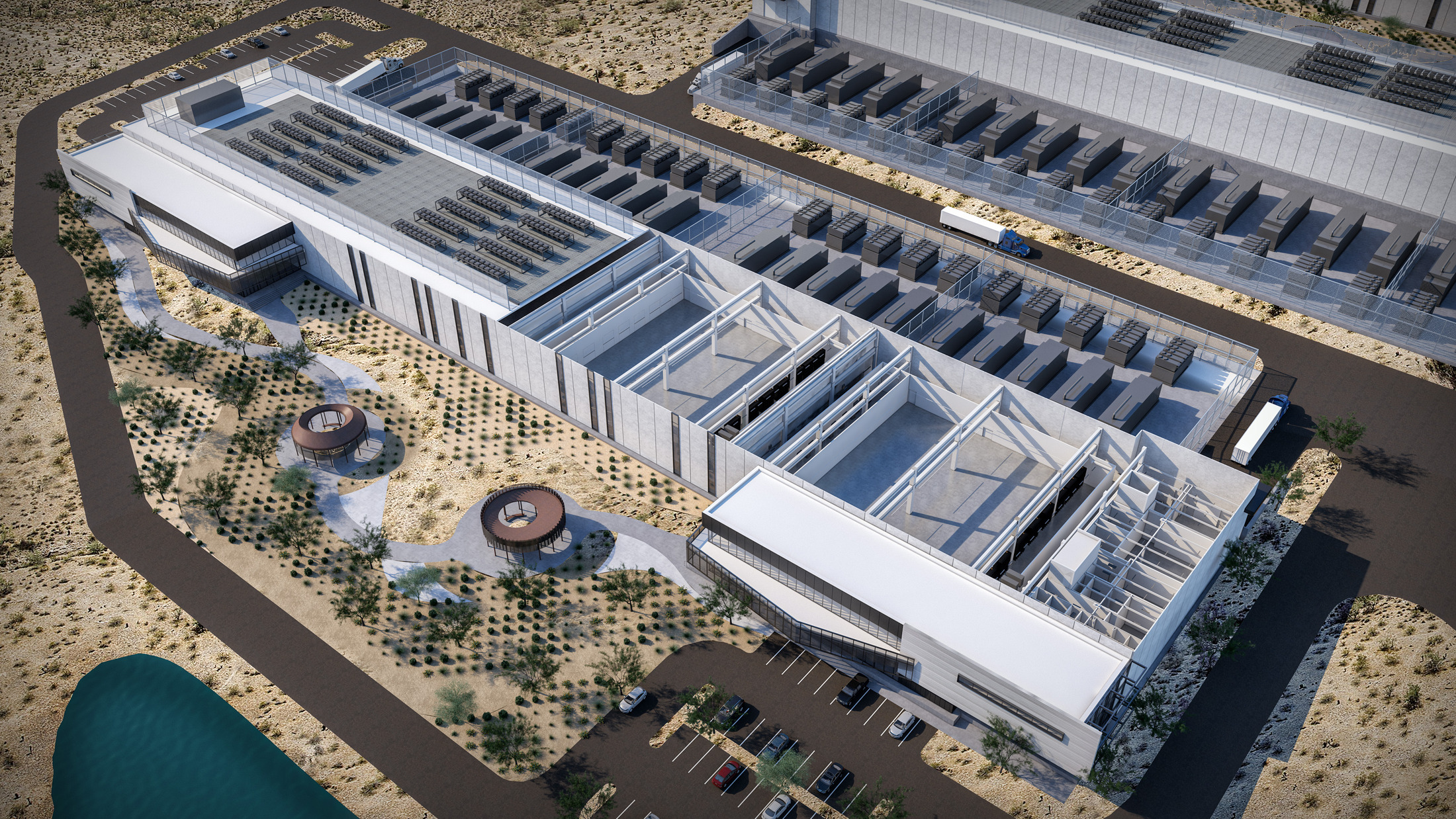
Modern data centers are the largest single units of computing we’ve built.
A hyperscale data center like Meta’s Hyperion in Louisiana spans over 4 million square feet.
Power draw: 100–500 megawatts, enough to power a small city.
Contains hundreds of thousands of servers, GPUs, and storage racks.
2. Network of Data Centers: Planetary Compute Grid
The next logical scale is a global network of data centers, like:
Google Cloud, AWS, and Microsoft Azure’s distributed architecture.
The global AI supergrid being envisioned to train next-gen models.
These function as cooperative mega-computers, using load balancing, distributed processing, and redundancy.
They form an embryonic Planetary Computer—a system where storage, compute, and inference occur dynamically across continents.
3. Bigger Still: Earth-as-Computer
Think of the entire planet as a computer:
Every device, sensor, and node as part of a neural mesh.
Projects like Microsoft’s Planetary Computer, Earth-2 by NVIDIA, and large-scale digital twins are prototypes of this vision.
Future satellites, drones, undersea cables, quantum links, and mobile edge compute may enable real-time global consciousness, especially for climate, trade, and AI inference.
4. Cosmic-Scale Computing (Far Future)
Dyson Sphere-style structures to harness a star’s power for computation.
Matrioshka Brains—nested shells of computation around a star.
Computing structures embedded in asteroids, moons, or exoplanets.
Interstellar computing using light, neutrinos, or quantum entanglement to communicate between far-flung nodes.
How Small Can a Computer Get?
1. Microcontrollers and Edge Devices
Your smart toothbrush might contain a 32-bit MCU smaller than a fingernail.
Energy-efficient, domain-specific, and increasingly AI-capable.
2. Smart Dust
Millimeter-scale, wirelessly-networked particles that can sense, process, and communicate.
Could be used in military surveillance, environmental monitoring, or even internal medicine.
IBM and DARPA are investing in research toward swarms of “computational motes.”
3. Nano and Molecular Computing
Using carbon nanotubes, molecular switches, or even DNA strands to compute.
In 2021, scientists used DNA to solve mathematical problems.
Size: As small as 10 nanometers across—smaller than most viruses.
4. Quantum Dots and Atom-Scale Transistors
Experiments with 1-atom transistors and quantum dots push the limit.
IBM and Intel are working on 2-nanometer chip fabrication.
Theoretically, computation could occur at the Planck scale—where spacetime itself becomes granular.
Visualizing the Spectrum
Here's a rough visualization of the computing size spectrum:
+---------------------------+---------------------------------------------+
| Scale                    | Example                                      |
+---------------------------+---------------------------------------------+
| Planck-scale             | Theoretical limit (quantum gravity frontier)|
| Atomic-scale             | Atom-based quantum computers                 |
| Molecular-scale          | DNA computing, synthetic bio-processors     |
| Nanotech (10^-9 m)       | Nanobots, carbon nanotube processors         |
| Micro-scale (10^-6 m)    | Smart dust, implantable chips                |
| Chip-scale (cm)          | CPUs, GPUs, mobile SoCs                      |
| Device-scale (10s cm)    | Laptops, IoT devices                         |
| Rack-scale               | Server racks, storage arrays                 |
| Room-scale               | Small data centers, HPC clusters            |
| Building-scale           | Corporate data centers                       |
| City-scale               | Hyperscale facilities like Meta Hyperion    |
| Nation-scale             | National supercomputing programs            |
| Global-scale             | Interconnected cloud networks                |
| Planetary-scale          | Earth as a thinking system                   |
| Stellar-scale            | Dyson Spheres, Matrioshka Brains (theory)   |
| Cosmic-scale             | Universe-wide or interstellar computation   |
+---------------------------+---------------------------------------------+
The Future of Scale: What Comes Next?
Near Future (5–15 years):
AI Hubs with co-located nuclear energy for green AI supercomputing.
Edge-to-core intelligence: billions of small AI devices networked together (think autonomous vehicles, drones, glasses).
Smart fabrics, wearable processors, and brain-computer interfaces.
DNA storage: replacing data centers with vials of encoded DNA.
Federated intelligence: millions of local models collaborating without centralization.
Mid-Term (15–50 years):
Neuromorphic computing becomes mainstream—machines that think more like the brain.
Global brain-style cognition: combining all human and machine cognition into a single interface.
AI-managed infrastructure, designing and building its own upgrades.
Mass-scale, AI-first urban planning using simulation twins and predictive compute.
Far Future (50–500 years):
Space-based computation to escape Earth’s heat and energy limits.
Synthetic planetary consciousness—fully digitized environments that simulate or even replace reality.
Post-biological civilization: computing becomes the substrate of existence.
Cosmic communication networks, possibly tapping into quantum fabric or wormholes.
Computronium: matter converted entirely into computing substrate, forming intelligent stars, planets, or megastructures.
Conclusion: The Stretch and Compression of Intelligence
Computing isn’t just getting faster—it’s stretching across all scales of existence. On one end, we are miniaturizing computers to nearly invisible sizes, merging them into flesh, nature, and fabric. On the other, we are scaling them into continental brains and planetary simulators. The boundaries between hardware and environment, software and biology, human and machine are dissolving.
We live in the century where computation becomes not just a tool—but the medium of reality. It’s a new physics, a new biology, and a new metaphysics.
In the near future, we may carry a billion tiny computers in our bodies while being plugged into a planetary AI that learns from us in real time. In the far future, the line between “the computer” and “the universe” may no longer exist.
What’s next? Maybe the biggest computer won’t be a thing we build—but the thing we become.
क्वांटम कणों से ग्रह-स्तरीय मस्तिष्क तक: कंप्यूटिंग का पूरा स्पेक्ट्रम और भविष्य की झलक
परिचय: परमाणुओं से शहरों तक
कंप्यूटर हमारी आधुनिक सभ्यता की नसों की तरह हैं। आपकी स्मार्टवॉच के अदृश्य चिप्स से लेकर आर्टिफिशियल इंटेलिजेंस को शक्ति देने वाले शहर-आकार के डेटा सेंटर्स तक, कंप्यूटिंग का आकार अद्भुत रूप से विस्तृत है। लेकिन एक कंप्यूटर कितना बड़ा हो सकता है? और कितना छोटा? और जब हम सीमा से आगे जाते हैं तो क्या संभावनाएँ होती हैं?
यह ब्लॉग पोस्ट कंप्यूटिंग के पूरे स्पेक्ट्रम की खोज करती है—सूक्ष्म से लेकर ग्रह-स्तरीय तक—और भविष्य की संभावनाओं पर प्रकाश डालती है: जब हम कंप्यूटर को परमाणु स्तर तक छोटा करते हैं या ब्रह्मांडीय स्तर तक फैलाते हैं।
कंप्यूटर कितना बड़ा हो सकता है?
1. डेटा सेंटर: वर्तमान की सबसे बड़ी इकाई
आधुनिक डेटा सेंटर आज की सबसे बड़ी कंप्यूटिंग इकाइयाँ हैं।
उदाहरण: मेटा का हाइपरियन डेटा सेंटर (लुइज़ियाना) — 4 मिलियन वर्ग फीट से अधिक।
बिजली खपत: 100–500 मेगावॉट — एक छोटे शहर के बराबर।
इसमें लाखों सर्वर, जीपीयू, और स्टोरेज सिस्टम शामिल होते हैं।
2. डेटा सेंटर्स का नेटवर्क: वैश्विक सुपरकंप्यूटर
अगला स्तर है — डेटा सेंटर्स का वैश्विक नेटवर्क, जैसे:
AWS, Azure, Google Cloud
यह एक सहयोगात्मक मेगा-कंप्यूटर की तरह कार्य करता है।
यह बनता जा रहा है एक पृथ्वी-स्तरीय कंप्यूटर, जो वास्तविक समय में वैश्विक प्रक्रियाओं का विश्लेषण कर सकता है।
3. पूरी पृथ्वी एक कंप्यूटर
कल्पना करें पूरी पृथ्वी एक सोचने वाली प्रणाली बन जाए:
हर सेंसर, डिवाइस, उपग्रह एक तंत्रिका नेटवर्क का हिस्सा हो।
माइक्रोसॉफ्ट का Planetary Computer, NVIDIA का Earth-2 — इस दिशा में पहलें।
इसका उपयोग जलवायु परिवर्तन, आपूर्ति श्रृंखलाओं, और वैश्विक एआई के लिए हो सकता है।
4. ब्रह्मांडीय स्तर की कंप्यूटिंग (दूर भविष्य)
Dyson Sphere जैसी संरचनाएँ जो पूरे सितारे की ऊर्जा से कंप्यूट करें।
Matrioshka Brain — तारा के चारों ओर परतों में कंप्यूटिंग।
ग्रहों, उपग्रहों या क्षुद्रग्रहों में डाले गए कंप्यूटिंग सिस्टम।
इंटरस्टेलर कंप्यूटिंग — प्रकाश, न्यूट्रिनो या क्वांटम एंटैंगलमेंट से डेटा भेजना।
कंप्यूटर कितना छोटा हो सकता है?
1. माइक्रोकंट्रोलर और एज डिवाइस
स्मार्ट घड़ियाँ, होम डिवाइस — सब में छोटे माइक्रोकंट्रोलर यूनिट (MCU) होते हैं।
आकार: एक सिक्के से भी छोटा।
2. स्मार्ट डस्ट
मिलीमीटर-आकार के कंप्यूटर जो हवा में उड़ सकते हैं, डेटा इकट्ठा कर सकते हैं।
प्रयोग: सैन्य निगरानी, कृषि, और जैविक अनुप्रयोग।
3. नैनो और आणविक कंप्यूटिंग
डीएनए कंप्यूटिंग, कार्बन नैनोट्यूब, मॉलिक्यूलर स्विच — बेहद छोटे स्तर पर।
प्रयोग: गणितीय समस्याओं को हल करने में डीएनए का उपयोग।
4. क्वांटम डॉट्स और परमाणु-स्तरीय ट्रांजिस्टर
एकल परमाणु ट्रांजिस्टर — IBM और Intel जैसी कंपनियाँ इस पर शोध कर रही हैं।
2-नैनोमीटर चिप्स व्यावसायिक स्तर पर आने लगे हैं।
कंप्यूटिंग स्केल का पूरा स्पेक्ट्रम (विज़ुअल टेबल)
पैमाना
उदाहरण
प्लैंक स्तर
सैद्धांतिक सीमा (क्वांटम गुरुत्वाकर्षण)
परमाणु स्तर
क्वांटम कंप्यूटर में उपयोग
आणविक स्तर
डीएनए कंप्यूटिंग
नैनो स्तर (10^-9 मीटर)
नैनोबॉट्स, कार्बन नैनोट्यूब प्रोसेसर
माइक्रो स्तर (10^-6 मीटर)
स्मार्ट डस्ट, जैविक इम्प्लांट चिप्स
चिप स्तर (सेंटीमीटर)
CPU, GPU, मोबाइल प्रोसेसर
डिवाइस स्तर
लैपटॉप, IoT डिवाइस
रैक स्तर
सर्वर रैक, डाटा स्टोरेज यूनिट
रूम स्तर
हाई परफॉर्मेंस क्लस्टर
बिल्डिंग स्तर
कॉर्पोरेट डेटा सेंटर्स
शहर स्तर
हाइपरस्केल डेटा सेंटर्स
राष्ट्रीय स्तर
राष्ट्रीय सुपरकंप्यूटर परियोजनाएँ
वैश्विक स्तर
अंतरराष्ट्रीय क्लाउड नेटवर्क
ग्रह स्तर
पृथ्वी एक कंप्यूटर के रूप में
तारकीय स्तर
डाइसन स्फीयर, मैट्रियोश्का ब्रेन (सिद्धांत)
ब्रह्मांडीय स्तर
इंटरस्टेलर या कॉस्मिक कंप्यूटिंग
भविष्य: अब से आगे क्या?
निकट भविष्य (5–15 वर्ष)
AI सुपरहब — ऊर्जा कुशल डेटा सेंटर्स, नाभिकीय ऊर्जा आधारित।
एज-टू-क्लाउड नेटवर्किंग — हर वाहन, डिवाइस, चश्मा, और सेंसर एक नेटवर्क में।
न्यूरोमॉर्फिक कंप्यूटिंग — मस्तिष्क जैसे सोचने वाले कंप्यूटर।
वैश्विक मस्तिष्क — इंसान और मशीन की सम्मिलित बुद्धि।
क्वांटम इम्प्लांट्स — मनुष्य और कंप्यूटर का संयोजन।
AI द्वारा डिजाइन किए गए शहर और इंफ्रास्ट्रक्चर।
दूर भविष्य (50–500 वर्ष)
स्पेस-बेस्ड कंप्यूटिंग — पृथ्वी की सीमाओं से बाहर।
डिजिटल ग्रह चेतना — वर्चुअल वास्तविकता में पूरी सभ्यता।
मशीन-आधारित जीवन — जैविक शरीर की आवश्यकता समाप्त।
कॉस्मिक नेटवर्क — इंटरस्टेलर संपर्क और सहयोग।
Computronium — पूरी तरह से कंप्यूटिंग में बदला गया पदार्थ।
निष्कर्ष: बुद्धिमत्ता की खिंचाव और संकुचन
कंप्यूटिंग सिर्फ तेज़ नहीं हो रही, बल्कि हर पैमाने पर फैल रही है। एक तरफ हम कंप्यूटर को इतना छोटा बना रहे हैं कि वो हमारे शरीर का हिस्सा बन जाएँ, और दूसरी तरफ हम उन्हें पूरी पृथ्वी के बराबर बना रहे हैं।
यह वह सदी है जब कंप्यूटिंग सिर्फ एक उपकरण नहीं, बल्कि वास्तविकता का माध्यम बन जाएगी — एक नया भौतिकी, एक नई जीवविज्ञान, और एक नई दार्शनिकता।
निकट भविष्य में, हम एक ही समय में अपने शरीर में अरबों छोटे कंप्यूटर लिए घूमेंगे और एक वैश्विक एआई में जुड़ेंगे। दूर भविष्य में, शायद "कंप्यूटर" और "ब्रह्मांड" में कोई अंतर नहीं रहेगा।
शायद सबसे बड़ा कंप्यूटर वो नहीं होगा जो हम बनाएंगे — बल्कि वो होगा जो हम स्वयं बनेंगे।






:max_bytes(150000):strip_icc()/terms_s_stablecoin_FINAL-89e1671b1f24486b84b74cebe6836573.jpg)