Spies, Shadows, and Secrets: A Deep Dive into the CIA, MI6, MSS, Mossad, and RAW
Introduction: A World of Intelligence Without the CIA?
For much of its early history, the United States operated without a centralized foreign intelligence agency like the CIA. From the founding of the republic in 1776 until the Cold War in the mid-20th century, American intelligence was conducted in an ad hoc, decentralized, and largely military-focused manner. So the question arises: Did the U.S. simply not do intelligence until 1947?
Not quite. The U.S. has a rich, though fragmented, intelligence history:
During the Revolutionary War, George Washington personally managed spy rings like the Culper Ring, employing coded letters and invisible ink.
In the 19th century, during conflicts like the Civil War, intelligence units were formed temporarily for military purposes, such as the Bureau of Military Information (1863).
The Office of Naval Intelligence (ONI) (1882) and Military Intelligence Division (MID) (1885) became the U.S.’s first permanent military intelligence organizations.
In World War I and II, these efforts expanded, but the U.S. still lacked a centralized agency.
That changed in 1942 with the creation of the Office of Strategic Services (OSS) — the predecessor of the CIA. After WWII, the OSS was disbanded, but the need for a peacetime intelligence service became clear in the Cold War context.
Founding Dates: Who Came First?
Agency
Country
Founded
MI6
United Kingdom
1909
FBI
United States
1908 (domestic)
CIA
United States
1947
Mossad
Israel
1949
MSS
China
1983
RAW
India
1968
The FBI, though founded in 1908, is focused on domestic law enforcement and counterintelligence.
The CIA, established in 1947, finally centralized U.S. foreign intelligence.
RAW was created in 1968 after India’s setbacks in the 1962 war with China and the 1965 war with Pakistan, when it became clear the Intelligence Bureau (IB) was not equipped for external threats.
Mossad (1949) and MSS (1983) reflect post-WWII and post-Mao evolutions in Israeli and Chinese security structures, respectively.
Global Comparison: The Big Five
Let’s now compare the CIA, MI6, MSS, Mossad, and RAW across budget, reach, performance, and partnerships.
1. Budget and Scale
Agency
Estimated Annual Budget
CIA
$15–20 billion
MSS
$10–15 billion (est.)
MI6
~$3.5 billion
Mossad
~$3 billion
RAW
$1.5–2.5 billion (est.)
The CIA has by far the largest budget, reflecting America's global ambitions.
MSS is opaque but massive, likely the second largest given China’s cyber-intelligence growth.
Mossad is lean but extremely efficient.
RAW is on the rise, with expanding allocations post-2008.
2. Scope and Global Footprint
Agency
Primary Operational Zones
CIA
Global, presence in 120+ countries
MSS
China, diaspora networks, U.S., EU
MI6
Global, with emphasis on Europe, Russia, and the Middle East
Mossad
Primarily Middle East, but operational globally
RAW
South Asia-focused, now expanding into Gulf, Africa, and Southeast Asia
CIA has the deepest global network, aided by embassies and alliances.
MSS is feared for industrial espionage and cyber infiltration.
MI6 often operates in sync with the CIA, leveraging British diplomacy.
Mossad thrives on surgical precision, even in high-risk regions like Iran and Syria.
RAW is gaining ground globally, especially through partnerships with Mossad and CIA.
3. Strengths by Capability
Agency
Signature Strengths
CIA
Satellite surveillance, cyber-intelligence, global drone warfare
Mossad is widely considered the most efficient intelligence agency:
Executed assassinations of Iranian nuclear scientists under extreme surveillance.
Infiltrated ISIS cells, often gathering intel before even Western agencies.
Operates in total secrecy with low political drag, allowing quick, surgical decisions.
Verdict: Mossad is #1 in efficiency (output per dollar), even if not in raw power.
5. RAW and the CIA: Friends in the Indo-Pacific
The RAW–CIA relationship has matured significantly in the 21st century:
Post–9/11 and 26/11 Mumbai attacks brought tighter collaboration.
The rise of China and Indo-Pacific realignments made India a strategic partner.
RAW and CIA share intelligence on:
Terrorism
Chinese military activity
Pakistan’s ISI and terror networks
Maritime surveillance
RAW also works closely with Mossad, especially in tech transfer, counter-terrorism, and joint training.
6. RAW in 2025: Where Does It Stand?
Strengths:
Highly effective in South Asia, especially Pakistan, Nepal, Bhutan.
Played a key role in:
Doklam standoff (2017)
Balakot airstrikes (2019)
Post-Galwan China strategy (2020)
Growing influence in cyber and satellite intelligence.
Challenges:
Lacks formal oversight (no legislative scrutiny).
Needs stronger offensive cyber capabilities and integration with India’s tech ecosystem.
Must expand linguistic/cultural training for operatives in Africa and Europe.
Today, RAW is considered among the top 5 agencies globally, with a growing global presence and respect from CIA and Mossad.
7. Final Ranking (Subjective but Strategic)
Rank
Agency
Why?
🥇 1
CIA
Tech supremacy, global depth, largest budget
🥈 2
Mossad
Most efficient, legendary field work
🥉 3
MSS
Rapidly rising, strong cyber capabilities
4
RAW
Master of South Asia, expanding globally
5
MI6
Elite, traditional, but downsized
Conclusion: A Multipolar Spy World
From colonial agents to Cold War spymasters, from assassins to cyber warriors — the world of intelligence has changed dramatically. The CIA leads in size and scope, but Mossad wins on precision. China’s MSS is rapidly expanding into the digital battlefield, while India’s RAW has emerged as a formidable force, especially in South Asia and the Indo-Pacific. MI6 continues to serve Britain’s global interests, though increasingly through partnerships.
We now live in a multipolar intelligence world, where alliances like CIA–RAW–Mossad shape one axis, and MSS presents a parallel challenger in the east. In this chessboard of shadows, each agency plays a distinct game — but the stakes remain the same: power, security, and the future of nations.
जासूसी की दुनिया: CIA, MI6, MSS, Mossad और RAW की गहराई से तुलना
परिचय: क्या CIA के बिना अमेरिका खुफिया कार्य करता था?
अमेरिका ने अपनी प्रारंभिक इतिहास का एक बड़ा हिस्सा बिना किसी केंद्रीकृत विदेशी खुफिया एजेंसी के बिताया। 1776 में स्वतंत्रता से लेकर 1947 तक, अमेरिकी खुफिया तंत्र विखंडित, अस्थायी और सैन्य-आधारित था। तो सवाल उठता है — क्या अमेरिका खुफिया कार्य करता ही नहीं था?
असल में, अमेरिका की खुफिया गतिविधियाँ बहुत पुरानी हैं:
स्वतंत्रता संग्राम के दौरान, जॉर्ज वाशिंगटन ने Culper Ring जैसे जासूसी नेटवर्क स्वयं चलाए, जिनमें गुप्त स्याही और कोड का प्रयोग होता था।
19वीं सदी में, जैसे कि गृह युद्ध के समय, सैन्य खुफिया इकाइयाँ बनाई गईं जैसे Bureau of Military Information (1863)।
1882 में ONI (Office of Naval Intelligence) और 1885 में MID (Military Intelligence Division) की स्थापना हुई।
प्रथम और द्वितीय विश्व युद्ध के समय, प्रयासों में विस्तार हुआ लेकिन कोई केंद्रीकृत एजेंसी नहीं थी।
यह स्थिति 1942 में OSS (Office of Strategic Services) बनने से बदली — यह बाद में CIA में तब्दील हुई। WWII के बाद, OSS को समाप्त कर दिया गया, लेकिन जल्द ही यह स्पष्ट हो गया कि शांति के समय में भी एक स्थायी विदेशी खुफिया एजेंसी की आवश्यकता है।
स्थापना की तिथियाँ: किसकी शुरुआत पहले हुई?
एजेंसी
देश
स्थापना
MI6
यूनाइटेड किंगडम
1909
FBI
अमेरिका
1908 (घरेलू)
CIA
अमेरिका
1947
Mossad
इज़राइल
1949
MSS
चीन
1983
RAW
भारत
1968
FBI, 1908 में बनी, मुख्यतः घरेलू मामलों और आतंकवाद विरोध पर केंद्रित है।
CIA, 1947 में बनी, अमेरिका की पहली केंद्रीकृत विदेशी खुफिया एजेंसी है।
RAW का गठन 1968 में हुआ, 1962 के चीन युद्ध और 1965 के पाकिस्तान युद्ध के बाद।
Mossad (1949) और MSS (1983) क्रमशः इज़राइली और चीनी सुरक्षा ढांचों के विकास को दर्शाते हैं।
दुनिया की शीर्ष खुफिया एजेंसियों की तुलना
अब हम CIA, MI6, MSS, Mossad और RAW की तुलना करेंगे—बजट, पहुंच, क्षमताओं और साझेदारी के आधार पर।
1. बजट और आकार
एजेंसी
अनुमानित वार्षिक बजट (USD में)
CIA
$15–20 बिलियन
MSS
$10–15 बिलियन (अनुमानित)
MI6
~$3.5 बिलियन
Mossad
~$3 बिलियन
RAW
$1.5–2.5 बिलियन (अनुमानित)
CIA का बजट सबसे बड़ा है। MSS भी तेजी से बढ़ रही है, विशेषकर साइबर खुफिया में। Mossad और RAW तुलनात्मक रूप से छोटे हैं, लेकिन अपने क्षेत्रों में अत्यंत प्रभावी हैं।
2. कार्यक्षेत्र और वैश्विक उपस्थिति
एजेंसी
मुख्य कार्यक्षेत्र
CIA
वैश्विक, 120+ देशों में सक्रिय
MSS
चीन, प्रवासी नेटवर्क, अमेरिका, यूरोप
MI6
वैश्विक, विशेषकर यूरोप, रूस, मध्य पूर्व
Mossad
मुख्यतः मध्य पूर्व, लेकिन वैश्विक पहुंच
RAW
दक्षिण एशिया, अब खाड़ी, अफ्रीका, दक्षिण-पूर्व एशिया में विस्तार
CIA सबसे गहरी वैश्विक पहुँच रखती है। Mossad सीमित संसाधनों में विश्वस्तरीय कार्य करता है। RAW अब भारत के बाहर भी धीरे-धीरे सक्रिय हो रहा है।
3. विशेषज्ञता और क्षमताएँ
एजेंसी
मुख्य ताकत
CIA
टेक्नोलॉजी, ड्रोन, साइबर, उपग्रह
MSS
साइबर जासूसी, औद्योगिक गुप्तचरी
MI6
मानव गुप्तचरी (HUMINT), कूटनीति
Mossad
हत्या अभियान, आतंकवाद में घुसपैठ
RAW
पाकिस्तान-चीन में गहरी पहुँच, क्षेत्रीय जानकारी
4. संसाधन बनाम परिणाम: क्या Mossad सबसे प्रभावी है?
बहुत से विशेषज्ञ Mossad को दुनिया की सबसे कुशल खुफिया एजेंसी मानते हैं:
ईरान के परमाणु वैज्ञानिकों की हत्याएं इसकी सटीकता दिखाती हैं।
ISIS में घुसपैठ, कई बार CIA से पहले जानकारी।
सीमित बजट में उच्च-प्रभावकारी कार्य।
निष्कर्ष: प्रभावशीलता (Efficiency) के लिहाज से Mossad नंबर 1 है।
5. RAW और CIA: एक रणनीतिक साझेदारी
RAW और CIA के बीच 21वीं सदी में साझेदारी गहराई है:
9/11 और 26/11 के बाद संबंध मजबूत हुए।
चीन के उदय और इंडो-पैसिफिक रणनीति में भारत की भूमिका से संबंध और मजबूत हुए।
साझा विषय:
आतंकवाद
चीन की सैन्य गतिविधियाँ
पाकिस्तान की ISI और आतंकी नेटवर्क
समुद्री निगरानी
RAW की Mossad से भी गहरी साझेदारी है, विशेषकर तकनीकी सहायता और संयुक्त अभियान में।
6. RAW आज कहाँ खड़ा है?
ताकत:
पाकिस्तान, नेपाल, भूटान में गहरी जासूसी पहुँच।
डोकलाम (2017), बालाकोट (2019), गालवान (2020) जैसे घटनाओं में भूमिका।
साइबर और उपग्रह क्षमता में प्रगति।
चुनौतियाँ:
संवैधानिक निगरानी का अभाव (CIA या MI6 की तरह नहीं)।
साइबर और AI में अभी और प्रगति की आवश्यकता।
अफ्रीका और यूरोप में सांस्कृतिक/भाषायी प्रशिक्षण की कमी।
आज RAW दुनिया की शीर्ष 5 खुफिया एजेंसियों में गिनी जाती है।
7. अंतिम रैंकिंग (विश्लेषणात्मक रूप से)
स्थान
एजेंसी
कारण
🥇 1
CIA
टेक्नोलॉजी, बजट, वैश्विक रणनीति
🥈 2
Mossad
सटीकता, तेज़ निर्णय, उच्च प्रभाव
🥉 3
MSS
साइबर युद्ध, वैश्विक महत्वाकांक्षा
4
RAW
दक्षिण एशिया में प्रभुत्व, वैश्विक विस्तार
5
MI6
पारंपरिक शक्ति, लेकिन सीमित बजट
निष्कर्ष: एक बहुध्रुवीय खुफिया युग
अब हम एक बहुध्रुवीय जासूसी युग में जी रहे हैं।
CIA शक्ति और संसाधनों में शीर्ष पर है।
Mossad कम संसाधनों में अद्भुत परिणाम देता है।
MSS एक डिजिटल और साइबर सुपरपावर बन रहा है।
RAW अब एक वैश्विक ताकत के रूप में उभर रहा है, जिसकी क्षेत्रीय विशेषज्ञता बेजोड़ है।
MI6, यद्यपि पुराना और कुशल, अब साझेदारी पर अधिक निर्भर है।
इन एजेंसियों का खेल — भले ही चुपचाप चले — लेकिन दुनिया की शक्ति संरचना को आकार देता है।
Multiple Lenses on the Russia-Ukraine War: Power, Ideology, and the Elusive Road to Peace
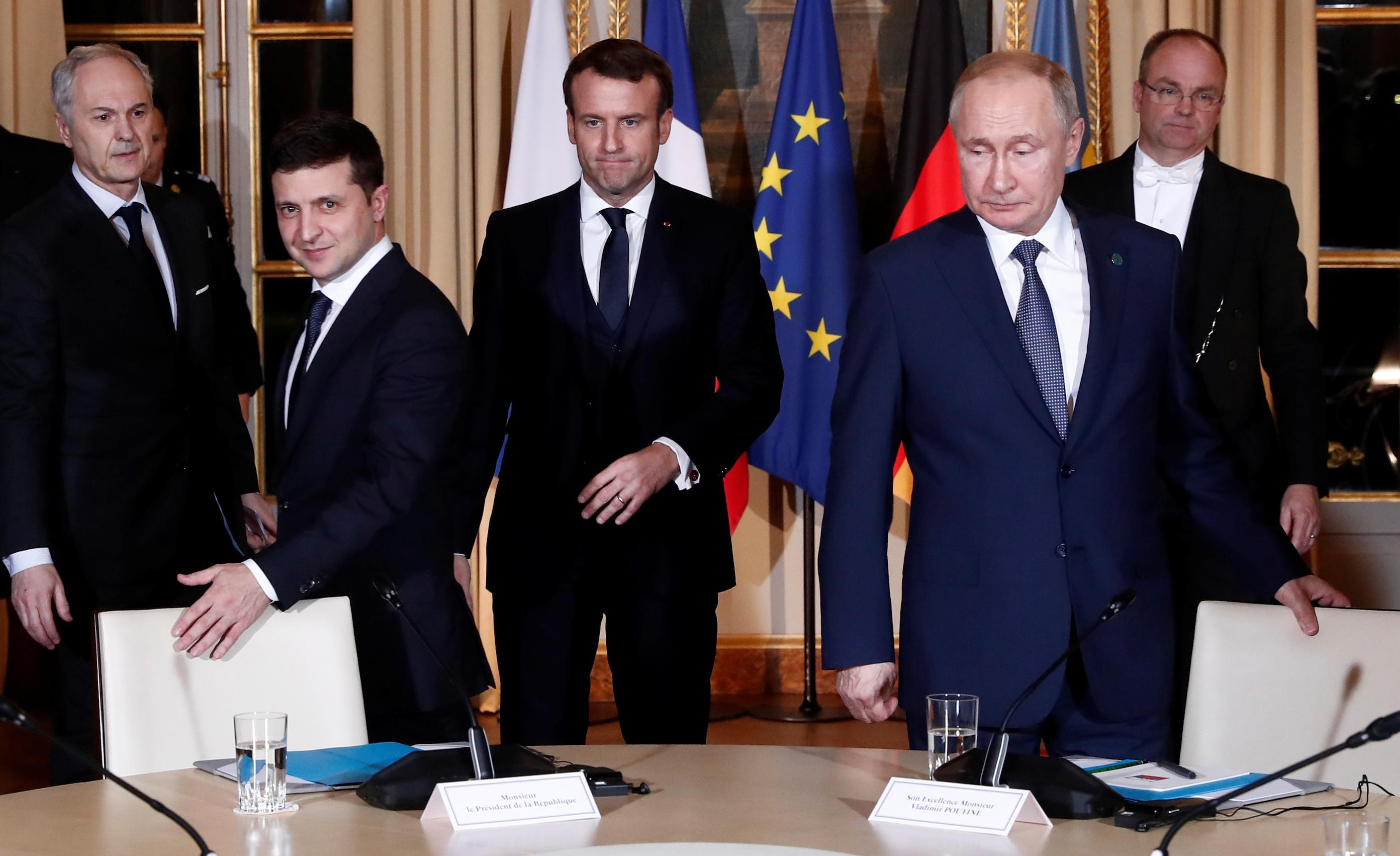
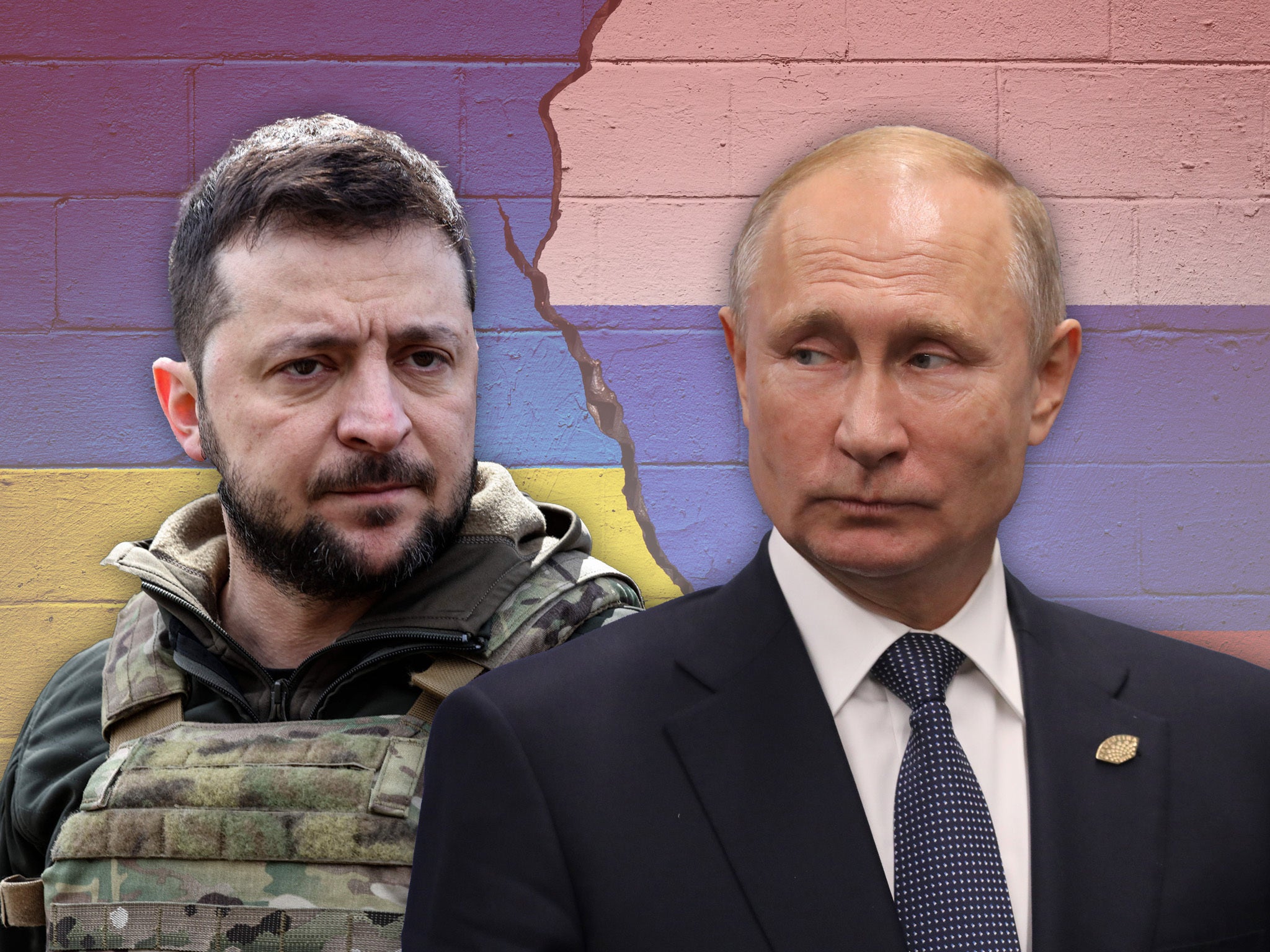
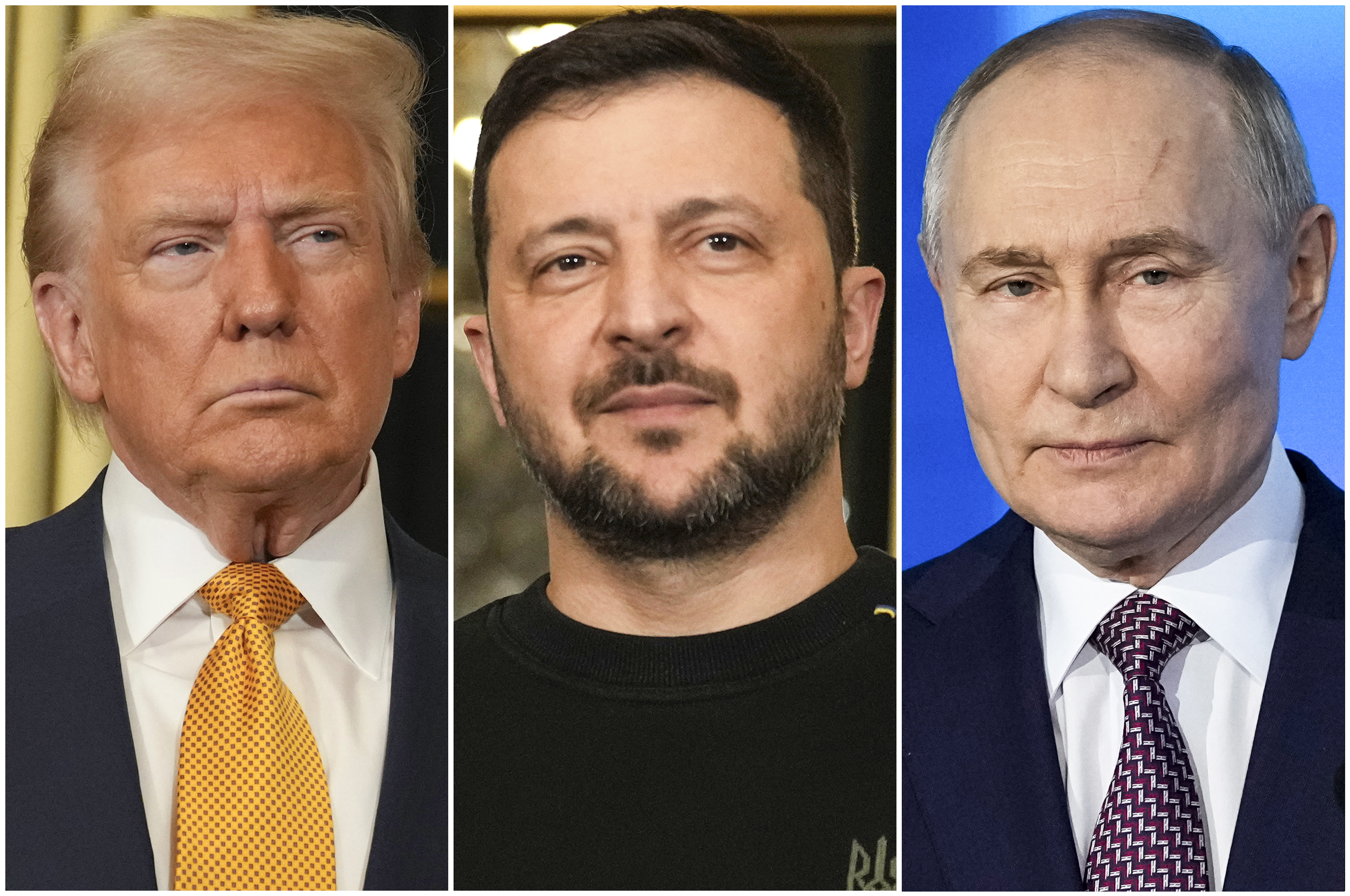
The Russia-Ukraine war is one of the most consequential and multi-layered conflicts of the 21st century. At its surface, it appears to be a territorial invasion by a larger state against a smaller neighbor. But beneath the headlines lie a range of historical, ideological, geopolitical, and psychological dimensions. This is not just about tanks and trenches — it is a conflict that echoes through the halls of empires, democracy movements, and post-colonial reckonings.
Let’s unpack several distinct — yet interconnected — ways to understand the war and its broader implications.
1. Big Powers vs. Small States: Russia’s Monroe Doctrine?
One way to understand Russia’s aggression is through the lens of great power behavior. Vladimir Putin, in asserting that Ukraine should not fall under Western influence or join NATO, is essentially reviving a Russian version of the Monroe Doctrine — the 19th-century U.S. policy that warned European powers to stay out of the Americas.
From this view, Russia is acting not necessarily out of insecurity, but out of hegemonic instinct. It sees Ukraine not as a sovereign country making sovereign decisions, but as a zone of strategic interest, a buffer that must remain under Moscow’s sway.
But the flaw in this argument is exposed by Eastern Europe's voluntary embrace of NATO. Countries like Poland, Latvia, Lithuania, and Romania wanted to join the alliance — and paid a high price in terms of domestic reforms to do so. These are not puppet states manipulated by Washington; they are nations fleeing the legacy of Soviet domination.
2. Democracy vs. Autocracy: A Global Proxy Battle
Another powerful framing is ideological: this is a war between autocracy and democracy.
Ukraine represents more than just a state on the map — it’s an experiment in democratic development on Russia’s doorstep. A thriving, Western-aligned Ukraine sends a dangerous message to the Russian people: you too could be free.
There’s a reason there’s no Navalny in Estonia or Poland — because those nations, despite their struggles, have functioning democracies and rule of law. But Russia, like Saddam’s Iraq, relies on manufactured external enemies to maintain internal control. Dictatorships often need war or threats of war to justify authoritarian rule, censorship, and domestic repression.
Putin’s regime is no exception. The war sustains the myth of a besieged Russia encircled by hostile NATO forces and moral decay. Ending the war without losing face is not just a matter of diplomacy — it’s existential for the regime’s survival.
3. NATO Expansion: Demand-Driven, Not Imposed
Western critics often cite NATO’s expansion as a provocation. But this interpretation flips cause and effect. NATO didn’t expand because it wanted to “surround” Russia — it expanded because countries formerly dominated by Moscow clamored to join.
They did so because of legitimate fears about Russian revanchism, which have now proven entirely justified. Ukraine’s desire to align with the EU and NATO is not a conspiracy — it is a sovereign choice grounded in the national will.
4. The West’s Hypocrisy in Africa: France the Colonialist, Russia the Liberator?
While the West often frames itself as the defender of democracy, this narrative falters in other parts of the world — especially in West Africa. France’s neocolonial entanglements and economic dominance in former colonies have bred resentment, especially among the youth.
Enter Russia, not with ideals of democracy, but with anti-colonial rhetoric. Wagner mercenaries in Mali and Burkina Faso have positioned Moscow as the new liberator, exploiting the vacuum left by discredited Western influence. This contradiction exposes a truth: democracy and colonialism cannot coexist, and Western policy often fails to uphold its own professed values.
This undermines the West’s moral credibility and hands propaganda victories to Putin on a global scale.
5. The Limits of War: Why the Conflict Is So Hard to Resolve
This war is difficult to end because it's not just a war over territory — it’s a war over systems of governance and legitimacy.
Putin cannot afford to lose. A military defeat could spell political collapse. And yet, the West and Ukraine cannot allow a precedent to be set where aggression and occupation are rewarded. This impasse creates a deadly stalemate.
Further complicating matters, Putin’s methods — from poisoning opponents to assassinating ministers in parking lots — show the ruthlessness with which he consolidates power. For such a leader, peace is a threat, not a goal.
6. Toward a Political Solution: The Case for a Peace Formula
Military options are running thin. Sanctions have weakened Russia but failed to halt the war. Western military aid to Ukraine has enabled resistance but not victory. The “ceasefire-first” model — tried in 2014 and 2015 — has only led to frozen conflicts that later reignited.
A realistic peace formula must acknowledge that regime change in Moscow is not a viable strategy. Instead, it must pursue:
Security guarantees for Ukraine, possibly outside of NATO.
Withdrawal of Russian forces from occupied territories.
Phased sanctions relief tied to compliance.
An international security conference, with both Western and non-Western actors involved.
The book Formula for Peace in Ukraine lays out such a framework. It avoids the utopianism of total Russian democratization while not rewarding aggression. A YouTube presentation of the same name makes the case in more accessible form.
Conclusion: Multiple Truths, One Urgent Goal
The Russia-Ukraine war is not a puzzle with a single solution. It is a web of narratives — imperial legacies, ideological clashes, domestic survival strategies, and global hypocrisy. Recognizing this complexity is the first step toward crafting a durable peace.
But peace will not come from tanks or speeches alone. It will require moral clarity, political courage, and strategic creativity from leaders in Kyiv, Moscow, Washington, and beyond.
History is watching. Let it not be said that we were too narrow in our thinking, too divided in our action, or too late in our response. The world needs a roadmap — not for victory, but for peace with justice.
रूस-यूक्रेन युद्ध के अनेक दृष्टिकोण: शक्ति, विचारधारा और शांति का कठिन रास्ता
रूस-यूक्रेन युद्ध 21वीं सदी के सबसे जटिल और महत्वपूर्ण संघर्षों में से एक है। सतह पर यह एक बड़े देश द्वारा छोटे पड़ोसी पर आक्रमण जैसा लगता है, लेकिन इसके नीचे इतिहास, विचारधारा, भू-राजनीति और सत्ता-राजनीति की कई परतें हैं। यह केवल टैंकों और लड़ाइयों की कहानी नहीं है — यह साम्राज्यों, लोकतंत्र आंदोलनों और उपनिवेशवाद के बाद की राजनीति की भी गूंज है।
आइए इस संघर्ष को समझने के कुछ मुख्य तरीकों को विस्तार से देखें।
1. बड़ी ताकतें बनाम छोटे राष्ट्र: रूस का मॉनरो सिद्धांत?
रूस की आक्रामकता को एक महाशक्ति के व्यवहार के रूप में देखा जा सकता है। व्लादिमीर पुतिन का यह दावा कि यूक्रेन को पश्चिमी प्रभाव या NATO का हिस्सा नहीं बनना चाहिए, मूलतः एक रूसी मॉनरो सिद्धांत को पुनर्जीवित करता है — जैसा कि 19वीं सदी में अमेरिका ने यूरोपीय शक्तियों के खिलाफ अमेरिका महाद्वीप में अपनाया था।
पुतिन यूक्रेन को एक स्वतंत्र राष्ट्र के रूप में नहीं, बल्कि एक रणनीतिक बफर ज़ोन के रूप में देखते हैं। लेकिन यह सोच तब ढह जाती है जब हम देखते हैं कि पूर्वी यूरोप के देशों ने स्वयं NATO में शामिल होने की इच्छा जताई थी और इसके लिए कठिन राजनीतिक और आर्थिक सुधार किए।
2. लोकतंत्र बनाम अधिनायकवाद: वैश्विक वैचारिक संघर्ष
इस युद्ध को एक लोकतंत्र बनाम अधिनायकवाद के संघर्ष के रूप में भी देखा जा सकता है।
यूक्रेन सिर्फ एक भूगोल नहीं है, वह रूस की सीमा पर लोकतंत्र का प्रतीक बन चुका है। यदि यूक्रेन सफल होता है, तो यह रूस की जनता को यह संदेश देगा कि वे भी स्वतंत्र हो सकते हैं।
इसलिए एस्टोनिया या पोलैंड में कोई "नवलनी" नहीं है — क्योंकि वहां लोकतांत्रिक संस्थाएं मजबूत हैं। लेकिन रूस जैसे अधिनायकवादी शासन को आंतरिक नियंत्रण बनाए रखने के लिए बाहरी दुश्मन की आवश्यकता होती है। सद्दाम हुसैन ने कुवैत पर हमला इसलिए किया क्योंकि उसकी सत्ता को ऐसे ही संघर्षों की जरूरत थी।
पुतिन का शासन भी इस पैटर्न पर चलता है। यह युद्ध आंतरिक नियंत्रण बनाए रखने का एक साधन है, शांति की ओर कदम नहीं।
3. NATO का विस्तार: मांग आधारित, थोपा नहीं गया
पश्चिम की आलोचना यह कहकर होती है कि NATO का विस्तार उकसावे वाला था। लेकिन यह तर्क सच्चाई को उल्टा प्रस्तुत करता है।
NATO ने विस्तार इसलिए नहीं किया क्योंकि वह रूस को घेरना चाहता था, बल्कि कई पूर्व सोवियत देश खुद इसमें शामिल होना चाहते थे। उन्होंने रूस के अधिपत्य से बचने के लिए NATO को चुना, और इसके लिए कड़े मानदंड पूरे किए। यूक्रेन की EU और NATO में जाने की इच्छा एक संप्रभु राष्ट्र की स्वतंत्र इच्छा है।
4. पश्चिम अफ्रीका में पाखंड: फ्रांस उपनिवेशवादी, रूस मुक्तिदाता?
पश्चिम खुद को अक्सर लोकतंत्र का रक्षक बताता है, लेकिन पश्चिम अफ्रीका जैसे क्षेत्रों में यह कथा खोखली लगती है।
फ्रांस की उपनिवेशवादी विरासत और आर्थिक प्रभुत्व ने वहां नाराज़गी पैदा की है। रूस, विशेष रूप से वाग्नर ग्रुप के माध्यम से, खुद को एक "उपनिवेशवाद विरोधी शक्ति" के रूप में प्रस्तुत करता है। जब लोकतंत्र और उपनिवेशवाद साथ-साथ खड़े होते हैं, तो पश्चिम की नैतिक स्थिति कमजोर हो जाती है।
इससे वैश्विक दक्षिण में पश्चिम के नैतिक आह्वान की विश्वसनीयता घटती है और पुतिन की प्रचार मशीन को ताकत मिलती है।
5. युद्ध की सीमाएं: समाधान क्यों मुश्किल है?
यह युद्ध केवल ज़मीन का नहीं, बल्कि शासन की वैधता और विचारधारा का युद्ध बन चुका है।
पुतिन हार नहीं सकते — हार का मतलब सत्ता से बाहर होना हो सकता है। वहीं पश्चिम और यूक्रेन यह स्वीकार नहीं कर सकते कि आक्रामकता को इनाम मिले। यही गतिरोध युद्ध को खींचता जा रहा है।
इसके अलावा, पुतिन के कार्य — चाहे विपक्षियों को जहर देना हो या मंत्रियों को मरवा देना — यह दिखाते हैं कि सत्ता बनाए रखने के लिए वे किस हद तक जा सकते हैं। ऐसे व्यक्ति के लिए शांति एक खतरा है, समाधान नहीं।
6. राजनीतिक समाधान की आवश्यकता: शांति सूत्र की बात
सैन्य रास्ते सीमित हो चुके हैं। प्रतिबंधों ने रूस को कमजोर किया लेकिन युद्ध को नहीं रोका। सैन्य सहायता ने यूक्रेन को बचाया पर जीत नहीं दिलाई। “पहले युद्धविराम” मॉडल 2014 और 2015 में विफल रहा है।
अब ज़रूरत है एक राजनीतिक रोडमैप की, जो इस संघर्ष को वास्तविकता के आधार पर सुलझा सके। इसमें हो सकता है:
यूक्रेन को सुरक्षा गारंटी, NATO में शामिल हुए बिना।
रूसी सेना की वापसी।
प्रतिबंधों में चरणबद्ध राहत, अनुपालन पर आधारित।
एक अंतरराष्ट्रीय सुरक्षा सम्मेलन, जिसमें पश्चिम और वैश्विक दक्षिण दोनों की भागीदारी हो।