GovTech Rising: How Digital Government Can Transform the Global South
When Estonia emerged from the shadow of the Soviet Union in the early 1990s, it faced a stark choice: rebuild its institutions the old analog way or leapfrog straight into the digital age. It chose the latter—and in doing so, became the first country in the world to build a truly digital government. Today, Estonia’s GovTech model is legendary. But is it still number one? And more importantly, can the rest of the world—especially the Global South—follow?
🇪🇪 Estonia: Still the Gold Standard of GovTech?
Estonia built its digital governance on three foundational principles: a secure digital identity system (e-ID), a decentralized data architecture (X-Road), and a legal framework enabling digital signatures. This trio allows Estonians to:
-
Vote online
-
File taxes in minutes
-
Access all health records digitally
-
Start a business in under 20 minutes
-
Never fill the same form twice (once-only policy)
Even private sector services—from banking to telecom—are integrated with e-ID. And yet, despite its brilliance, Estonia is no longer alone at the frontier. Countries like Singapore, South Korea, and increasingly India have either matched or surpassed Estonia in some areas.
Estonia’s model has been emulated, but rarely replicated in full. Its population of 1.3 million, cohesive governance, and early digital mindset created optimal conditions. When Estonians visit Silicon Valley and see government offices running on paper and COBOL systems, they’re shocked. California may be the global hub for private innovation, but its public tech lags far behind.
🌍 The Global Spread of GovTech
GovTech is no longer just a Baltic experiment. It is a global wave, rising fastest where the need is most urgent: in the Global South.
Here are real-world examples from around the world:
🇮🇳 India: Aadhar + UPI = GovTech Powerhouse
India’s Aadhar is the world’s largest biometric ID system. Over 1.3 billion Indians have a unique digital ID, linked to everything from bank accounts to welfare benefits. When COVID-19 hit, India sent direct cash transfers to over 300 million people using Aadhar-linked accounts.
Then came UPI (Unified Payments Interface)—a real-time mobile payment system now processing more than 10 billion transactions per month. Unlike Western payment platforms, UPI is state-backed, open, and free, enabling seamless peer-to-peer and merchant transactions via QR code. It turned every smartphone into a bank.
Together, Aadhar and UPI have enabled financial inclusion at an unprecedented scale, unlocking entrepreneurship, savings, credit, and government accountability.
🇰🇪 Kenya: The m-Pesa Miracle
Launched in 2007 by Safaricom, m-Pesa became Africa’s most successful mobile money service, allowing people to send and receive money without a bank account. It’s estimated that m-Pesa lifted 2% of Kenya’s population out of poverty.
The Kenyan government built on this by digitizing payments for taxes, school fees, utilities, and welfare—turning m-Pesa into a foundational GovTech platform. It also helped the government track real-time economic data and reduce cash leakage.
🇧🇷 Brazil: Cadastro Único and PIX
Brazil’s Cadastro Único is a centralized database for social welfare targeting over 80 million low-income citizens. During COVID-19, it enabled rapid digital aid distribution.
Brazil's PIX payment system, launched by the Central Bank in 2020, enables instant money transfers 24/7, and became a UPI-style public digital infrastructure, embraced by millions.
🇵🇭 Philippines: GovTech in Emergencies
The Philippines used GovTech during Typhoon Haiyan to coordinate aid, issue digital vouchers, and track displaced persons. The Digital Philippines Strategy now aims to fully digitize public procurement, licensing, and social welfare delivery.
📸 Surveillance as GovTech? China’s Case
Can China’s CCTV surveillance system be considered GovTech?
In one sense—yes. China has installed hundreds of millions of facial recognition-enabled cameras across cities. These deter petty crime and track criminal suspects with stunning speed. In places like Shenzhen, public safety has improved, and mugging is rare.
But GovTech is not just about state control. It’s about transparency, empowerment, efficiency, and inclusion. China’s approach lacks those checks and balances. Surveillance may make streets safer, but it doesn’t guarantee better public services, nor protect privacy.
🚀 The Next Leap: GovTech + SpaceTech = $50 Trillion
Imagine this:
-
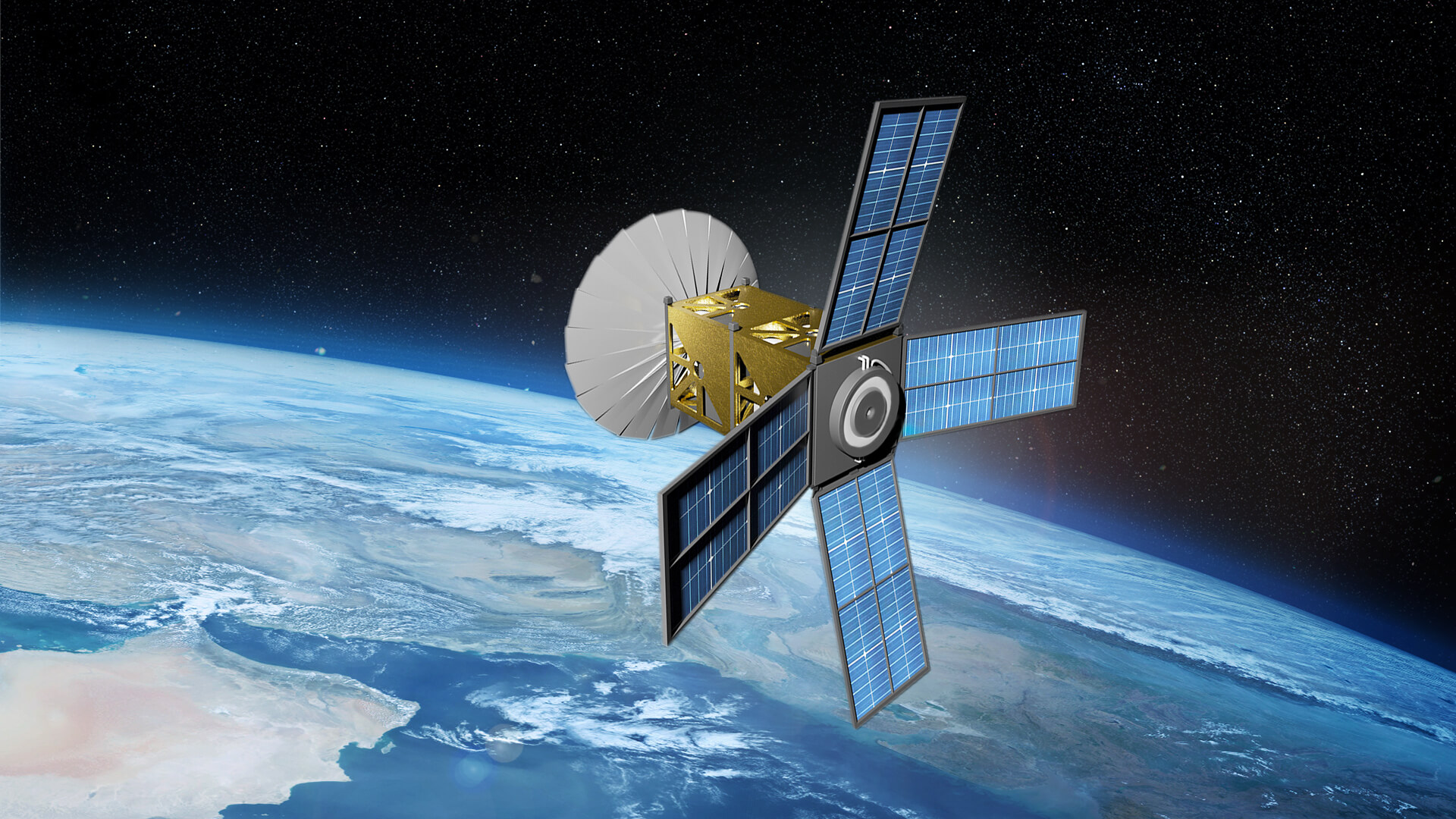
Every land parcel across Africa, Latin America, and South Asia is digitally mapped via satellite and drones.
-
Each land title is linked to a secure digital ID (like Aadhar).
-
Landowners can access credit, pay taxes, and settle disputes digitally.
-
Governments can unlock trillions in "dead capital", as described by economist Hernando de Soto.
This is no longer fiction. Companies like:
-
Cadasta and OpenTenure are mapping land rights in Africa.
-
SkyFi and Planet Labs provide real-time satellite imagery for urban planning.
-
India’s Digital India Land Records Modernization Programme (DILRMP) is digitizing land records in dozens of states.
-
The World Bank has funded land governance reforms in Rwanda, Ethiopia, and Vietnam.
This convergence of GovTech + SpaceTech could unlock $50 trillion in usable capital across the Global South. Enough to fund roads, schools, hospitals, irrigation, broadband, and even universal income. Land + ID + digital registry = a revolution.
🔄 What Needs to Scale Now: The GovTech Toolkit
Here are the core GovTech components that should be scaled globally:
| GovTech Component |
Examples |
Status |
Needed Everywhere |
| Digital Identity |
Aadhar (India), SingPass (Singapore) |
Some countries |
✅ |
| Mobile Payments |
UPI (India), PIX (Brazil), m-Pesa (Kenya) |
Growing |
✅ |
| Digital Land Registry |
Rwanda, India, Indonesia |
Rare |
✅ |
| One-Stop Government Portals |
Estonia, UAE, South Korea |
Patchy |
✅ |
| Direct Benefit Transfer (DBT) |
India, Brazil, Philippines |
Some |
✅ |
| Digital Procurement |
ChileCompra, India’s GeM |
Some |
✅ |
| Real-Time Dashboards |
Ukraine’s Diia, Malaysia’s MyGovUC |
Emerging |
✅ |
| Open Public Data |
UK, Estonia, Ghana |
Limited |
✅ |
🌐 Conclusion: Small, Smart, Scalable Government
The future of governance is digital, decentralized, and data-driven. GovTech is not just software—it’s a reimagining of how government serves its people. In an age where smartphones are more common than clean water, it is criminal not to digitize governance.
Estonia showed us what’s possible. India, Kenya, and Brazil are scaling it. The Global South can now lead the next wave—with AI-driven services, blockchain for land, digital IDs for all, and space-based land governance.
With the right vision, partnerships, and public investment, GovTech can deliver what 20th century governments never could: fast, fair, and inclusive development.
The next trillion-dollar infrastructure plan isn’t concrete—it’s code.
#GovTech #GlobalSouth #DigitalTransformation #Aadhar #UPI #mPesa #Estonia #SpaceTech #DigitalGovernance #LandReform #FintechForDevelopment
GovTech का उदय: कैसे डिजिटल गवर्नेंस ग्लोबल साउथ को बदल सकता है
जब 1990 के दशक की शुरुआत में एस्टोनिया सोवियत संघ की छाया से उभरा, तो उसके सामने एक अहम फैसला था—क्या वह पारंपरिक तरीकों से अपनी संस्थाओं का पुनर्निर्माण करेगा, या सीधे डिजिटल युग में छलांग लगाएगा? एस्टोनिया ने दूसरा रास्ता चुना—और इस तरह वह दुनिया का पहला देश बन गया जिसने एक पूर्ण डिजिटल सरकार बनाई। आज एस्टोनिया का GovTech मॉडल एक मिसाल है। लेकिन क्या यह अब भी नंबर एक है? और इससे भी ज़रूरी बात यह है कि क्या बाकी दुनिया—विशेषकर ग्लोबल साउथ—इस रास्ते पर चल सकती है?
🇪🇪 एस्टोनिया: क्या अब भी GovTech में सबसे आगे?
एस्टोनिया की डिजिटल गवर्नेंस तीन प्रमुख स्तंभों पर टिकी है: सुरक्षित डिजिटल पहचान प्रणाली (e-ID), विकेंद्रीकृत डेटा संरचना (X-Road), और डिजिटल हस्ताक्षरों को मान्यता देने वाला कानूनी ढांचा।
इस प्रणाली के ज़रिए एस्टोनियाई नागरिक:
-
ऑनलाइन वोट दे सकते हैं
-
मिनटों में टैक्स भर सकते हैं
-
सभी स्वास्थ्य रिकॉर्ड डिजिटल रूप में देख सकते हैं
-
20 मिनट से कम समय में कंपनी शुरू कर सकते हैं
-
किसी भी फॉर्म को दोबारा कभी नहीं भरते (once-only policy)
यहां तक कि बैंकिंग और टेलीकॉम जैसी निजी सेवाएं भी e-ID से जुड़ी हैं।
फिर भी, अब एस्टोनिया अकेला नहीं है। सिंगापुर, दक्षिण कोरिया और भारत जैसे देश कई क्षेत्रों में इसे टक्कर दे रहे हैं।
जब एस्टोनियाई लोग सिलिकॉन वैली आते हैं और अमेरिकी सरकारी दफ्तरों को कागज़ और COBOL जैसी पुरानी तकनीक पर काम करते देखते हैं, तो वे हैरान रह जाते हैं। निजी तकनीक में अग्रणी अमेरिका की सार्वजनिक तकनीक बेहद पिछड़ी हुई है।
🌍 GovTech का वैश्विक विस्तार
GovTech अब सिर्फ एस्टोनिया का प्रयोग नहीं है। यह एक वैश्विक लहर बन चुका है, जो सबसे तेज़ गति से वहां बढ़ रही है जहां इसकी सबसे ज़्यादा ज़रूरत है: ग्लोबल साउथ।
यहाँ वास्तविक दुनिया के उदाहरण दिए गए हैं:
🇮🇳 भारत: आधार + UPI = GovTech की ताक़त
भारत का आधार दुनिया की सबसे बड़ी बायोमेट्रिक पहचान प्रणाली है। 1.3 अरब से अधिक लोग आधार से जुड़े हैं, जो बैंक खातों, सब्सिडी, और पहचान से संबंधित सेवाओं से लिंक है।
UPI (Unified Payments Interface) ने भारत में डिजिटल भुगतान क्रांति ला दी है। आज हर महीने 10 अरब से अधिक लेनदेन UPI के माध्यम से हो रहे हैं। यह एक राज्य-प्रायोजित, ओपन और फ्री सिस्टम है, जिससे हर स्मार्टफोन एक बैंक बन गया है।
आधार और UPI ने मिलकर वित्तीय समावेशन को एक नई ऊंचाई दी है—छोटे व्यापारियों, किसानों और महिलाओं तक को डिजिटल वित्त की पहुँच मिली है।
🇰🇪 केन्या: m-Pesa का चमत्कार
2007 में Safaricom द्वारा लॉन्च किया गया m-Pesa अफ्रीका का सबसे सफल मोबाइल मनी प्लेटफॉर्म बना। इससे लोग बैंक खाता न होने पर भी पैसे भेज और प्राप्त कर सकते हैं। माना जाता है कि m-Pesa ने 2% केन्याई नागरिकों को गरीबी से बाहर निकाला।
सरकार ने इसका इस्तेमाल टैक्स भुगतान, स्कूल फीस, सब्सिडी और रियल टाइम आर्थिक डेटा ट्रैकिंग में किया।
🇧🇷 ब्राज़ील: Cadastro Único और PIX
ब्राज़ील की Cadastro Único प्रणाली गरीबों के लिए एक केंद्रीकृत डेटाबेस है, जिससे सरकार ने COVID-19 के समय तेज़ी से डिजिटल सहायता वितरण किया।
PIX एक तेज़, 24/7 डिजिटल भुगतान प्रणाली है जिसे केंद्रीय बैंक ने शुरू किया था, और यह अब भारत के UPI की तरह बन चुका है।
🇵🇭 फिलीपींस: आपातकालीन GovTech
टाइफून Haiyan के दौरान फिलीपींस सरकार ने GovTech का प्रयोग राहत समन्वय, डिजिटल वाउचर और विस्थापित लोगों की ट्रैकिंग के लिए किया। अब उसका लक्ष्य है कि सभी सरकारी सेवाओं को डिजिटल बनाया जाए।
📸 GovTech के रूप में निगरानी? चीन का उदाहरण
क्या चीन के करोड़ों CCTV कैमरे GovTech माने जा सकते हैं?
एक स्तर पर—हाँ। चेहरे की पहचान वाले कैमरों ने चीन में अपराध दर को घटाया है, और सार्वजनिक सुरक्षा बेहतर हुई है।
लेकिन GovTech का मतलब सिर्फ निगरानी नहीं है। इसका असली उद्देश्य है—पारदर्शिता, समावेशन, कुशलता और जवाबदेही। चीन का मॉडल इन मूल्यों की कमी महसूस करता है। सुरक्षा मिल सकती है, लेकिन सेवा नहीं।
🚀 GovTech + SpaceTech = $50 ट्रिलियन का अवसर
कल्पना कीजिए:
-
ग्लोबल साउथ के हर ज़मीन के टुकड़े को डिजिटल रूप से सैटेलाइट और ड्रोन से मैप किया गया है।
-
हर ज़मीन का टाइटल आधार जैसे डिजिटल ID से जुड़ा है।
-
लोग क्रेडिट, टैक्स भुगतान, संपत्ति विवाद समाधान जैसे कार्य डिजिटल रूप से कर सकते हैं।
-
सरकारें “मृत पूंजी” को जीवित पूंजी में बदल सकती हैं, जैसा कि अर्थशास्त्री Hernando de Soto ने सुझाया।
कुछ प्रमुख कंपनियाँ:
-
Cadasta, OpenTenure – अफ्रीका में ज़मीन अधिकारों को मैप कर रही हैं
-
SkyFi, Planet Labs – सैटेलाइट इमेजरी उपलब्ध करा रही हैं
-
भारत की Digital India Land Records Modernization Programme (DILRMP) ज़मीन रिकॉर्ड डिजिटाइज़ कर रही है
-
विश्व बैंक ने रवांडा, वियतनाम, इथियोपिया जैसे देशों में भूमि सुधारों में निवेश किया है
GovTech + SpaceTech का मेल $50 ट्रिलियन पूंजी को खोल सकता है—सड़कों, स्कूलों, अस्पतालों, ब्रॉडबैंड और यहां तक कि सार्वभौमिक आय को संभव बना सकता है।
🔄 अब क्या स्केल करना जरूरी है: GovTech टूलकिट
| GovTech घटक |
उदाहरण |
स्थिति |
वैश्विक ज़रूरत |
| डिजिटल पहचान प्रणाली |
आधार (भारत), SingPass (सिंगापुर) |
कुछ देशों में |
✅ |
| मोबाइल भुगतान प्रणाली |
UPI (भारत), PIX (ब्राज़ील), m-Pesa (केन्या) |
बढ़ते हुए |
✅ |
| ज़मीन रिकॉर्ड डिजिटलीकरण |
रवांडा, भारत, इंडोनेशिया |
कम |
✅ |
| एकल सरकारी पोर्टल |
एस्टोनिया, UAE, दक्षिण कोरिया |
सीमित |
✅ |
| डायरेक्ट बेनिफिट ट्रांसफर |
भारत, ब्राज़ील, फिलीपींस |
कुछ जगह |
✅ |
| डिजिटल खरीद प्रणाली |
ChileCompra, भारत का GeM |
कुछ देशों में |
✅ |
| रीयल टाइम डैशबोर्ड |
यूक्रेन का Diia, मलेशिया का MyGovUC |
उभरते हुए |
✅ |
| ओपन पब्लिक डेटा |
UK, एस्टोनिया, घाना |
सीमित |
✅ |
🌐 निष्कर्ष: छोटा, स्मार्ट, स्केलेबल शासन
भविष्य का शासन डिजिटल, विकेन्द्रीकृत और डेटा-आधारित होगा। GovTech सिर्फ एक तकनीक नहीं है—यह सरकार की पूरी सोच बदलने का तरीका है।
जब स्मार्टफोन पानी से अधिक उपलब्ध हो चुके हैं, तब भी कागज़ी सरकारें चलाना अन्याय है।
एस्टोनिया ने संभावनाएं दिखाईं। भारत, केन्या और ब्राज़ील उन्हें आकार दे रहे हैं। अब ग्लोबल साउथ अगली लहर का नेतृत्व कर सकता है—AI-आधारित सेवाएं, ब्लॉकचेन, डिजिटल IDs और सैटेलाइट मैपिंग के ज़रिए।
सही दृष्टिकोण, सार्वजनिक निवेश और साझेदारी से GovTech वह सब कुछ दे सकता है जो 20वीं सदी की सरकारें नहीं दे पाईं: तेज़, न्यायसंगत और समावेशी विकास।
अगली ट्रिलियन-डॉलर की योजना कंक्रीट नहीं—कोड है।
#GovTech #ग्लोबल_साउथ #डिजिटल_सरकार #Aadhar #UPI #mPesa #Estonia #SpaceTech #DigitalGovernance #LandReform #FintechForDevelopment


)
