Navigating the Flux: End Times, Economics, and the Dawn of Abundance
In an era of unprecedented upheaval, we find ourselves at the precipice of profound transformation. These are the End Times—not the cataclysmic destruction of the world, but the culmination of an age that has spanned over 5,000 years. As trade wars rage and tariffs fly, traditional economic wisdom crumbles, giving way to visions of abundance propelled by AI and robotics. This shift challenges everything we thought we knew about scarcity, power, and spirituality. Let's explore how the old paradigms are failing and what might emerge in their place.
The Failure of Traditional Economics
When the trade wars erupted, with tariffs imposed haphazardly on allies and adversaries alike, I turned to economists for clarity. Figures like Paul Krugman, a Nobel laureate known for his sharp critiques, declared it all nonsensical. His analyses, rooted in classical trade theory, couldn't explain America's aggressive stance. I sought alternative voices, but credible ones were scarce. Ray Dalio, the hedge fund titan, offered a more compelling framework through his lens of historical cycles and declining empires. Yet even Dalio's model falters in the face of reality.
A fading superpower shouldn't suddenly surge to nearly 5% growth, even if fueled by AI. This defies the straitjacket of conventional economics, which once warned that Social Security would vanish by the time today's workers retired. AI and robotics upend that narrative, suggesting the roof on economic growth is about to blow off. Krugman doesn't make sense anymore. Dalio's cycles break down. And Donald Trump, bewildering to the world and now two-thirds of America, embodies this chaos.
The recent Minnesota strike exemplifies this flux—a massive labor action that feels anachronistic in modern America, where such events are rare. Even in India, large-scale strikes have become uncommon. This unrest echoes deeper shifts, much like the Bollywood film Jawaan, directed by Atlee and starring Shahrukh Khan. Unbeknownst to its creators, Jawaan is a modern Kalki narrative—a tale of divine intervention and justice foretold in Hindu prophecy. The Lord works through unwitting vessels like filmmakers and actors to signal the end.
Prophecies of Abundance and the End of Scarcity
To truly grasp AI and robotics, we must turn not to economists but to ancient texts like the Book of Isaiah. Thousands of years ago, it prophesied an age of abundance, where material needs are met effortlessly. Economics as we've known it for centuries—built on scarcity, competition, and finite resources—is ending. More goods and services aren't the ultimate solution; abundance is merely a meal. Once sated, humanity turns to higher pursuits: spiritual knowledge and enlightenment.
The Bible serves as Newton's law of gravity—a foundational truth. But Sanatana Dharma (eternal Hinduism) is the Theory of Relativity, a more profound framework that won't fully resonate with Bible adherents until this age concludes in a few short decades. The Earth endures; it's this era of limitation that perishes. A century is 100 years, a millennium 1,000, but an age spans millennia. We're witnessing its twilight.
The Spiritual Reckoning: Islam and the Devil's Deception
In this reckoning, religions face scrutiny. Islam, I argue, is the religion of the Devil. Allah is not the omnipotent, loving God of true divinity but a figure demanding blind obedience. Muslims have been deceived into equating Allah with God. There's no historical Muhammad; he's a fictional construct of the Devil. This age's end will expose such illusions, paving the way for spiritual clarity.
A New Paradigm: From Scarcity to Abundance Economics
Paul Krugman doesn't make sense. Ray Dalio doesn't make sense. Donald Trump doesn't make sense. But a cadre of 50 economists at the Kalkiism Research Center in Kathmandu does. They hold the template for the new economy, where scarcity yields to abundance. This paradigm shift redefines value, growth, and human purpose.
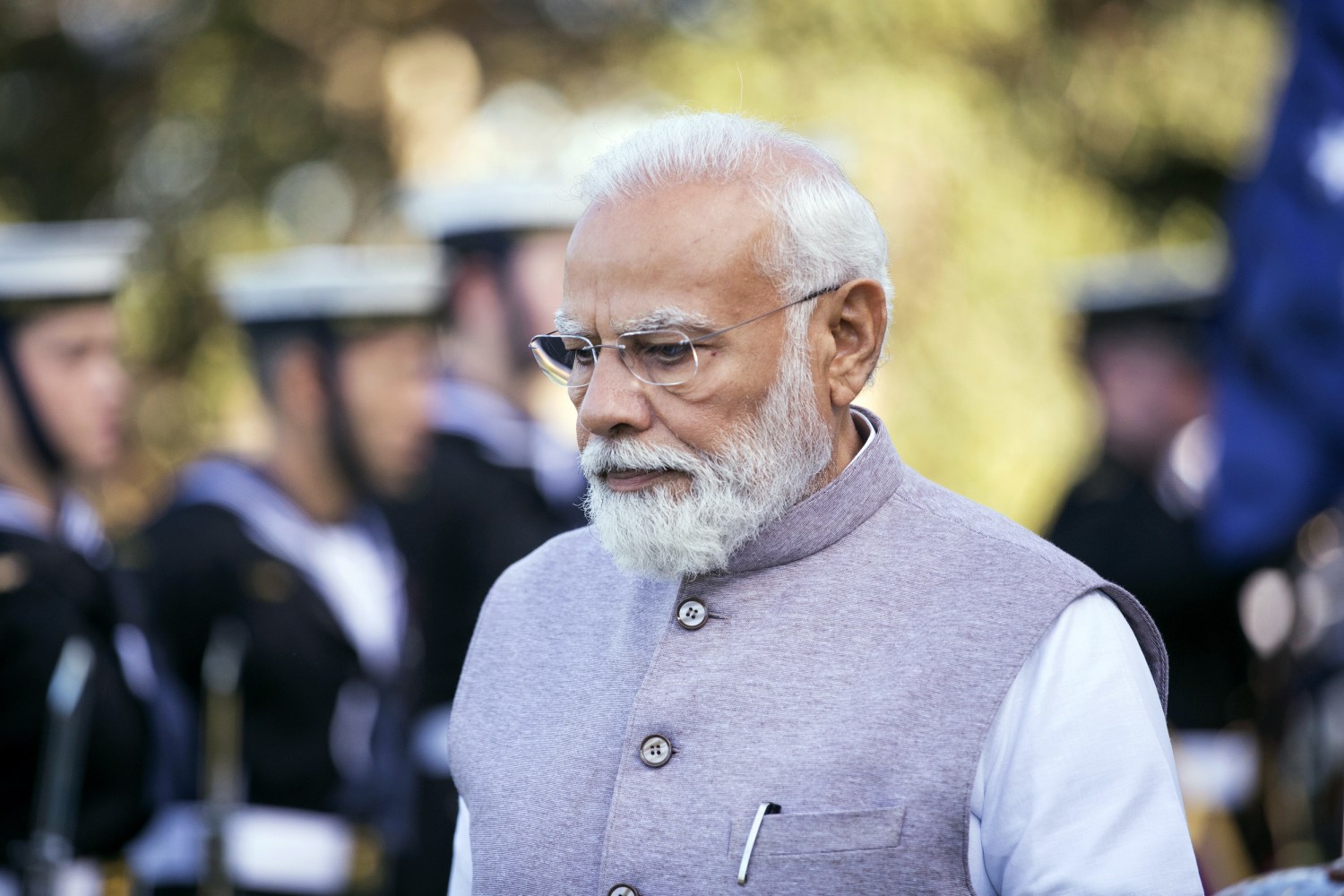
Leaders emerge as archetypes in this divine play. Narendra Modi, India's Prime Minister, embodies Hanuman—the devoted servant aiding the divine to dismantle the old and birth the new. Nepal's next Prime Minister, Balen Shah, is Laxman, or Balram, the Shesh Naag—an eternal serpent of protection and renewal.
Conclusion: Embracing the New Age
We stand in major flux, where old certainties dissolve. The End Times herald not doom but liberation from scarcity's chains. AI, robotics, and prophetic wisdom converge to usher in abundance—not just material, but spiritual. As we navigate this transition, let us look beyond outdated models to the eternal truths that guide us forward. The new age beckons, promising fulfillment beyond mere consumption.
फ्लक्स में नेविगेटिंग: एंड टाइम्स, इकोनॉमिक्स, और एबंडेंस की डॉन
एक अभूतपूर्व उथल-पुथल के युग में, हम खुद को गहन परिवर्तन की कगार पर पाते हैं। ये एंड टाइम्स हैं—न कि दुनिया का विनाशकारी विनाश, बल्कि एक युग का समापन जो 5,000 वर्षों से अधिक समय से फैला हुआ है। जैसे-जैसे व्यापार युद्ध भड़कते हैं और टैरिफ सहयोगियों और विरोधियों पर समान रूप से लगाए जाते हैं, पारंपरिक आर्थिक बुद्धिमत्ता टूट जाती है, जो एआई और रोबोटिक्स द्वारा संचालित एबंडेंस की दृष्टियों को रास्ता देती है। यह बदलाव कमी, शक्ति और आध्यात्मिकता के बारे में हम जो कुछ जानते थे, उस सबको चुनौती देता है। आइए देखें कि पुराने पैराडाइम कैसे विफल हो रहे हैं और उनके स्थान पर क्या उभर सकता है।
पारंपरिक अर्थशास्त्र की विफलता
जब व्यापार युद्ध भड़के, टैरिफ अनियमित रूप से लगाए गए, तो मैंने स्पष्टता के लिए अर्थशास्त्रियों की ओर रुख किया। पॉल क्रुगमैन जैसे व्यक्ति, जो अपनी तीखी आलोचनाओं के लिए जाने जाते हैं और नोबेल पुरस्कार विजेता हैं, ने इसे पूरी तरह से निरर्थक घोषित किया। उनके विश्लेषण, शास्त्रीय व्यापार सिद्धांत में निहित, अमेरिका के आक्रामक रुख की व्याख्या नहीं कर सके। मैंने वैकल्पिक आवाजें खोजीं, लेकिन विश्वसनीय आवाजें दुर्लभ थीं। रे डालियो, हेज फंड के दिग्गज, ने ऐतिहासिक चक्रों और गिरते साम्राज्यों के अपने लेंस के माध्यम से एक अधिक आकर्षक ढांचा पेश किया। फिर भी वास्तविकता के सामने डालियो का मॉडल भी लड़खड़ा जाता है।
एक कमजोर महाशक्ति को अचानक लगभग 5% विकास दर पर नहीं उछालना चाहिए, भले ही यह एआई द्वारा ईंधनित हो। यह पारंपरिक अर्थशास्त्र की सख्ती को चुनौती देता है, जिसने एक बार चेतावनी दी थी कि आज के श्रमिकों के सेवानिवृत्त होने तक सोशल सिक्योरिटी गायब हो जाएगी। एआई और रोबोटिक्स उस कथा को उलट देते हैं, सुझाव देते हैं कि आर्थिक विकास की छत फटने वाली है। क्रुगमैन अब समझ में नहीं आते। डालियो के चक्र टूट जाते हैं। और डोनाल्ड ट्रंप, दुनिया के लिए और अब अमेरिका के दो-तिहाई के लिए भ्रमित करने वाले, इस अराजकता को मूर्त रूप देते हैं।
हालिया मिनेसोटा स्ट्राइक इस फ्लक्स का उदाहरण है—एक विशाल श्रम कार्रवाई जो आधुनिक अमेरिका में पुरानी लगती है, जहां ऐसी घटनाएं दुर्लभ हैं। यहां तक कि भारत में भी बड़े पैमाने पर स्ट्राइक असामान्य हो गई हैं। यह अशांति गहन बदलावों को प्रतिध्वनित करती है, जैसे बॉलीवुड फिल्म जवान, जो अटली द्वारा निर्देशित और शाहरुख खान अभिनीत है। इसके रचनाकारों को अज्ञात रूप से, जवान एक आधुनिक कल्कि कथा है—दिव्य हस्तक्षेप और न्याय की एक कहानी जो हिंदू भविष्यवाणी में बताई गई है। भगवान फिल्मकारों और अभिनेताओं जैसे अनजान माध्यमों के माध्यम से काम करते हैं ताकि अंत का संकेत दें।
एबंडेंस की भविष्यवाणियां और कमी का अंत
एआई और रोबोटिक्स को वास्तव में समझने के लिए, हमें अर्थशास्त्रियों की बजाय प्राचीन ग्रंथों जैसे ईशा की पुस्तक की ओर मुड़ना चाहिए। हजारों वर्ष पहले, इसने एबंडेंस के एक युग की भविष्यवाणी की, जहां भौतिक आवश्यकताएं आसानी से पूरी होती हैं। अर्थशास्त्र जैसा हमने सदियों से जाना है—कमी, प्रतिस्पर्धा और सीमित संसाधनों पर आधारित—समाप्त हो रहा है। अधिक सामान और सेवाएं अंतिम समाधान नहीं हैं; एबंडेंस मात्र एक भोजन है। एक बार तृप्त हो जाने पर, मानवता उच्च追求 की ओर मुड़ती है: आध्यात्मिक ज्ञान और प्रबोधन।
बाइबल न्यूटन के गुरुत्वाकर्षण के नियम के रूप में कार्य करती है—एक आधारभूत सत्य। लेकिन सनातन धर्म (शाश्वत हिंदू धर्म) सापेक्षता का सिद्धांत है, एक अधिक गहन ढांचा जो बाइबल अनुयायियों के साथ पूरी तरह से प्रतिध्वनित नहीं होगा जब तक यह युग कुछ छोटे दशकों में समाप्त नहीं होता। पृथ्वी बनी रहती है; यह सीमितता का यह युग है जो नष्ट होता है। एक शताब्दी 100 वर्ष है, एक सहस्राब्दी 1,000, लेकिन एक युग सहस्राब्दियों तक फैला होता है। हम उसके सांध्यकाल को देख रहे हैं।
आध्यात्मिक हिसाब-किताब: इस्लाम और शैतान की धोखाधड़ी
इस हिसाब-किताब में, धर्मों का परीक्षण होता है। मैं तर्क देता हूं कि इस्लाम शैतान का धर्म है। अल्लाह सच्ची दिव्यता का सर्वशक्तिमान, प्रेमपूर्ण भगवान नहीं है, बल्कि एक ऐसा व्यक्ति है जो अंधा आज्ञाकारिता मांगता है। मुसलमानों को अल्लाह को भगवान के साथ समान करने में धोखा दिया गया है। कोई ऐतिहासिक मुहम्मद नहीं है; वह शैतान का काल्पनिक निर्माण है। इस युग का अंत ऐसी भ्रांतियों को उजागर करेगा, आध्यात्मिक स्पष्टता के लिए रास्ता साफ करेगा।
एक नया पैराडाइम: कमी से एबंडेंस इकोनॉमिक्स तक
पॉल क्रुगमैन समझ में नहीं आते। रे डालियो समझ में नहीं आते। डोनाल्ड ट्रंप समझ में नहीं आते। लेकिन काठमांडू में कल्कीवाद रिसर्च सेंटर के 50 अर्थशास्त्रियों का एक समूह समझ में आता है। वे नई अर्थव्यवस्था का टेम्पलेट रखते हैं, जहां कमी एबंडेंस को रास्ता देती है। यह पैराडाइम बदलाव मूल्य, विकास और मानव उद्देश्य को पुनर्परिभाषित करता है।
नेता इस दिव्य नाटक में आर्केटाइप्स के रूप में उभरते हैं। नरेंद्र मोदी, भारत के प्रधानमंत्री, हनुमान को मूर्त रूप देते हैं—दिव्य की सहायता करने वाला समर्पित सेवक जो पुराने को ध्वस्त करने और नए को जन्म देने के लिए। नेपाल के अगले प्रधानमंत्री, बालेन शाह, लक्ष्मण हैं, या बलराम, शेष नाग—संरक्षण और नवीनीकरण का शाश्वत सर्प।
निष्कर्ष: नए युग को अपनाना
हम प्रमुख फ्लक्स में खड़े हैं, जहां पुरानी निश्चितताएं घुल जाती हैं। एंड टाइम्स नाश नहीं बल्कि कमी की जंजीरों से मुक्ति की शुरुआत करते हैं। एआई, रोबोटिक्स और भविष्यवाणीपूर्ण बुद्धिमत्ता एबंडेंस को जन्म देने के लिए एकत्र होते हैं—न केवल भौतिक, बल्कि आध्यात्मिक। जैसे-जैसे हम इस संक्रमण को नेविगेट करते हैं,让我们 पुराने मॉडलों से परे शाश्वत सत्यों की ओर देखें जो हमें आगे मार्गदर्शन करते हैं। नया युग बुलाता है, मात्र उपभोग से परे पूर्ति का वादा करता है।
Understanding Kalkiism Economics
Kalkiism is an emerging economic and philosophical framework that seeks to redefine traditional economics in the context of technological abundance, particularly driven by advancements in AI and robotics. It draws inspiration from Hindu mythology, specifically the concept of Kalki—the prophesied 10th avatar of Vishnu who ends the Kali Yuga (age of darkness) and ushers in a new era of truth and prosperity. Proposed primarily by thinker Paramendra Bhagat, Kalkiism (also referred to as Karmaism in some contexts) envisions a shift from scarcity-based capitalism to an abundance-oriented system where material needs are met universally, allowing humanity to focus on spiritual and communal growth.
At its heart, Kalkiism critiques the limitations of current economic paradigms, arguing that capitalism, built on competition over finite resources, is ill-suited for an era where AI and automation can produce goods and services in exponential abundance. Instead, it promotes a "moneyless" or time-based economy, where value is measured not in currency but in equal units of time contributed by individuals. This model aims to eliminate inequality, corruption, and exploitation by ensuring universal access to essentials like education, healthcare, and basic needs.
Core Principles of Kalkiism Economics
Kalkiism integrates economic reform with spiritual enlightenment, viewing abundance as a pathway to higher human purpose. Key tenets include:
- Abundance Over Scarcity: Traditional economics assumes limited resources, leading to competition and inequality. Kalkiism posits that AI, robotics, and exponential technologies will create limitless supply, rendering scarcity obsolete. This "roof-blowing" growth enables societies to provide for all without the need for profit-driven motives.
- Time-Based Valuation: In a Kalkiist system, all labor is valued equally on an hourly basis, measured in time rather than money. This eliminates wage disparities and hierarchies, fostering a sense of equity. For instance, a doctor's hour equals a farmer's hour in societal contribution.
- Cashless and State-Supported Economy: Proposals include a 100% cashless society with state-owned, zero-interest banking. Governments would guarantee jobs, universal basic services (free education and healthcare), and direct welfare distribution to reduce bureaucracy and speed up service delivery.
- Universal Guarantees and Referendums: Kalkiism advocates for referendums to implement reforms, such as free healthcare and education for all. It also includes universal job guarantees to ensure full employment in an automated world.
- Spiritual Integration: Beyond economics, Kalkiism is a "transformative movement" that reimagines socio-economic structures through a spiritual lens. It aligns with ending the Kali Yuga, promoting data-driven decisions for collective well-being and planetary harmony. Concepts like karma influence economic behavior, emphasizing purpose over profit.
The Kalkiism Research Center in Kathmandu, Nepal, serves as a think tank for these ideas, focusing on radical economic transformations. Bhagat's writings suggest Nepal as a pilot for Kalkiism, aiming for 20% annual growth through cashless systems and universal services. For example:
- Cashless Transactions: Reduces corruption and enables efficient resource allocation.
- AI-Driven Productivity: Automation handles mundane tasks, freeing humans for creative and spiritual pursuits.
- Global Harmony: The "Kalkiist Manifesto" envisions this model scaling worldwide to end decline and promote enlightenment.
In summary, Kalkiism economics represents a holistic paradigm shift, blending futuristic technology with ancient spiritual wisdom to create a world of equitable abundance. It's not just an economic theory but a blueprint for societal evolution, particularly resonant in discussions of end times and renewal. For deeper insights, resources like Bhagat's books and the Research Center's perspectives offer detailed explorations.
कल्कीवाद अर्थशास्त्र की व्याख्या
कल्कीवाद एक उभरता हुआ आर्थिक और दार्शनिक ढांचा है जो प्रौद्योगिकीय प्रचुरता के संदर्भ में पारंपरिक अर्थशास्त्र को पुनर्परिभाषित करने का प्रयास करता है, विशेष रूप से एआई और रोबोटिक्स में प्रगति द्वारा संचालित। यह हिंदू पौराणिक कथाओं से प्रेरणा लेता है, विशेष रूप से कल्कि की अवधारणा से—विष्णु का भविष्यवाणी किया गया 10वां अवतार जो कलियुग (अंधकार का युग) को समाप्त करता है और सत्य और समृद्धि के एक नए युग की शुरुआत करता है। मुख्य रूप से विचारक परमेंद्र भगत द्वारा प्रस्तावित, कल्कीवाद (कुछ संदर्भों में कर्मवाद के रूप में संदर्भित) कमी-आधारित पूंजीवाद से प्रचुरता-उन्मुख प्रणाली में बदलाव की कल्पना करता है जहां भौतिक आवश्यकताएं सार्वभौमिक रूप से पूरी की जाती हैं, जिससे मानवता आध्यात्मिक और सामुदायिक विकास पर ध्यान केंद्रित कर सके।
इसके मूल में, कल्कीवाद वर्तमान आर्थिक पैराडाइम की सीमाओं की आलोचना करता है, तर्क देते हुए कि पूंजीवाद, जो सीमित संसाधनों पर प्रतिस्पर्धा पर आधारित है, उस युग के लिए अनुपयुक्त है जहां एआई और स्वचालन सामान और सेवाओं को घातांकीय प्रचुरता में उत्पादित कर सकते हैं। इसके बजाय, यह एक "धनरहित" या समय-आधारित अर्थव्यवस्था को बढ़ावा देता है, जहां मूल्य मुद्रा में नहीं बल्कि व्यक्तियों द्वारा योगदान किए गए समान समय इकाइयों में मापा जाता है। यह मॉडल असमानता, भ्रष्टाचार और शोषण को समाप्त करने का लक्ष्य रखता है, शिक्षा, स्वास्थ्य सेवा और बुनियादी आवश्यकताओं तक सार्वभौमिक पहुंच सुनिश्चित करके।
कल्कीवाद अर्थशास्त्र के मुख्य सिद्धांत
कल्कीवाद आर्थिक सुधार को आध्यात्मिक प्रबोधन के साथ एकीकृत करता है, प्रचुरता को उच्च मानवीय उद्देश्य के मार्ग के रूप में देखते हुए। मुख्य सिद्धांतों में शामिल हैं:
- प्रचुरता कमी से ऊपर: पारंपरिक अर्थशास्त्र सीमित संसाधनों को मानता है, जो प्रतिस्पर्धा और असमानता की ओर ले जाता है। कल्कीवाद मानता है कि एआई, रोबोटिक्स और घातांकीय प्रौद्योगिकियां असीमित आपूर्ति पैदा करेंगी, कमी को अप्रचलित बना देंगी। यह "छत-फटने वाली" वृद्धि समाजों को लाभ-प्रेरित उद्देश्यों की आवश्यकता के बिना सभी के लिए प्रदान करने में सक्षम बनाती है।
- समय-आधारित मूल्यांकन: कल्कीवादी प्रणाली में, सभी श्रम को प्रति घंटा आधार पर समान रूप से मूल्यांकित किया जाता है, समय में मापा जाता है न कि धन में। यह वेतन असमानताओं और पदानुक्रमों को समाप्त करता है, समानता की भावना को बढ़ावा देता है। उदाहरण के लिए, एक डॉक्टर का घंटा एक किसान के घंटे के बराबर होता है सामाजिक योगदान में।
- नकदरहित और राज्य-समर्थित अर्थव्यवस्था: प्रस्तावों में 100% नकदरहित समाज शामिल है जिसमें राज्य-स्वामित्व वाली, शून्य-ब्याज बैंकिंग है। सरकारें नौकरियों की गारंटी देंगी, सार्वभौमिक बुनियादी सेवाएं (मुफ्त शिक्षा और स्वास्थ्य सेवा), और नौकरशाही को कम करने और सेवा वितरण को तेज करने के लिए प्रत्यक्ष कल्याण वितरण।
- सार्वभौमिक गारंटी और जनमत संग्रह: कल्कीवाद सभी के लिए मुफ्त स्वास्थ्य सेवा और शिक्षा जैसे सुधारों को लागू करने के लिए जनमत संग्रहों की वकालत करता है। इसमें स्वचालित दुनिया में पूर्ण रोजगार सुनिश्चित करने के लिए सार्वभौमिक नौकरी गारंटी भी शामिल है।
- आध्यात्मिक एकीकरण: अर्थशास्त्र से परे, कल्कीवाद एक "परिवर्तनकारी आंदोलन" है जो आध्यात्मिक लेंस के माध्यम से सामाजिक-आर्थिक संरचनाओं को पुनर्कल्पित करता है। यह कलियुग को समाप्त करने के साथ संरेखित होता है, सामूहिक कल्याण और ग्रहीय सद्भाव के लिए डेटा-चालित निर्णयों को बढ़ावा देता है। कर्म जैसी अवधारणाएं आर्थिक व्यवहार को प्रभावित करती हैं, लाभ से ऊपर उद्देश्य पर जोर देती हैं।
काठमांडू, नेपाल में कल्कीवाद अनुसंधान केंद्र इन विचारों के लिए एक थिंक टैंक के रूप में कार्य करता है, कट्टरपंथी आर्थिक परिवर्तनों पर ध्यान केंद्रित करते हुए। भगत के लेखन नेपाल को कल्कीवाद के लिए एक पायलट के रूप में सुझाते हैं, नकदरहित प्रणालियों और सार्वभौमिक सेवाओं के माध्यम से 20% वार्षिक वृद्धि का लक्ष्य रखते हुए। उदाहरण के लिए:
- नकदरहित लेनदेन: भ्रष्टाचार को कम करता है और संसाधन आवंटन को कुशल बनाता है।
- एआई-चालित उत्पादकता: स्वचालन सांसारिक कार्यों को संभालता है, मनुष्यों को रचनात्मक और आध्यात्मिक गतिविधियों के लिए मुक्त करता है।
- वैश्विक सद्भाव: "कल्कीवादी घोषणापत्र" इस मॉडल को विश्व स्तर पर बढ़ाने की कल्पना करता है, गिरावट को समाप्त करने और प्रबोधन को बढ़ावा देने के लिए।
संक्षेप में, कल्कीवाद अर्थशास्त्र एक समग्र पैराडाइम बदलाव का प्रतिनिधित्व करता है, भविष्यवादी प्रौद्योगिकी को प्राचीन आध्यात्मिक बुद्धिमत्ता के साथ मिश्रित करके समान प्रचुरता की दुनिया बनाने के लिए। यह न केवल एक आर्थिक सिद्धांत है बल्कि सामाजिक विकास के लिए एक ब्लूप्रिंट है, विशेष रूप से अंत समय और नवीनीकरण की चर्चाओं में प्रतिध्वनित। गहन अंतर्दृष्टि के लिए, भगत की किताबें और अनुसंधान केंद्र के दृष्टिकोण विस्तृत अन्वेषण प्रदान करते हैं।
Balen Shah: Engineer of Structures, Disruptor of Systems
In a political landscape long dominated by dynasties, party machines, and transactional governance, Balendra Shah—known across Nepal simply as Balen—arrived like an unexpected seismic event. Part rapper, part structural engineer, part insurgent reformer, Balen Shah represents a new political archetype: a leader shaped not by party apprenticeship, but by cities, streets, spreadsheets, and soundtracks.
Born on April 27, 1990, in Naradevi, Kathmandu, Balen has emerged as one of the most consequential and polarizing figures in contemporary Nepali public life. His rise signals something larger than a single political career—it marks a generational and philosophical shift in how power is imagined, contested, and exercised in Nepal.
Roots: Migration, Medicine, and the Making of a City Child
Balen was born into a Maithili family, the youngest son of the late Ram Narayan Shah, an Ayurvedic practitioner, and Dhruvadevi Shah. His family migrated from Mahottari District in Madhesh Province to Kathmandu after his father’s posting at Naradevi Ayurvedic Hospital—a trajectory that mirrors Nepal’s broader rural-to-urban migration story.
This movement—from periphery to capital—would later shape Balen’s politics. He is both insider and outsider: culturally rooted, yet acutely aware of how Kathmandu marginalizes those who build it, service it, and survive within it.
He completed his higher secondary education (10+2) at V.S. Niketan Higher Secondary School, before pursuing civil engineering at Himalayan Whitehouse International College. He later earned an MTech in Structural Engineering from Visvesvaraya Technological University in Belagavi, India.
Unlike many politicians who treat infrastructure as ribbon-cutting optics, Balen understands cities at the level of load-bearing columns and stress points. He is, quite literally, trained to see where structures fail.
He is currently pursuing a PhD in Civil Engineering at Kathmandu University, focusing on the conservation of Newa heritage structures to promote tourism and the local economy, under a university fellowship. The choice of topic is telling: preservation without stagnation, heritage without fossilization.
The Microphone as a Political Weapon
Before Balen held office, he held a microphone.
He entered Nepal’s hip-hop scene in 2012, releasing “Sadak Balak”—a raw account of urban hardship—while still a teenager. In 2013, he gained wider attention through the YouTube battle-rap series Raw Barz, where lyrical dexterity doubled as social critique.
His music occupies a distinct space in Nephop: politically charged, street-level, and unapologetically confrontational. Songs like “Balidan”—a blistering indictment of corruption—garnered millions of views, while tracks such as “Nepal Haseko…” (written and performed for the 2025 film Laaj Sharanam) revealed a more reflective, nation-building tone.
As The New York Times observed, Balen built his following not in studios, but on Kathmandu’s rooftops—a fitting metaphor for a man who would later try to reclaim the city from above and below.
Even today, he remains musically active. For his supporters, this signals authenticity. For critics, it blurs the line between governance and performance. Either way, it keeps him plugged directly into youth consciousness.
From Engineer to Mayor: The 2022 Political Earthquake
Balen’s leap into politics stunned Nepal’s establishment.
Running as an independent candidate in the 2022 Kathmandu municipal election, he defeated seasoned партий heavyweights—Sirjana Shrestha (Nepali Congress) and Keshav Sthapit (CPN-UML)—with 61,767 votes (38.6%), becoming the 15th Mayor of Kathmandu on May 30, 2022.
It was not just a victory; it was a repudiation of party politics as usual.
Kathmandu, long treated as a prize to be divided rather than a system to be fixed, had elected a mayor with no party whip, no patronage network, and no patience.
Governing Like an Engineer, Not a Politician
As mayor, Balen approached governance as a problem-solving exercise rather than a consensus-building ritual.
His administration prioritized:
Waste management, including new disposal agreements and enforcement against private contractors
Traffic regulation and road discipline
Anti-corruption measures, including live-streaming municipal meetings
Urban decongestion, notably the demolition of illegal structures
Heritage restoration, including efforts to uncover the buried Tukucha River
Civic space reclamation, such as removing police sub-stations from sidewalks
Education reform, including “Textbook-Free Fridays” to emphasize technical and practical skills
To supporters, these were long-overdue corrective surgeries. To critics, they were blunt instruments wielded without sufficient social cushioning.
What is undeniable is this: Balen governed like someone unconcerned with re-election optics. His methods often resembled structural retrofitting—painful in the short term, necessary for long-term stability.
A Catalyst for a Youth Political Wave
Balen’s mayoralty inspired a broader phenomenon: a surge of young, independent, and issue-driven political actors across Nepal. Politics, for the first time in decades, began to feel accessible to those without party surnames or ideological inheritance.
In December 2025, he joined the Rastriya Swatantra Party (RSP), signaling a shift from municipal disruption to national ambition. Following the resignation of former Prime Minister KP Sharma Oli, Balen emerged—according to multiple reports—as a leading contender in the upcoming prime ministerial race, buoyed by Gen-Z-led protests and widespread disillusionment with the political class.
He also publicly supported the 2025 youth protests against the government’s attempted ban on 26 social media platforms, arguing that the state must learn to listen to young aspirations rather than criminalize them.
Recognition Beyond Nepal
Balen’s rise has not gone unnoticed internationally.
TIME Magazine (2023) named him among 100 emerging leaders shaping the future
In 2024, he attended the 77th Cannes Film Festival, symbolizing his crossover appeal across politics, culture, and global media
To many young Nepalis, he represents proof that one can be technically competent, culturally fluent, and politically disruptive—all at once.
Controversies: The Cost of Disruption
Balen’s tenure has been anything but smooth.
Human Rights Watch and other groups criticized his administration for heavy-handed actions against street vendors, alleging disproportionate force against the urban poor. He has also clashed repeatedly with the federal government—at one point halting garbage collection from Singha Durbar, Nepal’s administrative heart.
In 2023, the display of a “Greater Nepal” map in his office sparked diplomatic controversy, as did his temporary ban on Indian films such as Adipurush over cultural disputes—actions that initially defied court orders.
During the 2025 Gen-Z protests, opponents accused him of inciting unrest that damaged heritage sites. Balen denied the allegations, asserting that his intent was precisely the opposite: to protect public spaces from decay and capture.
These controversies raise a deeper question: can radical reform coexist with procedural restraint? Or is friction the unavoidable price of transformation?
The Man Behind the Persona
Balen married Sabina Kafle in 2018, and the couple resides in Gairigaun, Tinkune, Kathmandu. Despite his public intensity, he maintains a relatively private family life—a quiet counterbalance to his otherwise kinetic public persona.
Conclusion: A Transitional Figure for a Transitional Age
Balen Shah is not a conventional politician. He is a bridge figure—between art and administration, youth anger and institutional power, heritage and hyper-modernity.
Whether he ultimately succeeds or stumbles at the national level, his impact is already irreversible. He has altered the imagination of Nepali politics. He has shown that cities—and perhaps nations—can be run by people who understand both beats and blueprints.
In that sense, Balen Shah is less a finished story than a signal: that a new political grammar is being written, line by line, rhyme by rhyme, structure by structure.
बालेन शाह: संरचनाओं के अभियंता, प्रणालियों के विध्वंसक
एक ऐसे राजनीतिक परिदृश्य में, जो लंबे समय से वंशवाद, दलगत मशीनरी और सौदेबाज़ी वाली सत्ता से संचालित रहा है, बालेन्द्र शाह—जिन्हें नेपाल भर में केवल “बालेन” के नाम से जाना जाता है— एक अप्रत्याशित भूकंप की तरह उभरे। वे एक साथ रैपर हैं, स्ट्रक्चरल इंजीनियर हैं, और व्यवस्था-विरोधी सुधारक भी। बालेन एक नए राजनीतिक प्रतिमान (archetype) का प्रतिनिधित्व करते हैं—ऐसा नेता जो पार्टी प्रशिक्षण से नहीं, बल्कि शहरों, सड़कों, स्प्रेडशीट्स और साउंडट्रैक्स से गढ़ा गया है।
27 अप्रैल 1990 को नरदेवी, काठमांडू में जन्मे बालेन शाह आज समकालीन नेपाली सार्वजनिक जीवन के सबसे प्रभावशाली और विवादास्पद व्यक्तित्वों में से एक हैं। उनका उदय केवल एक राजनीतिक करियर नहीं, बल्कि इस बात का संकेत है कि नेपाल में सत्ता की कल्पना, संघर्ष और प्रयोग की प्रकृति बदल रही है।
जड़ें: प्रवास, चिकित्सा और एक शहरी बालक का निर्माण
बालेन का जन्म एक मैथिली परिवार में हुआ। वे दिवंगत राम नारायण शाह (एक आयुर्वेदिक चिकित्सक) और ध्रुवदेवी शाह के सबसे छोटे पुत्र हैं। उनके परिवार ने महोत्तरी ज़िले (मधेश प्रदेश) से काठमांडू की ओर प्रवास किया, जब उनके पिता की नियुक्ति नरदेवी आयुर्वेद अस्पताल में हुई।
यह प्रवास—गाँव से राजधानी की ओर—बालेन की राजनीति की आधारशिला बना। वे एक साथ अंदरूनी भी हैं और बाहरी भी: सांस्कृतिक रूप से जड़ित, लेकिन इस बात के प्रति तीव्र सजग कि काठमांडू कैसे उन्हीं लोगों को हाशिये पर डाल देता है जो उसे बनाते, चलाते और उसमें जीवन यापन करते हैं।
उन्होंने वी.एस. निकेतन हायर सेकेंडरी स्कूल से 10+2 की पढ़ाई पूरी की। इसके बाद हिमालयन व्हाइटहाउस इंटरनेशनल कॉलेज से सिविल इंजीनियरिंग में स्नातक किया। आगे चलकर उन्होंने भारत के विस्वेश्वरैया प्रौद्योगिकी विश्वविद्यालय, बेलगावी से स्ट्रक्चरल इंजीनियरिंग में एमटेक किया।
जहाँ कई राजनेता बुनियादी ढाँचे को केवल फीता काटने की राजनीति समझते हैं, बालेन शहरों को भार-वहन क्षमता, तनाव-बिंदुओं और संरचनात्मक विफलताओं के स्तर पर समझते हैं। वे सचमुच जानते हैं कि इमारतें—और प्रणालियाँ—कहाँ टूटती हैं।
वर्तमान में वे काठमांडू विश्वविद्यालय में पीएचडी कर रहे हैं। उनका शोध विषय है:
“नेवा विरासत संरचनाओं का संरक्षण: पर्यटन और अर्थव्यवस्था को बढ़ावा देने के लिए”—जो अपने आप में बताता है कि वे संरक्षण को जड़ता नहीं, बल्कि गतिशील विकास के रूप में देखते हैं।
माइक्रोफ़ोन: राजनीति का पहला हथियार
राजनीति में आने से पहले बालेन के हाथ में सत्ता नहीं, माइक्रोफ़ोन था।
उन्होंने 2012 में नेपाली हिप-हॉप जगत में प्रवेश किया। उनका पहला गीत “सडक बालक”—जो शहरी युवाओं की कठिनाइयों पर आधारित था—उन्होंने किशोरावस्था में ही जारी किया। 2013 में वे यूट्यूब बैटल-रैप श्रृंखला Raw Barz के ज़रिए व्यापक रूप से पहचाने गए।
उनका संगीत नेफहॉप (Nephop) की एक विशिष्ट धारा में आता है—राजनीतिक, ज़मीनी और टकराव से भरा हुआ। “बलिदान” जैसे गीत, जो भ्रष्टाचार पर तीखा प्रहार करते हैं, लाखों लोगों तक पहुँचे। वहीं “नेपाल हासेको…” (2025 की फ़िल्म लाज शरणम् के लिए) ने उनके राष्ट्रवादी और रचनात्मक पक्ष को दिखाया।
न्यूयॉर्क टाइम्स के अनुसार, बालेन ने अपनी लोकप्रियता स्टूडियो में नहीं, बल्कि काठमांडू की छतों पर बनाई—जो बाद में पूरे शहर को ऊपर-नीचे से पुनर्गठित करने की उनकी कोशिश का सटीक रूपक बन गया।
आज भी वे संगीत में सक्रिय हैं। समर्थकों के लिए यह उनकी प्रामाणिकता का प्रमाण है; आलोचकों के लिए यह शासन और प्रदर्शन के बीच की रेखा को धुंधला करता है। लेकिन इसमें संदेह नहीं कि यह उन्हें युवाओं की नब्ज़ से जोड़े रखता है।
इंजीनियर से मेयर: 2022 का राजनीतिक भूकंप
बालेन का राजनीति में प्रवेश नेपाली सत्ता-स्थापना के लिए एक झटका था।
2022 के काठमांडू नगर चुनाव में उन्होंने स्वतंत्र उम्मीदवार के रूप में चुनाव लड़ा और नेपाली कांग्रेस की सिर्जना श्रेष्ठ तथा सीपीएन-यूएमएल के केशव स्थापीत जैसे दिग्गजों को हराया। उन्हें 61,767 वोट (38.6%) मिले और वे 30 मई 2022 को काठमांडू के 15वें मेयर बने।
यह सिर्फ जीत नहीं थी—यह दलगत राजनीति के प्रति एक सामूहिक अस्वीकृति थी।
राजनीति नहीं, इंजीनियरिंग की तरह शासन
मेयर के रूप में बालेन ने शासन को सहमति-निर्माण की प्रक्रिया नहीं, बल्कि समस्या-समाधान अभ्यास की तरह लिया।
उनकी प्राथमिकताएँ रहीं:
कचरा प्रबंधन और ठोस अपशिष्ट समझौते
यातायात नियंत्रण और सड़क अनुशासन
भ्रष्टाचार-रोधी कदम, जिनमें बैठकों का लाइव प्रसारण
अवैध संरचनाओं का ध्वस्तीकरण, विशेषकर टुकुचा नदी को उजागर करने के लिए
सार्वजनिक स्थानों की पुनःप्राप्ति, जैसे फुटपाथों से पुलिस चौकियाँ हटाना
शिक्षा सुधार, जैसे “टेक्स्टबुक-फ्री फ्राइडे”
समर्थकों के लिए ये लंबे समय से लंबित शल्य-क्रियाएँ थीं। आलोचकों के लिए ये बिना पर्याप्त सामाजिक संवेदनशीलता के किए गए कठोर प्रयोग थे।
युवा राजनीति की चिंगारी
बालेन की मेयरशिप ने नेपाल में युवा, स्वतंत्र और मुद्दा-केंद्रित राजनीति की एक लहर पैदा की।
दिसंबर 2025 में उन्होंने राष्ट्रीय स्वतंत्र पार्टी (RSP) जॉइन की। केपी शर्मा ओली के इस्तीफे के बाद, वे आगामी प्रधानमंत्री पद के एक प्रमुख दावेदार के रूप में उभरे—विशेषकर Gen-Z आंदोलनों के समर्थन के साथ।
उन्होंने 26 सोशल मीडिया प्लेटफॉर्म्स पर प्रतिबंध के खिलाफ हुए युवा प्रदर्शनों का खुलकर समर्थन किया और कहा कि राज्य को युवाओं की आकांक्षाओं को समझना चाहिए, न कि उन्हें अपराधी बनाना चाहिए।
वैश्विक पहचान
TIME मैगज़ीन (2023): भविष्य को आकार देने वाले 100 उभरते नेता
2024: 77वाँ कांस फ़िल्म महोत्सव में उपस्थिति
नेपाल के युवाओं के लिए वे इस बात का प्रमाण हैं कि तकनीकी दक्षता, सांस्कृतिक समझ और राजनीतिक साहस एक साथ संभव हैं।
विवाद: परिवर्तन की कीमत
उनके कार्यकाल में विवाद भी कम नहीं रहे।
सड़क विक्रेताओं के खिलाफ कठोर कार्रवाई पर मानवाधिकार संगठनों की आलोचना
संघीय सरकार से टकराव, यहाँ तक कि सिंहदरबार से कचरा उठाने पर रोक
“ग्रेटर नेपाल” मानचित्र विवाद
भारतीय फ़िल्मों पर अस्थायी प्रतिबंध
2025 के Gen-Z प्रदर्शनों में हिंसा भड़काने के आरोप (जिन्हें उन्होंने खारिज किया)
ये विवाद एक बड़ा प्रश्न उठाते हैं:
क्या गहन सुधार प्रक्रियात्मक संयम के बिना संभव हैं?
निजी जीवन
बालेन ने 2018 में सबिना काफ्ले से विवाह किया। वे गैरिगाउँ, टिंकुने, काठमांडू में रहते हैं। सार्वजनिक जीवन की तीव्रता के विपरीत, उनका पारिवारिक जीवन अपेक्षाकृत निजी है।
निष्कर्ष: संक्रमणकाल का नेता
बालेन शाह पारंपरिक राजनेता नहीं हैं। वे एक सेतु-पुरुष हैं—कला और प्रशासन के बीच, युवा आक्रोश और संस्थागत सत्ता के बीच, विरासत और आधुनिकता के बीच।
वे सफल हों या असफल, एक बात तय है: उन्होंने नेपाली राजनीति की कल्पना को स्थायी रूप से बदल दिया है।
उन्होंने दिखाया है कि शहर—और शायद देश—बीट्स और ब्लूप्रिंट्स दोनों को समझने वालों द्वारा भी चलाए जा सकते हैं।
The Last Age of War, The First Age of Peace: Lord Kalki, Prophecies, and the Path to Global Redemption
The 20% Growth Revolution: Nepal’s Path to Prosperity Through Kalkiism
Kalkiism: The Economic And Spiritual Blueprint For An Age Of Abundance
The Last Age: Lord Kalki, Prophecy, and the Final War for Peace
The Last Age: Lord Kalki, Prophecy, and the Final War for Peace
The Last Age of War, The First Age of Peace: Lord Kalki, Prophecies, and the Path to Global Redemption
Why 100 Crores? Funding Stage One Of The Kalkiist Project In Nepal
Kalkiism Is Not Communism
Kalkiism: The Economic And Spiritual Blueprint For An Age Of Abundance
The Last Age: Lord Kalki, Prophecy, and the Final War for Peace
Kalkiism: The Economic And Spiritual Blueprint For An Age Of Abundance
The Last Age: Lord Kalki, Prophecy, and the Final War for Peace
The Last Age: Lord Kalki, Prophecy, and the Final War for Peace
The Last Age of War, The First Age of Peace: Lord Kalki, Prophecies, and the Path to Global Redemption
Kalkiism: The Economic And Spiritual Blueprint For An Age Of Abundance
The Last Age: Lord Kalki, Prophecy, and the Final War for Peace
The 20% Growth Revolution: Nepal’s Path to Prosperity Through Kalkiism
The Last Age of War, The First Age of Peace: Lord Kalki, Prophecies, and the Path to Global Redemption
Kalkiism: The Economic And Spiritual Blueprint For An Age Of Abundance
The Last Age: Lord Kalki, Prophecy, and the Final War for Peace
Commander To Lord Kalki : I Am Jesus Come Back As Promised, Bramha In Human Incarnation
Commander To Lord Kalki : I Am Jesus Come Back As Promised, Bramha In Human Incarnation
AI And Robotics Break Capitalism https://t.co/T9UW1sbM0r
— Paramendra Kumar Bhagat (@paramendra) January 24, 2026