Pages

Friday, May 30, 2025

Simulating A Particle Accelerator In AI


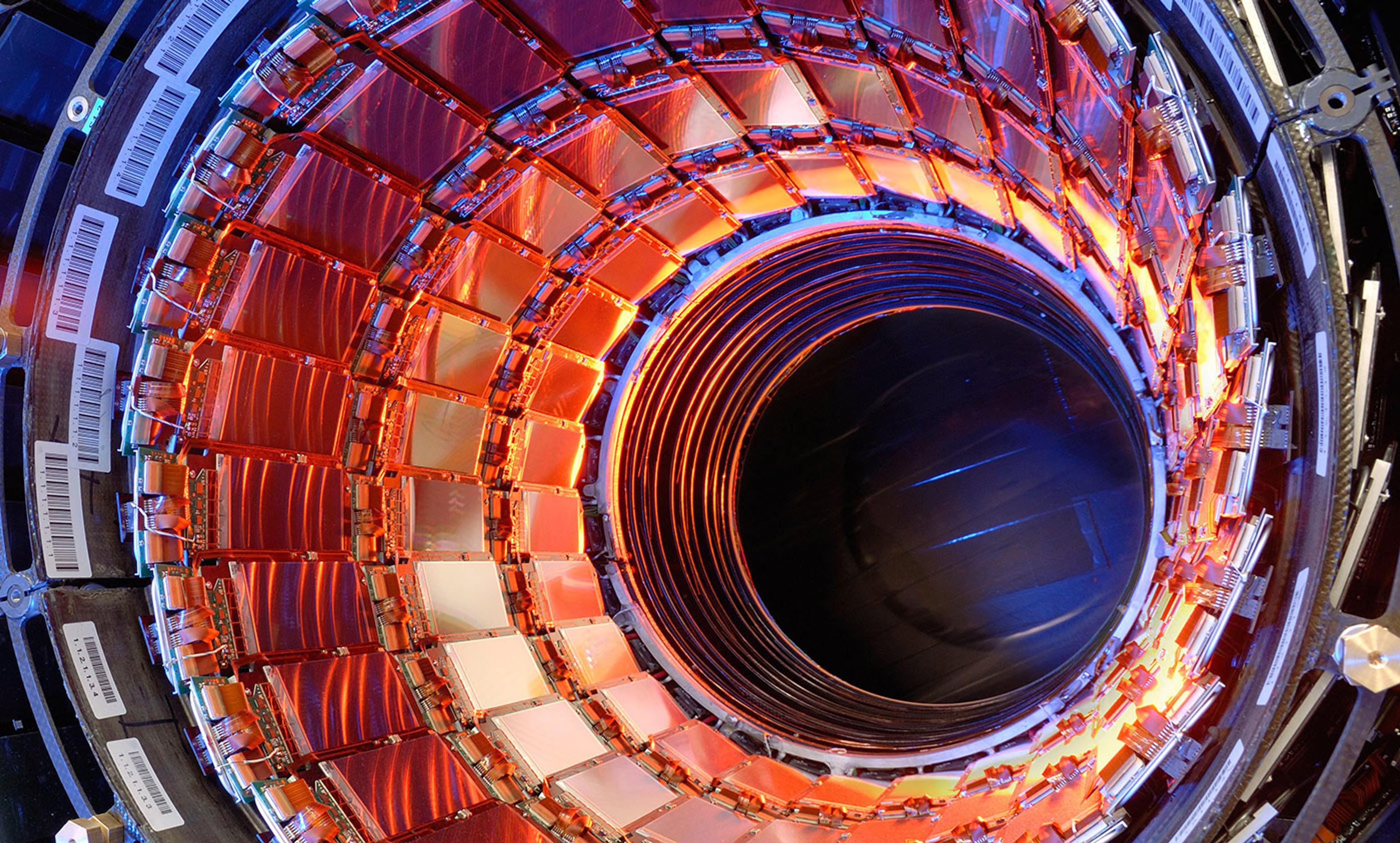
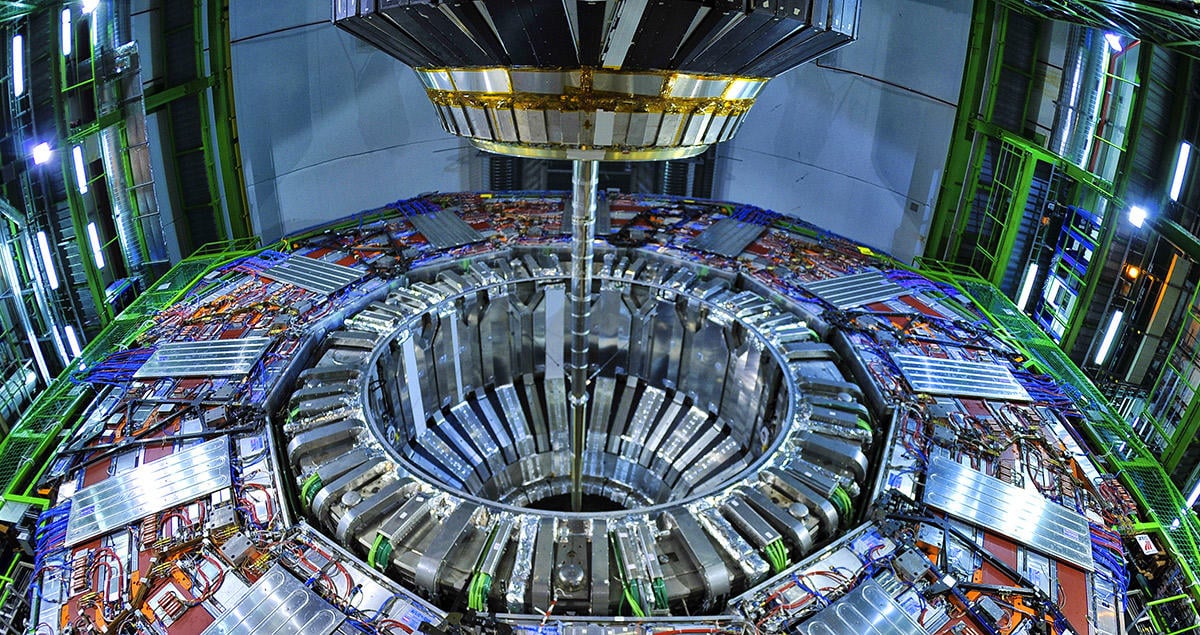
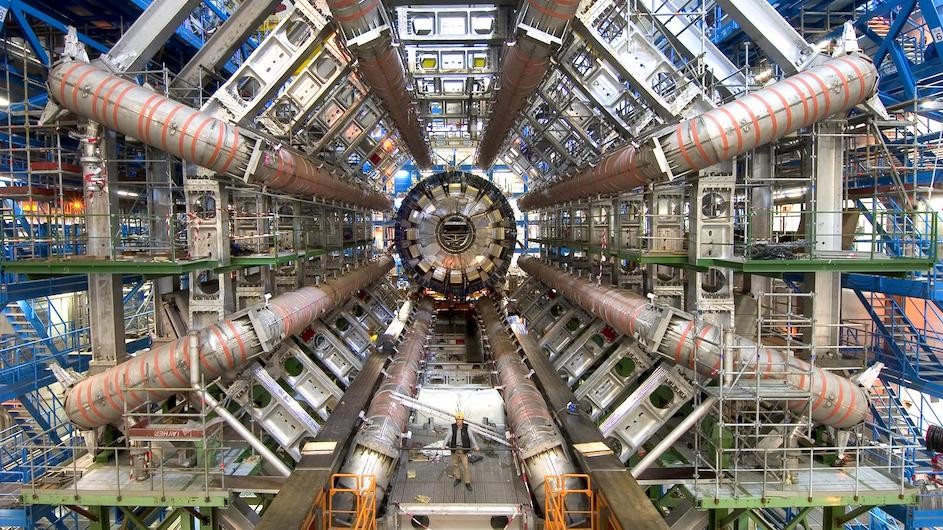
A particle accelerator can be simulated in AI to dramatically reduce costs, though with important limitations and trade-offs. Here’s a breakdown:


✅ What AI-Powered Simulation Can Do:

1. Accelerator Design Optimization

AI can:

  • Simulate beam dynamics, magnet configurations, and RF systems.

  • Optimize component layouts without costly prototyping.

  • Reduce design time from years to months.

2. Control Systems and Predictive Maintenance

AI can simulate control systems to:

  • Optimize beam steering and energy usage.

  • Predict component failure before it happens.

  • Automate calibration and tuning.

3. Virtual Experiments

AI can simulate:

  • Particle collisions at various energy levels.

  • Probabilistic particle interactions (based on known physics).

  • Rare event detection scenarios (e.g., Higgs boson events).

4. Training and Education

Virtual labs for physicists and students.
No billion-dollar facility needed to learn how particle accelerators work.


❌ What AI Simulation Cannot Fully Replace (Yet):

1. Empirical Data

  • AI models are only as good as the data they are trained on.

  • Discovering new physics (e.g., dark matter candidates, supersymmetry) requires real experimental data.

  • Quantum phenomena often involve unpredictable outcomes AI cannot fully model.

2. Hardware-Specific Constraints

  • Simulations can’t replicate material stresses, thermal effects, vacuum degradation, or superconducting magnet issues at a deep physical level.

  • Real-world prototypes are still needed to validate AI models.

3. Extreme Conditions

  • Simulating the exact plasma behavior, quantum chromodynamics, or gravitational interactions at femtometer scales still pushes the boundaries of computational capacity.


๐ŸŒ Real-World Examples of AI in Particle Physics

  • CERN uses ML/AI to filter collision data at the LHC — it processes millions of events per second.

  • SLAC and Fermilab are using reinforcement learning to optimize accelerator tuning.

  • Surrogate modeling is being used to replace slow physics simulations with fast AI approximations.


๐Ÿ’ก Vision: AI as a Virtual LHC?

Yes — for theory exploration, design, training, and narrowing down experimental targets.

No — for actual discovery of new physical laws or particles, which require empirical validation.


๐Ÿ” Hybrid Future

The future of particle physics is hybrid:

  • AI drastically lowers cost, time, and manpower.

  • But physical experiments remain essential for true breakthroughs.


Key Bottlenecks Affecting Dell's Supply Chain


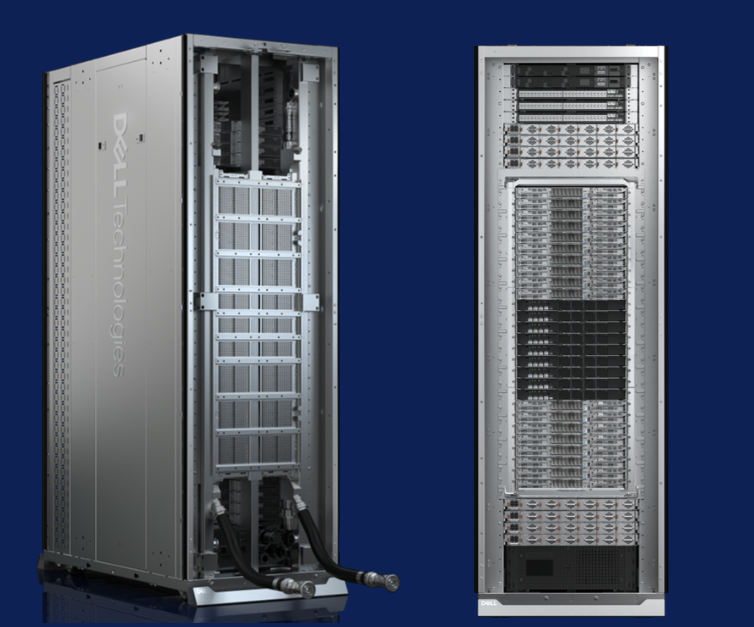
Dell Technologies is currently experiencing significant challenges in meeting the surging demand for its AI servers, primarily due to supply chain bottlenecks and production constraints.(Investing.com)

Key Bottlenecks Affecting Dell's Supply Chain:

  1. High Demand for AI Servers:
    Dell has reported an unprecedented $12.1 billion in AI server orders this quarter alone, surpassing all of fiscal 2025’s shipments, and leaving a backlog of $14.4 billion.

  2. Component Shortages:
    The availability of critical components, especially high-performance GPUs from suppliers like NVIDIA and AMD, remains a significant constraint. Any disruptions or shortages in the supply chain could lead to delays in shipments and potentially impact Dell’s ability to capitalize on the current AI boom.

  3. Technical Challenges with Advanced AI Racks:
    Dell and its partners have faced technical issues with Nvidia's flagship GB200 AI data center racks, including overheating, liquid cooling leaks, software bugs, and chip connectivity problems due to the system's complex design. These issues had previously disrupted production but have since been resolved, enabling increased shipments.

  4. Manufacturing and Assembly Constraints:
    Dell's manufacturing strategy has been impacted by chipset supply shortages, leading to increased reliance on Level 5 (L5) assembly, which involves chassis integration without motherboards. This shift has significantly affected operational costs and the company's ability to meet customer demand promptly.

  5. Supply Chain Resilience Efforts:
    In response to these challenges, Dell has instructed its semiconductor suppliers to diversify their fabrication and backend facilities by the end of 2024 to improve supply chain resilience. This move aims to mitigate future disruptions and continue supporting its global business.

Despite these hurdles, Dell continues to adapt its strategies to address supply chain issues and meet the growing demand for AI infrastructure.

Solve Drinking Water


Why the World Must Unite to Solve the Drinking Water Crisis—Now

In 2025, over 700 million people still lack access to clean drinking water. This isn't just a humanitarian crisis; it's a solvable problem that demands immediate, collective action.


The Cost of Inaction

The World Bank estimates that achieving universal access to safe drinking water and sanitation in 140 low- and middle-income countries would cost about USD 114 billion per year. Yet, the global community currently allocates only a fraction of this amount, leaving a significant funding gap. (UNESCO, Time)

Meanwhile, the consequences of inadequate water access are dire. Every day, women and girls around the world spend an estimated 200 million hours collecting water, time that could be spent on education or economic activities. Moreover, waterborne diseases remain a leading cause of death in many developing regions.(charity: water)


The Economic Argument

Investing in water infrastructure isn't just morally imperative; it's economically sound. Access to clean water and sanitation can yield up to $86 billion per year in greater productivity and reduced health costs. Furthermore, every dollar invested in water and sanitation can generate up to $4 in economic returns.(World Economic Forum)


A Call for Collective Action

Solving the global water crisis requires a unified effort from governments, billionaires, non-profits, and corporations. Philanthropic organizations like charity: water have made significant strides, funding over 154,000 water projects and bringing clean water to over 18 million people. However, these efforts need to be scaled up dramatically.(moodofliving.com)

Governments must prioritize water infrastructure in their budgets. Corporations can contribute through sustainable practices and funding. Billionaires and philanthropic organizations have the resources to make substantial impacts. By working together, we can close the funding gap and ensure that everyone has access to clean drinking water.


Conclusion

The global water crisis is a solvable problem. With coordinated action and adequate funding, we can provide clean drinking water to all, improving health outcomes, economic productivity, and quality of life worldwide. The time to act is now.


Roadmaps To "Energy Too Cheap To Meter"


In his blog post "Star Trek Vision: Energy Too Cheap To Meter," Albert Wenger envisions a future where energy is so abundant and affordable that metering consumption becomes obsolete. This concept, reminiscent of the utopian ideals portrayed in Star Trek, suggests a transformative shift in our energy systems, driven by advancements in solar power, energy storage, and grid infrastructure.

To transition from our current energy landscape to this envisioned future, multiple plausible roadmaps can be considered. Each pathway leverages different technological, infrastructural, and policy developments to achieve the goal of abundant, nearly free energy.


Roadmap 1: Solar-Centric Infrastructure

2025–2035: Accelerated Solar Deployment

  • Massive Investment in Solar Energy: Governments and private sectors invest heavily in solar panel manufacturing and installation, making solar the primary energy source in many regions.

  • Advancements in Energy Storage: Development of cost-effective battery technologies and other storage solutions to address the intermittency of solar power.

  • Grid Modernization: Upgrading existing grids to handle decentralized energy production, incorporating smart grid technologies for efficient energy distribution.(IRENA)

2035–2045: Integration and Optimization

  • High-Voltage DC Transmission Lines: Construction of long-distance transmission lines to transport solar energy from high-production areas to regions with higher demand.

  • Synthetic Fuels and Energy Carriers: Development of synthetic fuels produced using excess solar energy, facilitating energy transport and storage.(Continuations)

  • Policy Reforms: Implementation of policies that phase out fossil fuel subsidies and incentivize renewable energy adoption.

2045–2055: Realization of Abundant Energy

  • Energy Costs Plummet: With widespread solar adoption and efficient storage, the marginal cost of energy approaches zero.(Continuations)

  • Universal Access: Energy becomes universally accessible, supporting economic growth and improving quality of life globally.(IEA)


Roadmap 2: Fusion Power Breakthrough

2025–2035: Research and Development

  • Investment in Fusion Research: Significant funding directed toward fusion energy research, including public-private partnerships.(Wikipedia)

  • Prototype Reactors: Construction and testing of prototype fusion reactors to demonstrate feasibility and address technical challenges.

2035–2045: Commercialization

  • Operational Fusion Plants: Deployment of the first commercial fusion power plants, providing a new source of clean, abundant energy.(Wikipedia)

  • Grid Integration: Integration of fusion energy into existing grids, complementing renewable sources and enhancing energy reliability.

2045–2055: Global Expansion

  • Scaling Up: Rapid expansion of fusion power infrastructure globally, reducing dependence on fossil fuels.

  • Economic Transformation: Drastic reduction in energy costs stimulates innovation and economic development across various sectors.


Roadmap 3: AI-Driven Energy Optimization

2025–2035: Digitalization of Energy Systems

  • Smart Grids: Implementation of AI-powered smart grids that optimize energy distribution and consumption in real-time.

  • Predictive Maintenance: Use of AI for predictive maintenance of energy infrastructure, reducing downtime and operational costs.

2035–2045: Autonomous Energy Management

  • AI-Controlled Microgrids: Deployment of autonomous microgrids managed by AI, capable of self-balancing and responding to local energy demands.

  • Dynamic Pricing Models: AI algorithms manage dynamic pricing, encouraging energy use during periods of surplus and promoting efficiency.

2045–2055: Seamless Energy Ecosystem

  • Integrated Energy Networks: A fully integrated, AI-managed energy ecosystem that ensures optimal energy distribution, minimal waste, and near-zero marginal costs.

  • Empowered Consumers: Consumers become active participants in energy markets, with AI tools enabling informed decisions and energy sharing.


Conclusion

Achieving a future where energy is "too cheap to meter" requires a multifaceted approach, combining technological innovation, infrastructure development, and policy reform. Whether through the widespread adoption of solar energy, breakthroughs in fusion power, or AI-driven optimization of energy systems, each roadmap presents a viable path toward abundant, affordable energy. Realizing this vision will not only address pressing challenges like climate change and energy poverty but also unlock unprecedented opportunities for human advancement.

For further insights into this vision, you can read Albert Wenger's original blog post here: Star Trek Vision: Energy Too Cheap To Meter.