
Giant lunar base with AI satellite factories and a mass driver to shoot them into deep space (of course)
— Elon Musk (@elonmusk) December 19, 2025

When Bureaucracy Meets the Moon: Elon Musk, a “Permanent Lunar Outpost,” and the Art of Thinking Too Small
In late 2025, a single tweet exposed the vast gulf between how governments talk about space—and how Elon Musk imagines it.
The exchange began when Eric Berger (@SciGuySpace), senior editor at Ars Technica and one of the most respected space journalists working today, shared a screenshot from a U.S. space policy document. The passage, written in familiar Washington prose, stated:
“(ii) Establishing the initial elements of a permanent lunar outpost by 2030 to ensure a sustained American presence in space and enable the next steps in Mars exploration.”
Berger’s reaction was not ideological but analytical. What, exactly, does a “permanent lunar outpost” mean?
Is it:
A small surface habitat on the Moon?
NASA’s Lunar Gateway—an orbiting station often described as a “spaceport”?
Or deliberately vague language designed to satisfy multiple stakeholders without committing to any one vision?
The phrasing matters. Words like initial elements and permanent presence sound bold, but they can just as easily mask incrementalism. In space policy, ambiguity is often a feature, not a bug—allowing budgets to pass today while deferring hard decisions to tomorrow.
Enter Elon Musk.
Elon’s Reply: Escalation as a Philosophy
Musk responded to Berger’s tweet with a single line:
“Giant lunar base with AI satellite factories and a mass driver to shoot them into deep space (of course)”
At first glance, it reads like a joke—classic Elon: deadpan, hyperbolic, casually sci-fi. But as with many Musk statements, the humor is merely the sugar coating for a serious provocation.
This was not an interpretation of the policy. It was a deliberate escalation.
Where government language tiptoes, Musk pole-vaults.
Let’s unpack what he’s actually implying.
1. A Giant Lunar Base: Beyond Flags and Footprints
When policymakers say “initial elements of a lunar outpost,” they often mean something modest: a few modules, rotating crews, limited duration stays.
Musk’s phrase—giant lunar base—obliterates that framing.
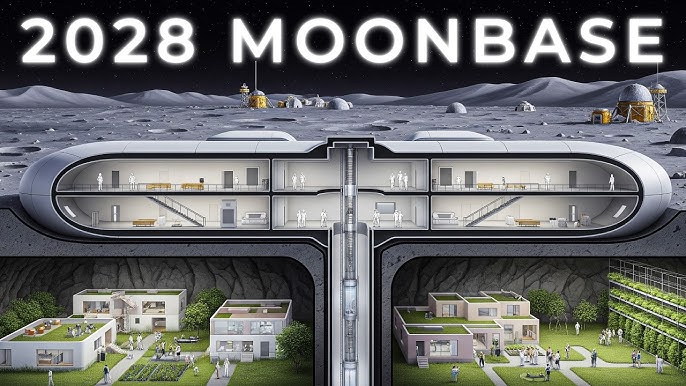
He is imagining something closer to an off-world industrial city: large-scale, semi-autonomous, and designed not just for exploration, but for production. A place that doesn’t merely exist on the Moon, but uses the Moon.
This aligns with his long-standing vision of humanity as a multi-planetary species. In that vision, the Moon is not a destination—it’s infrastructure. A logistics hub between Earth and Mars. A staging ground, warehouse, refinery, and launchpad rolled into one.
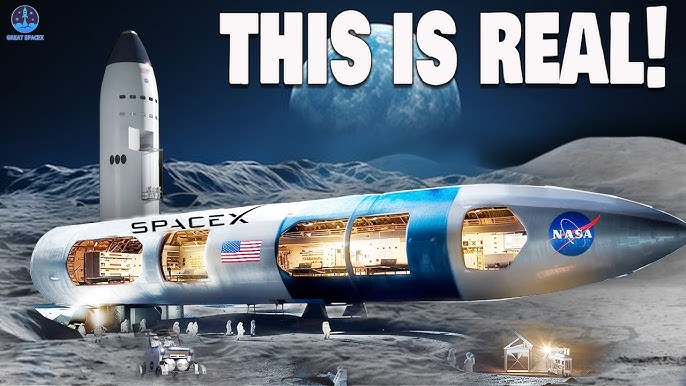
With SpaceX’s Starship—designed for massive payloads and rapid reusability—the Moon stops being a distant rock and starts looking like a nearby industrial park.
2. AI Satellite Factories: Manufacturing Without Earth
Perhaps the most radical part of Musk’s tweet is also the least discussed: AI satellite factories.
This is not about assembling satellites more efficiently. It’s about changing where manufacturing happens—and who does the work.
The Moon offers three extraordinary advantages:
Low gravity (one-sixth of Earth’s), reducing structural constraints.
Vacuum, ideal for certain manufacturing processes.
Abundant raw materials, including metals and water ice.
Now add AI.
An AI-run factory doesn’t need oxygen, sleep, or a return ticket. It can mine, refine, fabricate, test, and iterate continuously. Satellites could be designed, built, and optimized on the Moon itself—possibly incorporating lunar materials—then launched directly into space.
This is the logical extension of Musk’s broader worldview: automation first, humans later. Let machines build the scaffolding of civilization, then let people move in.
In this sense, the Moon becomes less like Antarctica and more like the world’s first fully automated industrial zone.
3. The Mass Driver: Launching Without Rockets
The final—and most science-fiction-sounding—piece is the mass driver.
A mass driver is essentially an electromagnetic catapult: a long track that accelerates payloads using magnetic fields until they reach escape velocity. No chemical rockets. No fuel. Just physics.
On Earth, this is impractical. Gravity is too strong, the atmosphere too thick, and safety concerns overwhelming.
On the Moon?
Low gravity
No atmosphere
Vast open terrain
Suddenly, the idea becomes plausible.
A lunar mass driver could launch satellites, raw materials, or spacecraft components directly into orbit—or beyond—at a fraction of the cost of traditional rockets. Musk’s phrase “shoot them into deep space” suggests something even grander: using the Moon as a literal slingshot for Mars missions, asteroid exploration, or interstellar probes.
If rockets are ladders, mass drivers are conveyor belts.
“(Of Course)”: The Sharpest Part of the Joke
The parenthetical—(of course)—is the most revealing part of the tweet.
It’s irony sharpened into critique.
Musk is implicitly saying: If you’re serious about a permanent lunar presence, this is where the logic leads. Anything less is just symbolic occupation—flags, footprints, and press releases.
The joke isn’t that the idea is too big. The joke is that policy thinking is too small.
Reactions: From Burgers to Blueprints
The replies to Musk’s tweet reflected the full spectrum of public engagement with space:
Jokes about In-N-Out burgers and coffee shops on the Moon.
Diagrams explaining mass drivers to curious non-engineers.
Enthusiastic fans citing SpaceX’s launch cadence (over 165 launches in 2025) as evidence that Musk’s “jokes” often become reality.
Speculation about “deep space” as a way to reduce Earth-orbit congestion or enable faster interplanetary logistics.
Beneath the humor was a serious undercurrent: people are hungry for visions that feel commensurate with the moment.
The Bigger Picture: Speed vs. Gravity
At its core, this exchange captures a familiar tension.
Governments move like glaciers—slow, heavy, deliberate.
Musk moves like a rocket—fast, risky, and occasionally explosive.
The Artemis program, the Lunar Gateway, and renewed lunar ambitions do represent genuine progress. But Musk’s tweet exposes an uncomfortable truth: timelines framed around 2030 still feel timid when private actors are iterating on yearly cycles.
Whether or not a giant lunar base with AI factories and a mass driver ever materializes exactly as described is almost beside the point.
The tweet’s real function is catalytic.
It forces a question that policy documents often avoid:
If we’re going to the Moon to stay, what does “staying” actually mean?
And once that question is asked honestly, the answer starts to look a lot less like an outpost—and a lot more like a civilization in the making.
जब नौकरशाही का सामना चंद्रमा से होता है: एलन मस्क, “स्थायी चंद्र चौकी” और बहुत छोटा सोचने की कला
2025 के अंत में, एक साधारण-सा ट्वीट इस बात को उजागर कर गया कि सरकारें अंतरिक्ष के बारे में कैसे बात करती हैं—और एलन मस्क उसे कैसे कल्पना में देखते हैं—इन दोनों के बीच कितनी गहरी खाई है।
यह संवाद तब शुरू हुआ जब @SciGuySpace के नाम से प्रसिद्ध एरिक बर्गर—Ars Technica के वरिष्ठ संपादक और आज के सबसे विश्वसनीय अंतरिक्ष पत्रकारों में से एक—ने एक अमेरिकी अंतरिक्ष नीति दस्तावेज़ का स्क्रीनशॉट साझा किया। उस अंश में, परिचित वॉशिंगटन शैली में लिखा था:
“(ii) 2030 तक एक स्थायी चंद्र चौकी के प्रारंभिक तत्वों की स्थापना, ताकि अंतरिक्ष में अमेरिका की निरंतर उपस्थिति सुनिश्चित की जा सके और मंगल अन्वेषण के अगले चरण सक्षम किए जा सकें।”
बर्गर की प्रतिक्रिया वैचारिक नहीं, बल्कि विश्लेषणात्मक थी।
आख़िर “स्थायी चंद्र चौकी” का वास्तविक अर्थ क्या है?
क्या यह है:
चंद्र सतह पर एक छोटा-सा मानव आवास?
नासा का लूनर गेटवे—एक परिक्रमा करता स्टेशन जिसे अक्सर “अंतरिक्ष बंदरगाह” कहा जाता है?
या जानबूझकर अस्पष्ट शब्दावली, ताकि बिना ठोस प्रतिबद्धता के सभी हितधारकों को संतुष्ट किया जा सके?
यह शब्दावली महत्वपूर्ण है। प्रारंभिक तत्व और स्थायी उपस्थिति जैसे शब्द साहसी लगते हैं, लेकिन अक्सर वे धीमी प्रगति को ढकने का काम भी करते हैं। अंतरिक्ष नीति में अस्पष्टता अक्सर एक रणनीति होती है—आज बजट पास कराने के लिए, और कठिन फैसलों को कल पर टालने के लिए।
और तभी प्रवेश होता है—एलन मस्क का।
एलन का जवाब: सोच को जानबूझकर “एस्केलेट” करना
मस्क ने बर्गर के ट्वीट का जवाब एक ही पंक्ति में दिया:
“AI सैटेलाइट फैक्ट्रियों और उन्हें डीप स्पेस में दागने के लिए एक मास ड्राइवर के साथ एक विशाल चंद्र आधार (बिल्कुल ही)।”
पहली नज़र में यह एक मज़ाक लगता है—क्लासिक एलन: शुष्क हास्य, अतिशयोक्ति, और हल्का-सा विज्ञान कथा का स्वाद।
लेकिन, मस्क के कई बयानों की तरह, यह हास्य सिर्फ आवरण है। भीतर एक गंभीर उकसावा छिपा है।
यह नीति की व्याख्या नहीं थी।
यह नीति से कहीं आगे छलांग थी।
जहाँ सरकारी भाषा धीरे चलती है, मस्क वहाँ लंबी छलांग लगाते हैं।
आइए देखें, वह वास्तव में क्या कह रहे हैं।
1. विशाल चंद्र आधार: झंडों और पदचिह्नों से आगे
जब नीति निर्माता “चंद्र चौकी के प्रारंभिक तत्व” कहते हैं, तो उनका मतलब अक्सर होता है:
कुछ मॉड्यूल, सीमित चालक दल, अस्थायी प्रवास।
मस्क का वाक्य—विशाल चंद्र आधार—इस पूरी सोच को नकार देता है।
वह किसी छोटे स्टेशन की नहीं, बल्कि एक ऑफ-वर्ल्ड औद्योगिक शहर की कल्पना कर रहे हैं:
अर्ध-स्वायत्त, बड़े पैमाने पर, और केवल खोज के लिए नहीं—उत्पादन के लिए।
एक ऐसी जगह जो चंद्रमा पर सिर्फ मौजूद न हो, बल्कि चंद्रमा का उपयोग करे।
यह उनकी दीर्घकालिक सोच से मेल खाता है—मानवता को बहु-ग्रहीय प्रजाति बनाने की सोच। इस दृष्टि में, चंद्रमा गंतव्य नहीं है; वह इन्फ्रास्ट्रक्चर है।
पृथ्वी और मंगल के बीच एक लॉजिस्टिक्स हब।
एक गोदाम, रिफाइनरी और लॉन्चपैड—सब एक साथ।
SpaceX के Starship जैसे यान के साथ, चंद्रमा दूर का सपना नहीं, बल्कि पास का औद्योगिक क्षेत्र बन जाता है।
2. AI सैटेलाइट फैक्ट्रियाँ: पृथ्वी के बिना निर्माण
मस्क के ट्वीट का सबसे क्रांतिकारी हिस्सा शायद सबसे कम चर्चा में आया: AI सैटेलाइट फैक्ट्रियाँ।
यह सिर्फ सैटेलाइट तेज़ी से बनाने की बात नहीं है।
यह सवाल है—निर्माण कहाँ होगा, और कौन करेगा।
चंद्रमा तीन असाधारण लाभ देता है:
कम गुरुत्वाकर्षण (पृथ्वी का छठा हिस्सा)
पूर्ण निर्वात
प्रचुर कच्चे संसाधन, जिनमें धातुएँ और जल-हिम शामिल हैं
अब इसमें जोड़िए—कृत्रिम बुद्धिमत्ता।
AI फैक्ट्री को न ऑक्सीजन चाहिए, न नींद, न वापसी टिकट।
वह खनन कर सकती है, शोधन कर सकती है, निर्माण और परीक्षण कर सकती है—लगातार।
संभव है कि सैटेलाइट वहीं डिज़ाइन हों, वहीं बनें, और वहीं से सीधे अंतरिक्ष में भेज दिए जाएँ।
यह मस्क की मूल सोच का विस्तार है:
पहले मशीनें, बाद में इंसान।
मशीनें सभ्यता का ढांचा तैयार करें—फिर मानव उसमें प्रवेश करें।
इस तरह चंद्रमा मानव चौकी नहीं, बल्कि दुनिया का पहला पूर्ण-स्वचालित औद्योगिक क्षेत्र बन जाता है।
3. मास ड्राइवर: बिना रॉकेट के लॉन्च
सबसे विज्ञान-कथा-सा विचार है—मास ड्राइवर।
मास ड्राइवर मूलतः एक विद्युतचुंबकीय गुलेल है—एक लंबा ट्रैक जो चुंबकीय बलों से पेलोड को इतनी गति देता है कि वह पलायन वेग प्राप्त कर ले।
न रॉकेट ईंधन, न रासायनिक विस्फोट—सिर्फ भौतिकी।
पृथ्वी पर यह लगभग असंभव है।
लेकिन चंद्रमा पर?
कम गुरुत्वाकर्षण
कोई वायुमंडल नहीं
विशाल खाली भूमि
यह विचार अचानक व्यावहारिक लगने लगता है।
एक चंद्र मास ड्राइवर सैटेलाइट, कच्चा माल, या अंतरिक्ष यान के हिस्से सीधे कक्षा या उससे आगे भेज सकता है—बहुत कम लागत पर।
“डीप स्पेस में दागना” इस ओर इशारा करता है कि चंद्रमा मंगल, क्षुद्रग्रहों या यहाँ तक कि अंतरतारकीय मिशनों के लिए स्लिंगशॉट बन सकता है।
यदि रॉकेट सीढ़ियाँ हैं, तो मास ड्राइवर कन्वेयर बेल्ट हैं।
“(बिल्कुल ही)”: मज़ाक का सबसे तीखा हिस्सा
(बिल्कुल ही)—यही सबसे महत्वपूर्ण वाक्यांश है।
यह व्यंग्य है, लेकिन आलोचना भी।
मस्क मानो कह रहे हों:
अगर आप सच में स्थायी चंद्र उपस्थिति चाहते हैं, तो तर्क यहीं तक ले जाता है।
इसके अलावा सब कुछ केवल प्रतीकात्मक उपस्थिति है—झंडे, पदचिह्न और प्रेस विज्ञप्तियाँ।
मज़ाक यह नहीं है कि विचार बहुत बड़ा है।
मज़ाक यह है कि नीति की सोच बहुत छोटी है।
प्रतिक्रियाएँ: बर्गर से ब्लूप्रिंट तक
ट्वीट पर प्रतिक्रियाएँ अंतरिक्ष को लेकर समाज की पूरी मानसिकता दिखाती हैं:
चंद्रमा पर In-N-Out बर्गर की दुकान के मज़ाक
मास ड्राइवर समझाने वाले सरल चित्र
SpaceX की 2025 की 165+ लॉन्च संख्या गिनाने वाले उत्साही समर्थक
“डीप स्पेस” को पृथ्वी की कक्षा भीड़ से बचाने का उपाय मानने वाले विचार
हँसी के पीछे एक गंभीर भावना थी—लोग ऐसे विज़न चाहते हैं जो समय की मांग के अनुरूप हों।
बड़ी तस्वीर: गति बनाम जड़ता
यह पूरा संवाद एक पुराने तनाव को उजागर करता है।
सरकारें हिमनद की तरह चलती हैं—धीमी, भारी, सावधान।
एलन मस्क रॉकेट की तरह—तेज़, जोखिम भरे, और कभी-कभी विस्फोटक।
Artemis कार्यक्रम और चंद्र योजनाएँ वास्तविक प्रगति हैं।
लेकिन मस्क का ट्वीट एक असहज सवाल उठाता है:
अगर हम चंद्रमा पर रहने जा रहे हैं, तो “रहना” वास्तव में क्या है?
और जब इस प्रश्न का ईमानदारी से उत्तर खोजा जाता है,
तो उत्तर एक चौकी जैसा नहीं,
बल्कि एक उभरती हुई सभ्यता जैसा दिखने लगता है।

No comments:
Post a Comment