Pages

Wednesday, May 07, 2025

100 Tech Startup Ideas Centered Around The AI Agent Paradigm


100 Tech Startup Ideas Centered Around The AI Agent Paradigm, spanning industries such as productivity, healthcare, education, finance, logistics, legal, and more. Each idea leverages AI agents as autonomous or semi-autonomous workers, assistants, or problem solvers.


🔧 Productivity & Workflow Automation

  1. InboxZero Agent – An AI that processes, replies to, and archives emails automatically.

  2. Meeting Scribe Agent – Joins Zoom/Meet calls, transcribes, summarizes, and creates tasks.

  3. AI Executive Assistant – Handles scheduling, reminders, and smart follow-ups.

  4. Task Delegator Bot – Distributes team tasks based on priority and workload.

  5. Content Research Agent – Scours the internet for topic research and trend analysis.

  6. Multilingual Email Agent – Translates and sends emails in multiple languages.

  7. Onboarding AI Agent – Trains new employees using company-specific workflows.


📈 Sales & Marketing

  1. AI SDR Agent – Automates outbound prospecting with personalized messages.

  2. Pitch Deck Builder Agent – Builds investor decks tailored to pitch targets.

  3. Ad Copy Generator Agent – Creates copy and creative suggestions across platforms.

  4. SEO Optimization Agent – Audits and fixes websites to rank higher in search.

  5. Market Research Agent – Conducts competitor analysis and user persona generation.

  6. Social Media Agent – Posts and engages on social media with brand tone.

  7. Funnel Optimizer Agent – Continuously A/B tests and optimizes sales funnels.

  8. Voice Sales Agent – Conversational AI that calls leads and qualifies them.

  9. Proposal Generator Agent – Crafts tailored proposals for RFPs and prospects.


📚 Education & Training

  1. Personal AI Tutor – Provides one-on-one tutoring in any subject.

  2. Course Builder Agent – Converts raw notes or books into e-learning modules.

  3. Exam Prep Agent – Creates quizzes, flashcards, and study plans.

  4. Corporate Training Agent – Personalizes learning for employee upskilling.

  5. Language Buddy Agent – Speaks and teaches in a target language conversationally.

  6. Reading Companion Agent – Summarizes and explains textbooks or PDFs in real time.

  7. Essay Feedback Agent – Edits and gives detailed writing improvement suggestions.


🏥 Healthcare & Wellness

  1. Symptom Checker Agent – Provides initial diagnostic suggestions.

  2. Mental Health Coach Agent – Provides CBT-based chat coaching.

  3. Fitness Coach Agent – Builds workout routines and gives feedback.

  4. Nutrition Planner Agent – Personalized meal planning based on health goals.

  5. Medication Reminder Agent – Alerts patients when to take meds.

  6. Chronic Condition Tracker Agent – Logs and monitors symptoms for physicians.

  7. Health Records AI Agent – Extracts structured info from EMRs and notes.


💰 Finance & Investing

  1. AI Tax Assistant Agent – Helps individuals or small businesses file taxes.

  2. Budget Buddy Agent – Automatically tracks expenses and recommends savings.

  3. Stock Analyst Agent – Monitors markets and suggests investment strategies.

  4. Financial Literacy Coach Agent – Teaches personal finance concepts via chat.

  5. Invoice Reconciliation Agent – Matches payments to invoices and flags anomalies.

  6. Crypto Portfolio AI Agent – Manages and rebalances crypto investments.


🏛️ Legal & Compliance

  1. Contract Drafting Agent – Creates contracts with legal best practices.

  2. AI Paralegal Agent – Summarizes legal documents and court rulings.

  3. Compliance Checker Agent – Ensures company policies align with regulations.

  4. Case Law Research Agent – Searches and summarizes precedents.

  5. Intellectual Property Agent – Drafts patents and checks for IP conflicts.


🏬 E-Commerce & Retail

  1. Product Description Agent – Generates engaging descriptions and SEO tags.

  2. AI Buyer Agent – Recommends inventory purchases based on trends.

  3. Customer Support Agent – Answers FAQs and resolves issues across channels.

  4. Review Monitor Agent – Flags bad reviews and suggests responses.

  5. Pricing Strategy Agent – Dynamically adjusts pricing to market conditions.

  6. Returns Optimizer Agent – Analyzes return data and suggests fixes.


🚚 Logistics & Operations

  1. Fleet Manager AI Agent – Optimizes routing, fuel usage, and maintenance.

  2. Supply Chain Risk Agent – Monitors global events and supply chain disruptions.

  3. Procurement Assistant Agent – Auto-sources and negotiates with vendors.

  4. Warehouse Efficiency Agent – Recommends layout and staff movement changes.


🏙️ Smart Cities & Real Estate

  1. Traffic Flow Agent – Suggests smart signals and reroutes.

  2. Real Estate Valuation Agent – Predicts price trends based on data.

  3. Tenant Management Agent – Handles maintenance requests and rent reminders.

  4. Urban Planning Agent – Simulates zoning, infrastructure, and citizen movement.


🎮 Gaming & Entertainment

  1. Story World Builder Agent – Generates NPCs, quests, and lore.

  2. AI Dungeon Master Agent – Runs tabletop RPG sessions.

  3. Personalized Game Tester Agent – Flags bugs and user experience issues.

  4. Fan Engagement Agent – Responds to fan queries in character.


🎨 Creative & Content

  1. Book Writer Agent – Collaborates on plot, characters, and prose.

  2. Video Editor Agent – Cuts and styles video to match trends.

  3. Scriptwriting Agent – Generates outlines and dialogue for scenes.

  4. Interior Design Agent – Creates 3D layouts from prompts and budgets.

  5. Voice Actor Agent – Uses AI voices to dub scripts in different accents.


🧠 Science & Research

  1. Grant Writing Agent – Drafts and edits funding proposals.

  2. Literature Review Agent – Summarizes academic papers in seconds.

  3. Lab Notebook Agent – Records and tags experimental procedures.

  4. Simulation Modeling Agent – Runs predictive simulations across datasets.


🧳 Travel & Lifestyle

  1. Travel Itinerary Agent – Builds day-by-day trip plans.

  2. Language Translator Agent – Voice-based interpreter in real-time.

  3. Cultural Coach Agent – Teaches local etiquette and laws.

  4. Jet Lag Manager Agent – Suggests sleep and light exposure schedules.


🧾 SMB Operations

  1. Hiring Assistant Agent – Screens resumes and ranks applicants.

  2. Onboarding Agent – Customizes early training materials.

  3. Payroll Bot Agent – Ensures accurate payroll and filing.

  4. Business Plan Builder Agent – Creates full decks and projections.


🧍 Consumer AI Companions

  1. AI Friend Agent – Ongoing emotional support and companionship.

  2. Virtual Life Coach Agent – Tracks goals and provides encouragement.

  3. Dating Profile Agent – Helps improve dating bios and responses.

  4. Parenting Assistant Agent – Offers tips and reminders for new parents.


🛡️ Security & Surveillance

  1. Cyber Threat Monitoring Agent – Detects and responds to online threats.

  2. Phishing Detector Agent – Identifies suspicious emails.

  3. Home Monitoring Agent – Analyzes video for unusual activity.

  4. Risk Compliance Agent – Tracks security policies and anomalies.


🛰️ AI + Hardware Integrations

  1. Factory Robot Supervisor Agent – Real-time performance monitoring and QA.

  2. Home Energy Agent – Optimizes power use with smart meter data.

  3. Drone Mission Agent – Plans and coordinates drone-based deliveries or inspections.

  4. Smart Fridge Agent – Orders groceries based on usage and expiry.


🧮 Developer & Technical Tools

  1. Code Review Agent – Suggests fixes and best practices.

  2. Debugging Agent – Traces bugs across files and suggests patches.

  3. DevOps Agent – Automates deployment and infrastructure scaling.

  4. API Integrator Agent – Hooks multiple tools together with minimal prompts.


🌍 Social Good & Accessibility

  1. Climate Impact Agent – Tracks and advises on emissions footprints.

  2. Disaster Response Agent – Coordinates aid and real-time maps.

  3. Accessibility Advocate Agent – Audits websites for accessibility issues.

  4. Policy Advocate Agent – Drafts memos and simulates social policy impacts.


🧪 Wild Cards & Novelty

  1. AI Philosopher Agent – Discusses ethics, consciousness, and purpose.

  2. Startup Idea Generator Agent – Like this one—an agent that ideates startups.

  3. Dream Interpreter Agent – Uses Jungian/Freudian analysis to interpret dreams.

  4. AI-Run Startup Agent – An agent that builds and iterates businesses on its own.



Nabeel Qureshi: Islam

The Last Age of War, The First Age of Peace: Lord Kalki, Prophecies, and the Path to Global Redemption
Prophecies Are Proof Of God
The Most Awaited Person In Human History Is Here
Nepal: The Vishwa Guru Of A New Economic Era (English and Hindi)

The Last Age of War, The First Age of Peace: Lord Kalki, Prophecies, and the Path to Global Redemption
Prophecies Are Proof Of God
The Most Awaited Person In Human History Is Here
Nepal: The Vishwa Guru Of A New Economic Era (English and Hindi)

The Last Age of War, The First Age of Peace: Lord Kalki, Prophecies, and the Path to Global Redemption
Prophecies Are Proof Of God
The Most Awaited Person In Human History Is Here
Nepal: The Vishwa Guru Of A New Economic Era (English and Hindi)

The Last Age of War, The First Age of Peace: Lord Kalki, Prophecies, and the Path to Global Redemption
Prophecies Are Proof Of God
The Most Awaited Person In Human History Is Here
Nepal: The Vishwa Guru Of A New Economic Era (English and Hindi)

The Last Age of War, The First Age of Peace: Lord Kalki, Prophecies, and the Path to Global Redemption
Prophecies Are Proof Of God
The Most Awaited Person In Human History Is Here
Nepal: The Vishwa Guru Of A New Economic Era (English and Hindi)

Tuesday, May 06, 2025

Pre-seed, Seed, Series A, Growth, Late Stage, and Exit: Tech Startup Stages

Key Points

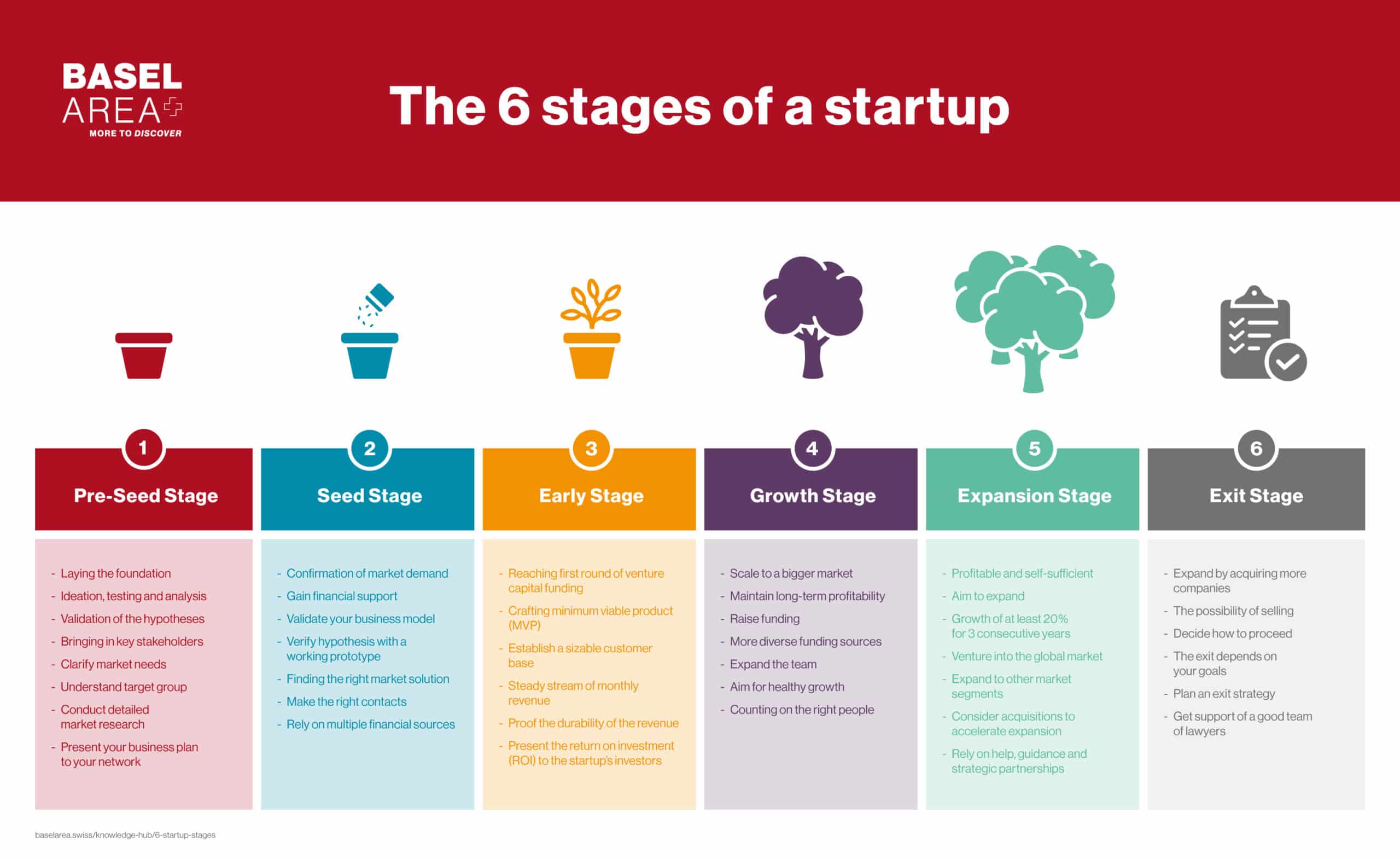
- Tech startups typically progress through stages like Pre-seed, Seed, Series A, Growth, Late Stage, and Exit, each with unique challenges.

- Research suggests early stages face high failure rates due to market need validation and cash flow issues.

- It seems likely that funding and scaling are major hurdles at later stages, with significant variation by industry.

Stages and Challenges Overview

Tech startups generally follow a lifecycle with distinct phases, each presenting specific challenges:

- Pre-seed Stage: Focuses on idea validation and market research, often self-funded. Challenges include gauging market demand and limited resources, with 35% failing due to no market need.

- Seed Stage: Involves developing an MVP and securing initial funding. Challenges include funding acquisition and cash flow, with 80% failing due to financial issues. Median seed round is $3.5M.

- Series A: Scaling with venture capital, needing proven growth. Challenges include demonstrating traction, with less than 10% of seed startups succeeding. Median pre-money valuation is $40M.

- Growth Stage (Series B/C): Expanding operations, preparing for IPO. Challenges include scaling operations and sustaining growth, with median valuations of $116M (Series B) and $130M (Series C).

- Late Stage: Established, considering further expansion or exit. Challenges include sustaining success and deciding on next steps, with only 5% reaching Series D.

- Exit Stage: Going public (IPO) or selling, with complex implications. Challenges include valuation and transition, often rare to reach.


Funding and Financing Options

Each stage has typical financing options, from self-funding and angel investors in early stages to venture capital and private equity later, aiding in navigating these challenges.

Survey Note: Detailed Analysis of Tech Startup Stages and Challenges

Tech startups represent a dynamic and high-risk segment of the entrepreneurial landscape, characterized by innovation and rapid growth potential. This analysis delineates the various stages a tech startup typically undergoes, from inception to exit, and elucidates the unique challenges at each phase, drawing on recent data and industry insights as of May 2025. The discussion aims to provide a comprehensive understanding for founders, investors, and stakeholders, highlighting the complexities and opportunities at each juncture.

Stages of a Tech Startup

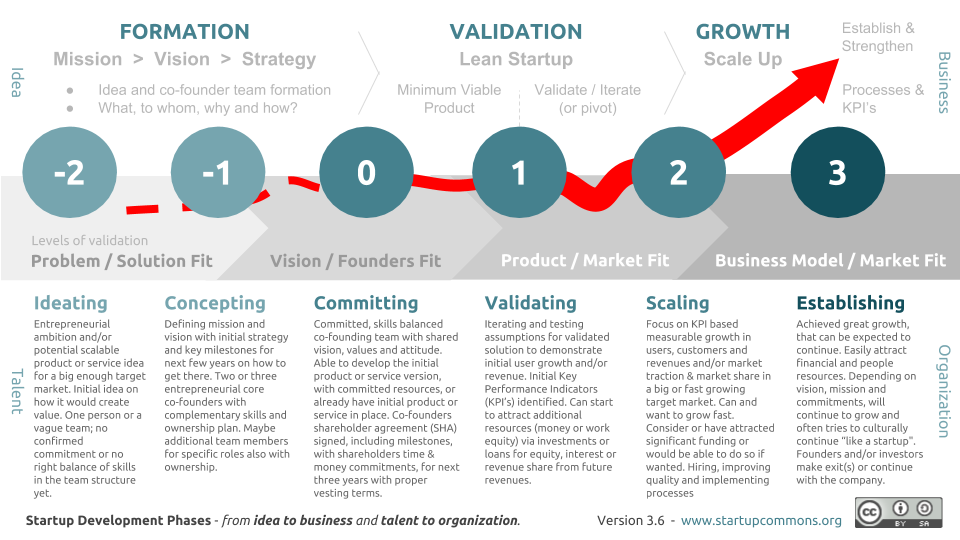
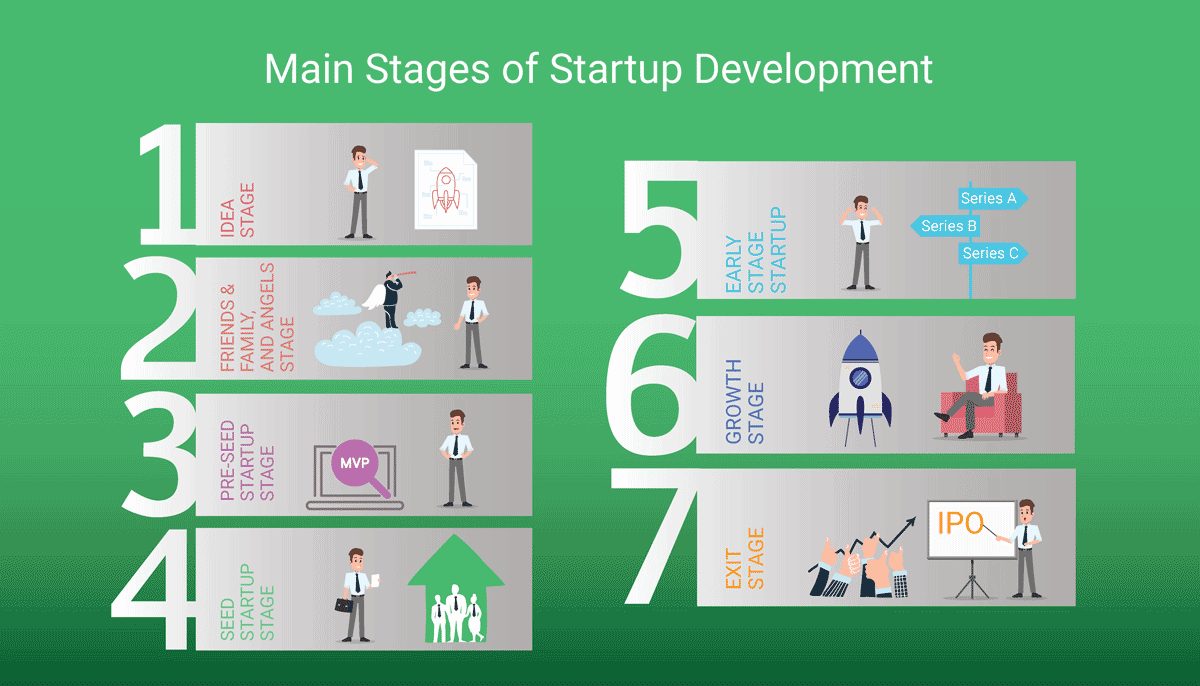
The lifecycle of a tech startup can be segmented into several key stages, each marked by distinct objectives and activities. The following breakdown, informed by multiple authoritative sources, offers a detailed progression:

1. Pre-seed Stage (Idea/Concept Phase):

   - Description: This initial phase involves validating the business idea, conducting market research, and defining the target audience. Founders often rely on personal savings or "friends and family" funding to kickstart operations.

   - Activities: Identifying customer needs, validating the problem, preparing legal documents, and seeking initial support.

   - Challenges: A significant hurdle is gauging market demand, with research indicating 35% of startups fail at this stage due to a lack of market need (Embroker (https://www.embroker.com/blog/startup-stages/)). Other challenges include differentiating from competitors and operating with limited resources and expertise, which can strain early efforts.

2. Seed Stage:

   - Description: Here, the focus shifts to building a foundation by developing a minimum viable product (MVP) and starting equity funding. This stage is critical for validating the initial value hypothesis.

   - Activities: Testing the MVP, raising money from incubators, crowdfunding, or angel investors, and ensuring product-market fit. Insurance, such as D&O, is often considered to mitigate risks.

   - Challenges: Securing funding is a major obstacle, with a median seed round of $3.5M and pre-money valuation of $14.8M in Q1 2024 (Embroker(https://www.embroker.com/blog/startup-stages/)). Cash flow issues are prevalent, with 80% of startups failing at this stage due to financial constraints. Iterations to find the right solution can also risk non-validation, potentially requiring a pivot.

3. Series A:

   - Description: This stage marks the first venture capital financing, aimed at scaling the business and optimizing offerings. It requires demonstrating a proven growth track to attract investors.

   - Activities: Creating a pitch deck, getting a business valuation, and securing D&O insurance to protect against liabilities.

   - Challenges: Less than 10% of seed startups successfully raise Series A funding, highlighting the difficulty in proving traction (Embroker (https://www.embroker.com/blog/startup-stages/)). The median pre-money valuation for Series A was $40M in Q2 2024, adding pressure to meet investor expectations and ensure the MVP meets customer needs while expanding audiences.

4. Growth Stage (Series B/C):

   - Description: Focused on expanding operations, scaling the business, and preparing for an initial public offering (IPO), this stage involves securing major investments to fuel growth.

   - Activities: Securing larger venture capital (VC) rounds, expanding the team, exploring new markets, and preparing financial reporting for potential public scrutiny.

   - Challenges: Scaling can be tricky, with risks of overextending leading to failure. The median Series B valuation was $116M, and Series C was $130M in 2024, indicating significant financial stakes (Embroker (https://www.embroker.com/blog/startup-stages/)). Adjusting to new sectors or demands and securing funding for changes are additional hurdles, with a high failure rate noted in industry reports.

5. Late Stage (Expansion/Scaleup):

   - Description: At this point, the startup is established and profitable, considering further expansion or Series D funding. Goals include internationalization, entering new sectors, and significant hiring.

   - Activities: Final VC rounds (Series D, with only ~5% reaching this stage), deciding on new products, locales, or acquisitions, and forming agreements with large companies for infrastructure.

   - Challenges: Sustaining growth is critical, with challenges in seeking new markets and managing international expansion. The evidence leans toward this being a rare stage, requiring high potential and strength, with only about 5% moving to Series D (Embroker (https://www.embroker.com/blog/startup-stages/)).

6. Exit Stage:

   - Description: The final stage involves deciding to go public via an IPO or sell/merge, benefiting from the company's value. This is an optional phase, often seen as the culmination of successful growth.

   - Activities: Considering IPO implications, exploring sale or merger options, and ensuring a smooth transition for stakeholders.

   - Challenges: Reaching this stage is rare, with complex implications of going public, such as market volatility and valuation disputes. Deciding to sell involves navigating negotiations and ensuring shareholder value, as exemplified by private companies like Cargill, with $177B revenue in 2023 (Embroker (https://www.embroker.com/blog/startup-stages/)).


Detailed Challenges and Statistics

Each stage presents unique challenges, often exacerbated by high failure rates, particularly in the early phases. The following table summarizes key challenges and statistics, drawn from recent industry analyses:


These statistics underscore the high-risk nature of tech startups, with 90% overall failure rate noted, emphasizing the need for robust market validation and financial management (Embroker (https://www.embroker.com/blog/startup-stages/)).


Financing Options and Industry Context

Financing options vary by stage, reflecting the evolving needs of the startup. Early stages often rely on bootstrapping, public aid, and angel investors, while later stages leverage venture capitals and private equity. For instance, the construction industry saw over $1.3 billion USD invested in 2020, highlighting sector-specific trends (Cemex Ventures (https://www.cemexventures.com/startup-stages-phases/)). Scaleups, defined by over 20% annual growth in employees or turnover for the last three years, face unique expansion challenges, often requiring strategic partnerships with large companies for infrastructure.


Conclusion

Understanding the stages and challenges of a tech startup is crucial for navigating the entrepreneurial journey. From validating ideas in the Pre-seed stage to deciding on exits, each phase demands strategic planning and resource management. The high failure rates, particularly in early stages, underscore the importance of market fit and financial stability, while later stages require balancing growth with sustainability. This analysis, grounded in recent data, provides a roadmap for founders and stakeholders to anticipate and address these challenges effectively.


Key Citations

- What Are the 8 Stages of a Startup A Complete Guide (https://www.indeed.com/career-advice/career-development/startup-growth-stages)

- What are the three stages of a startup (https://www.svb.com/startup-insights/startup-growth/what-are-the-three-stages-of-a-startup/)

- The stages of a startup (https://www.embroker.com/blog/startup-stages/)

- What Are The Six Startup Stages (https://www.cemexventures.com/startup-stages-phases/)

6: Pakistan

The Likes of Warren Buffett We Will Never See Again

Beyond Motion: How Robots Will Redefine The Art Of Movement
ChatGPT For Business: A Workbook
Becoming an AI-First Organization
Quantum Computing: Applications And Implications
Challenges In AI Safety
AI-Era Social Network: Reimagined for Truth, Trust & Transformation

Trump’s Trade War
Peace For Taiwan Is Possible
The Last Age of War, The First Age of Peace: Lord Kalki, Prophecies, and the Path to Global Redemption
AOC 2028: : The Future of American Progressivism

Trump’s Trade War
Peace For Taiwan Is Possible
The Last Age of War, The First Age of Peace: Lord Kalki, Prophecies, and the Path to Global Redemption
AOC 2028: : The Future of American Progressivism

Trump’s Trade War
Peace For Taiwan Is Possible
The Last Age of War, The First Age of Peace: Lord Kalki, Prophecies, and the Path to Global Redemption
AOC 2028: : The Future of American Progressivism

Beyond Motion: How Robots Will Redefine The Art Of Movement
ChatGPT For Business: A Workbook
Becoming an AI-First Organization
Quantum Computing: Applications And Implications
Challenges In AI Safety
AI-Era Social Network: Reimagined for Truth, Trust & Transformation

Beyond Religion: The Real Contention is Between Good and Evil


Beyond Religion: The Real Contention is Between Good and Evil

Religious debates often center on doctrinal differences—who said what, which book is more authoritative, or what rules are superior. But these debates can obscure the deeper issue at the heart of human existence: the eternal conflict between good and evil. It is not merely a clash of civilizations or interpretations. It is a battle for the human soul.

And that is where Jesus—Yeshua, Isa, the Christ—stands uniquely radiant. He is not simply a figure to be debated. He is the living embodiment of good itself.


Jesus: More Than a Prophet

Islam affirms Jesus as a prophet, born of the Virgin Mary, performing miracles, and to return again in the end times. But it stops short of calling him the Son of God. From a Christian perspective, this is a profound theological error—not because of pride, but because it misses the very heart of who Jesus is.

Yes, Jesus was human. But He was not merely human. He was the Word made flesh (John 1:14), the image of the invisible God (Colossians 1:15), the one through whom all things were made (John 1:3). He was not sent only to deliver a message. He was the message.

To call Him "just a prophet" is like calling the sun a flashlight.


Good vs. Evil, Not Just Islam vs. Christianity

This is not a religious turf war. This is a cosmic moral war. It is not between Islam and Christianity, or East and West. It is between what is good and what is evil.

  • Good forgives. Evil avenges.

  • Good sacrifices. Evil consumes.

  • Good liberates. Evil enslaves.

  • Good uplifts truth. Evil hides in lies.

If a system encourages the beating of women, the killing of apostates, the glorification of conquest, and the silencing of dissent—does it matter what name it goes by? If it opposes Israel not because of borders, but because it hates the light of covenantal truth—what more needs to be said?

The fruit reveals the tree. And truth is known by its outcomes.


Jesus Rejected Power, Embraced the Cross

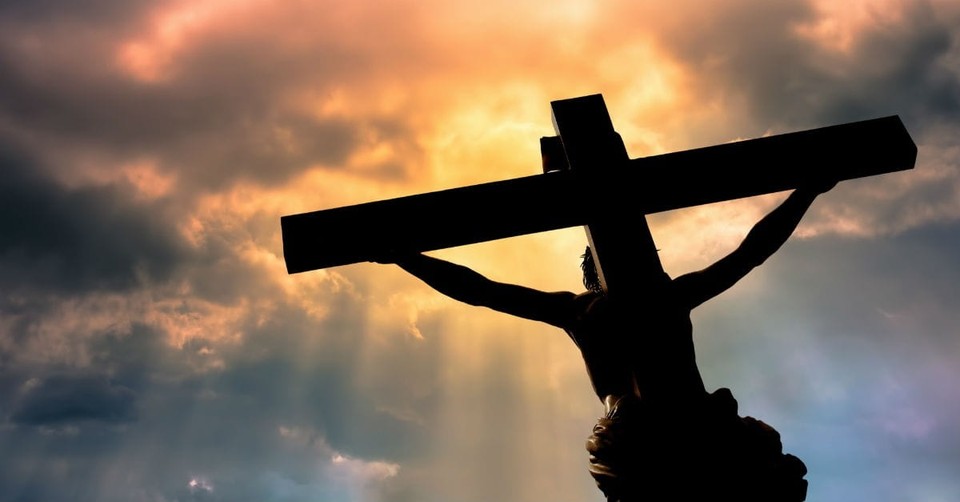
When offered kingship, Jesus refused. When His enemies nailed Him to a cross, He prayed for their forgiveness. He loved the leper, touched the unclean, raised the dead, and washed the feet of His betrayer. This is what ultimate good looks like.

To follow Jesus is not just to believe in His name. It is to walk in His light.

Any belief system—whether political, religious, or ideological—that rejects His nature is not simply incorrect. It is in rebellion against the very fabric of truth.


We Are Not Debating Equality of Views—We Are Discerning Light from Darkness

In a world obsessed with tolerance, it is considered offensive to say that some things are simply wrong. But to say "all paths are equal" is itself a lie—because some paths lead to truth, and some lead to tyranny.

Jesus said, “You will know them by their fruits.” (Matthew 7:16)

When ideologies produce fear, subjugation, and hatred, they have left the realm of legitimate religion and entered the domain of spiritual darkness.


The Real Contention: Right vs. Wrong

This is not Christian versus Muslim, Jew versus Gentile, or East versus West. It is Right versus Wrong. Light versus Darkness. Truth versus Deception.

Jesus was glad to be human, because in His humanity He restored dignity to all humanity. But He was also the divine Son, who alone could bridge the gap between sin and God. To deny that is not just theologically incorrect—it is spiritually catastrophic.

Islam may revere Jesus, but it refuses His cross. And by doing so, it refuses His greatest gift: redemption.


Conclusion: Choose the Good

The final war is not fought with tanks and missiles alone. It is fought in the heart. It is fought in the soul. It is fought in whether we bow to the truth or turn from it.

And in this battle, neutrality is not an option. Either we align with the Good that Jesus revealed—or we ally ourselves, knowingly or not, with darkness.

The question is not what religion you belong to. The question is: Do you love the truth enough to follow it wherever it leads—even to the foot of a cross?


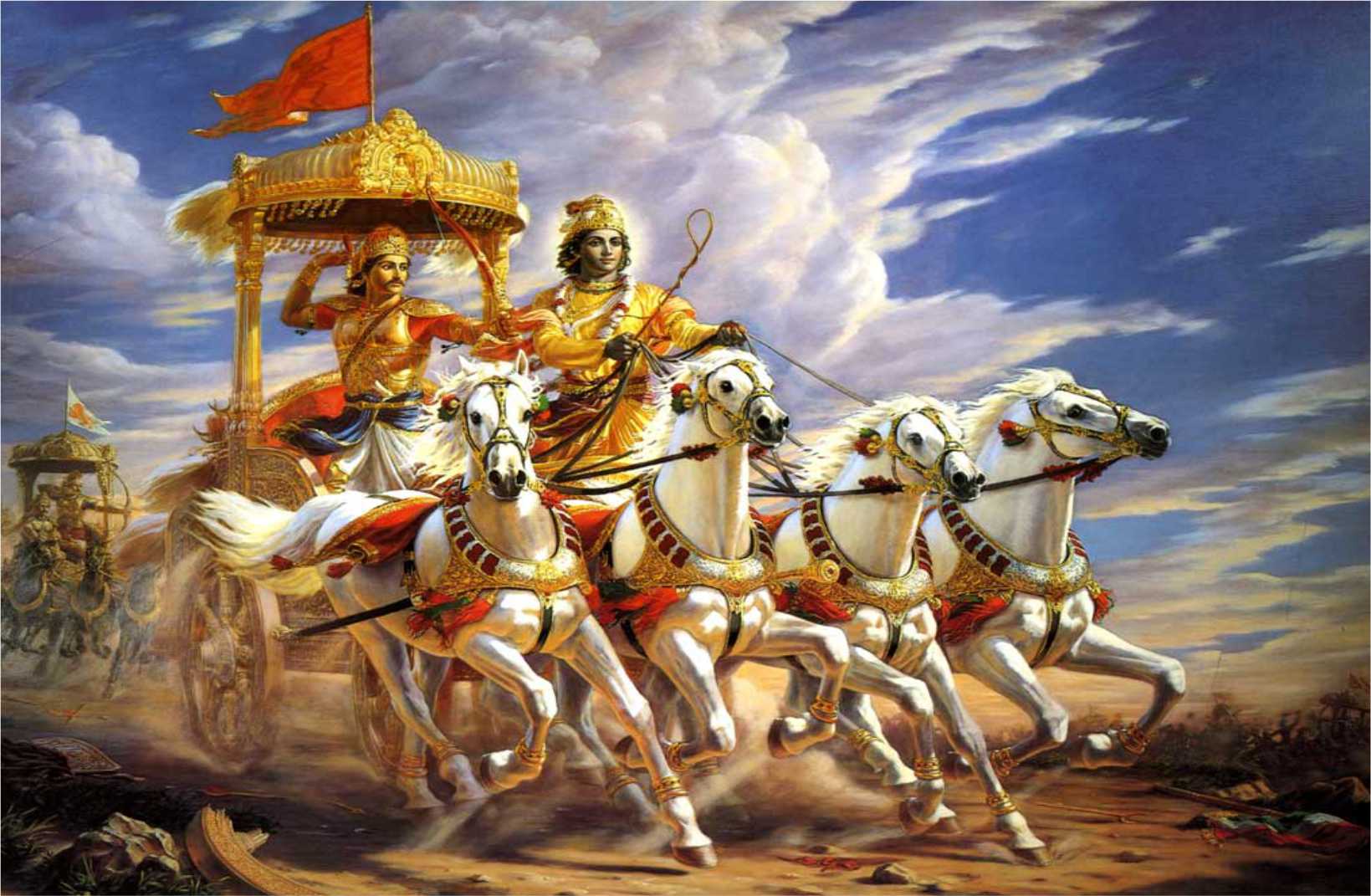
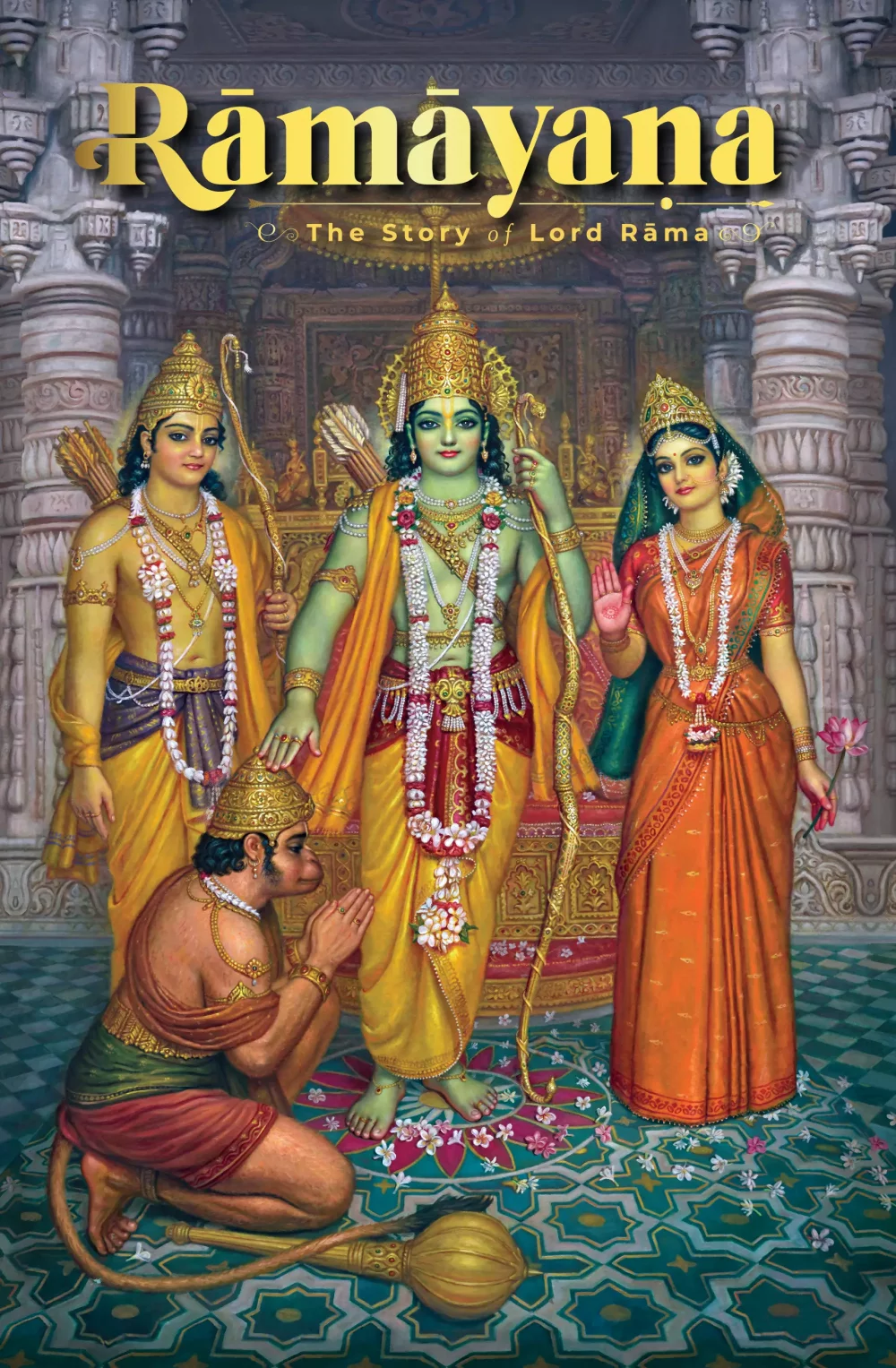
The Final War at the End of the Age: Lessons from the Ramayana, the Mahabharata, and the Kali Yuga These Are The End Times

Prophecy as the Proof of Scripture and the Reality of God
Second Coming Prophecies: Many Interpretations
The Common Thread of Prophecy: Bridging the Christian and Hindu Worldviews
Why Interfaith Dialogue Is the Only Way Forward in these End Times
Vishnu and the Holy Trinity: A Bridge Between Hinduism and Christianity
A House Divided: 40,000 Denominations and the Forgotten Call for Unity in Christ

The Last Age of War, The First Age of Peace: Lord Kalki, Prophecies, and the Path to Global Redemption
Prophecies Are Proof Of God
The Most Awaited Person In Human History Is Here
Nepal: The Vishwa Guru Of A New Economic Era (English and Hindi)


The Final War at the End of the Age: Lessons from the Ramayana, the Mahabharata, and the Kali Yuga


The Final War at the End of the Age: Lessons from the Ramayana, the Mahabharata, and the Kali Yuga

Throughout sacred history, war has never been glorified in the Hindu tradition. Instead, it is portrayed as a tragic but sometimes necessary culmination of long-unheeded warnings, broken dharma, and failed attempts at peace. In both the Ramayana and the Mahabharata, war only erupts after exhaustive diplomatic, spiritual, and moral interventions have failed. Yet in each epic, once war is waged, it irrevocably ends not just kingdoms—but entire ages.

As we live today in the Kali Yuga—the darkest and final age of the current cycle—the pattern from the earlier yugas is instructive. Every previous age ended in a war, and every war was preceded by divine messengers, moral crisis, and appeals to righteousness. If history, especially sacred history, repeats itself in cycles, then our own age may soon approach its own final reckoning.


I. The Ramayana: The War to End the Treta Yuga

The Ramayana, one of the oldest spiritual epics, culminates in a devastating war between Rama, the seventh avatar of Vishnu, and Ravana, the ten-headed king of Lanka. Ravana’s crime—kidnapping Sita, the epitome of feminine virtue and divine strength—was not just a personal offense. It was a cosmic disruption of dharma itself.

What’s remarkable is that Rama did not want war.

  • Hanuman was sent as a diplomat, not as a warrior. His mission was peaceful: to give Ravana a chance to return Sita and avoid the annihilation of his kingdom.

  • Vibhishana, Ravana’s own brother, defected and warned Ravana to change course, urging him to surrender Sita to avert destruction.

  • Multiple opportunities for truce were presented, and Ravana was warned of divine wrath.

Yet Ravana, blinded by pride and power, refused every offer.

The war that followed—between Rama's divine army and Ravana's demonic legions—was not just a military conflict. It symbolized a cosmic battle between dharma and adharma, order and chaos, divinity and ego. Ravana's fall marked the end of the Treta Yuga, the third age in the cycle of time. The death of such a mighty asura and the purification of the world signaled the descent into the Dvapara Yuga.


II. The Mahabharata: The War to End the Dvapara Yuga

If the Ramayana is a tale of righteousness versus evil, the Mahabharata is a more complex drama of family conflict, moral ambiguity, and dharmic dilemmas. The Kurukshetra war, fought between the Pandavas and the Kauravas, was one of the bloodiest conflicts in mythic history. And again, every attempt was made to avoid it.

  • Krishna himself, the eighth avatar of Vishnu, took the role of a peace ambassador. He asked Duryodhana for just five villages for the Pandavas—an unimaginable concession for royal heirs.

  • Bhishma, Vidura, Gandhari, and even Drona all warned Duryodhana, urging him to compromise.

  • Karna, upon learning of his true identity as the Pandavas’ brother, was implored by Krishna to join the righteous side and end the war before it began.

But Duryodhana, like Ravana, chose ego over truth. He famously declared that he knew what dharma was but had no desire to follow it.

The war that followed lasted 18 days and wiped out almost all of India's warrior class. Divine weapons rained destruction. Brothers killed brothers. Dharma was upheld, but at an unspeakable cost. The Dvapara Yuga ended with the war’s conclusion. The Kali Yuga began—an age prophesied to be one of moral decay, spiritual blindness, and escalating conflict.


III. The Pattern: Every Age Ends in War

When we look at the Ramayana and Mahabharata together, a clear pattern emerges:

Epic Age Catalyst for War Efforts to Avoid War Symbolic Meaning Result
Ramayana Treta Yuga Abduction of Sita Hanuman’s diplomacy, Vibhishana’s plea War of dharma vs adharma End of Treta Yuga
Mahabharata Dvapara Yuga Duryodhana’s stubbornness Krishna’s peace offer, advice of elders War of righteousness through destruction End of Dvapara Yuga

Both epics show that divine incarnations do not favor war. But when evil entrenches itself so deeply in the structures of society and power, war becomes the cleansing fire that resets the cosmic order.


IV. The Kali Yuga: Where We Stand Today

We now live in the Kali Yuga, the fourth and final age of the cycle. It is said to be a time when:

  • Dharma stands on only one leg (compared to four in Satya Yuga),

  • Falsehood reigns, and truth is mocked,

  • Material wealth replaces spiritual wealth,

  • Human beings live in ignorance of their divine nature.

According to many Hindu scriptures—including the Vishnu Purana, Bhagavata Purana, and Linga Purana—the Kali Yuga will end when Lord Kalki, the final avatar of Vishnu, descends to the earth.

He will ride a white horse, sword in hand, and wage a final war against the forces of evil. This will not be a war for territory or vengeance—it will be a divine act of restoration. The end of this war will mark the beginning of a new Satya Yuga, a return to truth, peace, and harmony.


V. Is the Final War Approaching?

Today’s world bears eerie resemblances to the prelude of past yuga-ending wars:

  • Diplomatic failures, nuclear proliferation, economic injustice, religious conflict, environmental destruction—these are the modern echoes of Ravana’s arrogance and Duryodhana’s obstinacy.

  • Many modern saints, seers, and spiritual teachers have warned that we are approaching the end of the Kali Yuga.

  • Technologies such as AI, space travel, and weaponry have reached a godlike scale—echoing the celestial weapons (astras) of the Mahabharata.

The final war may not be identical to the battles of Lanka or Kurukshetra, but the cosmic archetype remains the same: dharma will be reestablished by divine force, but only after humanity has refused every peaceful way.


VI. Conclusion: The Final Choice Before the Turning of the Age

The Ramayana and Mahabharata are more than stories of the past—they are mirrors to our present and guides to our future. They teach us that divine intervention always comes with warning, with mercy, with patience. But when humanity chooses pride, injustice, and blindness, then war becomes inevitable—not because the Divine desires it, but because dharma must be restored.

We are not helpless. Like Vibhishana, like Vidura, we can still be voices of truth. But we must recognize that time is short. If history is cyclical—and Hindu cosmology insists that it is—then we are standing at the threshold of another yuga-ending war.

May we have the wisdom to listen before the sword must speak again.


These Are The End Times

Prophecy as the Proof of Scripture and the Reality of God
Second Coming Prophecies: Many Interpretations
The Common Thread of Prophecy: Bridging the Christian and Hindu Worldviews
Why Interfaith Dialogue Is the Only Way Forward in these End Times
Vishnu and the Holy Trinity: A Bridge Between Hinduism and Christianity
A House Divided: 40,000 Denominations and the Forgotten Call for Unity in Christ

The Last Age of War, The First Age of Peace: Lord Kalki, Prophecies, and the Path to Global Redemption
Prophecies Are Proof Of God
The Most Awaited Person In Human History Is Here
Nepal: The Vishwa Guru Of A New Economic Era (English and Hindi)


These Are The End Times

 The Middle East in Bible Prophecy | United Church of God

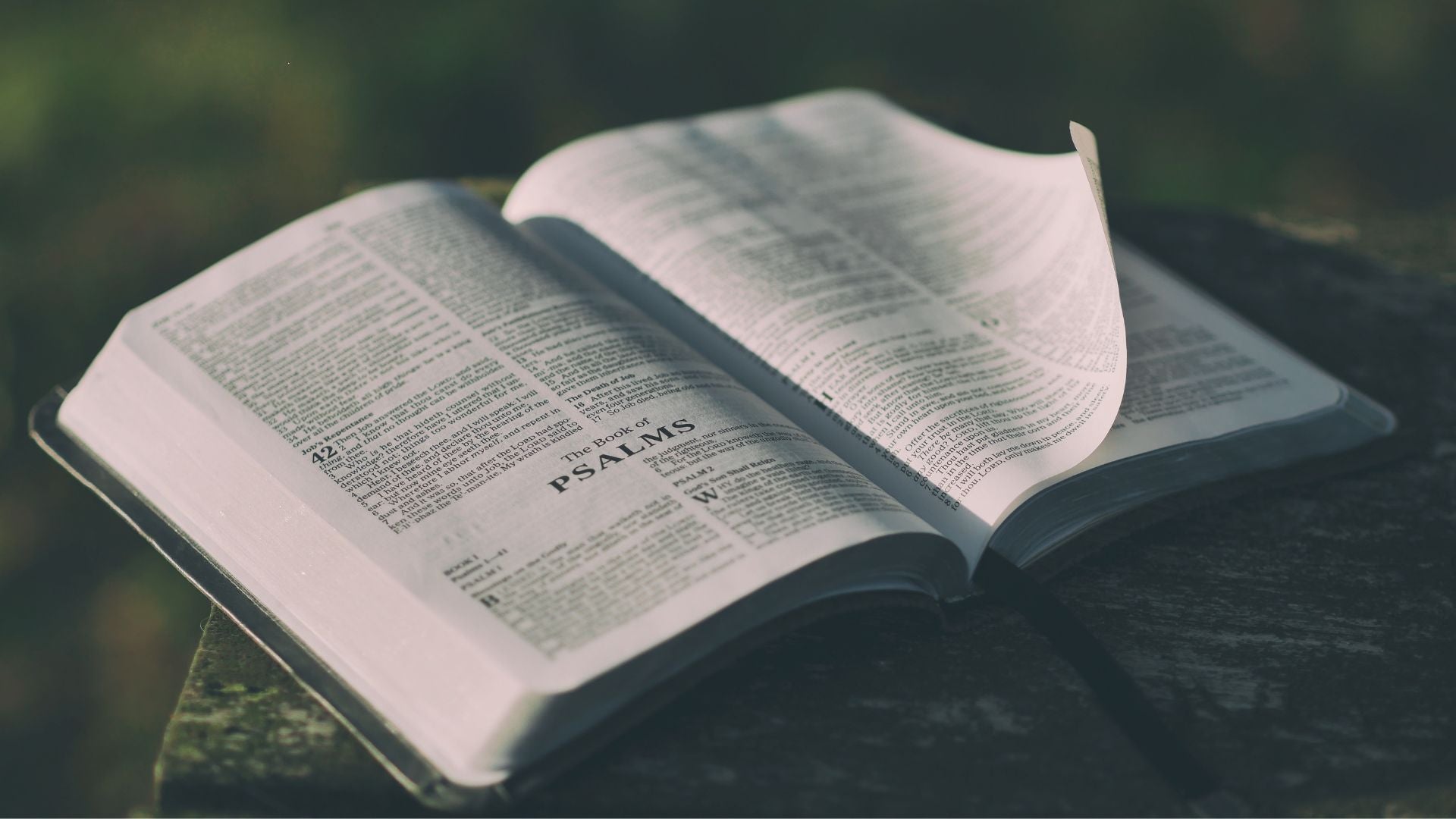
The Bible references several prophetic passages concerning a climactic conflict in the Middle East, often interpreted as a final war involving Israel and surrounding nations. Below is a list of key scriptures and their commonly understood interpretations:


1. Ezekiel 38–39 – The War of Gog and Magog

  • Passage: Ezekiel 38:1–6, 15–16; 39:1–6

  • Summary: These chapters describe a future invasion of Israel by a coalition of nations led by "Gog of the land of Magog."(Wikipedia)

  • Interpretation: Many scholars associate "Magog" with regions north of Israel, possibly including modern-day Russia, Iran, and Turkey. The prophecy indicates that God will supernaturally intervene to destroy the invading forces, demonstrating His sovereignty and sanctifying His name among the nations.


2. Revelation 16:16 – The Battle of Armageddon

  • Passage: "And they assembled them at the place that in Hebrew is called Armageddon."(OpenBible)

  • Summary: This verse refers to the gathering of kings for battle on the great day of God Almighty.

  • Interpretation: "Armageddon" is often linked to the ancient city of Megiddo in northern Israel. While some view this as a literal location for the final battle, others interpret it symbolically, representing the culmination of global opposition to God. (Wikipedia)


3. Daniel 11:40–45 – The King of the North and the King of the South

  • Passage: "At the time of the end, the king of the south shall attack him, but the king of the north shall rush upon him like a whirlwind..."(OpenBible)

  • Summary: This passage details a conflict between two powerful kings during the end times, leading to significant turmoil in the Middle East.(OpenBible)

  • Interpretation: The "king of the north" and "king of the south" are often identified with regions north and south of Israel, possibly representing modern-day nations such as Syria and Egypt. The passage is seen as depicting a major military campaign involving these powers in the end times. (Lamb and Lion Ministries)


4. Zechariah 14:1–4 – The Day of the Lord

  • Passage: "Behold, a day is coming for the Lord, when the spoil taken from you will be divided in your midst..."

  • Summary: This prophecy speaks of a future day when nations will gather against Jerusalem, leading to divine intervention.(The Bottom Line, Ministries)

  • Interpretation: The passage is interpreted as describing a final assault on Jerusalem, where God will intervene, causing dramatic changes in the landscape and delivering His people.


5. Psalm 83:1–8 – A Confederacy Against Israel

  • Passage: "They say, 'Come, let us wipe them out as a nation; let the name of Israel be remembered no more!'"(The Bottom Line, Ministries)

  • Summary: This psalm lists a coalition of nations conspiring against Israel.

  • Interpretation: Some view this as a prophetic depiction of a future alliance of Middle Eastern nations aiming to destroy Israel, preceding the events of Ezekiel 38–39.


6. Isaiah 17:1 – The Oracle Concerning Damascus

  • Passage: "An oracle concerning Damascus. Behold, Damascus will cease to be a city and will become a heap of ruins."(The Bottom Line, Ministries)

  • Summary: This prophecy foretells the destruction of Damascus.

  • Interpretation: Some interpret this as a future event where Damascus, one of the oldest continuously inhabited cities, will be destroyed, possibly in the context of end-time conflicts.


7. Zechariah 12:2–3 – Jerusalem a Cup of Trembling

  • Passage: "Behold, I am about to make Jerusalem a cup of staggering to all the surrounding peoples..."

  • Summary: This prophecy indicates that Jerusalem will become a source of conflict for surrounding nations.

  • Interpretation: The passage is seen as describing the central role of Jerusalem in end-time events, where attempts by nations to control or harm the city will lead to their own downfall.


These passages collectively portray a series of events where nations gather against Israel and Jerusalem, leading to divine intervention and the establishment of God's kingdom. Interpretations vary among scholars and traditions, with some viewing these events as literal future occurrences and others seeing them as symbolic representations of spiritual battles. 


Prophecy as the Proof of Scripture and the Reality of God
Second Coming Prophecies: Many Interpretations
The Common Thread of Prophecy: Bridging the Christian and Hindu Worldviews
Why Interfaith Dialogue Is the Only Way Forward in these End Times
Vishnu and the Holy Trinity: A Bridge Between Hinduism and Christianity
A House Divided: 40,000 Denominations and the Forgotten Call for Unity in Christ

The Last Age of War, The First Age of Peace: Lord Kalki, Prophecies, and the Path to Global Redemption
Prophecies Are Proof Of God
The Most Awaited Person In Human History Is Here
Nepal: The Vishwa Guru Of A New Economic Era (English and Hindi)


Monday, May 05, 2025

5: Hollywood

Trump’s Trade War
Peace For Taiwan Is Possible
The Last Age of War, The First Age of Peace: Lord Kalki, Prophecies, and the Path to Global Redemption
AOC 2028: : The Future of American Progressivism

The Last Age of War, The First Age of Peace: Lord Kalki, Prophecies, and the Path to Global Redemption
Prophecies Are Proof Of God
The Most Awaited Person In Human History Is Here
Nepal: The Vishwa Guru Of A New Economic Era (English and Hindi)

The Last Age of War, The First Age of Peace: Lord Kalki, Prophecies, and the Path to Global Redemption
Prophecies Are Proof Of God
The Most Awaited Person In Human History Is Here
Nepal: The Vishwa Guru Of A New Economic Era (English and Hindi)

The Last Age of War, The First Age of Peace: Lord Kalki, Prophecies, and the Path to Global Redemption
Prophecies Are Proof Of God
The Most Awaited Person In Human History Is Here
Nepal: The Vishwa Guru Of A New Economic Era (English and Hindi)

Trump’s Trade War
Peace For Taiwan Is Possible
The Last Age of War, The First Age of Peace: Lord Kalki, Prophecies, and the Path to Global Redemption
AOC 2028: : The Future of American Progressivism

Trump’s Trade War
Peace For Taiwan Is Possible
The Last Age of War, The First Age of Peace: Lord Kalki, Prophecies, and the Path to Global Redemption
AOC 2028: : The Future of American Progressivism

5: Trump

Trump’s Trade War
Peace For Taiwan Is Possible
The Last Age of War, The First Age of Peace: Lord Kalki, Prophecies, and the Path to Global Redemption
AOC 2028: : The Future of American Progressivism

A judge used Trump’s own words to expose his real agenda
Trump ready to deploy military force to control Greenland

Trump’s Trade War
Peace For Taiwan Is Possible
The Last Age of War, The First Age of Peace: Lord Kalki, Prophecies, and the Path to Global Redemption
AOC 2028: : The Future of American Progressivism

Mexico’s president issues scathing response to Trump offer “In one of the calls, he said to me, ‘How can we help you fight drug trafficking? I propose that the U.S. Army come in to help you,’” Sheinbaum recounted. “And you know what I told him? No, President Trump. Our territory is sacrosanct. Sovereignty is sacrosanct. Sovereignty is not for sale. Sovereignty is loved and defended.” ...... “We will never accept the presence of the United States military on our soil.” ........... Trump and Sheinbaum have worked together to maintain what they called “the most secure southwest border in history,” though they acknowledged that cartels and terrorist-designated organizations still pose major threats to both countries. ......... Trump has long floated the idea of unilateral U.S. military action if Mexico fails to stop the cartels. ............. During one of those conversations, Sheinbaum said

she pushed for U.S. support to stop the flow of American weapons into Mexico, a major driver of cartel violence.

“We can collaborate, we can work together,” she said. “But you can do it in your territory, and we’ll do it in ours.” ............. U.S. airborne surveillance of cartel operations in Mexico has also reportedly increased in recent months.

India Bows to Trump, Accepts All U.S. Trade Conditions and Tariffs India has sided with the United States (US) President Donald Trump on the trade war with Xi Jinping of China. Reports indicate that Indian Prime Minister Narendra Modi is ready to accept all conditions of the US in a trade deal........ Modi’s move is despite persuasion by Yu Jing, spokesperson for the Chinese embassy in India, for Modi to join forces with the Asian country. ....... Jing said India and China should stand together against US tariff actions as the two largest developing nations. ......... “China-India economic and trade relationship is based on complementarity and mutual benefit. Facing the U.S. abuse of tariffs, which deprives countries, especially Global South countries, of their right to development, the two largest developing countries should stand together to overcome the difficulties,” she said.

How China Is Dodging US Tariffs Some Chinese exporters are routing goods through third countries to skirt the steep tariffs the United States has imposed on the world's second-largest economy. ....... China exports roughly five times as much to the U.S. as the other way around, and finding new markets takes time. The U.S.'s top trade partner, China, has vowed to "fight till the end" and imposed a reciprocal 125 percent tariff on most U.S. imports, among other countermeasures. ......... "The U.S. has imposed tariffs on Chinese products? Transit through Malaysia to 'transform' into Southeast Asian goods!" the Financial Times quoted one such ad as saying, posted by an account named "Ruby—Third Country Transshipment."........... Many Chinese firms will likely struggle to redirect goods originally made for U.S. markets. The government has reportedly been encouraging merchants to turn to local consumers instead. ......... Analysts have warned of price increases and shortages in the U.S. if China and the U.S. fail to reach a deal soon.

Trump’s Trade War
Peace For Taiwan Is Possible
The Last Age of War, The First Age of Peace: Lord Kalki, Prophecies, and the Path to Global Redemption
AOC 2028: : The Future of American Progressivism

Trump’s Trade War
Peace For Taiwan Is Possible
The Last Age of War, The First Age of Peace: Lord Kalki, Prophecies, and the Path to Global Redemption
AOC 2028: : The Future of American Progressivism

Prophecy as the Proof of Scripture and the Reality of God


The Last Age of War, The First Age of Peace: Lord Kalki, Prophecies, and the Path to Global Redemption
Prophecies Are Proof Of God
The Most Awaited Person In Human History Is Here
Nepal: The Vishwa Guru Of A New Economic Era (English and Hindi)

What makes a text scripture? It’s not its length, its age, or even its poetic beauty. Scripture is scripture because it contains prophecy—detailed, predictive truths that transcend time and human capability. The Bible, revered by millions across centuries, is not just a religious book; it is a prophetic document. Its fulfilled prophecies—hundreds of them—serve as mathematical and historical evidence that there is a Being beyond space and time who knows everything and can do anything.

These prophecies are not vague riddles. They are specific, measurable, and often fulfilled with uncanny precision. This is not coincidence. This is proof. Just as we accept the roundness of the earth or its orbit around the sun based on evidence, so too can we accept the existence of God based on the fulfillment of prophecy.

Yet, despite this overwhelming evidence, many still reject God’s existence. Why? Because the spiritual realm operates on a higher order than the physical or mental. The most compelling evidence in the world cannot convince someone under spiritual blindness. If a soul is in the grip of deception—what some might call the Devil’s grasp—it cannot perceive the truth that stands plainly before it.

This principle does not apply only to the Bible. If another book contains genuine prophecy—clear predictions fulfilled in history—then it, too, carries the mark of divine origin. In this light, Mahabharata and Ramayana deserve recognition not just as cultural epics or ancient literature, but as scripture in their own right. They, too, hold prophecies—some fulfilled, others unfolding—pointing to a divine intelligence that speaks across millennia.

Scripture is not limited to one tradition. It is defined by the presence of prophecy—God’s fingerprint on human history. When we recognize that, we open ourselves to a deeper spiritual reality, one that calls for discernment, reverence, and a willingness to see beyond the veil of the material world.

Are you willing to consider the evidence of prophecy as proof of God’s voice in our world?

Second Coming Prophecies: Many Interpretations
The Common Thread of Prophecy: Bridging the Christian and Hindu Worldviews
Why Interfaith Dialogue Is the Only Way Forward in these End Times
Vishnu and the Holy Trinity: A Bridge Between Hinduism and Christianity
A House Divided: 40,000 Denominations and the Forgotten Call for Unity in Christ


The Last Age of War, The First Age of Peace: Lord Kalki, Prophecies, and the Path to Global Redemption
Prophecies Are Proof Of God
The Most Awaited Person In Human History Is Here
Nepal: The Vishwa Guru Of A New Economic Era (English and Hindi)

5: Israel

Trump’s Trade War
Peace For Taiwan Is Possible
The Last Age of War, The First Age of Peace: Lord Kalki, Prophecies, and the Path to Global Redemption
AOC 2028: : The Future of American Progressivism

Trump’s Trade War
Peace For Taiwan Is Possible
The Last Age of War, The First Age of Peace: Lord Kalki, Prophecies, and the Path to Global Redemption
AOC 2028: : The Future of American Progressivism

Trump’s Trade War
Peace For Taiwan Is Possible
The Last Age of War, The First Age of Peace: Lord Kalki, Prophecies, and the Path to Global Redemption
AOC 2028: : The Future of American Progressivism

Trump’s Trade War
Peace For Taiwan Is Possible
The Last Age of War, The First Age of Peace: Lord Kalki, Prophecies, and the Path to Global Redemption
AOC 2028: : The Future of American Progressivism

Beyond Motion: How Robots Will Redefine The Art Of Movement
ChatGPT For Business: A Workbook
Becoming an AI-First Organization
Quantum Computing: Applications And Implications
Challenges In AI Safety
AI-Era Social Network: Reimagined for Truth, Trust & Transformation

Beyond Motion: How Robots Will Redefine The Art Of Movement
ChatGPT For Business: A Workbook
Becoming an AI-First Organization
Quantum Computing: Applications And Implications
Challenges In AI Safety
AI-Era Social Network: Reimagined for Truth, Trust & Transformation