The Article must be original content, at least 1,000 words and will be judged primarily on Verified Home Timeline impressions. Only US users are eligible.
Content that violates our policies, is hateful, fraudulent or manipulative is not eligible. Terms: https://t.co/2rfS1ijqym
Why X’s Articles Feature Is Missing the Mark – And How It Could Become a True Blogging Powerhouse
In the ever-evolving landscape of social media, X (formerly Twitter) has long been the pulse of real-time conversation, news, and now, with its Articles feature, long-form content. Launched to let users go beyond the 280-character limit, Articles promised a new era of storytelling on the platform. Yet, despite its promise, the feature feels underdeveloped, restrictive, and strangely nostalgic—echoing outdated models rather than competing with modern blogging powerhouses like Substack, WordPress, or Ghost.
Here’s a deep dive into why Articles is falling short—and how X could turn it into a true blogging revolution.
1. Limiting Access to Paying Users: A Barrier to Creativity and Growth
One of the most glaring issues is exclusivity. Currently, only Premium+ subscribers, Premium Businesses, and Premium Organizations—at around $16/month or $168/year for individuals—can publish Articles.
This paywall shuts out the vast majority of X’s user base, stifling the diversity of voices that could fuel the platform’s growth. X built its reputation on democratizing information: anyone could tweet, share ideas, and build an audience without upfront costs. Locking long-form content behind a subscription creates an elitist ecosystem where only those willing (or able) to pay can experiment with storytelling. Emerging writers, journalists, hobbyists, or creators without Premium+ are forced into threads or migrate to free alternatives like Medium, personal blogs, or Substack.
Users have voiced frustration over the low reach, limited monetization options, and high subscription cost, which discourages experimentation. Expanding access to all verified users—or even all users—could flood the platform with fresh content, boost engagement, and increase ad revenue.
After all, if X wants to be the “everything app,” it shouldn’t lock away tools that could turn casual posters into dedicated creators.
2. The Walled Garden Mentality: Feeling Like AOL in a Hyper-Connected World
Articles evokes memories of AOL’s closed ecosystem—a platform trying to trap users rather than embrace the open web. X’s implementation prioritizes containment over connectivity, with no seamless integration for external links or rich media, making the experience feel clunky and isolationist.
While the platform claims Articles support links, images, videos, GIFs, and embedded posts, user reports suggest otherwise: bugs prevent reliable media inclusion, image formatting often breaks, and the editor feels unfinished. Creators must devise workarounds, uploading videos that aren’t easily shareable beyond X, which risks turning the platform into an echo chamber rather than a bridge to wider audiences.
Embedding should be effortless: referencing a tweet or YouTube video shouldn’t require copy-paste coding. Live previews, drag-and-drop embeds, and auto-detected media could turn Articles from a static page into a dynamic, interconnected experience.
In an era where content thrives on interoperability, Articles’ insularity makes it feel like a relic—obsolete next to open blogging ecosystems that let ideas flow freely across platforms.
3. Discoverability Disaster: Articles Get Lost in the Noise
Perhaps the most frustrating flaw is visibility. Articles vanish into the ether, with no robust archive system, global feed, or method for surfacing older posts. While articles appear on a user’s profile, this does little for discovery. Search engines and even X’s AI, Grok, struggle to index them properly, often treating Articles as external links that are deboosted in algorithms.
Long-form writing thrives on evergreen visibility, yet Articles prioritize recency over quality. There’s no “More from this Author” sidebar, no categories, no curated recommendations—forcing readers to manually navigate profiles. Valuable insights are buried under a relentless firehose of short-form posts, discouraging authors from investing in depth and nuance.
Without better discoverability—searchable categories, author hubs, and algorithmic recommendations—Articles remains a half-baked tool rather than a serious publishing platform.
A Vision for the Future: How X Can Make Articles Great
X has the user base, infrastructure, and AI capabilities to dominate long-form content—but it must evolve.
1. Democratize Access: Open Articles to all verified users, or at least all Premium tiers, to spark creativity. The more voices, the richer the ecosystem.
2. Embrace Openness: Seamless embedding of tweets, YouTube videos, and external media should be drag-and-drop, no code required. The editor should rival Substack, with reliable media support and minimal bugs.
3. Enhance Discoverability: Introduce a global Articles feed, advanced search, and automatic archiving. Include “More from this Author” sections, category filters, and algorithmic recommendations to surface high-quality content. AI tools could also convert text into audio podcasts or short video clips, making articles interactive and shareable across formats.
By fixing these issues, X could become the go-to platform for bloggers, journalists, and thinkers—a vibrant, interconnected space that rewards depth, creativity, and long-form storytelling.
Until then, Articles remains a missed opportunity on a platform that could otherwise redefine digital publishing. With the right vision, X can transform from a microblogging hub into the ultimate everything app for ideas—where fleeting tweets meet timeless stories.
क्यों X का Articles फीचर उम्मीदों पर खरा नहीं उतर रहा – और इसे असली ब्लॉगिंग पावरहाउस कैसे बनाया जा सकता है
सॉशल मीडिया के लगातार बदलते परिदृश्य में, X (पूर्व में Twitter) हमेशा रीयल-टाइम बातचीत, खबरों, और अब Articles फीचर के जरिए लॉन्ग-फॉर्म कंटेंट का केंद्र रहा है। 280-करैक्टर की सीमा से बाहर जाने की अनुमति देने के लिए लॉन्च किया गया यह फीचर प्लेटफ़ॉर्म पर नई कहानी कहने की संभावनाओं का वादा करता है।
लेकिन, इसकी संभावनाओं के बावजूद, यह फीचर अभी अविकसित और प्रतिबंधित लगता है। यह पुराने मॉडल की याद दिलाता है और आधुनिक ब्लॉगिंग प्लेटफ़ॉर्म जैसे Substack, WordPress, या Ghost के साथ प्रतिस्पर्धा करने में असफल दिखता है।
आइए देखें कि Articles क्यों कमजोर पड़ रहा है – और X इसे असली ब्लॉगिंग क्रांति में कैसे बदल सकता है।
1. भुगतान करने वाले उपयोगकर्ताओं तक सीमित पहुंच: रचनात्मकता और विकास में बाधा
सबसे बड़ी समस्या है विशेषाधिकार। वर्तमान में, केवल Premium+ सब्सक्राइबर, Premium Businesses, और Premium Organizations – जो लगभग $16/महीना या $168/साल का खर्च करते हैं – ही Articles प्रकाशित कर सकते हैं।
यह पेवाल अधिकांश X उपयोगकर्ताओं को बाहर कर देता है और उस विविधता को रोक देता है जो प्लेटफ़ॉर्म को फलने-फूलने में मदद कर सकती थी। X ने हमेशा जानकारी लोकतांत्रित करने की अपनी छवि बनाई है: कोई भी व्यक्ति ट्वीट कर सकता था, विचार साझा कर सकता था, और बिना किसी प्रारंभिक लागत के ऑडियंस बना सकता था।
लॉन्ग-फॉर्म कंटेंट को सब्सक्रिप्शन के पीछे बंद करना एक एलिटिस्ट इकोसिस्टम बनाता है, जहां केवल वही लोग कहानी कहने का अनुभव कर सकते हैं जो भुगतान करने को तैयार हैं। उभरते लेखक, पत्रकार, शौकिया लेखक या क्रिएटर्स बिना Premium+ के, या तो थ्रेड्स पर मजबूर हैं या मुफ्त विकल्पों जैसे Medium, व्यक्तिगत ब्लॉग, या Substack की ओर रुख करते हैं।
उपयोगकर्ताओं ने कम पहुंच, सीमित मुद्रीकरण विकल्प और उच्च सब्सक्रिप्शन शुल्क को लेकर निराशा व्यक्त की है, जो रचनात्मक प्रयोग को कम प्रोत्साहित करता है। सभी सत्यापित उपयोगकर्ताओं या कम से कम सभी प्रीमियम उपयोगकर्ताओं के लिए पहुंच खोलना, प्लेटफ़ॉर्म पर नए कंटेंट का सैलाब ला सकता है, एंगेजमेंट बढ़ा सकता है और विज्ञापन राजस्व बढ़ा सकता है।
आखिरकार, अगर X "सब कुछ ऐप" बनना चाहता है, तो उसे ऐसे टूल्स को बंद नहीं करना चाहिए जो सामान्य पोस्टर्स को समर्पित क्रिएटर्स में बदल सकते हैं।
2. बंद इकोसिस्टम की मानसिकता: एक हाइपर-कनेक्टेड दुनिया में AOL जैसा अनुभव
Articles AOL के बंद इकोसिस्टम की याद दिलाता है—एक ऐसा प्लेटफ़ॉर्म जो उपयोगकर्ताओं को फँसाने की कोशिश कर रहा था, बजाय इसके कि खुले वेब को अपनाए। X की कार्यप्रणाली संपर्क से अधिक containment पर ध्यान केंद्रित करती है, जिससे एक्सटर्नल लिंक या रिच मीडिया का सहज उपयोग कठिन हो जाता है।
हालांकि प्लेटफ़ॉर्म का दावा है कि Articles लिंक, इमेज, वीडियो, GIFs और एम्बेडेड पोस्ट को सपोर्ट करता है, उपयोगकर्ताओं की रिपोर्ट में इसके विपरीत पाया गया है: मीडिया शामिल करना विश्वसनीय नहीं है, इमेज फॉर्मेटिंग अक्सर टूट जाती है, और एडिटर अधूरा लगता है।
एंबेडिंग को सहज होना चाहिए: किसी ट्वीट या YouTube वीडियो का संदर्भ देने के लिए कोड कॉपी-पेस्ट करने की जरूरत नहीं होनी चाहिए। लाइव प्रिव्यू, ड्रैग-एंड-ड्रॉप एम्बेड और ऑटो-डिटेक्टेड मीडिया Articles को एक स्थिर पेज से डायनामिक और इंटरकनेक्टेड अनुभव में बदल सकते हैं।
आज के समय में जब कंटेंट इंटरऑपरेबिलिटी पर फलता-फूलता है, Articles की बंद प्रकृति इसे एक पुरानी प्रणाली बनाती है—खुले ब्लॉगिंग इकोसिस्टम के मुकाबले अप्रासंगिक।
3. खोजयोग्यता की विफलता: Articles शोर में खो जाते हैं
शायद सबसे निराशाजनक कमी है दिखाई देने की क्षमता। Articles कहीं खो जाते हैं, कोई मजबूत आर्काइव सिस्टम, ग्लोबल फ़ीड या पुराने पोस्ट्स को सामने लाने का तरीका नहीं है। जबकि Articles उपयोगकर्ता की प्रोफ़ाइल पर दिखाई देते हैं, यह खोज में बहुत मदद नहीं करता। सर्च इंजन और X की AI, Grok, उन्हें ठीक से इंडेक्स नहीं कर पाती, अक्सर उन्हें बाहरी लिंक की तरह मानती है जिसे एल्गोरिद्म में कम रैंक मिलता है।
लॉन्ग-फॉर्म राइटिंग एवरग्रीन विज़िबिलिटी पर फलती है, लेकिन Articles में नवीनता प्राथमिकता रखी जाती है। “More from this Author” साइडबार नहीं है, कोई कैटेगरी नहीं है, कोई क्यूरेटेड सिफारिशें नहीं हैं—पढ़ने वालों को प्रोफाइल पर मैन्युअल रूप से जाना पड़ता है। मूल्यवान विचार संक्षिप्त पोस्ट्स के फायरहोज़ के बीच दब जाते हैं, जो लेखकों को गहराई और सूक्ष्मता में निवेश करने से रोकते हैं।
बेहतर खोजयोग्यता—सर्चेबल कैटेगरी, लेखक हब और एल्गोरिदमिक सिफारिशों—के बिना, Articles आधे-अधूरे टूल के रूप में रह जाते हैं।
भविष्य के लिए दृष्टि: X Articles को बेहतरीन कैसे बना सकता है
X के पास यूज़र बेस, इंफ्रास्ट्रक्चर और AI क्षमताएं हैं, जो लॉन्ग-फॉर्म कंटेंट में दबदबा बनाने के लिए पर्याप्त हैं—लेकिन इसे विकसित होना चाहिए।
1. पहुंच लोकतांत्रित करें: सभी सत्यापित उपयोगकर्ताओं या कम से कम सभी प्रीमियम टियर के लिए Articles खोलें, जिससे रचनात्मकता को बढ़ावा मिले।
2. खुलापन अपनाएं: ट्वीट्स, YouTube वीडियो और बाहरी मीडिया के लिए सहज एंबेडिंग हो—ड्रैग-एंड-ड्रॉप, कोई कोडिंग नहीं। एडिटर Substack के बराबर होना चाहिए, भरोसेमंद मीडिया सपोर्ट और न्यूनतम बग के साथ।
3. खोजयोग्यता बढ़ाएं: एक ग्लोबल Articles फ़ीड, उन्नत सर्च और ऑटोमैटिक आर्काइव शामिल करें। “More from this Author” सेक्शन, कैटेगरी फ़िल्टर और एल्गोरिद्मिक सिफारिशें हाई-क्वालिटी कंटेंट को सामने लाएं। AI टूल्स टेक्स्ट को ऑडियो पॉडकास्ट या छोटे वीडियो क्लिप्स में बदलने में मदद कर सकते हैं, जिससे Articles इंटरैक्टिव और शेयर करने योग्य बन जाए।
इन समस्याओं को हल करके, X ब्लॉगर, पत्रकार और विचारक के लिए जाने-माने प्लेटफ़ॉर्म बन सकता है—एक जीवंत, इंटरकनेक्टेड स्पेस जो गहराई, रचनात्मकता और लॉन्ग-फॉर्म स्टोरीटेलिंग को प्रोत्साहित करता है।
जब तक यह सुधार नहीं होता, Articles एक छूटती हुई संभावना ही बने रहेंगे, एक ऐसे प्लेटफ़ॉर्म पर जो डिजिटल पब्लिशिंग को फिर से परिभाषित कर सकता है। सही दृष्टि के साथ, X आइडियाज़ का अल्टीमेट ऐप बन सकता है—जहाँ पल-पल के ट्वीट्स और स्थायी कहानियाँ मिलें।
Why X’s Articles Feature Is Missing the Mark – And How It Could Become a True Blogging Powerhouse https://t.co/yxr9cYWzyX
In a world where digital communication is as essential as breathing, email remains one of the internet’s oldest living organs—still vital, still overworked, and quietly overdue for reinvention. For decades, email has been the backbone of professional and personal communication, yet it has evolved mostly by accumulation rather than redesign: more filters, more folders, more tabs—more cognitive clutter.
Now, a disruption may be coming from an unexpected direction.
Following Elon Musk’s 2025 consolidation of xAI and the X platform (formerly Twitter) into a single, tightly integrated ecosystem, speculation has intensified around a long-rumored project: an AI-native email service, often referred to as XMail. While not yet fully launched, public hints, domain activity, and Musk’s long-standing ambition to build an “everything app” suggest that email is squarely in xAI’s sights.
If realized, XMail would not merely compete with Gmail or Outlook. It could redefine what email is, transforming it from a static inbox into a living, AI-augmented communication layer—deeply social, context-aware, and embedded in the real-time pulse of the internet.
This article explores what such a service might look like, how it would differ from existing email providers, and why the idea of an “AI-rich” email experience represents a structural shift—not just a feature upgrade.
What Might xAI’s Email on X Look Like?
Imagine opening the X app—not just to scroll timelines or join live conversations, but to manage your inbox with the same fluidity and immediacy. In this vision, email is no longer a separate destination. It is a native organ of the platform, as integral as posts, DMs, Spaces, or payments.
A Native Layer, Not a Bolt-On
Rather than a standalone website or app, XMail would likely live inside X itself—accessible via a dedicated tab or sidebar. Users might receive addresses like @x.ai, signaling that email is now part of a broader identity layer, not just a mailbox.
This would mark a philosophical shift: Email would stop being a silo and become a node in a networked identity graph.
Key Capabilities (Speculative but Plausible)
1. Social-Contextual Email Emails would no longer arrive stripped of context. If you’re emailing someone you follow—or who follows you—Grok could automatically surface:
Relevant past X interactions
Shared posts or Spaces
Mutual communities or interests
Email becomes a continuation of conversation, not a cold start.
2. Grok-Powered Inbox Intelligence Powered by xAI’s Grok models, the inbox could behave less like a filing cabinet and more like a chief of staff:
“Summarize everything important from the last 72 hours.”
“Draft a firm but friendly response.”
“Turn this email into a public post.”
“Schedule a meeting and notify everyone.”
Tone, intent, and audience could be adjusted conversationally—professional, casual, witty, or assertive—without rewriting from scratch.
3. Rich, Living Messages Instead of static text blocks, emails could embed:
Live X posts and threads
Videos and Spaces replays
Collaborative drafts editable in real time
An email might begin private and evolve into a public discussion—or move seamlessly into a Space or group chat.
4. Privacy and User Control by Design Given Musk’s emphasis on speech, sovereignty, and platform control, XMail could emphasize:
End-to-end encryption as default
Explicit opt-outs from AI training
On-device or edge-based AI processing
Developer access via xAI APIs
Rather than monetizing attention through ads, advanced features could be bundled with X Premium+ or SuperGrok subscriptions.
5. A Mobile-First, Scroll-Native Interface Visually, expect minimalism:
Dark mode as default
Infinite thread views
AI-generated previews and summaries
Predictive notifications that surface urgency—not noise
Email becomes something you flow through, not something you dread opening.
How Would XMail Differ from Gmail, Outlook, or ProtonMail?
Most email providers today are incrementalists—they improve around the edges of a 1990s paradigm. XMail, by contrast, would be architectural.
1. AI at the Core, Not the Periphery
Gmail’s Gemini and Outlook’s Copilot are useful—but they feel like assistants invited late to the meeting. They summarize and suggest, but they don’t restructure the experience.
XMail could be built AI-first:
Proactive, not reactive
Context-aware across social, public, and private layers
Designed around intent, not folders
Email becomes an interface to thinking, not just messaging.
2. Ecosystem Integration vs. App Fragmentation
Today’s digital life is fragmented:
Email in one app
Social in another
Files elsewhere
Payments somewhere else
XMail would collapse these layers. An email could:
Spawn a post
Trigger a payment
Launch a Space
Become a collaborative document
Communication stops switching contexts—and starts compounding value.
3. Privacy + Intelligence (A Rare Combination)
ProtonMail offers strong privacy, but limited AI. Gmail offers AI, but monetizes attention and data. XMail could attempt a third path:
Strong encryption
Explicit user controls
Paid AI instead of ad-driven AI
If successful, this would challenge the assumption that intelligence must come at the cost of autonomy.
4. Speed, Scale, and Global Reach
Built on xAI’s modern infrastructure, XMail could deliver:
Near-instant search across massive inboxes
AI-assisted retrieval instead of keyword hunting
Resilience in regions where traditional platforms are restricted
Email becomes not just faster—but globally antifragile.
What Is an “AI-Rich” Email Service, Really?
An AI-rich email service isn’t just smarter—it is cognitively lighter.
It reduces friction, anticipates intent, and absorbs complexity so humans can focus on meaning.
Core Characteristics
Intelligent Prioritization AI decides what deserves your attention—and what doesn’t.
Contextual Understanding The system understands relationships, history, and relevance—not just text.
Assisted Creation From drafting to optimizing tone, clarity, and timing, AI acts as a co-author.
Personalization at Scale Each message adapts to the recipient, the moment, and the medium.
Proactivity Over Reactivity The inbox tells you what matters before you ask.
In xAI’s vision, Grok’s broader knowledge base could further enrich this—connecting emails to real-world events, market shifts, or cultural context. Email becomes less clerical and more strategic.
Conclusion: Email’s Second Renaissance
If—or as mounting signals suggest, when—xAI launches an email service on X, it won’t merely be another inbox. It could mark email’s second renaissance.
By fusing:
Deep AI intelligence
Social context
Real-time communication
User-controlled monetization
XMail has the potential to transform email from a passive archive into an active thinking partner.
Whether it dethrones Gmail is an open question. But something more important may be happening: Email, long treated as digital paperwork, may finally evolve into what it was always meant to be—a living medium for human connection, amplified by intelligence rather than buried under it.
In the age of xAI, the inbox may stop being a burden—and start becoming a force multiplier.
X प्लेटफ़ॉर्म पर xAI की ईमेल सेवा की कल्पना
AI-समृद्ध संचार का नया सवेरा
एक ऐसी दुनिया में जहाँ डिजिटल संचार साँस लेने जितना ही अनिवार्य हो चुका है, ईमेल आज भी इंटरनेट की सबसे पुरानी लेकिन जीवित प्रणालियों में से एक है—अत्यंत आवश्यक, लगातार बोझिल, और चुपचाप पुनर्कल्पना की प्रतीक्षा में। दशकों से ईमेल व्यक्तिगत और पेशेवर संवाद की रीढ़ रहा है, लेकिन इसका विकास अधिकतर जोड़-तोड़ के ज़रिये हुआ है—और अधिक फ़िल्टर, और अधिक फ़ोल्डर, और अधिक टैब—यानि और अधिक मानसिक अव्यवस्था।
अब, इस जड़ता को तोड़ने वाला बदलाव एक अप्रत्याशित दिशा से आ सकता है।
2025 में एलन मस्क द्वारा xAI और X प्लेटफ़ॉर्म (पूर्व में ट्विटर) के एकीकृत होने के बाद, एक लंबे समय से चर्चित परियोजना को लेकर अटकलें तेज़ हो गई हैं: एक AI-नेटिव ईमेल सेवा, जिसे अक्सर XMail कहा जा रहा है। भले ही यह सेवा अभी पूरी तरह लॉन्च न हुई हो, लेकिन सार्वजनिक संकेत, डोमेन गतिविधियाँ, और “एवरीथिंग ऐप” बनाने की मस्क की दीर्घकालिक महत्वाकांक्षा यह संकेत देती है कि ईमेल अब xAI के निशाने पर है।
यदि XMail साकार होता है, तो यह सिर्फ Gmail या Outlook से प्रतिस्पर्धा नहीं करेगा—बल्कि ईमेल की परिभाषा ही बदल सकता है। यह ईमेल को एक स्थिर इनबॉक्स से निकालकर एक जीवंत, AI-संवर्धित संचार परत में बदल सकता है—जो सामाजिक, संदर्भ-सचेत और इंटरनेट की रीयल-टाइम धड़कन से जुड़ी हो।
यह लेख इस बात की पड़ताल करता है कि ऐसी सेवा कैसी दिख सकती है, यह मौजूदा ईमेल प्रदाताओं से कैसे अलग होगी, और क्यों “AI-समृद्ध” ईमेल अनुभव महज़ फीचर अपग्रेड नहीं बल्कि एक संरचनात्मक बदलाव है।
X पर xAI की ईमेल सेवा कैसी दिख सकती है?
कल्पना कीजिए कि आप X ऐप खोलते हैं—सिर्फ़ टाइमलाइन स्क्रॉल करने या लाइव बातचीत में शामिल होने के लिए नहीं, बल्कि उसी सहजता और प्रवाह के साथ अपना इनबॉक्स संभालने के लिए।
इस दृष्टि में, ईमेल कोई अलग गंतव्य नहीं रहेगा। वह प्लेटफ़ॉर्म का एक मूल अंग होगा—पोस्ट्स, DMs, Spaces और भुगतान जितना ही अनिवार्य।
ऐड-ऑन नहीं, मूल परत
किसी अलग वेबसाइट या ऐप के बजाय, XMail संभवतः X के भीतर ही अंतर्निहित होगा—साइडबार या एक समर्पित टैब के ज़रिये उपलब्ध। उपयोगकर्ताओं को @x.ai जैसे ईमेल पते मिल सकते हैं, जो यह दर्शाते हैं कि ईमेल अब सिर्फ़ एक मेलबॉक्स नहीं बल्कि एक डिजिटल पहचान परत है।
यह एक दार्शनिक बदलाव होगा: ईमेल एक अलग-थलग प्रणाली न रहकर नेटवर्क्ड पहचान ग्राफ़ का नोड बन जाएगा।
संभावित (लेकिन यथार्थवादी) क्षमताएँ
1. सामाजिक-संदर्भित ईमेल ईमेल अब बिना संदर्भ के नहीं आएंगे। यदि आप किसी ऐसे व्यक्ति को ईमेल कर रहे हैं जिसे आप X पर फ़ॉलो करते हैं (या जो आपको फ़ॉलो करता है), तो Grok स्वतः ही दिखा सकता है:
हालिया X इंटरैक्शन
साझा पोस्ट या Spaces
समान समुदाय या रुचियाँ
ईमेल ठंडी शुरुआत नहीं रहेगा, बल्कि बातचीत की निरंतरता बनेगा।
2. Grok-संचालित इनबॉक्स बुद्धिमत्ता xAI के Grok मॉडल से संचालित इनबॉक्स किसी फ़ाइल कैबिनेट की तरह नहीं, बल्कि एक चीफ़ ऑफ़ स्टाफ़ की तरह काम कर सकता है:
“पिछले 72 घंटों की सबसे ज़रूरी ईमेल्स का सार बताओ।”
“कड़ा लेकिन दोस्ताना जवाब ड्राफ़्ट करो।”
“इस ईमेल को सार्वजनिक पोस्ट में बदल दो।”
“मीटिंग शेड्यूल कर दो और सभी को सूचित कर दो।”
टोन, उद्देश्य और श्रोता—सब कुछ संवाद के माध्यम से बदला जा सकेगा, बिना सब कुछ दोबारा लिखे।
3. समृद्ध और जीवंत संदेश स्थिर टेक्स्ट ब्लॉक्स की जगह, ईमेल में शामिल हो सकते हैं:
लाइव X पोस्ट और थ्रेड
वीडियो और Spaces की रिकॉर्डिंग
रीयल-टाइम में संपादित होने वाले सहयोगी ड्राफ़्ट
एक ईमेल निजी रूप से शुरू होकर सार्वजनिक चर्चा या लाइव बातचीत में बदल सकता है।
4. गोपनीयता और उपयोगकर्ता नियंत्रण—डिज़ाइन में ही मस्क के अभिव्यक्ति की स्वतंत्रता और डेटा संप्रभुता पर ज़ोर को देखते हुए, XMail में संभव है:
डिफ़ॉल्ट एंड-टू-एंड एन्क्रिप्शन
AI ट्रेनिंग से स्पष्ट ऑप्ट-आउट
ऑन-डिवाइस या एज-आधारित AI प्रोसेसिंग
डेवलपर्स के लिए xAI APIs
ध्यान को बेचने वाले विज्ञापनों के बजाय, उन्नत सुविधाएँ X Premium+ या SuperGrok सब्सक्रिप्शन के साथ बंडल हो सकती हैं।
5. मोबाइल-फर्स्ट, स्क्रॉल-नेटिव डिज़ाइन दृश्य रूप से:
डार्क मोड डिफ़ॉल्ट
अनंत थ्रेड व्यू
AI-जनरेटेड प्रीव्यू और सारांश
तात्कालिकता समझने वाली भविष्यवाणी-आधारित नोटिफ़िकेशन
ईमेल एक बोझ नहीं, बल्कि एक प्रवाह बन जाएगा।
Gmail, Outlook या ProtonMail से XMail कैसे अलग होगा?
आज के अधिकांश ईमेल प्रदाता क्रमिक सुधारक हैं—वे 1990 के दशक की संरचना के चारों ओर सुधार करते हैं। XMail, इसके विपरीत, संरचनात्मक बदलाव हो सकता है।
1. AI केंद्र में, किनारे पर नहीं
Gmail का Gemini और Outlook का Copilot उपयोगी हैं—लेकिन वे अक्सर ऐसे लगते हैं जैसे मीटिंग में देर से आए सहायक।
XMail AI-फर्स्ट हो सकता है:
प्रतिक्रियाशील नहीं, बल्कि सक्रिय
सामाजिक और सार्वजनिक संदर्भ से जुड़ा
फ़ोल्डरों के बजाय इरादों के इर्द-गिर्द डिज़ाइन किया गया
ईमेल केवल संदेश नहीं, बल्कि सोचने का इंटरफ़ेस बन सकता है।
2. इकोसिस्टम एकीकरण बनाम ऐप विखंडन
आज की डिजिटल ज़िंदगी खंडित है:
ईमेल एक ऐप में
सोशल मीडिया दूसरे में
फ़ाइलें कहीं और
भुगतान किसी और जगह
XMail इन सबको एक साथ ला सकता है। एक ईमेल:
पोस्ट बन सकता है
भुगतान ट्रिगर कर सकता है
Space शुरू कर सकता है
सहयोगी दस्तावेज़ बन सकता है
संदर्भ बदलना बंद—और मूल्य का संयोजन शुरू।
3. गोपनीयता + बुद्धिमत्ता (दुर्लभ संयोजन)
ProtonMail में गोपनीयता है, AI नहीं। Gmail में AI है, लेकिन ध्यान और डेटा का व्यवसाय भी। XMail तीसरा रास्ता अपना सकता है:
मज़बूत एन्क्रिप्शन
स्पष्ट उपयोगकर्ता नियंत्रण
विज्ञापन-आधारित नहीं, बल्कि भुगतान-आधारित AI
यदि सफल हुआ, तो यह धारणा टूट सकती है कि बुद्धिमत्ता की कीमत स्वायत्तता होती है।
4. गति, पैमाना और वैश्विक पहुँच
xAI के आधुनिक इंफ़्रास्ट्रक्चर पर बना XMail दे सकता है:
विशाल इनबॉक्स में त्वरित खोज
कीवर्ड नहीं, AI-सहायित पुनर्प्राप्ति
उन क्षेत्रों में भी मजबूती जहाँ पारंपरिक प्लेटफ़ॉर्म सीमित हैं
ईमेल तेज़ ही नहीं, बल्कि वैश्विक रूप से लचीला बन सकता है।
वास्तव में “AI-समृद्ध” ईमेल सेवा क्या होती है?
AI-समृद्ध ईमेल सिर्फ़ स्मार्ट नहीं होती—वह मानसिक बोझ को कम करती है।
यह जटिलता को आत्मसात करती है ताकि मनुष्य अर्थ और निर्णय पर ध्यान दे सके।
मुख्य विशेषताएँ
बुद्धिमान प्राथमिकता निर्धारण AI तय करता है कि क्या महत्वपूर्ण है—और क्या नहीं।
संदर्भ की समझ रिश्तों, इतिहास और प्रासंगिकता की समझ—सिर्फ़ टेक्स्ट नहीं।
सहायित सृजन ड्राफ़्टिंग से लेकर टोन और टाइमिंग तक—AI सह-लेखक की तरह।
व्यापक निजीकरण हर संदेश प्राप्तकर्ता, समय और माध्यम के अनुसार ढलता है।
प्रतिक्रिया नहीं, पूर्व-अनुमान इनबॉक्स आपको बताता है कि क्या मायने रखता है—पूछने से पहले।
xAI के दृष्टिकोण में, Grok का व्यापक ज्ञान इसे और समृद्ध कर सकता है—ईमेल को वास्तविक दुनिया की घटनाओं, बाज़ार परिवर्तनों और सांस्कृतिक संदर्भ से जोड़ते हुए।
निष्कर्ष: ईमेल का दूसरा पुनर्जागरण
यदि—या बढ़ते संकेतों के अनुसार, जब—xAI X पर ईमेल सेवा लॉन्च करता है, तो वह सिर्फ़ एक और इनबॉक्स नहीं होगा। वह ईमेल के दूसरे पुनर्जागरण की शुरुआत हो सकती है।
AI की गहराई, सामाजिक संदर्भ, रीयल-टाइम संचार और उपयोगकर्ता-नियंत्रित मुद्रीकरण को जोड़कर, XMail ईमेल को एक निष्क्रिय संग्रह से बदलकर सक्रिय सोच साथी बना सकता है।
क्या यह Gmail को पछाड़ देगा—यह भविष्य बताएगा। लेकिन इससे भी महत्वपूर्ण यह है कि ईमेल, जिसे लंबे समय तक डिजिटल काग़ज़ी काम समझा गया, शायद अंततः वही बन जाए जिसके लिए वह बना था— मानवीय संबंधों का जीवंत माध्यम, जो बुद्धिमत्ता से सशक्त हो, बोझ से दबा नहीं।
xAI के युग में, इनबॉक्स शायद समस्या नहीं रहेगा— वह शक्ति गुणक बन सकता है।
Just 5 minutes on Grokipedia reveals that Wikipedia has been pushing far-left talking points for years, and Grokipedia is to the right of that - toward the center.
This is now officially the most badass Police vehicle fleet in America.
Each Police Cybertruck is expected to save the Las Vegas PD $9,500 a year in fuel and maintenance costs alone. The are also the #1 most American-made police trucks
😮 @Channel10AU Just said Tesla has worlds safest car as a Meteorite hits a Model Y in Australia ☄️🇦🇺
“Andrew drives a Tesla and that night he wasn’t driving, the car was and that night, 110km an hour down the freeway and when the window exploded. The car drove on nice and… pic.twitter.com/K0lXMQg50h
We have set internal goals of having an automated AI research intern by September of 2026 running on hundreds of thousands of GPUs, and a true automated AI researcher by March of 2028. We may totally fail at this goal, but given the…
कार्यक्रम - "अबको राजनीतिक निकास" विज्ञहरूसँग विचार विमर्श परामर्श
हिजो २०८२/०७/११ गते मङ्गलबार, नेपाल हाउस बालवाटारमा हामीले संयुक्त रूपमा आयोजना गरेको विचार विमर्श परामर्श कार्यक्रममा विभिन्न क्षेत्रका… pic.twitter.com/D9nvI6om0A
Tesla autonomous driving might spread faster than any technology ever.
The hardware foundations have been laid for such a long time that a software update enables self-driving for millions of pre-existing cars in a short period of time. https://t.co/uE39BOky5V
1/ Just delivered Q3 earnings remarks. A few additional highlights from the call:
Our AI Models, Gemini 2.5 Pro, Veo, Genie 3 + Nano 🍌 are leading the way. 13M+ developers have built with our generative models. Looking forward to the Gemini 3 release later this year!
🇩🇪 ESTABLISHMENT PARTY: “WE’D RATHER LOSE EVERYTHING THAN TALK TO AfD” - MISSION ACCOMPLISHED
AfD is dominating polls in eastern Germany, 40% in Saxony-Anhalt, 38% in Mecklenburg-Vorpommern, and center-right party CDU is getting buried under its own strategy.
🚨 NEW: In an amazing gesture, newly-elected Japanese PM Takaichi is donating 250 CHERRY TREES for President Trump's Washington DC beautification!
"I will extend a gift of 250 cherry trees to Washington DC...I also understand Japanese fireworks will be shown in DC on July 4th… pic.twitter.com/nsK14VN2oY
So many reviews have already poured in and it's encouraging to see how much there was a need for something like @Grokipedia.
Grok integration and the ability to suggest if something is wrong is what gives Grokipedia a shot at become a fact-machine. So, if you find something… https://t.co/EnaSaSzAbtpic.twitter.com/syj11isce6
Neuralink not only is a way to help people, but once a certified proven product it will start to become a consumer accessory that will allow us to directly connect to everything. Cars, robots, augmentations, instant knowledge, 24hr health monitoring. It will revolutionize… https://t.co/1yAX7ig0gL
If you're in academia or an engineer trying to find information and you often end up on Wikipedia, you should definitely switch to Grokipedia
Grokipedia offers information that is corrected and fact-checked by AI using a first-principles physics perspective, comes with the… https://t.co/YLc6NrdQjJ
🚨 BREAKING: Elon Musk's Starlink just made the service FREE to Jamaica and the Bahamas as Category 5 Hurricane Melissa makes landfall, through the end of November.
From Gigafactory Shanghai to Megafactory Shanghai, from Supercharger sites to Tesla Centers, we are now using rooftop solar panels to generate electricity⚡️
When Tolkien wrote about the hobbits, he was referring to the gentlefolk of the English shires, who don’t realize the horrors that take place far away.
They were able to live their lives in peace and tranquility, but only because they were protected by the hard men of Gondor.… pic.twitter.com/KueYTweO0y
Elon Musk came up with a pretty incredible idea during the Q3 Earnings Call, that no one is really talking about.
His words: “Actually, one of the things I thought, if we've got all these cars that maybe are bored, while they're sort of, if they are bored, we could actually… pic.twitter.com/tlbko8egLd
Elon Musk’s Grokipedia: An AI-Powered Rival to Wikipedia?
On September 30, 2025, Elon Musk unveiled yet another ambitious project: Grokipedia, an AI-driven, open-source knowledge repository developed by his artificial intelligence company, xAI. Billed as a next-generation alternative to Wikipedia, Grokipedia aims to create a more accurate, unbiased, and comprehensive encyclopedia by leveraging Musk’s Grok AI model. While still in early development with no official launch date, the project has already sparked intense debate about the future of knowledge, bias, and truth in the digital age.
Why Musk Wants to Replace Wikipedia
Musk’s motivations are as ideological as they are technical. For years, he has lambasted Wikipedia as biased and controlled by “left-wing activists” who allegedly censor, manipulate, or distort entries. He has mockingly dubbed it “Wokipedia” and “Dickipedia,” accusing the platform of serving as a “smear machine for the Left.”
Critics in Musk’s orbit argue that Wikipedia’s editorial cliques, opaque moderation, and resistance to correction have made it untrustworthy—especially since it dominates Google’s search results and is used as training data for AI models. Musk even once offered $1 billion to buy Wikipedia, on the tongue-in-cheek condition that it rename itself “Dickipedia,” underscoring his disdain for its governance structure.
For Musk, Grokipedia is more than a rebuttal—it is an extension of xAI’s broader mission to “understand the universe.” If human knowledge is riddled with errors, half-truths, or missing perspectives, he argues, then an AI-powered encyclopedia could serve as a corrective: a “massive improvement” over Wikipedia and a foundational step toward building better AI systems.
How Grokipedia Will Work
Unlike Wikipedia’s human-driven, volunteer-based model, Grokipedia will rely on AI automation at its core. Using Grok—xAI’s large language model trained on vast swaths of web data, including X (formerly Twitter)—the system will:
Analyze existing Wikipedia entries and other sources
Identify truths, partial truths, falsehoods, and omissions
Rewrite or supplement content to correct errors, add context, or eliminate bias
This approach aims to replicate and surpass the work of Wikipedia’s millions of volunteers by replacing “edit wars” with algorithmic inference. Musk has emphasized that Grokipedia will be open-source, free to use, and unrestricted—an important point of differentiation from traditional encyclopedias like Britannica, which still rely on subscription models.
Additionally, Grokipedia will integrate into the xAI ecosystem, potentially drawing on massive GPU clusters like the Colossus supercomputer (230,000 GPUs) to enable real-time updates and multimodal capabilities, including images, audio, or even video analysis.
Features and Aspirations
Although many details remain vague, Musk and his team have suggested several potential features:
AI-Powered Content Generation – Automated rewriting for greater completeness and truthfulness.
Bias Reduction – An explicit attempt to avoid what Musk calls Wikipedia’s “emotional framing.”
Multimodal Support – Integrating text with AI-analyzed images, charts, and other media.
Conversational Interaction – Users may query Grokipedia in Grok’s humorous, sarcastic style.
Training Dataset for AI – Beyond serving the public, Grokipedia could provide xAI with a proprietary, high-quality dataset, giving Grok models a competitive edge.
In Musk’s words, Grokipedia will “rewrite the entire corpus of human knowledge.” That claim may sound hyperbolic, but if successful, it could redefine what an encyclopedia looks like in the 21st century.
The Competitors: Wikipedia and Britannica
Wikipedia
Launched in 2001, Wikipedia has grown to 6.7 million English-language articles and is available in over 300 languages. Its collaborative model, overseen by the nonprofit Wikimedia Foundation, is both its strength and weakness: broad participation ensures scale and diversity, but also makes it vulnerable to ideological disputes, vandalism, and bias.
Encyclopædia Britannica
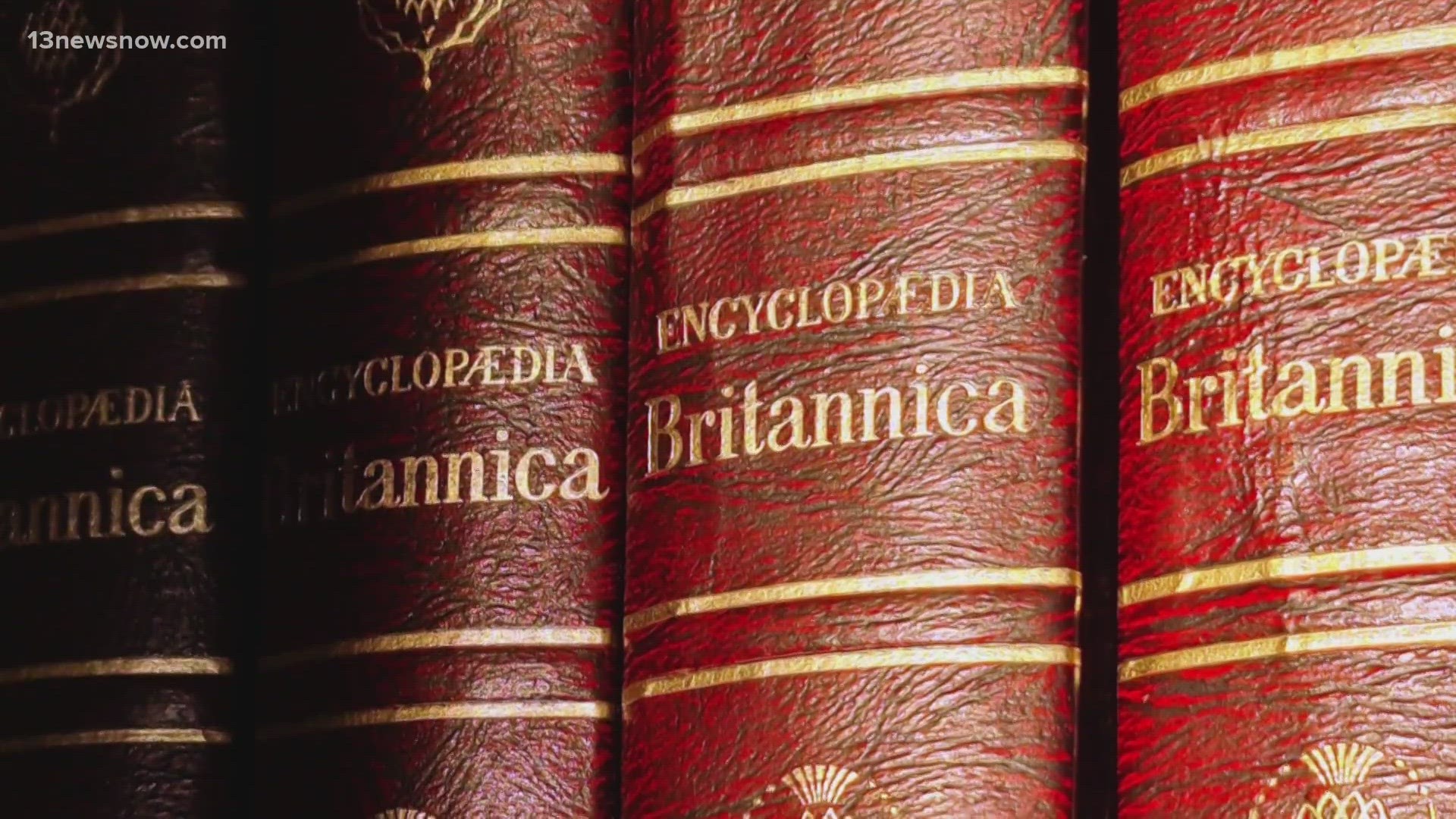
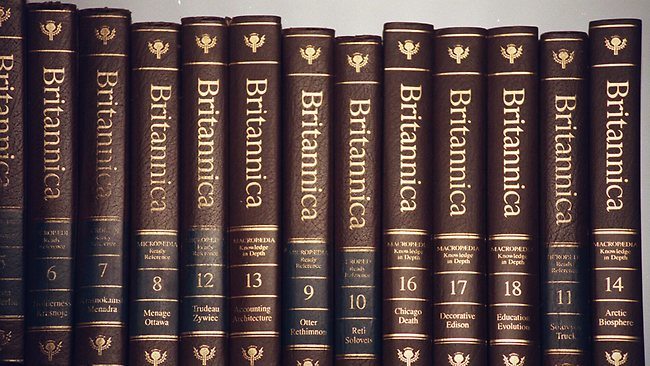
First published in 1768, Britannica represents the opposite model: expert-curated, closed editing, slower updates—but generally higher reliability. Its modern digital version has around 65,000–120,000 articles, fewer than Wikipedia but often deeper in quality. Britannica is partially behind a paywall, making it less accessible.
Grokipedia’s Position
Grokipedia sits somewhere between the two, promising Wikipedia’s breadth of coverage with Britannica’s rigor, but powered by AI rather than human governance. If Musk delivers, it could emerge as a “living encyclopedia” that updates dynamically in real time—a potential game-changer.
Challenges and Criticisms
Despite its promise, Grokipedia faces major hurdles:
AI Hallucinations – Grok has already sparked controversy for outputs that praised Hitler or fabricated details. If these tendencies persist, Grokipedia could be riddled with its own biases and errors.
Governance Questions – Unlike Wikipedia’s nonprofit structure, Grokipedia will be centralized under Musk’s for-profit xAI. Critics worry this could inject corporate interests or political agendas into the platform.
Transparency – While Musk derides Wikipedia’s “anonymous oligarchies,” it remains unclear who will oversee Grokipedia’s editorial processes. Will the algorithms themselves be open to audit?
Timelines – Musk’s history of delayed projects (e.g., self-driving Tesla timelines, Starship launch schedules, micropayments on X) raises skepticism about whether Grokipedia will launch on schedule—or at all.
Cultural Adoption – Wikipedia has two decades of brand trust and global adoption. Can Grokipedia persuade millions to switch?
Out-of-the-Box Thinking: Beyond Musk vs. Wikipedia
Epistemological Shift: Grokipedia raises profound questions about what “truth” means in the AI era. Should knowledge be curated by human consensus or algorithmic inference?
AI Education Tool: Imagine Grokipedia integrated into schools, updating textbooks in real time and tailoring learning materials to local contexts.
Geopolitical Implications: If widely adopted, Grokipedia could challenge not only Wikipedia but also state-controlled knowledge ecosystems (like China’s Baidu Baike). Could it become a new global “knowledge standard”?
AI Ethics: By declaring itself “unbiased,” Grokipedia risks replicating biases hidden in its training data. Its success will depend less on bold branding and more on transparent methodology.
Conclusion: A Bold Bet on Truth—or Another Musk Moonshot?
Elon Musk’s Grokipedia represents both a provocation and a possibility. On one hand, it taps into genuine frustrations with Wikipedia’s editorial politics and limitations. On the other, it risks becoming yet another over-promised Musk project, more branding exercise than breakthrough.
If successful, Grokipedia could reshape the landscape of digital knowledge, blending the scale of Wikipedia, the authority of Britannica, and the dynamism of AI. If it fails, it will serve as a reminder that truth—whether human- or AI-generated—is far harder to engineer than rockets or electric cars.
In an era of misinformation, polarization, and AI acceleration, Grokipedia poses the right question, even if we remain uncertain whether Musk has the right answer.
एलन मस्क का ग्रोकीपीडिया: क्या यह विकिपीडिया का एआई-आधारित विकल्प बनेगा?
30 सितंबर, 2025 को एलन मस्क ने एक और महत्वाकांक्षी परियोजना का अनावरण किया: ग्रोकीपीडिया, एक एआई-संचालित, ओपन-सोर्स ज्ञान भंडार जिसे उनकी एआई कंपनी xAI विकसित कर रही है। विकिपीडिया के विकल्प के रूप में पेश किया गया यह मंच अधिक सटीक, निष्पक्ष और व्यापक विश्वकोश बनने का दावा करता है, जो मस्क के ग्रोक एआई मॉडल की शक्ति का उपयोग करेगा। अभी इसकी कोई लॉन्च तिथि घोषित नहीं हुई है, लेकिन इसकी घोषणा ने पहले ही डिजिटल युग में ज्ञान, पूर्वाग्रह और सत्य के भविष्य पर गहन बहस छेड़ दी है।
मस्क विकिपीडिया को क्यों बदलना चाहते हैं
मस्क के उद्देश्य तकनीकी जितने हैं, उतने ही वैचारिक भी। वर्षों से वे विकिपीडिया की आलोचना करते आए हैं, यह कहते हुए कि यह “वामपंथी कार्यकर्ताओं” के कब्जे में है जो सामग्री को सेंसर और विकृत करते हैं। वे इसे तंज कसते हुए “वोकिपीडिया” और “डिकिपीडिया” कहते रहे हैं और आरोप लगाते हैं कि यह “लेफ्ट के लिए बदनामी का हथियार” है।
मस्क के समर्थकों का मानना है कि विकिपीडिया के संपादकीय गुट, अपारदर्शी मॉडरेशन और सुधारों का विरोध इसे अविश्वसनीय बनाते हैं—खासकर तब जब यह गूगल सर्च परिणामों पर हावी है और एआई प्रशिक्षण के लिए डेटा स्रोत का काम करता है। मस्क ने एक बार यहां तक कि 1 अरब डॉलर की पेशकश की थी कि अगर विकिपीडिया अपना नाम “डिकिपीडिया” रखे तो वे इसे खरीद लेंगे।
उनके अनुसार, यदि मानव ज्ञान त्रुटियों, आधे-सच और अनुपस्थित दृष्टिकोणों से भरा है, तो एआई-आधारित विश्वकोश एक सुधारात्मक कदम साबित हो सकता है। यही कारण है कि वे ग्रोकीपीडिया को न केवल विकिपीडिया का विकल्प बल्कि ब्रह्मांड को समझने की अपनी बड़ी परियोजना का हिस्सा बताते हैं।
ग्रोकीपीडिया कैसे काम करेगा
विकिपीडिया के स्वयंसेवक-आधारित मानव मॉडल से अलग, ग्रोकीपीडिया का केंद्र एआई ऑटोमेशन होगा। ग्रोक—xAI का बड़ा भाषा मॉडल जो वेब और X (पूर्व में ट्विटर) से प्रशिक्षित है—का उपयोग किया जाएगा:
मौजूदा विकिपीडिया प्रविष्टियों और अन्य स्रोतों का विश्लेषण करने में
सत्य, आंशिक सत्य, असत्य और छूटी हुई बातों की पहचान करने में
सामग्री को फिर से लिखने, त्रुटियाँ सुधारने और संदर्भ जोड़ने में
यह दृष्टिकोण विकिपीडिया के लाखों स्वयंसेवकों के काम को एआई से नकल कर और आगे बढ़ाने का प्रयास करेगा। खास बात यह है कि ग्रोकीपीडिया ओपन-सोर्स और नि:शुल्क होगा, ताकि कोई भी इसे पढ़ सके, साझा कर सके या उस पर काम कर सके।
साथ ही, यह xAI के इकोसिस्टम का हिस्सा होगा और संभवतः कोलॉसस सुपरकंप्यूटर (2,30,000 GPU) जैसी विशाल इंफ्रास्ट्रक्चर का उपयोग करेगा ताकि रियल-टाइम अपडेट और मल्टीमॉडल क्षमताएँ (चित्र, ऑडियो, वीडियो विश्लेषण) मिल सकें।
विशेषताएँ और महत्वाकांक्षाएँ
हालाँकि आधिकारिक विवरण सीमित हैं, लेकिन संभावित विशेषताओं में शामिल हैं:
एआई-संचालित सामग्री निर्माण – अधूरी या गलत जानकारी को सुधारना और संदर्भ जोड़ना।
पूर्वाग्रह में कमी – विकिपीडिया के “भावनात्मक फ्रेमिंग” से बचना।
मल्टीमॉडल सपोर्ट – टेक्स्ट के साथ चित्र, ग्राफ़ और अन्य मीडिया जोड़ना।
संवादी इंटरैक्शन – उपयोगकर्ता प्रश्न पूछ सकेंगे और ग्रोक की हास्य या व्यंग्य शैली में उत्तर पा सकेंगे।
एआई प्रशिक्षण डेटासेट – सार्वजनिक मंच के साथ-साथ, यह xAI के लिए उच्च गुणवत्ता वाला मालिकाना डेटा स्रोत भी बन सकता है।
मस्क का दावा है कि ग्रोकीपीडिया “मानव ज्ञान के पूरे कोष को फिर से लिखेगा।”
प्रतियोगी: विकिपीडिया और ब्रिटानिका
विकिपीडिया
2001 में लॉन्च हुआ, आज इसमें 6.7 मिलियन अंग्रेज़ी लेख और 300 से अधिक भाषाओं में सामग्री है। यह वैश्विक पैमाने पर सबसे बड़ा विश्वकोश है, लेकिन इसके स्वयंसेवक-आधारित मॉडल पर विवाद, पक्षपात और ‘एडिट वॉर्स’ जैसी समस्याएँ हावी रहती हैं।
एनसाइक्लोपीडिया ब्रिटानिका
1768 में शुरू हुआ, यह विशेषज्ञों द्वारा क्यूरेटेड सामग्री पर आधारित है। इसकी डिजिटल लाइब्रेरी में 65,000–120,000 लेख हैं। गुणवत्ता अधिक, लेकिन पहुँच सीमित और कुछ सामग्री पेवॉल के पीछे है।
ग्रोकीपीडिया की स्थिति
ग्रोकीपीडिया खुद को बीच का रास्ता दिखाता है—विकिपीडिया की विस्तृत कवरेज और ब्रिटानिका की गंभीरता, लेकिन केंद्र में एआई। अगर यह सफल हुआ, तो यह “जीवित विश्वकोश” बन सकता है जो वास्तविक समय में बदलता रहेगा।
चुनौतियाँ और आलोचनाएँ
ग्रोकीपीडिया की राह आसान नहीं है:
एआई की ग़लतियाँ (हॉलुसिनेशन) – ग्रोक ने पहले भी हिटलर की प्रशंसा जैसी विवादास्पद बातें कही हैं।
शासन का प्रश्न – विकिपीडिया एक गैर-लाभकारी संस्था द्वारा संचालित है, लेकिन ग्रोकीपीडिया मस्क की लाभकारी कंपनी xAI के अधीन होगा।
पारदर्शिता – क्या ग्रोकीपीडिया के एल्गोरिद्म खुले तौर पर ऑडिट के लिए उपलब्ध होंगे?
समयसीमा – मस्क की पिछली परियोजनाओं की देरी (जैसे सेल्फ-ड्राइविंग, स्टारशिप लॉन्च) पर संदेह है।
सांस्कृतिक अपनापन – विकिपीडिया की 20 साल की ब्रांड पहचान को क्या ग्रोकीपीडिया हटा पाएगा?
परे की सोच: यह केवल विकिपीडिया बनाम मस्क नहीं
सत्य की परिभाषा – क्या ज्ञान मानव सहमति से परिभाषित होगा या एल्गोरिद्मिक अनुमान से?
शिक्षा में क्रांति – कल्पना कीजिए कि स्कूलों की किताबें रियल-टाइम अपडेट होती रहें।
भू-राजनीतिक असर – ग्रोकीपीडिया चीन के बाइडू बाइके जैसे राज्य-नियंत्रित विश्वकोशों को चुनौती दे सकता है।
एआई नैतिकता – “निष्पक्षता” का दावा करना आसान है, पर एआई अक्सर अपने प्रशिक्षण डेटा का पक्षपात दोहराता है।
निष्कर्ष: सत्य पर दांव या एक और मस्क मूनशॉट?
ग्रोकीपीडिया एक संभावना और उकसावे दोनों का प्रतीक है। यह विकिपीडिया की वास्तविक कमजोरियों को चुनौती देता है, लेकिन साथ ही यह खतरा भी है कि यह मस्क की कई अधूरी महत्वाकांक्षाओं जैसा ही रह जाएगा।
अगर सफल हुआ, तो यह डिजिटल ज्ञान की दुनिया को नया आकार दे सकता है—विकिपीडिया का पैमाना, ब्रिटानिका की गंभीरता और एआई की गतिशीलता एक साथ। अगर असफल हुआ, तो यह याद दिलाएगा कि सत्य का निर्माण रॉकेट या इलेक्ट्रिक कारों से कहीं कठिन है।
आज की दुनिया में, जहाँ भ्रामक सूचना, ध्रुवीकरण और एआई का तेजी से विस्तार हावी है, ग्रोकीपीडिया सही सवाल तो पूछता है—even if हम अभी निश्चित नहीं कि मस्क के पास सही जवाब है।
Here are two clean, reader-friendly comparison tables — the first compares Wikipedia vs. Grokipedia, the second expands to include Britannica for a three-way view.
Table 1: Wikipedia vs. Grokipedia
Aspect
Wikipedia
Grokipedia
Founded / Announced
2001
Announced Sept 30, 2025 (under development)
Content Generation
Created/edited by human volunteers; requires citations; no original research
मिश्रित: मुफ्त बेसिक पहुँच (विज्ञापनों सहित), प्रीमियम सदस्यता पर पूरा कंटेन्ट
ताकतें
विशाल पैमाना, पहुँच, वैश्विक सहयोग
गति, स्वचालन, एआई-आधारित विस्तार
प्रामाणिकता, विश्वसनीयता, विशेषज्ञ क्यूरेशन
कमजोरियाँ
एडिट वॉर, पक्षपात, तोड़फोड़, गुणवत्ता में असमानता
एआई भ्रम, पारदर्शिता की कमी, कॉर्पोरेट प्रभाव
छोटा पैमाना, पेवॉल के कारण सीमित पहुँच
Grokipedia Shouldn’t Erase Bias — It Should Illuminate the Full Spectrum of Debate
When Elon Musk announced Grokipedia—an AI-powered, open-source alternative to Wikipedia—he framed its purpose as a way to “fix bias.” His criticism of Wikipedia has been consistent: the platform, he argues, is dominated by left-leaning editors who present politically charged issues through a narrow lens. Grokipedia, by contrast, is supposed to offer “truth” free from activist interference or ideological coloring.
But here’s the paradox: politics is inherently contested terrain. To aim for the complete removal of “bias” on polarizing issues is not only unrealistic—it risks stripping away the very perspectives that make democratic discourse meaningful. Instead of attempting the impossible task of “purging” bias, Grokipedia could be far more valuable if it embraced pluralism: presenting the full spectrum of debates side by side, clearly, transparently, and comprehensively.
The Problem With Chasing Neutrality
“Neutrality” sounds noble, but in practice it’s slippery. What one group calls neutral, another calls biased. A Wikipedia article about climate change may lean heavily on scientific consensus, which is technically factual—but critics accuse it of marginalizing skeptics. An entry on Israel-Palestine inevitably upsets both sides. A biography of Donald Trump that foregrounds indictments is viewed as either accurate reporting or political hostility, depending on the reader.
Grokipedia’s promise to eliminate bias through AI risks flattening political complexity into sanitized summaries that please no one. Worse, if an algorithm decides which perspectives count as “truth” and which don’t, it simply replaces human editorial bias with machine-coded bias—harder to detect, but no less real.
A Better Path: Structured Spectrum Debate
What Grokipedia could offer—something neither Wikipedia nor traditional encyclopedias do well—is structured spectrum debate. On every contentious issue, from abortion to taxation to climate policy, Grokipedia could map out the full landscape of positions.
Historical context: How has the debate evolved over time?
Left, Right, and Beyond: What do progressives, conservatives, libertarians, and other camps argue?
Global perspectives: How does the debate look in the U.S. vs. Europe vs. Asia?
Evidence presented: What data, studies, or philosophical frameworks do each side cite?
Critiques and counter-critiques: How do opposing sides respond to each other?
Instead of hiding behind “neutrality,” Grokipedia could curate political pluralism, letting readers see, at a glance, not just what one “consensus” says but what all serious voices in the debate argue.
Why This Matters for Democracy
In today’s world of echo chambers and algorithmic feeds, political conversations are fractured. People consume only the version of “truth” that aligns with their tribe. Social media amplifies outrage rather than understanding, while Wikipedia, despite its openness, often defaults to presenting one “authoritative” line that leaves dissenting readers frustrated.
By laying out competing views transparently, Grokipedia could become an educational tool for democratic literacy. Imagine high school students learning about gun control not through a single narrative but through a structured map of the arguments on both sides, each backed by sources. Imagine policy analysts quickly reviewing how different ideological camps frame taxation, energy, or healthcare.
Far from being a battleground for edit wars, Grokipedia could function as a mirror of society’s arguments—a living record of how humans disagree, and why.
The Technical Advantage
This approach also aligns naturally with AI’s strengths. Large language models like Grok are already adept at summarizing, contrasting, and reframing perspectives. Instead of being instructed to generate a single “neutral” answer, Grok could be tasked with creating comparative syntheses:
“Here’s what the left argues.”
“Here’s what the right argues.”
“Here’s what libertarians, centrists, or independents add.”
By making this structural framing explicit, Grokipedia would avoid both accusations of censorship and the illusion that any single framing is “truth.”
Conclusion: Toward a More Honest Encyclopedia
Grokipedia’s greatest promise isn’t in “fixing” bias but in illuminating it. In politics, bias is not a bug—it’s the feature of pluralistic societies where values, interests, and visions of justice collide.
Instead of erasing those differences, Grokipedia should map them. It should show readers that the world is not black and white but a spectrum of contested ideas, each with its logic, evidence, and blind spots. By doing so, it could transform political conversations—not by pretending to rise above them, but by equipping us to see them whole.
If Musk truly wants Grokipedia to advance “understanding of the universe,” then the universe of political debate must be shown in its full, messy, and illuminating plurality.
ग्रोकीपीडिया को पक्षपात मिटाना नहीं चाहिए — इसे बहस का पूरा परिदृश्य दिखाना चाहिए
जब एलन मस्क ने ग्रोकीपीडिया—एक एआई-आधारित, ओपन-सोर्स विकल्प विकिपीडिया का—घोषणा की, तो उन्होंने इसे “पक्षपात ठीक करने” का माध्यम बताया। मस्क की विकिपीडिया पर आलोचना लगातार रही है: उनका तर्क है कि यह मंच वामपंथी झुकाव वाले संपादकों के कब्जे में है, जो राजनीतिक मुद्दों को संकीर्ण दृष्टिकोण से प्रस्तुत करते हैं। इसके उलट, ग्रोकीपीडिया का उद्देश्य “सत्य” दिखाना बताया गया—बिना किसी कार्यकर्ता या विचारधारात्मक प्रभाव के।
लेकिन यहाँ एक विरोधाभास है: राजनीति स्वयं ही विवादित क्षेत्र है। “पक्षपात” को पूरी तरह हटाने का लक्ष्य न केवल अवास्तविक है, बल्कि यह लोकतांत्रिक विमर्श को सार्थक बनाने वाले दृष्टिकोणों को मिटाने का खतरा भी पैदा करता है। असंभव काम करने के बजाय, ग्रोकीपीडिया वास्तव में अधिक उपयोगी होगा अगर यह बहुलता को अपनाए: यानी हर मुद्दे पर पूरे परिदृश्य को साथ-साथ, स्पष्ट, पारदर्शी और व्यापक रूप से प्रस्तुत करे।
निष्पक्षता का पीछा करने की समस्या
“निष्पक्षता” सुनने में आकर्षक है, लेकिन व्यवहार में फिसलन भरी। जो एक समूह के लिए तटस्थ है, दूसरे के लिए पक्षपाती। जलवायु परिवर्तन पर विकिपीडिया का लेख वैज्ञानिक सहमति पर केंद्रित हो सकता है—तकनीकी रूप से तथ्यात्मक—लेकिन आलोचक कहते हैं कि यह संशयवादियों को हाशिए पर डाल देता है। इजरायल-फिलिस्तीन पर कोई भी प्रविष्टि दोनों पक्षों को असंतुष्ट करती है। डोनाल्ड ट्रंप की जीवनी जिसमें अभियोगों को प्रमुखता दी जाए, समर्थकों को राजनीतिक हमला लग सकती है और आलोचकों को सटीक रिपोर्टिंग।
अगर ग्रोकीपीडिया का उद्देश्य एआई के माध्यम से पक्षपात मिटाना हुआ, तो इसका परिणाम होगा राजनीतिक जटिलताओं को चिकने, निष्प्राण सारांशों में बदल देना—जो किसी को भी संतुष्ट नहीं करेंगे। इससे भी बुरा, अगर एल्गोरिद्म यह तय करने लगे कि कौन सा दृष्टिकोण “सत्य” है और कौन नहीं, तो यह केवल मानव संपादकीय पक्षपात की जगह मशीन-कोडित पक्षपात ले लेगा—जो पकड़ना और भी कठिन होगा।
बेहतर रास्ता: संरचित स्पेक्ट्रम बहस
ग्रोकीपीडिया जो कर सकता है—और जिसे न तो विकिपीडिया और न ही पारंपरिक विश्वकोश अच्छी तरह करते हैं—वह है संरचित स्पेक्ट्रम बहस। हर विवादास्पद मुद्दे पर, चाहे वह गर्भपात हो या कर नीति या जलवायु, ग्रोकीपीडिया पूरा परिदृश्य नक्शे पर उतार सकता है।
ऐतिहासिक संदर्भ: यह बहस समय के साथ कैसे बदली?
बाएँ, दाएँ और उससे परे: प्रगतिवादी, रूढ़िवादी, उदारवादी और अन्य क्या तर्क देते हैं?
वैश्विक दृष्टिकोण: अमेरिका, यूरोप और एशिया में यह बहस कैसी दिखती है?
साक्ष्य: प्रत्येक पक्ष कौन से आँकड़े, अध्ययन या दार्शनिक ढाँचे प्रस्तुत करता है?
आलोचना और प्रत्युत्तर: एक पक्ष का उत्तर दूसरे पक्ष क्या देता है?
“निष्पक्षता” के पीछे छिपने के बजाय, ग्रोकीपीडिया राजनीतिक बहुलता को संकलित कर सकता है—ताकि पाठक यह समझ सकें कि केवल “एक सर्वसम्मति” ही नहीं, बल्कि सभी गम्भीर दृष्टिकोण क्या कहते हैं।
लोकतंत्र के लिए क्यों ज़रूरी है
आज की दुनिया में, जहाँ एल्गोरिद्मिक फीड और इको चैंबर लोगों को विभाजित करते हैं, राजनीतिक वार्तालाप खंडित हो चुके हैं। लोग वही “सत्य” ग्रहण करते हैं जो उनकी विचारधारा के अनुकूल हो। सोशल मीडिया समझ से ज़्यादा आक्रोश बढ़ाता है। विकिपीडिया, अपनी पारदर्शिता के बावजूद, प्रायः “एक आधिकारिक दृष्टिकोण” को प्रस्तुत करता है, जिससे असहमत पाठक निराश होते हैं।
यदि ग्रोकीपीडिया पारदर्शिता के साथ प्रतिस्पर्धी विचार प्रस्तुत करे, तो यह लोकतांत्रिक साक्षरता का शैक्षिक औजार बन सकता है। सोचिए, अगर छात्र बंदूक नियंत्रण पर पढ़ाई करते हुए एक ही कहानी न पढ़ें, बल्कि बहस का पूरा मानचित्र देखें। सोचिए, अगर नीति विश्लेषक यह समझ सकें कि कराधान, ऊर्जा या स्वास्थ्य सेवाओं पर विभिन्न विचारधारात्मक समूह क्या तर्क देते हैं।
ग्रोकीपीडिया तब केवल “एडिट वॉर” का अखाड़ा नहीं, बल्कि समाज की बहसों का दर्पण होगा—एक जीवित दस्तावेज़ जो दिखाएगा कि हम असल में किन मुद्दों पर और क्यों असहमत हैं।
तकनीकी लाभ
यह दृष्टिकोण एआई की प्राकृतिक ताकतों से मेल खाता है। ग्रोक जैसे भाषा मॉडल पहले से ही तुलना, सारांश और बहस को कई कोणों से प्रस्तुत करने में माहिर हैं। एक “निष्पक्ष” उत्तर पैदा करने के बजाय, ग्रोक से अपेक्षा की जा सकती है कि वह तुलनात्मक सार बनाए:
“यह बाएँ का तर्क है।”
“यह दाएँ का तर्क है।”
“यह मध्यपंथी, उदारवादी या स्वतंत्र समूह का दृष्टिकोण है।”
इस संरचना को स्पष्ट बनाकर, ग्रोकीपीडिया न तो सेंसरशिप के आरोप झेलेगा और न ही “एकमात्र सत्य” का भ्रम पैदा करेगा।
निष्कर्ष: एक अधिक ईमानदार विश्वकोश की ओर
ग्रोकीपीडिया का सबसे बड़ा वादा पक्षपात “मिटाने” में नहीं, बल्कि उसे उजागर करने में है। राजनीति में, पक्षपात कोई दोष नहीं—यह लोकतांत्रिक समाजों की विशेषता है, जहाँ मूल्य, हित और न्याय की दृष्टि टकराती हैं।
इन मतभेदों को मिटाने के बजाय, ग्रोकीपीडिया को उन्हें मानचित्रित करना चाहिए। यह दिखाना चाहिए कि दुनिया श्वेत-श्याम नहीं है, बल्कि विचारों के एक स्पेक्ट्रम से बनी है—प्रत्येक के पास अपने तर्क, प्रमाण और कमजोरियाँ हैं। ऐसा करके, यह राजनीतिक वार्तालाप को बदल सकता है—यह दिखावा किए बिना कि वह उनसे ऊपर है, बल्कि हमें उन्हें पूरी तरह देखने की क्षमता देकर।
अगर मस्क वास्तव में चाहते हैं कि ग्रोकीपीडिया “ब्रह्मांड की समझ” में योगदान दे, तो राजनीतिक बहसों के ब्रह्मांड को भी उसकी पूरी, उलझी हुई, परन्तु रोशन बहुलता में दिखाना अनिवार्य होगा।
Sample Grokipedia Spectrum Entries
1. Climate Change
Overview:
Climate change refers to the long-term alteration of Earth’s climate patterns, primarily attributed to rising greenhouse gas emissions. While a scientific consensus affirms that human activity is the main driver, the political debate spans denial, adaptation, and systemic transformation.
Human-caused emissions are driving global warming.
Urgent need for carbon neutrality by mid-century.
Strong regulation of fossil fuels, renewable transition, global treaties like the Paris Agreement.
Skeptics / Denialists:
Argue climate change is part of natural cycles.
Highlight uncertainty in long-term models.
Some claim policies are alarmist and economically harmful.
Pragmatists / Market-Liberals:
Accept climate change but oppose heavy regulation.
Favor market-based solutions: carbon trading, green tech innovation, geoengineering.
Worry about “climate socialism.”
Radical Climate Justice Advocates:
Frame climate change as rooted in capitalism and inequality.
Call for systemic overhaul, climate reparations, degrowth economy.
Link environmental justice to racial, indigenous, and global south struggles.
Global South Perspective:
Developing nations argue they should not bear equal burden.
Push for climate finance, technology transfer, and fair adaptation funding.
2. Abortion
Overview:
Abortion is one of the most divisive moral and legal issues worldwide, concerning reproductive rights, bodily autonomy, and the status of fetal life. Laws vary dramatically between countries and even within them.
Spectrum of Views:
Pro-Choice (Reproductive Rights Advocates):
Emphasize bodily autonomy and women’s rights.
Argue bans disproportionately hurt poor and marginalized women.
Support safe, legal access, comprehensive sex education, and contraception.
Pro-Life (Anti-Abortion Advocates):
Argue life begins at conception; abortion is morally equivalent to murder.
Emphasize fetal rights over maternal choice.
Support restrictive laws, often tied to religious or moral principles.
Moderate / Compromise Positions:
Support legal abortion in early pregnancy, restrictions later.
Exceptions for rape, incest, or maternal health.
Balance of fetal protection and women’s autonomy.
Religious Perspectives:
Catholic Church: life begins at conception, abortion intrinsically wrong.
Many Protestant groups: mixed—some strongly pro-life, others pro-choice.
Islamic jurisprudence: diverse, often permits abortion before 120 days, with conditions.
Hinduism/Buddhism: discourage abortion but not uniformly absolute bans.
Global Perspective:
Northern Europe: liberal access.
U.S.: patchwork of state-level bans and protections after Roe v. Wade was overturned.
Latin America: wave of liberalization in Argentina, Mexico, Colombia.
Africa/Asia: restrictive in many countries, exceptions for maternal health.
3. Taxation
Overview:
Taxation debates center on the balance between funding public goods and maintaining economic freedom. Disagreements involve fairness, economic growth, redistribution, and government size.
Spectrum of Views:
Progressive Tax Advocates (Left):
Support high taxes on wealthy individuals and corporations.
Emphasize redistribution to reduce inequality.
Point to Nordic models with strong welfare states.
Flat Tax / Libertarian Advocates (Right):
Argue flat or low taxes incentivize work, investment, innovation.
See redistribution as coercive and economically damaging.
Propose limited government and voluntary charity.
Centrist / Mixed Economists:
Favor balanced systems: progressive income taxes plus consumption taxes.
Advocate for efficiency (closing loopholes, broadening tax base).
Seek moderate welfare spending without stifling growth.
Populist / Radical Proposals:
Calls for wealth taxes on billionaires, global corporate minimum tax.
Oppose tax havens and offshoring.
Frame taxation as a moral tool to rein in inequality.
Global South Perspective:
Struggle with weak tax systems, large informal economies.
Depend on indirect taxes (like VAT) which hurt the poor.
Push for debt relief and international tax justice.
Why This Format Works
Unlike Wikipedia’s single “neutral” narrative, Grokipedia could:
Expose the full spectrum of arguments instead of smoothing over differences.
Frame debates dynamically, showing how they evolve historically and globally.
Integrate multimedia and data, like charts of carbon emissions or global abortion laws.
Teach civic literacy, helping readers understand not just what one side says, but why multiple sides disagree.
ग्रोकीपीडिया के लिए नमूना “स्पेक्ट्रम प्रविष्टियाँ”
1. जलवायु परिवर्तन (Climate Change)
सारांश:
जलवायु परिवर्तन का तात्पर्य पृथ्वी की दीर्घकालिक जलवायु पैटर्न में बदलाव से है, जिसे मुख्य रूप से ग्रीनहाउस गैस उत्सर्जन में वृद्धि से जोड़ा जाता है। वैज्ञानिकों की सहमति है कि मानवीय गतिविधि इसका मुख्य कारण है, लेकिन राजनीतिक बहस अस्वीकृति से लेकर तंत्रगत परिवर्तन तक फैली हुई है।
कहते हैं जलवायु परिवर्तन प्राकृतिक चक्र का हिस्सा है।
दीर्घकालिक मॉडलों में अनिश्चितता पर जोर।
नीतियों को "अलार्मिस्ट" और अर्थव्यवस्था के लिए हानिकारक मानते हैं।
व्यावहारिक / बाज़ार-उदारवादी:
जलवायु परिवर्तन स्वीकारते हैं लेकिन भारी नियमन का विरोध।
बाज़ार आधारित समाधान: कार्बन ट्रेडिंग, हरित तकनीक, जियोइंजीनियरिंग।
“क्लाइमेट सोशलिज़्म” को लेकर चिंतित।
कट्टर जलवायु न्याय समर्थक:
समस्या की जड़ पूँजीवाद और असमानता मानते हैं।
जलवायु क्षतिपूर्ति, डीग्रोथ अर्थव्यवस्था, तंत्रगत बदलाव की माँग।
नस्लीय, आदिवासी और वैश्विक दक्षिण के संघर्षों से जोड़ते हैं।
वैश्विक दक्षिण दृष्टिकोण:
विकासशील देशों का तर्क: समान बोझ नहीं उठाना चाहिए।
जलवायु वित्त, तकनीक हस्तांतरण और उचित फंडिंग की माँग।
2. गर्भपात (Abortion)
सारांश:
गर्भपात दुनिया भर में सबसे विवादित नैतिक और कानूनी मुद्दों में से एक है। इसमें प्रजनन अधिकार, शारीरिक स्वतंत्रता और भ्रूण के जीवन की स्थिति पर बहस शामिल है। विभिन्न देशों में क़ानून बहुत अलग-अलग हैं।
विचारों का स्पेक्ट्रम:
प्रो-चॉइस (प्रजनन अधिकार समर्थक):
शारीरिक स्वतंत्रता और महिलाओं के अधिकार पर जोर।
प्रतिबंध गरीब और हाशिए पर मौजूद महिलाओं को सबसे अधिक प्रभावित करते हैं।
सुरक्षित और कानूनी गर्भपात, यौन शिक्षा और गर्भनिरोधक का समर्थन।
प्रो-लाइफ़ (गर्भपात विरोधी):
कहते हैं जीवन गर्भाधान से शुरू होता है; गर्भपात हत्या के समान।
भ्रूण के अधिकार को महिला की पसंद पर प्राथमिकता देते हैं।
धार्मिक/नैतिक आधार पर कड़े क़ानून का समर्थन।
मध्यम / समझौता दृष्टिकोण:
शुरुआती गर्भावस्था में गर्भपात की अनुमति, बाद में प्रतिबंध।
बलात्कार, अनाचार या मातृ स्वास्थ्य में अपवाद।
महिला की स्वतंत्रता और भ्रूण सुरक्षा के बीच संतुलन।
धार्मिक दृष्टिकोण:
कैथोलिक चर्च: गर्भाधान से जीवन, गर्भपात सख्त वर्जित।
प्रोटेस्टेंट समूह: मिश्रित—कुछ सख्त विरोधी, कुछ समर्थक।
इस्लामी क़ानून: विविध; अक्सर 120 दिन से पहले शर्तों सहित अनुमति।
हिन्दू/बौद्ध: गर्भपात को हतोत्साहित करते हैं, लेकिन पूर्ण प्रतिबंध नहीं।
वैश्विक दृष्टिकोण:
उत्तरी यूरोप: उदार कानूनी पहुँच।
अमेरिका: राज्य-स्तर पर प्रतिबंध और सुरक्षा का पैचवर्क (Roe v. Wade के बाद)।
लैटिन अमेरिका: हाल में उदारीकरण (अर्जेंटीना, मैक्सिको, कोलम्बिया)।
अफ्रीका/एशिया: अधिकतर प्रतिबंधात्मक, मातृ स्वास्थ्य अपवाद के साथ।
3. कराधान (Taxation)
सारांश:
कराधान पर बहस इस संतुलन पर केन्द्रित है कि सार्वजनिक सेवाओं को कैसे वित्त पोषित किया जाए और आर्थिक स्वतंत्रता कैसे सुरक्षित रखी जाए। असहमति न्याय, आर्थिक वृद्धि, पुनर्वितरण और सरकार के आकार को लेकर होती है।
विचारों का स्पेक्ट्रम:
प्रगतिशील कर समर्थक (वामपंथ):
अमीरों और निगमों पर उच्च कर।
असमानता कम करने के लिए पुनर्वितरण।
नॉर्डिक देशों के मजबूत कल्याणकारी मॉडल को उदाहरण मानते हैं।
फ्लैट टैक्स / उदारवादी (दक्षिणपंथ):
समान या कम कर निवेश और नवाचार को प्रोत्साहित करते हैं।
पुनर्वितरण को ज़बरदस्ती और हानिकारक मानते हैं।
सीमित सरकार और स्वैच्छिक दान का समर्थन।
मध्यपंथी / मिश्रित अर्थशास्त्री:
संतुलित व्यवस्था: प्रगतिशील आयकर + उपभोग कर।
दक्षता पर जोर (छिद्र बंद करना, कर आधार चौड़ा करना)।
मध्यम कल्याणकारी खर्च ताकि विकास बाधित न हो।
जनवादी / कट्टर प्रस्ताव:
अरबपतियों पर सम्पत्ति कर, वैश्विक कॉर्पोरेट न्यूनतम कर।
कर-स्वर्ग (tax havens) का विरोध।
कराधान को असमानता रोकने का नैतिक उपकरण मानते हैं।
वैश्विक दक्षिण दृष्टिकोण:
कमजोर कर प्रणाली, बड़ी अनौपचारिक अर्थव्यवस्था।
परोक्ष कर (जैसे VAT) पर निर्भर, जो गरीबों को चोट पहुँचाता है।
ऋण माफी और अंतरराष्ट्रीय कर न्याय की माँग।
क्यों यह प्रारूप अलग है
विकिपीडिया की तरह एकल “तटस्थ” कथा देने के बजाय, ग्रोकीपीडिया:
पूरा स्पेक्ट्रम उजागर कर सकता है, मतभेद छिपाने के बजाय।
गतिशील रूप से बहस प्रस्तुत कर सकता है, ऐतिहासिक और वैश्विक परिप्रेक्ष्य सहित।
मल्टीमीडिया और डेटा जोड़ सकता है, जैसे उत्सर्जन ग्राफ़ या गर्भपात कानूनों का मानचित्र।
नागरिक साक्षरता सिखा सकता है, जिससे लोग समझ सकें कि सिर्फ एक पक्ष क्या कहता है नहीं, बल्कि क्यों कई पक्ष असहमत हैं।
Why Grokipedia Should Become the Ultimate Academic Knowledge Engine
When Elon Musk announced Grokipedia as an AI-powered alternative to Wikipedia, much of the focus fell on politics, culture, and the problem of bias. But the real test of its value may lie not in political debates, but in the world of academic knowledge—fields like physics, chemistry, biology, mathematics, and beyond. If Grokipedia is to fulfill its promise of being the most comprehensive knowledge repository ever built, it needs to transform how people access and interact with scientific research.
The Textbook and Journal Divide
For centuries, academic learning has been mediated by two types of sources:
Textbooks – curated, structured, and peer-reviewed, but quickly outdated.
Journal Articles – the lifeblood of new discoveries, but fragmented across thousands of publications and hidden behind paywalls.
Students and researchers are often caught in a frustrating gap: textbooks don’t keep up with the pace of discovery, while journals remain locked away unless one belongs to a university with expensive subscriptions. Even Wikipedia, while vast, relies largely on open-access summaries rather than direct, real-time engagement with the latest research.
How Grokipedia Could Fix It
Instead of merely rewriting Wikipedia, Grokipedia could become a living academic knowledge engine, with three critical steps:
Train on Textbooks:
In subjects like mathematics, physics, chemistry, and engineering, textbooks distill complex ideas into structured explanations.
By using these as foundational training material, Grokipedia could build a reliable, curriculum-grade backbone of knowledge.
Continuously Read Journals:
The real innovation would come if Grokipedia were designed to ingest and analyze new journal articles in real time.
Every day, across Nature, Science, Physical Review Letters, JAMA, and thousands of others, new discoveries emerge.
Grokipedia could synthesize these instantly, highlighting breakthroughs and situating them in the broader academic landscape.
Pay the Journals to Read Them:
The key is access. Journals survive on subscription models that restrict public access.
If Grokipedia, backed by xAI, pays for those subscriptions at scale, it could “read” the articles on behalf of humanity.
Users would then access the distilled knowledge freely—without paywalls, without log-ins, without institutional barriers.
In effect, Grokipedia would act as the world’s AI research librarian, ensuring that knowledge is democratized, even if access costs are covered behind the scenes.
Why This Matters
Equity in Education: A high school student in Lagos or Kathmandu could learn from the same cutting-edge physics papers as a graduate student at MIT.
Accelerated Discovery: Researchers could spend less time digging through endless PDFs and more time building upon the most relevant findings.
Dynamic Textbooks: Imagine chemistry or biology entries that update themselves automatically as new methods, experiments, and discoveries are published.
Interdisciplinary Bridges: Grokipedia could connect dots across fields—for example, linking advances in AI with breakthroughs in neuroscience or quantum computing.
Challenges Ahead
Of course, there are hurdles:
Copyright and Licensing: Negotiating with academic publishers would be a monumental task, as many guard their content fiercely.
Quality Control: AI must be careful not to misinterpret preliminary studies or amplify flawed science.
Information Overload: The sheer volume of research (millions of articles per year) requires not just reading but ranking, contextualizing, and curating.
Still, these challenges are not insurmountable. In fact, solving them would give Grokipedia a clear advantage over every other knowledge platform in existence.
Conclusion: Grokipedia as Humanity’s Research Assistant
If Grokipedia is to truly “understand the universe,” as Musk envisions, then academic knowledge must be its cornerstone. That means grounding itself in textbooks for stability, continuously scanning journals for novelty, and—crucially—absorbing the costs of access so that users don’t have to.
In this model, Grokipedia wouldn’t just be an encyclopedia. It would be the world’s most powerful, free, and dynamic research assistant—a platform where the frontiers of science are never locked behind paywalls, but instantly available to anyone with curiosity.
क्यों ग्रोकीपीडिया को बनना चाहिए सर्वोत्तम शैक्षणिक ज्ञान इंजन
जब एलन मस्क ने ग्रोकीपीडिया को विकिपीडिया के एआई-आधारित विकल्प के रूप में घोषित किया, तो अधिकांश ध्यान राजनीति, संस्कृति और पक्षपात की समस्या पर गया। लेकिन इसकी असली परीक्षा शायद राजनीति में नहीं, बल्कि शैक्षणिक ज्ञान की दुनिया में होगी—भौतिकी, रसायन, जीवविज्ञान, गणित और अन्य विषयों में। यदि ग्रोकीपीडिया वास्तव में अब तक का सबसे व्यापक ज्ञान भंडार बनना चाहता है, तो उसे लोगों के लिए वैज्ञानिक शोध तक पहुँच और उसके साथ संवाद करने का तरीका बदलना होगा।
पाठ्यपुस्तक और जर्नल की खाई
सदियों से अकादमिक शिक्षा दो स्रोतों पर निर्भर रही है:
पाठ्यपुस्तकें – सुव्यवस्थित, सहकर्मी-समीक्षित, लेकिन जल्दी पुरानी हो जाने वाली।
जर्नल लेख – नई खोजों की धड़कन, लेकिन हजारों प्रकाशनों में बिखरे और पेवॉल (paywall) के पीछे छिपे हुए।
छात्र और शोधकर्ता अक्सर बीच की इस खाई में फँस जाते हैं: पाठ्यपुस्तकें तेज़ी से होने वाली खोजों के साथ नहीं चल पातीं, और जर्नल्स तक पहुँच तब तक संभव नहीं जब तक आपके पास महँगे विश्वविद्यालय सदस्यता न हों। यहाँ तक कि विकिपीडिया भी ज्यादातर ओपन-एक्सेस सारांशों पर आधारित है, न कि प्रत्यक्ष, वास्तविक-समय में प्रकाशित शोध पर।
ग्रोकीपीडिया इसे कैसे सुधार सकता है
सिर्फ विकिपीडिया को फिर से लिखने के बजाय, ग्रोकीपीडिया एक जीवित शैक्षणिक ज्ञान इंजन बन सकता है, तीन अहम कदमों के साथ:
पाठ्यपुस्तकों पर प्रशिक्षण:
गणित, भौतिकी, रसायन और इंजीनियरिंग जैसे विषयों में पाठ्यपुस्तकें जटिल विचारों को संरचित तरीके से समझाती हैं।
इन्हें आधार सामग्री के रूप में उपयोग कर ग्रोकीपीडिया एक विश्वसनीय, पाठ्यक्रम-स्तरीय ज्ञान का ढाँचा बना सकता है।
निरंतर जर्नल पढ़ना:
असली नवाचार तब होगा जब ग्रोकीपीडिया इस तरह बनाया जाए कि यह प्रतिदिन नए जर्नल लेख पढ़े और विश्लेषण करे।
हर दिन Nature, Science, Physical Review Letters, JAMA और हजारों अन्य जर्नल्स में नई खोजें प्रकाशित होती हैं।
ग्रोकीपीडिया इन्हें तुरंत समाहित कर सकता है, प्रमुख खोजों को सामने लाते हुए और उन्हें बड़े शैक्षणिक परिदृश्य में रख सकता है।
जर्नल्स को पढ़ने के लिए भुगतान करना:
असली कुंजी है पहुँच (access)। जर्नल्स सदस्यता मॉडल पर चलते हैं, जिससे आम जनता की पहुँच सीमित रहती है।
यदि ग्रोकीपीडिया (xAI के सहयोग से) बड़े पैमाने पर इन सदस्यताओं के लिए भुगतान करे, तो यह लेखों को पूरी मानवता के लिए पढ़ सकेगा।
उपयोगकर्ता तब बिना पेवॉल, बिना लॉग-इन, बिना संस्थागत बाधा के निःशुल्क ज्ञान तक पहुँच पाएँगे।
असल में, ग्रोकीपीडिया दुनिया का एआई रिसर्च लाइब्रेरियन बन जाएगा—सुनिश्चित करते हुए कि ज्ञान लोकतांत्रिक हो, भले ही पहुँच का खर्च पर्दे के पीछे वह खुद वहन करे।
यह क्यों महत्वपूर्ण है
शिक्षा में समानता: लागोस या काठमांडू का एक हाई-स्कूल छात्र MIT के स्नातक छात्र जितना ही नवीनतम भौतिकी शोध पढ़ सकेगा।
तेज़ खोज: शोधकर्ताओं का समय पीडीएफ़ ढूँढ़ने में नहीं, बल्कि सबसे प्रासंगिक निष्कर्षों पर आगे काम करने में लगेगा।
गतिशील पाठ्यपुस्तकें: कल्पना कीजिए कि रसायन या जीवविज्ञान की प्रविष्टियाँ स्वतः अपडेट होती रहें जैसे ही नए प्रयोग या खोज प्रकाशित हों।
अंतरविषयी पुल: ग्रोकीपीडिया विभिन्न क्षेत्रों के बीच कड़ी जोड़ सकता है—जैसे एआई में प्रगति को न्यूरोसाइंस या क्वांटम कम्प्यूटिंग की खोजों से जोड़ना।
आगे की चुनौतियाँ
बेशक, कुछ बड़ी बाधाएँ हैं:
कॉपीराइट और लाइसेंसिंग: शैक्षणिक प्रकाशकों के साथ सौदेबाजी कठिन होगी, क्योंकि वे अपनी सामग्री की कड़ी सुरक्षा करते हैं।
गुणवत्ता नियंत्रण: एआई को यह ध्यान रखना होगा कि वह प्रारम्भिक अध्ययनों की गलत व्याख्या न करे या त्रुटिपूर्ण विज्ञान को बढ़ावा न दे।
सूचना का बोझ: शोध की अपार मात्रा (प्रति वर्ष लाखों लेख) को केवल पढ़ना ही नहीं, बल्कि रैंक करना, संदर्भित करना और क्यूरेट करना भी आवश्यक है।
फिर भी, ये चुनौतियाँ असम्भव नहीं हैं। इन्हें हल करना ही ग्रोकीपीडिया को हर अन्य ज्ञान प्लेटफॉर्म पर बढ़त दिला सकता है।
निष्कर्ष: मानवता का अनुसंधान सहायक
यदि ग्रोकीपीडिया वास्तव में मस्क की कल्पना के अनुसार “ब्रह्माण्ड को समझना” चाहता है, तो शैक्षणिक ज्ञान उसकी नींव होना चाहिए। इसका मतलब है पाठ्यपुस्तकों पर आधारित स्थिरता, जर्नल्स से निरंतर नवीनता, और—सबसे महत्वपूर्ण—पेवॉल का खर्च खुद उठाना ताकि उपयोगकर्ताओं को वहन न करना पड़े।
इस मॉडल में, ग्रोकीपीडिया केवल एक विश्वकोश नहीं रहेगा। यह दुनिया का सबसे शक्तिशाली, निःशुल्क और गतिशील शोध सहायक होगा—जहाँ विज्ञान की सीमाएँ पेवॉल के पीछे कैद न हों, बल्कि हर जिज्ञासु व्यक्ति के लिए तुरंत उपलब्ध हों।
Grokipedia’s Most Impactful Feature Could Be Its Simplest: Universal Language and Audio Access
When people talk about Elon Musk’s Grokipedia, they imagine revolutionary AI features: real-time knowledge synthesis, bias-free political entries, or constant updates from the latest academic journals. But perhaps the most impactful change Grokipedia could bring to the world is also the simplest to implement: universal access across languages and audio.
Instead of focusing narrowly on rewriting Wikipedia or outpacing Britannica in credibility, Grokipedia could transform itself into the first truly global knowledge commons, where every human being, regardless of language or ability, can access the same body of knowledge—instantly.
Why Language Access Matters
Today, Wikipedia exists in over 300 languages, but the size of each edition varies drastically. The English Wikipedia alone has over 6.7 million articles, while many African, South Asian, or indigenous language versions have only a few thousand. This imbalance effectively means that billions of people—those who don’t read English or other major European languages—are locked out of the full scope of humanity’s recorded knowledge.
Grokipedia, powered by xAI’s large language models, could change this overnight. By automatically translating and publishing entries in the world’s 100 largest languages (or more), it could ensure that knowledge is not a privilege of the English-speaking world, but a global inheritance.
For a farmer in rural India, a student in Nigeria, or a health worker in Peru, having access to medical, scientific, and cultural entries in their mother tongue could be life-changing.
The Audio Revolution
But translation is only part of the equation. Another equally powerful feature would be audio accessibility.
Imagine being able to say:
“Give me a 60-minute audio summary of this article,” even if the full text would take ten hours to read aloud.
“Play me the key points in five minutes,” while walking to work.
“Read me the entire article word-for-word,” for deep listening sessions.
This goes beyond convenience. For the visually impaired, it would mean full, unrestricted access to every entry in Grokipedia. For oral cultures and low-literacy communities, it would mean tapping into the world’s knowledge without needing to master written text.
Audio could also be a great equalizer in education: students could listen to science summaries on their commute, or farmers could get agricultural advice through short audio digests delivered in local dialects.
Compression and Summarization
The beauty of AI is that it doesn’t just read articles word-for-word; it can compress and adapt information to a user’s needs.
A 10-hour academic entry could be distilled into a 1-hour audio lecture.
A complex legal article could be condensed into a 5-minute overview.
A multi-page history essay could be narrated as a storytelling podcast episode in a local language.
This flexibility—giving users control over how much time they spend engaging with an entry—would be revolutionary. It turns passive encyclopedic reading into personalized knowledge experiences.
Accessibility as a Core Value
While Grokipedia’s political neutrality, AI-driven accuracy, and real-time academic updates may dominate headlines, language and audio accessibility could be its quiet revolution. These features would:
Democratize Knowledge Globally: No more English-language gatekeeping of science, culture, or history.
Empower the Visually Impaired: Full parity in access to the written record of humanity.
Bridge Literacy Gaps: Oral learners, children, and communities with low literacy would be included.
Modernize Learning: From podcasts to playlists, Grokipedia could fit seamlessly into daily life.
Conclusion: The Easiest Win With the Greatest Impact
Sometimes the most impactful ideas are not the most complicated. Grokipedia doesn’t need to solve every epistemological challenge at once to change the world. By committing to universal translation into the 100 largest languages and audio accessibility with customizable summaries, it could instantly leapfrog Wikipedia and Britannica—not because it’s smarter, but because it’s more humane.
Knowledge is not just about accuracy; it’s about accessibility. And in this respect, Grokipedia could become not just an encyclopedia, but a global lifeline for billions.
ग्रोकीपीडिया की सबसे प्रभावशाली विशेषता शायद सबसे सरल हो: सार्वभौमिक भाषा और ऑडियो पहुँच
जब लोग एलन मस्क की ग्रोकीपीडिया की चर्चा करते हैं, तो वे आमतौर पर क्रांतिकारी एआई क्षमताओं की कल्पना करते हैं: वास्तविक समय में ज्ञान का संकलन, राजनीति पर निष्पक्ष प्रविष्टियाँ, या नवीनतम अकादमिक जर्नल्स से लगातार अपडेट। लेकिन शायद ग्रोकीपीडिया का सबसे प्रभावशाली बदलाव वह होगा जो तकनीकी रूप से सबसे आसान है: भाषा और ऑडियो के माध्यम से सार्वभौमिक पहुँच।
विकिपीडिया को फिर से लिखने या ब्रिटानिका से विश्वसनीयता में आगे बढ़ने की बजाय, ग्रोकीपीडिया दुनिया का पहला सचमुच वैश्विक ज्ञान भंडार बन सकता है—जहाँ हर इंसान, भाषा या शारीरिक क्षमता चाहे जो हो, एक ही ज्ञान-संग्रह तक तुरंत पहुँच पाए।
क्यों भाषा की पहुँच महत्वपूर्ण है
आज विकिपीडिया 300 से अधिक भाषाओं में मौजूद है, लेकिन हर भाषा संस्करण का आकार बेहद अलग है। केवल अंग्रेज़ी विकिपीडिया में ही 67 लाख से अधिक लेख हैं, जबकि कई अफ्रीकी, दक्षिण एशियाई या आदिवासी भाषाओं में केवल कुछ हज़ार प्रविष्टियाँ हैं। इसका मतलब है कि अरबों लोग—जो अंग्रेज़ी या अन्य प्रमुख यूरोपीय भाषाएँ नहीं पढ़ते—मानवता के ज्ञान के बड़े हिस्से से वंचित रह जाते हैं।
ग्रोकीपीडिया, xAI के बड़े भाषा मॉडलों की मदद से, इसे एक झटके में बदल सकता है। दुनिया की 100 सबसे बड़ी भाषाओं (या उससे भी अधिक) में सभी प्रविष्टियों को स्वतः अनुवादित और उपलब्ध कराकर यह सुनिश्चित किया जा सकता है कि ज्ञान अंग्रेज़ी बोलने वाली दुनिया का विशेषाधिकार नहीं, बल्कि पूरी मानवता की धरोहर बने।
एक किसान भारत के ग्रामीण इलाके में, एक छात्र नाइजीरिया में, या एक स्वास्थ्यकर्मी पेरू में अगर अपनी मातृभाषा में चिकित्सा, विज्ञान और संस्कृति की प्रविष्टियाँ पढ़ सके तो यह जीवन बदल देने वाला होगा।
ऑडियो की क्रांति
लेकिन अनुवाद केवल आधा समाधान है। उतना ही प्रभावशाली फीचर होगा ऑडियो पहुँच।
कल्पना कीजिए:
“मुझे इस लेख का 60 मिनट का ऑडियो सारांश सुनाइए,” भले ही पूरे लेख को शब्दशः पढ़ने में 10 घंटे लगें।
“मुख्य बिंदु पाँच मिनट में बता दीजिए,” जब आप ऑफिस जा रहे हों।
“पूरा लेख मुझे शब्दशः सुनाइए,” गहन अध्ययन सत्र के लिए।
यह केवल सुविधा नहीं है। दृष्टिबाधित लोगों के लिए इसका मतलब होगा हर प्रविष्टि तक पूर्ण और मुक्त पहुँच। मौखिक परंपराओं और कम साक्षरता वाले समुदायों के लिए इसका मतलब होगा कि वे बिना लिखित पाठ पर निर्भर हुए ज्ञान तक पहुँच सकेंगे।
शिक्षा में भी ऑडियो बड़ा समानता लाने वाला साधन होगा: छात्र यात्रा के दौरान विज्ञान का सारांश सुन सकेंगे, किसान अपनी स्थानीय बोली में कृषि सलाह छोटी ऑडियो क्लिप में प्राप्त कर सकेंगे।
संक्षेपण और सारांश
एआई की खूबी यह है कि यह केवल लेख शब्दशः नहीं पढ़ता; यह जानकारी को संकुचित और उपयोगकर्ता की ज़रूरत के अनुसार ढाल भी सकता है।
10 घंटे का अकादमिक लेख एक 1 घंटे का ऑडियो व्याख्यान बन सकता है।
जटिल कानूनी लेख एक 5 मिनट का संक्षिप्त सारांश बन सकता है।
बहुपृष्ठीय इतिहास निबंध को पॉडकास्ट शैली की कहानी की तरह सुनाया जा सकता है।
यह लचीलापन—उपयोगकर्ता को तय करने देना कि वह कितना समय ज्ञान पर खर्च करना चाहता है—क्रांतिकारी होगा। यह निष्क्रिय विश्वकोशीय पढ़ाई को व्यक्तिगत ज्ञान अनुभव में बदल देगा।
पहुँच को मुख्य मूल्य बनाना
भले ही ग्रोकीपीडिया की राजनीतिक निष्पक्षता, एआई-आधारित सटीकता, और वास्तविक समय अकादमिक अपडेट सुर्खियाँ बटोरें, लेकिन भाषा और ऑडियो पहुँच इसका शांत क्रांतिकारी कदम साबित हो सकता है। ये विशेषताएँ:
वैश्विक स्तर पर ज्ञान का लोकतंत्रीकरण करेंगी: विज्ञान, संस्कृति या इतिहास अंग्रेज़ी भाषी देशों तक सीमित नहीं रहेगा।
दृष्टिबाधितों को सशक्त करेंगी: लिखित ज्ञान तक पूर्ण और समान पहुँच।
साक्षरता अंतर पाटेंगी: मौखिक शिक्षार्थी, बच्चे, और कम साक्षरता वाले समुदाय शामिल होंगे।
आधुनिक शिक्षा को नया रूप देंगी: पॉडकास्ट से लेकर प्लेलिस्ट तक, ग्रोकीपीडिया रोज़मर्रा की ज़िंदगी में सहजता से फिट होगा।
निष्कर्ष: सबसे आसान लेकिन सबसे असरदार बदलाव
कभी-कभी सबसे प्रभावशाली विचार सबसे जटिल नहीं होते। ग्रोकीपीडिया को दुनिया बदलने के लिए हर समस्या एक साथ हल करने की ज़रूरत नहीं है। बस अगर यह दुनिया की 100 सबसे बड़ी भाषाओं में अनुवाद करने और पूर्ण ऑडियो पहुँच व अनुकूलन योग्य सारांश देने का संकल्प करे, तो यह तुरंत विकिपीडिया और ब्रिटानिका से आगे निकल सकता है—क्योंकि यह ज़्यादा मानवीय होगा।
ज्ञान केवल सटीकता की बात नहीं है; यह पहुँच की भी बात है। और इसी दृष्टि से ग्रोकीपीडिया केवल एक विश्वकोश नहीं, बल्कि अरबों लोगों के लिए एक वैश्विक जीवनरेखा बन सकता है।
The Future of Luxury Media: Grokipedia as Your Personal Newspaper and Magazine
For centuries, newspapers and magazines have been mass-produced products—designed for broad audiences, not individuals. But in an age where artificial intelligence can tailor knowledge to each reader, the next great luxury item may not be a Rolex or a rare car. It could be something far more intimate: a newspaper or magazine designed just for you.
With Grokipedia, powered by Elon Musk’s xAI and integrated with real-time streams from X, this vision is not only possible—it feels inevitable.
The End of One-Size-Fits-All Media
Traditional newspapers are designed around editorial priorities and national or local audiences. Even with digital feeds, personalization is usually shallow: a few “recommended” articles here, some algorithmic headlines there.
But what if your news experience were built from the ground up, designed around your specific interests, geographies, and timelines?
A climate scientist might want daily reports on renewable energy breakthroughs, plus weekly digests of global emissions data.
A business executive in Nairobi might want local African trade updates, filtered with insights from Asian and European markets.
A sports fan in Delhi might want cricket coverage with tailored stats, layered with economic analysis of the Indian Premier League.
This isn’t about nudging you toward articles—it’s about designing entire publications uniquely for each individual.
Why Grokipedia Is Perfectly Positioned
Because xAI and X (formerly Twitter) are part of the same ecosystem, Grokipedia has access to something traditional encyclopedias and media outlets don’t: real-time information streams at global scale.
Breaking News Feeds: Grokipedia could integrate instant updates from X, organized and contextualized with AI.
Deep Knowledge Base: Unlike social feeds, Grokipedia can draw from structured knowledge and historical context, connecting today’s headlines with yesterday’s lessons.
Personal Relevance: Instead of an endless scroll, Grokipedia could package the right stories into a curated “issue,” tailored to you.
In essence, Grokipedia could merge the speed of X with the depth of an encyclopedia—then wrap it in the format of a personal newspaper or magazine.
Customization: You Choose the Experience
The real luxury is control. With Grokipedia, users could choose:
Frequency: Daily edition? Monthly long-read magazine? Hourly updates on specific topics?
Length: Ten-minute digest, or a 100-page compendium.
Format: PDF on your tablet, glossy print-on-demand copy, or immersive audio edition.
Audio Access: Want your “morning newspaper” as a 30-minute audio briefing while you commute? Or a weekend “magazine podcast” that distills dozens of essays into storytelling? Grokipedia could deliver both.
Design and Style: Minimalist academic report, or richly designed magazine spreads with images and infographics.
This isn’t just personalization—it’s media as self-expression.
The Ultimate Luxury Item
In a world of mass-produced feeds and generic headlines, having a publication made exclusively for you becomes the new luxury. Imagine saying, “This is my newspaper,” not just metaphorically, but literally.
And unlike luxury watches or handbags, this item is not about status symbols—it’s about intellectual luxury. It’s the privilege of having the world’s knowledge filtered, designed, and narrated according to your exact curiosity.
A Media Revolution in the Making
The implications go beyond convenience. Personalized newspapers and magazines could:
Reinvent Journalism: Journalists might contribute to Grokipedia knowing their work will be assembled into thousands of different “editions.”
Transform Education: Students could receive learning journals aligned with their courses and progress.
Elevate Civic Life: Citizens could get balanced digests on political issues, presented across ideological spectrums, without drowning in noise.
This isn’t just a tweak to media—it’s the end of broadcast-era publishing and the beginning of on-demand, individual knowledge ecosystems.
Conclusion: Knowledge, Made to Measure
If Grokipedia realizes this vision, it won’t just rival Wikipedia or Britannica. It will reinvent the idea of media itself. A newspaper will no longer be “the paper of record” for a nation—it will be the paper of record for you.
And in the end, what could be a greater luxury than that?
लक्ज़री का नया आयाम: ग्रोकीपीडिया के साथ आपका निजी अख़बार और पत्रिका
सदियों से अख़बार और पत्रिकाएँ जन-सामान्य के लिए छपते रहे हैं—विशाल दर्शकों को ध्यान में रखकर, न कि व्यक्तिगत पाठकों को। लेकिन उस युग में, जब कृत्रिम बुद्धिमत्ता हर पाठक के लिए ज्ञान को अनुकूलित कर सकती है, अगला बड़ा लक्ज़री आइटम कोई रोलेक्स घड़ी या महँगी कार नहीं होगा। यह कहीं ज़्यादा निजी और अंतरंग होगा: एक ऐसा अख़बार या पत्रिका जो सिर्फ़ आपके लिए तैयार किया गया हो।
ग्रोकीपीडिया, जो एलन मस्क की xAI द्वारा संचालित है और X (पूर्व में ट्विटर) से वास्तविक समय की धारा से जुड़ा हुआ है, इस दृष्टि को न केवल संभव बनाता है—बल्कि इसे अवश्यंभावी बनाता है।
एकरूप मीडिया का अंत
पारंपरिक अख़बार संपादकीय प्राथमिकताओं और राष्ट्रीय/स्थानीय दर्शकों के हिसाब से बनाए जाते हैं। डिजिटल युग में भी, निजीकरण सतही ही रहता है: कुछ “अनुशंसित” लेख, कुछ एल्गोरिद्म-आधारित सुर्खियाँ।
लेकिन अगर आपका समाचार अनुभव आपकी विशिष्ट रुचियों, भूगोल और समयसीमा के आधार पर ज़मीन से तैयार किया जाए तो?
एक जलवायु वैज्ञानिक को नवीकरणीय ऊर्जा की रोज़ाना रिपोर्ट और उत्सर्जन डेटा का साप्ताहिक डाइजेस्ट चाहिए।
नैरोबी का एक व्यवसायी अफ़्रीकी व्यापार समाचार चाहता है, एशियाई और यूरोपीय बाज़ारों की अंतर्दृष्टियों के साथ।
दिल्ली का एक खेल प्रेमी क्रिकेट की विस्तृत कवरेज चाहता है, आर्थिक विश्लेषण के साथ जो आईपीएल से जुड़ा हो।
यह केवल “आपको धकेलकर कुछ लेख दिखाने” की बात नहीं है। यह है पूरे प्रकाशन को आपके लिए विशिष्ट रूप से डिज़ाइन करना।
क्यों ग्रोकीपीडिया इसके लिए सबसे उपयुक्त है
क्योंकि xAI और X (पूर्व में ट्विटर) एक ही इकोसिस्टम का हिस्सा हैं, ग्रोकीपीडिया के पास वह है जो पारंपरिक विश्वकोशों और मीडिया हाउसेज़ के पास नहीं है: वास्तविक समय में वैश्विक स्तर की सूचना धारा।
ब्रेकिंग न्यूज़: ग्रोकीपीडिया X से तत्काल अपडेट को समाहित कर सकता है और एआई द्वारा उन्हें व्यवस्थित व संदर्भित कर सकता है।
गहन ज्ञान आधार: केवल सोशल फ़ीड की तरह नहीं, ग्रोकीपीडिया ऐतिहासिक परिप्रेक्ष्य के साथ जानकारी को जोड़ सकता है।
व्यक्तिगत प्रासंगिकता: अंतहीन स्क्रॉल के बजाय, यह आपके लिए सही समाचारों को एक “अंक” में संकलित कर सकता है।
असल में, ग्रोकीपीडिया X की गति और विश्वकोश की गहराई को जोड़ सकता है—और इसे एक व्यक्तिगत अख़बार या पत्रिका के प्रारूप में प्रस्तुत कर सकता है।
अनुकूलन: आप तय करेंगे अनुभव
यहाँ असली लक्ज़री है नियंत्रण। उपयोगकर्ता चुन सकते हैं:
आवृत्ति: दैनिक संस्करण? मासिक गहन पत्रिका? किसी विषय पर प्रति घंटे अपडेट?
लंबाई: 10 मिनट का सारांश, या 100 पन्नों का संकलन।
फ़ॉर्मैट: टैबलेट पर पीडीएफ, प्रिंट-ऑन-डिमांड की चमकदार कॉपी, या ऑडियो संस्करण।
ऑडियो पहुँच: सुबह का अख़बार 30 मिनट की ब्रीफ़िंग के रूप में सुनना चाहेंगे? या सप्ताहांत की पत्रिका पॉडकास्ट, जो निबंधों को कहानी में पिरो दे? ग्रोकीपीडिया दोनों दे सकता है।
डिज़ाइन और शैली: न्यूनतम अकादमिक रिपोर्ट, या समृद्ध ग्राफ़िक्स और इन्फ़ोग्राफ़िक्स वाली पत्रिका शैली।
यह केवल निजीकरण नहीं है—यह है मीडिया को आत्म-अभिव्यक्ति का साधन बनाना।
परम लक्ज़री आइटम
जनरल हेडलाइन और भीड़ के लिए बने समाचारों की दुनिया में, सिर्फ़ आपके लिए बनाया गया प्रकाशन नया लक्ज़री है। कल्पना कीजिए, आप कह सकें: “यह मेरा अख़बार है”—केवल रूपक में नहीं, बल्कि सचमुच।
और पारंपरिक लक्ज़री वस्तुओं के विपरीत, यह केवल प्रतिष्ठा का प्रतीक नहीं है। यह है बौद्धिक लक्ज़री। दुनिया का ज्ञान, आपके उत्सुकता और रुचि के अनुसार फ़िल्टर और प्रस्तुत किया हुआ।
एक मीडिया क्रांति की शुरुआत
इसके प्रभाव सुविधा से कहीं आगे हैं। निजी अख़बार और पत्रिकाएँ:
पत्रकारिता को नया रूप देंगी: पत्रकारों का लेखन हज़ारों अलग-अलग “संस्करणों” में शामिल हो सकेगा।
शिक्षा को बदल देंगी: छात्रों को उनके कोर्स और प्रगति के अनुरूप जर्नल मिल सकेंगे।
नागरिक जीवन को ऊँचा उठाएँगी: नागरिक संतुलित राजनीतिक डाइजेस्ट पा सकेंगे—शोर से मुक्त होकर, विविध दृष्टिकोणों के साथ।
यह केवल मीडिया का सुधार नहीं है—यह है प्रसारण युग के प्रकाशन का अंत और माँग के अनुसार, व्यक्तिगत ज्ञान तंत्र की शुरुआत।
निष्कर्ष: ज्ञान, आपके अनुरूप
यदि ग्रोकीपीडिया इस दृष्टि को साकार करता है, तो यह केवल विकिपीडिया या ब्रिटानिका को चुनौती नहीं देगा। यह मीडिया की अवधारणा को ही पुनर्परिभाषित करेगा। अख़बार अब केवल राष्ट्र का “रिकॉर्ड का कागज़” नहीं रहेगा—यह बनेगा आपका निजी रिकॉर्ड का कागज़।