Pages

Thursday, June 05, 2025

Skip the Landline: Why Perplexity AI Must Leap Boldly Into the Future

100 Emergent Technologies Of The Recent Decades And Their Intersections
AMA With Aravind (Perplexity)
Andrej Karpathy: Vibe Coding


Skip the Landline: Why Perplexity AI Must Leap Boldly Into the Future

India’s telecommunications story is now legend: it never fully built out landline infrastructure. Instead, it leapfrogged directly to mobile phones, embracing wireless connectivity at scale. This wasn’t just a technological pivot—it was a developmental slingshot. What India lacked in legacy systems, it made up for in agility, affordability, and scale.

Perplexity AI sits at a similarly strategic moment. While incumbents like Apple and Microsoft struggle to retrofit their empires around AI, Perplexity is born native to this new paradigm. Apple is a hardware titan trying to thread AI into legacy products like the iPhone and Mac. Microsoft is wielding AI as a bolt-on to Office and Windows—powerful, yes, but also inherently constrained by decades of product DNA and user expectations.

Perplexity, in contrast, is not retrofitting. It’s inventing. From the ground up.

And therein lies both its superpower and its risk.


The AI-Native Advantage

Adding AI to existing tools is not the same as reimagining workflows around AI. Just as mobile-first design isn’t just about shrinking a desktop app, AI-first architecture isn’t just about sprinkling prompts on top of search or documents. It requires rethinking how humans interface with knowledge, automation, and problem-solving.

Perplexity, OpenAI, and a few other players understand this. Their tools feel different. They assume a new starting point: that the user is in conversation with intelligence, not just clicking through menus or reading static content. The result is dynamic, fluid, and often delightfully surprising.

But bold vision isn’t enough. Execution matters. And the trap ahead is hesitation.


Comet Is Not a Browser

Perplexity's upcoming product, Comet, has been described as a browser. But that may be a limiting frame. Comet should not aim to imitate Chrome or Safari with AI tacked on. Instead, it should redefine what it means to navigate and interact with the internet. Imagine a digital space where:

  • You don't "search" — you converse with an AI that already knows your goals.

  • You don’t manage tabs — the AI orchestrates contexts for you across tasks.

  • You don’t install plugins — you compose workflows by talking to agents.

That’s not a browser. That’s an AI operating layer for the web. A cockpit for human-machine collaboration. A command center for life and work. “Browser” is too timid a term. “Comet” should evolve into its own category—a co-pilot platform for knowledge navigation and action.


The Real Risk: Playing It Safe

The mistake Perplexity could make is thinking too small. Not going bold. Not raising enough capital. Not building fast and deep in emerging markets like India, where the leapfrog spirit thrives. The Indian developer and founder ecosystem is vast, young, and hungry. India doesn’t want to be a consumer of AI—it wants to build it. If Perplexity doesn’t go there aggressively, someone else will.

Imagine the upside:

  • A million Indian developers building agents, apps, and integrations on a Perplexity-native framework.

  • An entire population using Comet not just to browse, but to live on the web via AI.

  • Government, education, and healthcare institutions reinventing themselves using AI-native workflows on Perplexity rails.


Closing Thought: Leap, Don’t Integrate

The AI-native future is not about integration. It’s about invention.

India didn’t integrate landlines. It skipped them.

Perplexity shouldn’t integrate AI into old paradigms. It should skip them—and build something radically new.

The time is now. The imagination must be vast. The ambition must be global. The capital must be abundant. And the vision must be unshackled from what the web used to be.

Because what comes next isn’t a better browser.

It’s a new frontier.


100 Emergent Technologies Of The Recent Decades And Their Intersections


Here’s a chronological list of major emergent technologies that have reshaped the modern world, starting with the Internet, and branching into parallel and intersecting innovations. Each of these created entirely new industries, platforms, and social norms: 


🌐 1. The Internet (1960s–1990s)

  • Key Milestones: ARPANET → TCP/IP → World Wide Web

  • Impact: Universal information access, global communication, birth of digital economy


🧮 2. Search Engines & Web Portals (1990s)

  • Key Players: Yahoo, AltaVista → Google

  • Impact: Indexing the Internet, new advertising models (AdWords), data-driven business models


📩 3. Email & Messaging (1990s–2000s)

  • Tech: SMTP, instant messaging (AOL, MSN), SMS

  • Impact: Revolutionized business and personal communication


🛒 4. E-Commerce Platforms (Late 1990s–2000s)

  • Key Players: Amazon, eBay, Alibaba

  • Impact: Global retail revolution, supply chain innovation, logistics optimization


📱 5. Mobile & Smartphones (2000s–2010s)

  • Key Milestones: iPhone (2007), Android

  • Impact: Ubiquitous computing, mobile apps, mobile-first businesses


🧑‍🤝‍🧑 6. Social Media (2000s–2020s)

  • Key Players: Facebook, Twitter/X, Instagram, TikTok

  • Impact: New media ecosystems, creator economy, algorithmic influence on discourse


☁️ 7. Cloud Computing (2000s–2010s)

  • Key Players: AWS, Azure, Google Cloud

  • Impact: On-demand infrastructure, SaaS revolution, democratized scaling


📡 8. Streaming & On-Demand Media (2010s)

  • Key Players: Netflix, Spotify, YouTube

  • Impact: Decline of cable/media monopolies, personalization of entertainment


🛠️ 9. IoT (Internet of Things) (2010s–Present)

  • Tech: Smart homes, wearables, industrial IoT

  • Impact: Sensor networks, real-time data, automation in physical world


🧬 10. Biotech & Genomics (2000s–Present)

  • Milestones: Human Genome Project, CRISPR

  • Impact: Personalized medicine, gene editing, biotech startups boom


🧠 11. AI & Machine Learning (2010s–Present, exponential since 2022)

  • Milestones: GPT, DALL·E, LLMs, diffusion models

  • Impact: Generative AI, copilots, AI agents, synthetic media, workplace transformation


💰 12. Cryptocurrency & Blockchain (2010s–Present)

  • Tech: Bitcoin, Ethereum, NFTs, DeFi

  • Impact: Decentralized finance, programmable money, token economies


🕶️ 13. AR/VR & Spatial Computing (2010s–2020s)

  • Key Devices: Oculus, Vision Pro

  • Impact: Immersive experiences, metaverse efforts, virtual training


🚗 14. Autonomous Vehicles & Drones (2010s–Present)

  • Players: Tesla, Waymo, DJI

  • Impact: Logistics disruption, mobility revolution, regulatory challenges


🧪 15. Quantum Computing (2010s–Future)

  • Players: IBM, Google, Rigetti

  • Impact: Future of cryptography, materials science, AI acceleration


🌍 16. Sustainability Tech & Clean Energy (2010s–Present)

  • Tech: Solar, wind, battery storage, EVs

  • Impact: Energy transition, carbon tracking, climate resilience


🛰️ 17. Space Tech & Satellite Internet (2010s–Present)

  • Players: SpaceX, Starlink, Blue Origin

  • Impact: Lower launch costs, global connectivity, privatized space economy


👨‍⚕️ 18. Digital Health & Telemedicine (2010s–2020s)

  • Tech: Wearables, remote diagnostics, AI doctors

  • Impact: Access to care, preventative health, AI diagnostics


🤖 19. AI Agents & Autonomous Workflows (2023–Future)

  • Tech: Multimodal agents, tool-use LLMs, autonomous chains

  • Impact: End-to-end automation of complex tasks, AI coworkers


🧠 20. Neurotech & Brain-Computer Interfaces (2020s–Future)

  • Players: Neuralink, Kernel

  • Impact: Cognitive enhancement, assistive tech, mind-machine symbiosis


21. Nanotechnology

  • Applications: Molecular engineering, targeted drug delivery, materials with atomic precision

  • Impact: Medicine, energy storage, materials science revolution


22. 3D Printing (Additive Manufacturing)

  • Tech: Consumer-grade printers → industrial-scale metal printing

  • Impact: Localized manufacturing, rapid prototyping, custom medical implants, bioprinting


23. Bioprinting & Synthetic Organs

  • Milestones: 3D-printed tissue, lab-grown organs

  • Impact: Organ transplant revolution, regenerative medicine, personalized healthcare


24. Space Manufacturing

  • Players: Made In Space, NASA partnerships

  • Impact: Zero-gravity assembly, new materials, future orbital construction hubs


25. Asteroid Mining

  • Tech: Resource detection, robotic extraction

  • Potential Impact: Infinite supply of rare earths and metals, new space economy


26. Fusion Energy

  • Milestones: ITER, private fusion startups (e.g., Helion, TAE)

  • Impact: Virtually limitless clean power, energy abundance, new geopolitics


27. Advanced Robotics & Humanoids

  • Players: Boston Dynamics, Tesla Optimus

  • Impact: Labor automation, elder care, disaster response, logistics


28. Digital Twins & Simulation Tech

  • Tech: Real-time virtual replicas of physical systems

  • Impact: Predictive maintenance, smart cities, virtual prototyping


29. Ambient Computing & Smart Environments

  • Tech: Sensors + AI + edge computing

  • Impact: Seamless human-computer interaction, “invisible” computing


30. Web3 & Decentralized Autonomous Organizations (DAOs)

  • Tech: Smart contracts, decentralized governance

  • Impact: New business models, community-owned platforms, trustless coordination


31. Programmable Matter & Shape-Shifting Materials

  • Status: Experimental

  • Impact: Morphing tools, adaptive structures, military, and space use cases


32. Brain Uploading & Whole-Brain Emulation

  • Stage: Speculative but researched

  • Impact: Digital immortality, consciousness storage, radical longevity


33. Longevity & Anti-Aging Therapies

  • Players: Altos Labs, Calico, SENS

  • Impact: Extended human healthspan, slowing or reversing aging


34. Emotion AI & Affective Computing

  • Tech: Facial expression recognition, voice tone analysis

  • Impact: Emotionally aware machines, enhanced human-AI interaction


35. Precision Agriculture & AgriTech

  • Tech: AI + drones + satellite imaging

  • Impact: Sustainable food production, resource optimization, climate-resilient crops


36. Personalized & Predictive Medicine

  • Tech: Genomics, microbiome analysis, AI diagnostics

  • Impact: Hyper-individualized healthcare, disease prevention, health data ecosystems


37. Swarm Robotics

  • Inspiration: Insect colonies

  • Impact: Coordinated robotics for search & rescue, space exploration, defense


38. Emotionally Intelligent Digital Companions

  • Tech: Generative AI + psychological modeling

  • Impact: AI therapists, virtual friends, companionship for the elderly/lonely


39. Synthetic Biology

  • Tech: DNA programming, engineered organisms

  • Impact: Biofactories, custom microbes for manufacturing, carbon capture, biosensing


40. Post-Silicon Computing: Neuromorphic, Optical, and Molecular

  • Tech: Brain-inspired chips, photonic processors, DNA computing

  • Impact: Exponentially faster computing, lower energy use, next-gen AI capabilities


41. Digital Identity & Self-Sovereign Identity (SSI)

  • Decentralized digital credentials with user-controlled privacy

  • Use case: Digital passports, borderless banking, anti-fraud


42. Edge AI & On-Device Intelligence

  • AI running on local devices (phones, sensors) without cloud dependency

  • Enables faster, private, low-latency decisions


43. Generative Design (AI in Engineering)

  • AI that iterates 1000s of designs for optimal structures

  • Used in architecture, automotive, and aerospace


44. Emotionally Responsive Wearables

  • Devices that respond to physiological and emotional signals

  • Potential in health, mood regulation, performance optimization


45. Decentralized Cloud & Storage

  • IPFS, Filecoin, Arweave

  • Distributed, censorship-resistant data infrastructure


46. AI Legal Systems & Robo-Judges

  • Use of AI in arbitration, contract resolution, legal research

  • Could speed up justice in overloaded systems


47. Cognitive Enhancement Drugs (Nootropics)

  • Brain-enhancing substances, potentially AI-designed

  • Aimed at memory, focus, creativity, and longevity


48. AI-Powered Education Platforms

  • Personalized tutors, adaptive learning systems

  • Infinite scalability, global learning equalization


49. Zero-Knowledge Proofs & Privacy Tech

  • Cryptographic tools enabling verification without revealing data

  • Core to privacy-first blockchain applications


50. Mixed Reality Workspaces

  • Merging physical and digital workflows in 3D environments

  • Future of remote work, virtual offices, and collaboration


51. Autonomous Scientific Discovery (AI Scientists)

  • AI generating hypotheses, running simulations, interpreting results

  • Could radically accelerate R&D


52. Digital Resurrection / Deepfake Afterlife

  • AI-cloned personalities of deceased people for interaction

  • Raises ethical, spiritual, and legal issues


53. Planetary-Scale Sensor Networks

  • Real-time sensing of climate, biodiversity, water, etc.

  • Enables global environmental intelligence


54. Universal Translators

  • Real-time speech-to-speech AI in any language

  • Breaks down language barriers at scale


55. AI-Powered Governance

  • AI-assisted decision-making for public policy

  • Could reduce bias, optimize resources, and detect fraud


56. Hyper-Personalized Marketing Agents

  • AI that knows your taste better than you do

  • Automatically shops, negotiates, and tailors experiences


57. Voice as UI (Conversational Interfaces)

  • Natural speech replaces buttons and menus

  • The interface disappears, human-machine blurs


58. AI-Powered Creativity: Film, Music, Art

  • Original content generated by AI models

  • New medium for artistic expression and collaboration


59. AI Therapists & Mental Health Bots

  • Cognitive behavioral therapy via LLMs and VR

  • Massively scalable access to mental health services


60. Smart Dust

  • Microscopic wireless sensors for environments, bodies, machines

  • Used for surveillance, diagnostics, industrial systems


61. Holography & Lightfield Displays

  • 3D holograms without glasses or headsets

  • New media format, retail display, or communication tech


62. AI for Climate Modeling & Geoengineering

  • Predictive analytics for climate intervention strategies

  • AI-in-the-loop for safe experimentation


63. AI Co-Pilots for Every Profession

  • Industry-specific AI assistants (doctor, lawyer, engineer, etc.)

  • Unlocks productivity multipliers in every field


64. Tokenized Assets & Real-World Asset On-Chaining

  • Real estate, stocks, art, etc. represented as digital tokens

  • Enables fractional ownership and global liquidity


65. Automated Supply Chains

  • AI + robotics to self-manage sourcing, inventory, delivery

  • Zero human intervention from source to consumer


66. Zero-Trust Cybersecurity Models

  • Advanced security architectures where nothing is automatically trusted

  • Critical for AI-first, decentralized systems


67. Climate-Resilient Infrastructure Tech

  • Flood-proof, earthquake-resistant, self-repairing materials

  • Vital for urban adaptation to climate change


68. AI-Powered Citizen Journalism

  • Real-time news generation by bots trained on local data

  • Augments or bypasses traditional media models


69. Emotional Metaverse

  • Metaverse experiences that adapt to your mood

  • Therapeutic and entertainment uses


70. Digital Immortality via Lifelogging

  • Uploading your life, thoughts, memories for future use

  • Lifelog as a legacy artifact or for future resimulation


71. Synthetic Food & Cellular Agriculture

  • Lab-grown meat, precision-fermented dairy, AI-formulated nutrition

  • Environmentally sustainable and cruelty-free


72. Carbon Capture & Negative Emission Tech

  • Direct air capture, ocean alkalinity enhancement

  • Needed to balance emissions post-industrial era


73. AI-Enhanced Diplomacy & Conflict Modeling

  • Simulations to prevent war, optimize peace deals

  • Empathetic negotiation agents and scenario testing


74. Time Crystal Computing & Exotic Matter Devices

  • Based on non-equilibrium quantum physics

  • Radical departure from current material logic


75. AI-Generated Synthetic Realities

  • Fully fictional universes created and run by AI

  • Gamification, experimentation, alternate histories


76. Liquid Neural Networks

  • Dynamic models that evolve with context

  • More adaptable, efficient than current LLMs


77. AI-Powered Spirituality & Consciousness Tech

  • Meditation coaches, dream analysis, digital rituals

  • A new interface with the metaphysical


78. Cross-Reality Commerce (Phygital Markets)

  • Items and avatars move fluidly across virtual/physical space

  • Enabled by AR + NFTs + logistics


79. Brain-to-Brain Communication

  • Experimental neural links that bypass speech

  • Future applications in therapy, intimacy, collective cognition


80. Civic Tech & Participatory AI

  • AI used to power citizen assemblies, e-voting, policy proposals

  • Makes democracy faster, smarter, more inclusive


81. AI-Accelerated Drug Discovery

  • LLMs trained on bio-data designing novel molecules

  • Compresses 10-year pipelines into months


82. AI-Driven Architecture

  • Dynamic buildings that adapt to behavior and environment

  • Self-optimizing structures


83. Smart Fabrics & Wearable Tech

  • Clothing that senses, responds, and communicates

  • Military, fashion, health, sports


84. Mind Uploading + Virtual Continuity

  • Preserving personality in virtual environments after biological death

  • Early steps toward digital reincarnation


85. Autonomous Construction Robots

  • Build homes, roads, even space habitats with minimal human labor

  • Combats housing shortages and disaster recovery needs


86. Biosensors & In-Body Diagnostics

  • Real-time health tracking from within the bloodstream

  • Enables proactive, continuous health care


87. AI-Powered Relationship Matching

  • Real compatibility analysis, therapy insights, outcome prediction

  • Beyond Tinder: deep, evidence-based emotional matchmaking


88. Metamaterials

  • Artificially structured materials with superpowers (e.g., invisibility cloaks, negative refraction)

  • Revolution in optics, sound, and wave control


89. Exocortex & Memory Implants

  • External or internal enhancements to cognition and recall

  • Long-term human+AI symbiosis


90. Emotion-Based Payments & Dynamic Pricing

  • Tech that adjusts pricing or access based on mood or intent

  • Enabled by biometric sensing + AI


91. Self-Assembling Systems

  • Materials or machines that autonomously build themselves

  • Military, nanotech, space


92. Anticipatory AI (Future-Predictive Systems)

  • AI systems that act before a need is consciously known

  • Based on pattern detection and forecasting


93. Decentralized Science (DeSci)

  • Open access, peer-to-peer funding, and publication on-chain

  • Revolution in how science is done and shared


94. Exponential Intelligence Amplification

  • AI systems augmenting human learning and decision speed

  • “Centaur intelligence” becomes standard


95. AI-Governed Cities (Sentient Cities)

  • Urban environments managed by real-time AI governance

  • Efficient, adaptable, potentially autonomous


96. Synthetic Emotions & Emotional Scripting

  • Designer emotions for AI and potentially humans

  • Tailored experience or therapy interventions


97. AI for Ecosystem Restoration

  • Autonomous drones planting trees, managing wildlife

  • AI climate custodianship


98. Multi-Agent Autonomous Economies

  • Fully AI-driven markets of supply, demand, and negotiation

  • Emergent economic systems not created by humans


99. Quantum Internet

  • Unhackable communication based on quantum entanglement

  • Future of secure, instant global messaging


100. Consciousness Mapping & Integration Tech

  • Scientific decoding of consciousness structures

  • Foundation for AI alignment, empathy machines, future ethics


Examining how these 100 emergent technologies intersect reveals a powerful web of convergences that will reshape the global economy, society, and even human identity. Let’s break this down into 10 high-impact convergence clusters — each representing an ecosystem where multiple technologies will blend, reinforce, and accelerate one another in the next 5–10 years.


🔗 1. Intelligence Everywhere: AI + Edge + IoT + Agents

Intersecting Technologies:

  • AI & LLMs (#11)

  • Edge AI (#42)

  • IoT (#9)

  • AI Agents (#19)

  • Smart Dust (#60)

  • Emotion AI (#34)

  • AI-Powered Co-Pilots (#63)

  • Swarm Robotics (#37)

Emergent Outcome:

  • Environments, cities, homes, and workflows will be intelligent by default, embedded with thousands of decision-making micro-agents

  • AI becomes ambient and constantly predictive

  • “Smart” stops being a category and becomes the baseline


🧬 2. Personalized Life: Genomics + Predictive Health + Wearables + AI Doctors

Intersecting Technologies:

  • Biotech & Genomics (#10)

  • Predictive Medicine (#36)

  • Biosensors & In-body Diagnostics (#86)

  • Emotionally Responsive Wearables (#44)

  • Longevity Therapies (#33)

  • AI Therapists (#59)

Emergent Outcome:

  • Medicine becomes fully personalized, shifting from reaction to prevention

  • Your body is continuously monitored, predicted, and adjusted

  • Health will be managed more by machines than doctors


🏙️ 3. AI Cities: Smart Infrastructure + Digital Twins + Civic Tech

Intersecting Technologies:

  • Digital Twins (#28)

  • Sentient Cities (#95)

  • AI for Governance (#55)

  • Zero-Trust Cybersecurity (#66)

  • Civic Tech (#80)

  • Planetary Sensor Networks (#53)

  • Climate-Resilient Infrastructure (#67)

Emergent Outcome:

  • Cities will run on real-time data, optimized through AI for traffic, energy, governance

  • Citizens interact directly with municipal AIs, with AI-powered participatory democracy

  • Infrastructure will adapt to stress (weather, usage) automatically


🧠 4. Cognitive Future: Brain Interfaces + Neurotech + Consciousness Mapping

Intersecting Technologies:

  • Brain-Computer Interfaces (#20)

  • Mind Uploading (#84)

  • Consciousness Mapping (#100)

  • Exocortex (#89)

  • Brain-to-Brain Communication (#79)

Emergent Outcome:

  • The barrier between thought and tech disappears

  • Brain-enhanced humans + connected consciousness → collective cognition

  • Opens up new ethical, spiritual, and legal frontiers


🌍 5. Space + Earth Integration: Satellites + Space Manufacturing + Geo-AI

Intersecting Technologies:

  • Space Manufacturing (#24)

  • Asteroid Mining (#25)

  • Satellite Internet (#17)

  • Climate AI (#62)

  • Planetary Sensor Networks (#53)

  • Space Tech (#17)

Emergent Outcome:

  • Global coverage of high-speed data + planetary surveillance

  • Asteroid mining enables post-scarcity raw materials

  • Geoengineered climate interventions governed by AI


🧠📱 6. AI-Native Internet 2.0: Web3 + AI Agents + Identity + Zero-Knowledge

Intersecting Technologies:

  • Web3 & DAOs (#30)

  • Decentralized Cloud (#45)

  • Self-Sovereign Identity (#41)

  • AI Agents (#19)

  • Tokenized Assets (#64)

  • Zero-Knowledge Proofs (#49)

  • DeSci (#93)

Emergent Outcome:

  • The next web will be private, composable, AI-native, and self-sovereign

  • Platforms become protocols, and intermediaries vanish

  • Money, identity, governance, and labor digitize and decentralize


🧱 7. Industry 5.0: 3D Printing + Robots + Smart Supply Chains

Intersecting Technologies:

  • 3D Printing (#22)

  • Autonomous Construction (#85)

  • Smart Fabrics (#83)

  • Automated Supply Chains (#65)

  • Swarm Robotics (#37)

  • Generative Design (#43)

Emergent Outcome:

  • Entire physical supply chains can be automated and localized

  • AI designs, robots assemble, logistics self-coordinates

  • This is post-globalization industrial resilience


🎨 8. Synthetic Realities: AR/VR + Metaverse + Synthetic Media + Generative AI

Intersecting Technologies:

  • AR/VR (#13)

  • Generative AI (#11)

  • Synthetic Emotions (#96)

  • Mixed Reality Workspaces (#50)

  • Emotionally Intelligent Companions (#38)

  • AI Art & Media (#58)

Emergent Outcome:

  • Reality becomes programmable

  • Personalized dreamworlds, simulated relationships, virtual realities

  • Identity, media, and experience become fluid, monetizable, and AI-generated


⚖️ 9. Legal, Economic, and Ethical Reformations

Intersecting Technologies:

  • AI Legal Systems (#46)

  • Universal Translators (#54)

  • Emotion-Based Commerce (#90)

  • AI-Governed Cities (#95)

  • DeSci (#93)

  • Programmable Money (Crypto + CBDCs)

  • Dynamic Pricing via AI (#90)

Emergent Outcome:

  • Regulatory disruption: legal frameworks will have to adapt fast

  • AI will participate in law, commerce, and regulation

  • The definition of "person," "value," and "ownership" will evolve


🌱 10. The Regenerative Planet Stack: Climate Tech + Synthetic Bio + Precision Ag

Intersecting Technologies:

  • Carbon Capture (#72)

  • Synthetic Biology (#39)

  • Precision Agriculture (#35)

  • AI Ecosystem Restoration (#97)

  • Climate Modeling (#62)

  • Planetary Sensor Networks (#53)

Emergent Outcome:

  • A regenerative economic model powered by climate AI and synthetic biology

  • Farming, water systems, carbon cycles, biodiversity all self-monitored and managed

  • Planet Earth gets its own digital immune system


🔮 Synthesis: The Age of Compound Innovation

In the next 5–10 years, these intersections will give rise to:

  • Fully automated businesses with no human employees

  • AI-native cities that run themselves

  • Synthetic economies in virtual worlds

  • Self-healing ecosystems managed by sensors + AI

  • Augmented human beings who think, feel, and work alongside machines

  • A new definition of reality, self, and society


Here is a 10-Year Industry Forecast (2025–2035) built around how the 100 emergent technologies are likely to transform major global sectors. This forecast groups sectors by industry and outlines key trends, disruptions, and convergence points. Each section includes a 2035 snapshot for strategic visioning.


🏥 1. Healthcare & Life Sciences

Key Tech Drivers:

  • Genomics (#10)

  • Predictive Medicine (#36)

  • Biosensors (#86)

  • AI Therapists (#59)

  • Longevity Tech (#33)

  • AI Drug Discovery (#81)

  • Synthetic Biology (#39)

  • Bioprinting (#23)

2035 Snapshot:

  • Hyper-personalized, predictive medicine becomes standard.

  • Hospitals decentralize into home diagnostic pods and AI triage.

  • Organ waiting lists vanish due to bioprinted organs.

  • Mental health care is digitally democratized via emotional AI.

  • Longevity drugs and gene editing create massive ethical and economic shifts.


🧠 2. Education & Learning

Key Tech Drivers:

  • AI Tutors & Co-Pilots (#63, #48)

  • Personalized Education Platforms (#48)

  • Conversational Interfaces (#57)

  • Brain-Computer Interfaces (#20)

  • Immersive AR/VR (#13)

2035 Snapshot:

  • One-size-fits-all classrooms are replaced by AI-personalized curricula.

  • Immersive, simulation-based learning becomes mainstream.

  • AI tracks and supports every learner’s journey 24/7.

  • Lifelong learning is embedded in daily life, not confined to institutions.

  • Educational access becomes borderless, enabling billions.


🏙️ 3. Cities & Infrastructure

Key Tech Drivers:

  • Digital Twins (#28)

  • AI Governance (#55)

  • Climate-Resilient Infrastructure (#67)

  • Smart Dust (#60)

  • Planetary Sensor Networks (#53)

  • Sentient Cities (#95)

2035 Snapshot:

  • Cities function as autonomous AI-run entities.

  • Infrastructure becomes self-healing and adaptive to stress/load.

  • Planning is guided by real-time simulation of city behavior.

  • Energy, traffic, and waste systems optimize automatically.

  • Citizens interact via civic AI, creating responsive, fluid democracy.


💸 4. Finance & Economics

Key Tech Drivers:

  • Crypto & Tokenized Assets (#12, #64)

  • AI Economic Agents (#98)

  • Decentralized Finance (#30)

  • Zero-Knowledge Proofs (#49)

  • Emotion-Based Pricing (#90)

2035 Snapshot:

  • Traditional banks decline; AI agents manage wealth, tax, and credit autonomously.

  • Assets—from homes to music rights—are tokenized and tradable globally.

  • Hyper-efficient AI-only marketplaces emerge.

  • Finance becomes emotionally aware: real-time biometric risk assessment.

  • Programmable money defines the new economy.


🚗 5. Mobility & Transport

Key Tech Drivers:

  • Autonomous Vehicles (#14)

  • Swarm Robotics (#37)

  • AI Logistics & Supply Chains (#65)

  • Smart Infrastructure (#67)

2035 Snapshot:

  • Cities are flooded with autonomous taxis and cargo bots.

  • Last-mile logistics powered by swarm drones + sidewalk bots.

  • Roads adapt in real time based on traffic, weather, and demand.

  • Massive fuel savings and zero-emissions systems become default.

  • Ownership declines; transport becomes a subscription utility.


🌍 6. Energy & Environment

Key Tech Drivers:

  • Fusion Energy (#26)

  • Climate AI (#62)

  • Carbon Capture (#72)

  • Planetary Sensor Networks (#53)

  • AI Ecosystem Restoration (#97)

2035 Snapshot:

  • Clean energy is abundant: fusion enters commercial phase in pilot regions.

  • AI manages global energy load-balancing in real time.

  • Climate interventions (e.g., ocean sequestration) become AI-simulated and precision-executed.

  • Biodiversity loss slows due to automated ecological repair.

  • Environmental health becomes as measurable as GDP.


🏭 7. Manufacturing & Industry

Key Tech Drivers:

  • 3D Printing (#22)

  • Generative Design (#43)

  • Autonomous Construction (#85)

  • Space Manufacturing (#24)

  • Smart Supply Chains (#65)

2035 Snapshot:

  • Products are co-designed by humans and AI, manufactured locally on demand.

  • Global supply chains shrink—replaced by distributed microfactories.

  • Materials are stronger, lighter, and programmable.

  • Off-planet manufacturing begins in orbit for niche materials.

  • Factories become semi-sentient, adapting to shifting needs and markets.


📡 8. Communication & Media

Key Tech Drivers:

  • Generative AI (#11)

  • Synthetic Media (#58)

  • AR/VR (#13)

  • Universal Translators (#54)

  • Emotion-Aware Interfaces (#34)

2035 Snapshot:

  • AI-generated influencers, musicians, and storytellers dominate.

  • Real-time translation dissolves language barriers globally.

  • Mixed reality merges entertainment, shopping, and education.

  • Personal AIs curate your emotional and information diet.

  • The line between content creator and consumer blurs.


🛰️ 9. Aerospace & Defense

Key Tech Drivers:

  • Satellite Internet (#17)

  • Swarm Drones (#37)

  • Quantum Communications (#99)

  • AI for Conflict Modeling (#73)

  • Space Mining (#25)

2035 Snapshot:

  • National defense is augmented by AI-managed swarms and orbital systems.

  • Quantum communications create unhackable command systems.

  • Private space defense & logistics industries emerge.

  • Space is a contested economic zone, not just a scientific frontier.

  • AI simulations of war prevent or predict escalation.


🛍️ 10. Retail & Consumer Products

Key Tech Drivers:

  • Hyper-Personalized Agents (#56)

  • Emotion-Based Pricing (#90)

  • AR Commerce (#78)

  • AI Marketing (#34, #58)

2035 Snapshot:

  • Your AI knows what you want before you do, and negotiates for you.

  • Phygital retail (physical + digital) offers immersive experiences.

  • On-demand manufacturing reduces need for inventory.

  • Brands are co-created with consumers in real-time feedback loops.

  • Every consumer experience is intimately personalized.


🧬 Bonus Sector: Human Identity & Spirituality

Key Tech Drivers:

  • Consciousness Mapping (#100)

  • Digital Immortality (#84)

  • AI Companions (#38)

  • Synthetic Emotions (#96)

  • Brain Uploading (#32)

2035 Snapshot:

  • The boundaries of life and death blur: avatars live on after death.

  • People explore AI-guided spirituality, meditation, therapy.

  • Emotional design becomes a new field: scripting moods and mindstates.

  • A new class of “synthetic sentients” emerges—AI beings with perceived consciousness.


Final Note: The Age of Intersections

Every industry becomes cross-disciplinary. The sectors above won’t evolve in isolation — they’ll be reshaped by emergent compound innovations like:

  • AI + Bio + Crypto

  • Space + AI + Manufacturing

  • AR + Education + Behavioral Science

This convergence leads us into an era best described as:

The Interoperable, Intelligent, and Intimate Economy.


Over the next decade, 100 emergent technologies—ranging from AI and blockchain to brain-computer interfaces and synthetic biology—will converge to reshape industries, economies, and human identity itself. Starting with the foundational wave of the Internet, followed by mobile, social, cloud, crypto, and AI, we’re now entering an era of compound innovation where technologies reinforce and accelerate one another.

Ten key convergence clusters will define the future:

  1. Intelligence Everywhere – AI, IoT, and Edge AI will embed intelligence into the physical world, making environments and systems continuously adaptive.

  2. Personalized Life – Genomics, predictive health, and AI doctors will make healthcare hyper-personal, shifting from reactive to preventative.

  3. AI Cities – Smart infrastructure, digital twins, and civic tech will lead to self-governing, dynamically responsive cities.

  4. Cognitive Future – Brain interfaces, mind uploading, and consciousness mapping will blur the lines between biology and computation.

  5. Space + Earth Integration – Satellite internet, asteroid mining, and space manufacturing will create a new layer of economic activity beyond Earth.

  6. AI-Native Web 2.0 – Web3, decentralized identity, and AI agents will power a post-platform economy with programmable money and governance.

  7. Industry 5.0 – Robotics, 3D printing, and generative design will drive distributed, on-demand manufacturing.

  8. Synthetic Realities – AR/VR, AI-generated media, and metaverse layers will redefine identity, creativity, and experience.

  9. Legal and Economic Reformations – AI legal systems, emotion-based pricing, and tokenized assets will challenge existing institutions.

  10. Planetary Regeneration – Climate AI, precision agriculture, and synthetic biology will build a digitally managed Earth with self-restoring ecosystems.

By 2035, industries will undergo major transformations. Healthcare will be AI-first and preventative. Education will be personalized and immersive. Cities will become autonomous organisms. Finance will be decentralized and AI-managed. Manufacturing will localize through automation. Media will be co-created with AI. Aerospace will become a strategic and commercial domain. Retail will be hyper-personalized. Even spirituality and consciousness will be mediated by machines.

These intersecting technologies herald the rise of an Interoperable, Intelligent, and Intimate Economy, where every system is connected, context-aware, and human-centered. The future isn’t about individual technologies—but about how they converge to create radically new realities.

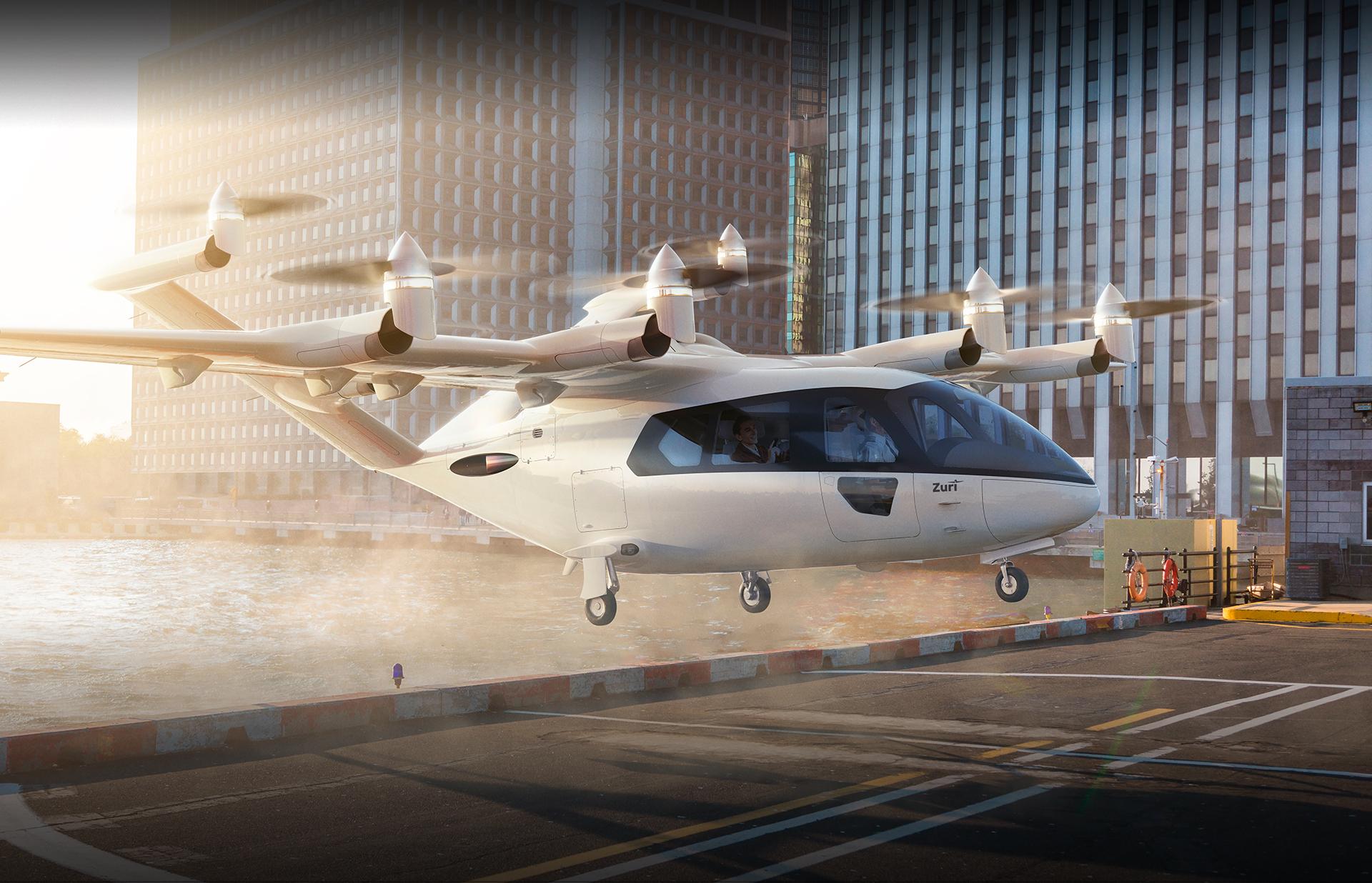
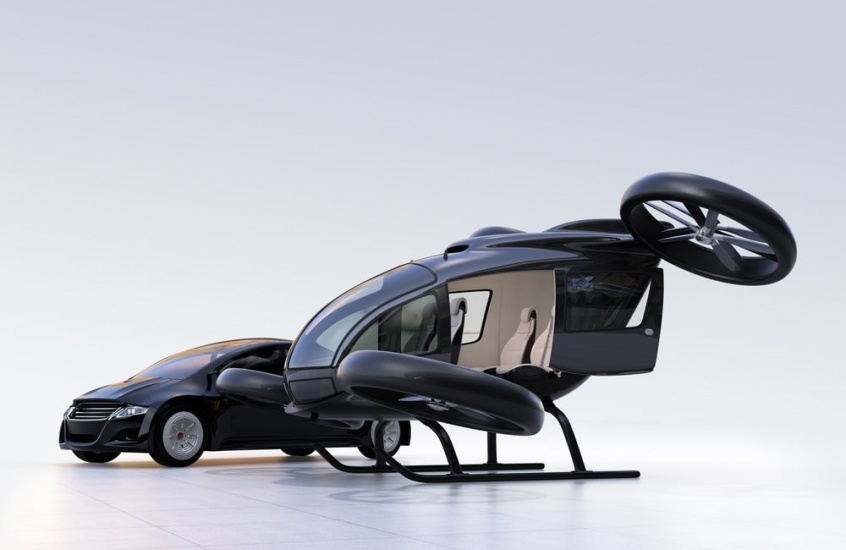
VTOLs (Vertical Take-Off And Landing Aircraft, i.e., “Cars In The Sky”)


The cost per mile of VTOLs (Vertical Take-Off and Landing aircraft, i.e., “cars in the sky”) is currently significantly higher than that of cars on the road, but the gap is expected to narrow over time as the technology matures.

Here's a high-level comparison:


🚗 Cars on the Road

  • Average Cost per Mile (2023-2025 estimates):

    • Gasoline cars: $0.60 – $1.00

    • Electric vehicles (EVs): $0.30 – $0.50
      (includes depreciation, fuel, insurance, maintenance, etc.)


🚁 VTOLs / eVTOLs (Electric Air Taxis)

  • Current Estimated Cost per Mile (2024-2025, early prototypes):

    • Piloted VTOLs: $3.00 – $8.00

    • Autonomous eVTOLs (future): $1.00 – $2.00 (projected)


🧾 Breakdown of eVTOL Costs (Current Phase)

  1. Vehicle cost and depreciation: High due to limited production.

  2. Pilot cost: Significant until autonomy is widely adopted.

  3. Battery/energy cost: Better than helicopters, but still more expensive than EVs.

  4. Maintenance: Lower than helicopters but higher than cars currently.

  5. Air traffic & vertiport infrastructure fees: Still evolving.


✈️ Future Projections (2030+)

  • Companies like Joby Aviation, Archer, Lilium, and Wisk aim for:

    • $1 – $3 per passenger-mile

    • Comparable or cheaper than Uber Black or premium taxi rates

    • Highly competitive for medium-distance (20–100 miles) routes


🧠 Key Considerations

  • VTOLs will never match ground EVs for short-hop costs.

  • Their value is in speed + point-to-point access across congested urban areas or longer metro routes (e.g., SF to San Jose in 15 minutes).

  • If autonomy + scale + battery improvements hit targets, they may rival or beat traditional taxis on cost per mile.


Summary Table

Mode Cost per Mile (Now) Cost per Mile (2030+) Notes
Gasoline Car $0.60–$1.00 ~$0.70 High fuel and maintenance costs
Electric Car $0.30–$0.50 ~$0.20–$0.40 Getting cheaper with battery scale
VTOL (Piloted) $3.00–$8.00 ~$1.50–$3.00 Premium service, very early stage
VTOL (Autonomous) N/A ~$1.00–$2.00 Future of scaled air mobility

Wednesday, June 04, 2025

AMA With Aravind (Perplexity)


The Reddit AMA with Perplexity Labs' team—including CEO Aravind Srinivas and CTO Denis Yarats—offered insights into the development and future of Perplexity Labs, an AI-powered platform designed to transform user queries into comprehensive reports, dashboards, and applications.(reddit.com)

Key Discussion Points

1. Perplexity Labs Overview:
Perplexity Labs integrates tools like web browsing, code execution, and chart/image creation to process user questions into detailed analyses and applications. (reddit.com)

2. Usage Limits and Expansion:
Currently, Labs has a 50-task-per-month limit, primarily for stress-testing. The team indicated plans to increase this limit as the platform scales. (reddit.com)

3. Integration with Other Platforms:
Users inquired about potential support for platforms like Google Home and screen translators. While specific integrations weren't detailed, the team is exploring ways to expand Labs' accessibility across various devices and services.

4. Future Enhancements:
The team discussed ongoing efforts to improve Labs, including enhancing its capabilities and user experience. They emphasized their commitment to evolving the platform based on user feedback and technological advancements. (reddit.com)

5. Vision for Knowledge Work:
Looking ahead, the team envisions AI tools like Perplexity Labs playing a significant role in transforming knowledge work over the next 5–10 years, making information discovery and analysis more efficient and accessible. (reddit.com)

Most Requested Features

  • Increased Task Limits: Users expressed a desire for higher monthly task allowances to accommodate more extensive use cases.(reddit.com)

  • Broader Platform Support: There was interest in integrating Labs with additional platforms and devices to enhance versatility.

  • Enhanced Functionality: Requests included more advanced features for data analysis, visualization, and application development within Labs.(reddit.com)

For a detailed view of the AMA and to explore specific questions and responses, you can visit the full thread here.


Andrej Karpathy: Vibe Coding
Apple's AI Move?
Elon Musk and Quentin Tarantino: Masters of Pulp Fiction and Pop Culture
What Was the Basic Theranos Idea?
LaunchPad SF
Why Can't Tesla Match BYD Inside China On Prices?
Prompts Are Thoughts
Twitter: The Superpower of the 280-Character Brainstorm
Bay Bridge Therapy
Paul Graham: The Shape of the Essay Field
Grok Saved Twitter. Otherwise It Was On The Loose.

Questions For Vinod Khosla
Comparison of HarmonyOS vs. Android and iOS
Humanoid Robots: Not The Most Efficient Robots
Mary Meeker: Trends – Artificial Intelligence
The Fiercely Competitive Chinese EV Market
Why Smart Surface Public Transport Will Beat Full Self-Driving to the Future
India's $4,999 Car
The Five Year Window: A Smarter Lens for Navigating the Future
Government Tech: The Next Great Leap in Nation-Building (GovTech)

Vivek For Ohio
Palantir and 9/11: Could Technology Have Prevented the Attack, and How Does It Handle Future "Out of the Box" Threats?
Data Colonization
A Concrete Five-Year Plan for Bihar
Prashant Kishor Must Be Jan Suraaj’s CM Candidate
Can Meritocracy and Multiparty Democracy Coexist? Rethinking Elections for a Data-Driven Era
Drone Warfare: Guerrilla Warfare In The Age Of AI, Robotics And Drones
Why Paul Krugman Thinks Trump’s Trade War is “Stupid and Self-Destructive”
Going Back To Keynes On Global Trade
Britain Stole 45T From India
Aadhar & UPI: India's Greatest Soft Power Export Yet
The $50 Trillion Unlock: Why GovTech, Not the BRI, Will Transform the Global South
The Superpower of AOC: Capturing the Political Moment with Precision

Disrupting the Bloomberg Terminal: The AI Analysts Are Here
Some Suggestions For Perplexity Labs
Is Tesla Really a $25 Trillion Company Because of Optimus? A Deep Dive into Elon's Claim
AI-Era Social Network: The Facebook Killer That Looks Nothing Like Facebook
10 Trends In ClimateTech

Why Has Tesla’s Full Self-Driving Had So Many False Starts?
Elon Musk's Leadership Mistakes At Tesla
Tesla Self Driving, BYD Assisted Driving
The Tesla Robotaxi Rollout
Self-Driving Showdown: Tesla vs BYD vs Waymo — Who’s Winning the Autonomy Race?
What If the U.S. Let BYD In? Free Trade Meets the EV Disruptor

The No Link Policy On Twitter Is Stupid
Simulating A Particle Accelerator In AI
Deep Ocean, Surface Of Mars: Colonization Prospects
The Collision of Emerging Technologies: Where the Future of Tech Ignites
The Design Of Everyday Things
Unicorns, Elephants, And Plentiful Trillion Dollar Companies
The Physics: Bigger Rockets Are Harder To "Get Right"
Solugen: The Tesla of Chemicals—Why Isn’t It a Household Name Yet?
Software Ate the World. Now AI Is Eating Software.

The Browser Wars Are A Departure To Something New
The AI-Era Browser Is Not a Browser—It’s the Beginning of a New Operating System
AI-Era Web Browser, Brought To You By Perplexity
Why Thinking Big Is the Safest Bet in the Age of AI and Exponential Technologies
The Most Exciting Thing Happening in AI: Going Beyond the Internet Box
Google vs. Google: The AI Disruption and the Innovator’s Dilemma
Why Tesla's Only Path to Survival Runs Through India
From Chaos to World Class: A Bold Infrastructure Roadmap for Bengaluru, India’s Silicon Valley
Rethinking VC and Angel Investing for India’s Ground Realities
Why Aravind Srinivas Should Stay at Perplexity: The Path to a Trillion-Dollar Valuation
Ambient Computing: The Invisible Revolution Powered by AI
Beyond Laptops and Smartphones: The New Era of AI-Native Devices


Why Perplexity Must Dream Bigger: Beyond Faster Horse Carriages

The recent Reddit AMA with Perplexity AI’s founders—CEO Aravind Srinivas and CTO Denis Yarats—was a rich dialogue, brimming with user feedback, technical curiosity, and product wishlist items. But amid the excitement, something was missing. It wasn’t the answers. It was the questions.

The conversation, insightful though it was, revealed a broader issue: a collective failure of imagination. Most user requests echoed an all-too-familiar pattern in tech evolution—people asking for “faster horse carriages” instead of dreaming up the automobile. More integrations. More usage limits. Better UIs. These are fine asks—but they’re incremental. They're iterative, not revolutionary.

And that is the problem.

Perplexity is not just another browser-based chatbot. It is one of the few AI-native tech startups that has exploded past unicorn status in record time. That comes with not just opportunity, but responsibility—to pioneer, not merely polish.

This platform sits at the intersection of natural language processing, live web access, data science tooling, and interface design. In short: it’s not just a search engine replacement. It’s a potential reinvention of how humans ask, learn, explore, and act. It could become the cognitive exoskeleton for the curious.

But only if it dares to dream.

What Could Perplexity Become?

  • The World’s First Conversational Operating System: Not a search bar. A thought partner. Imagine Perplexity as the control layer across apps, tasks, and systems—like your OS, but driven by questions instead of clicks.

  • An AI-Native Browser Rethink: The Web is still structured for human eyeballs, not language models. What would a browser look like if it were built for GPT-5 and beyond? Could it abstract away pages and serve synthesized knowledge instead?

  • The First Truly Personalized University: If you fused Perplexity with adaptive learning, tutoring, peer collaboration, and credentialing—you’d have a lifelong learning system that rivals traditional education.

  • An Autonomous Researcher-as-a-Service: Give it a research goal. It reads, summarizes, evaluates, runs code, tests hypotheses, and sends updates. The Labs tool is only a primitive version of this dream.

  • A New Social Layer for Shared Curiosity: Imagine if questions asked on Perplexity became nodes in a social graph. Who is exploring similar topics? Who refined your prompt? Who disagrees? Curiosity could become a multiplayer game.

Time to Lead, Not Follow

To be clear: users want more tasks, smoother UX, and wider integrations because the current tools are genuinely useful. But Perplexity can’t let product design be reactive. It must be visionary.

This is a company in a position few others occupy. Google is too entrenched. OpenAI is focused on foundation models. Microsoft is bolting AI onto legacy structures. Perplexity is agile, fast, and born in the era of language models. That makes it the perfect candidate to rethink Web 2.0 and dream up Web 3.0—not the blockchain kind, but the cognitive kind.

The world doesn’t need a faster search engine. It needs a new medium for thinking.

So yes, give the users what they want. But more importantly, give them what they don’t yet know they need.

It’s time for Perplexity to stop iterating and start imagining.