Below are 100 concise, clearly described scenarios showing racist speech or attitudes across everyday settings.
For each, we explain why it’s racist and how the same situation could be handled in a non-racist way.
The intent is educational, not to normalize or endorse harm.
Workplace & Professional Settings
Scene: A manager assumes the only Black employee in the room is from HR, not engineering. Why racist: Assumes competence based on race. Non-racist approach: Ask roles or read nameplates; don’t assume.
Scene: A South Asian candidate is asked repeatedly if their accent will be a “problem.” Why racist: Targets speech as a proxy for ethnicity. Non-racist approach: Evaluate communication skills through job-relevant tasks.
Scene: A Latina employee is praised for being “surprisingly articulate.” Why racist: Implies low expectations for her group. Non-racist approach: Praise specific work without backhanded qualifiers.
Scene: A client asks for a “native” salesperson instead of an Asian colleague. Why racist: Excludes based on race/national origin. Non-racist approach: Match staff by expertise, not ethnicity.
Scene: An employee of color is asked to speak for their entire race. Why racist: Treats individuals as representatives of a group. Non-racist approach: Invite individual perspectives only if volunteered.
Scene: Promotion decisions favor “culture fit” that mirrors a white majority. Why racist: Masks exclusion behind vague criteria. Non-racist approach: Use transparent, measurable standards.
Scene: A Muslim colleague is asked to explain terrorism after a news event. Why racist: Collective blame. Non-racist approach: Discuss events without targeting coworkers.
Scene: A Black employee’s natural hair is labeled “unprofessional.” Why racist: Enforces Eurocentric norms. Non-racist approach: Define professionalism by conduct, not hair.
Scene: An immigrant worker is given menial tasks despite seniority. Why racist: Devalues competence due to origin. Non-racist approach: Assign work aligned with role and experience.
Scene: A team jokes that a colleague was hired to “check a diversity box.” Why racist: Undermines merit and belonging. Non-racist approach: Respect qualifications and hiring rigor.
Education & Academia
Scene: A teacher mispronounces a student’s non-Western name and refuses to learn it. Why racist: Dismisses identity. Non-racist approach: Learn and use correct names.
Scene: A Black student is disciplined more harshly for the same behavior. Why racist: Disparate treatment. Non-racist approach: Apply rules consistently.
Scene: An Asian student is assumed to be good at math. Why racist: Stereotyping, even if “positive.” Non-racist approach: Assess individuals by performance.
Scene: Indigenous history is treated as a brief sidebar. Why racist: Erases lived histories. Non-racist approach: Integrate accurate, substantive content.
Scene: A student is told to “go back to where you came from” during debate. Why racist: Exclusion based on origin. Non-racist approach: Address arguments, not identity.
Scene: ESL students are tracked into lower-expectation classes indefinitely. Why racist: Limits opportunity. Non-racist approach: Provide supports with clear advancement paths.
Scene: A Black scholar’s research is dismissed as “too political.” Why racist: Devalues perspectives tied to identity. Non-racist approach: Evaluate rigor, not topic discomfort.
Scene: A teacher calls on white students more often. Why racist: Unequal participation. Non-racist approach: Track and balance engagement.
Scene: Cultural dress is banned as “disruptive.” Why racist: Suppresses identity. Non-racist approach: Allow expression within safety rules.
Scene: A school celebrates diversity with food but avoids hard conversations. Why racist: Tokenism without equity. Non-racist approach: Pair celebration with systemic change.
Social & Everyday Interactions
Scene: A stranger touches a Black person’s hair without consent. Why racist: Objectifies and invades boundaries. Non-racist approach: Ask consent—or don’t touch.
Scene: Someone asks an Asian American, “Where are you really from?” Why racist: Treats them as perpetual foreigners. Non-racist approach: Ask about hometown if relevant—or don’t.
Scene: A joke relies on racial caricatures at a party. Why racist: Dehumanizes groups. Non-racist approach: Use humor that doesn’t punch down.
Scene: A store clerk follows a Black shopper closely. Why racist: Assumes criminality. Non-racist approach: Offer equal service to all.
Scene: A neighbor complains about “those people” moving in. Why racist: Dehumanizing language. Non-racist approach: Discuss concrete concerns respectfully.
Scene: A friend says, “I don’t see color.” Why racist: Dismisses lived experiences of racism. Non-racist approach: Acknowledge differences and inequities.
Scene: A taxi passes by passengers of color repeatedly. Why racist: Service denial. Non-racist approach: Serve in order, without bias.
Scene: Someone assumes a hijab means oppression. Why racist: Stereotyping religious expression. Non-racist approach: Ask respectfully or don’t assume.
Scene: Complimenting someone for being “exotic.” Why racist: Othering. Non-racist approach: Compliment style or personality.
Scene: A parent warns children to avoid a “bad” (racialized) area. Why racist: Equates race with danger. Non-racist approach: Discuss safety using specific, factual criteria.
Media, Culture & Representation
Scene: News reports name race only when suspects aren’t white. Why racist: Reinforces bias. Non-racist approach: Apply consistent standards.
Scene: A film casts white actors in non-white roles. Why racist: Erases representation. Non-racist approach: Cast authentically.
Scene: Characters of color are sidekicks without depth. Why racist: Stereotypical marginalization. Non-racist approach: Write full, complex characters.
Scene: Headlines call protests by minorities “riots,” others “demonstrations.” Why racist: Biased framing. Non-racist approach: Use neutral language.
Scene: Accents are used for laughs. Why racist: Mocks identity. Non-racist approach: Humor without ridicule.
Scene: Beauty ads promote lighter skin as superior. Why racist: Colorism. Non-racist approach: Celebrate diverse beauty.
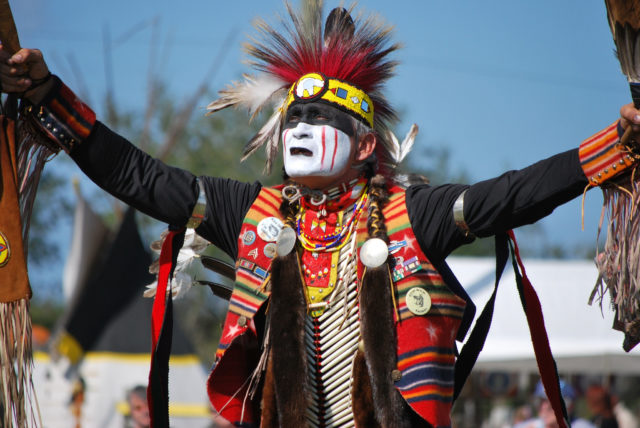
Scene: Indigenous symbols used as mascots. Why racist: Reduces cultures to props. Non-racist approach: Respectful representation or avoid.
Scene: Music genres by Black artists are under-credited. Why racist: Cultural appropriation. Non-racist approach: Credit origins and creators.
Scene: News uses mugshots for Black suspects, portraits for white. Why racist: Visual bias. Non-racist approach: Use consistent imagery.
Scene: Algorithms amplify biased content. Why racist: Systemic harm via tech. Non-racist approach: Audit and correct bias.
Policing, Law & Public Policy
Scene: Traffic stops disproportionately target Black drivers. Why racist: Racial profiling. Non-racist approach: Stops based on behavior, not race.
Scene: Sentencing is harsher for similar crimes by minorities. Why racist: Unequal justice. Non-racist approach: Standardize sentencing.
Scene: Immigration rhetoric paints all migrants as criminals. Why racist: Collective stigmatization. Non-racist approach: Use data and humane language.
Racism is emotional violence. It is hostility directed at a person because of who they are perceived to be. It is not the same thing as people claiming space, forming families, or congregating with those who share culture, language, food, humor, history, or temperament.
A family claiming space is not racism. People of shared culture gathering together is not racism.
It is, in fact, a well-defined human right: the right to peaceful assembly.
Across countries and continents, more than 90% of people pair with others from similar cultural backgrounds. This is not some dark conspiracy; it is a human constant. It shows up in villages, cities, campuses, offices, and dating apps. It shows up everywhere. You don’t need to explain it. You don’t need to apologize for it.
As one woman once put it—perfectly and hilariously—
“I like my men like I like my food: Italian.”
For her, shared culture was central to chemistry, communication, and comfort. That preference is allowed. It is valid. It is personal choice. And it is not racism.
For many people, chemistry is cultural. Humor lands differently. Silence means different things. Conflict is negotiated differently. None of that is sinister. It is human.
What Racism Actually Is
Racism, properly understood, is hostility, not proximity. It is exclusion with contempt, not association with familiarity.
Racism can be social—the kind that plays out in everyday interactions. Racism can be structural—embedded in access to education, healthcare, housing, and opportunity.
Structural racism is real. It can be studied. It can be measured. And importantly, it can be addressed through policy remedies and attitude shifts. It is not solved by moral panic, but by sustained reform.
At the same time, the world has changed—dramatically.
There are now more than a hundred New York–like cities outside the United States. While everyone talks about China’s growth, far fewer notice that China-sized growth has occurred across the Global South over the same period. India today boasts the largest middle class in the world. Indians are the most economically successful ethnic group in the United States, visibly leading some of its most prominent companies.
The global balance of competence, capital, and confidence has shifted.
Which makes everyday interactions even more important.
Curiosity or Hostility: A Daily Choice
When you encounter someone from a different background, you have a choice: curiosity or hostility.
If someone walks into a shared cultural gathering from outside the group, it is possible—likely, even—that 10% of people may say something insensitive. Sometimes they are clumsy. Sometimes they are ignorant. Sometimes they are merely asserting a boundary everyone already understood.
That alone does not automatically make them racist.
But context matters.
Consider this example.
A student arrives from Africa to attend college in America. One day, in the cafeteria, he encounters some locals—not students, but people from the surrounding town. They proceed to explain to him how the ice cream machine works.
Is that helpful?
Or is that racist?
It is racist.
Not because ice cream machines are sacred objects, but because the assumption underneath the act is clear: you don’t belong here; you don’t know how things work. It is a subtle but real form of social domination disguised as kindness.
Racism often hides behind “helpfulness.”
The Myth of the Monolith
Even within so-called “single” communities, diversity is layered.
In Indian social circles, for example, there is often a large umbrella group—and then smaller subgroups within it. Marriage, friendship, and deep bonding overwhelmingly happen at the subgroup level. Language, region, caste, migration history, and class all matter.
This is not racism. This is social geometry.
But racism enters when boundaries become weapons.
Racism can appear as space violation—the sense that someone is asserting power over where you belong, how you move, or how you are perceived in a shared environment.
Racism at Work—and Why Diversity Still Wins
Workplaces are especially vulnerable to racial tension because deeply ingrained attitudes have a way of burbling up under pressure.
Yet the most productive teams, by definition, are diverse.
Diverse in culture. Diverse in gender. Diverse in talent. Diverse in intelligence.
And intelligence itself is not singular.
We over-credit intellectual intelligence. There is also social intelligence—the ability to read a room, manage relationships, and navigate nuance. There is emotional intelligence—the ability to sense what others are feeling, often before they say it.
Modern diversity even includes time-zone diversity. If you want a team that operates 24/7, you need a globally distributed workforce. Productivity today is planetary.
Intentional vs. Unintentional Racism
Racism comes in two broad forms: intentional and unintentional.
Sometimes people truly believe they are being helpful. When it is pointed out to them that their behavior is racist—regardless of intent—they may step back and correct themselves. That is growth.
Other times, people are racist on purpose.
If you don’t notice it, if you don’t respond, if you don’t take offense, they feel they have failed. Their goal was never harmony. It was dominance.
Your responses vary.
You can step back—let the bug hit the windscreen. They are instantly removed from your social universe. Their choice.
You can hit back. It’s wordplay, after all. A sharp line, delivered cleanly, can reassert dignity.
Or, when there is good faith, you can sit down and talk it out.
Often you’ll hear the line:
“There is not one racist bone in my body.”
Sometimes that is sincere. Sometimes it is defensive blindness.
One California court once found Tesla guilty of social racism in the workplace. Elon Musk responded by moving the factory to Austin. It was as if the judge was pointing to a three-dimensional reality—and Musk, a very smart man, was perceiving it in two dimensions. He didn’t engage. He deflected.
Intelligence alone does not guarantee understanding.
The Bigger Picture
In-groups have their place. They provide comfort, identity, and grounding.
But a richer life is one where diversity is handled well.
You don’t start out doing it well. Nobody does. But if there is genuine desire—and if communication channels remain open—it is possible to build social and work environments that are deeply rewarding.
Because diversity is not just racial or cultural.
It is temperamental. It is personality-based. It is about communication styles.
No two individuals are alike. Diversity is the default setting of humanity.
Racism, by contrast, is emotional hostility. It is corrosive. It diminishes everyone involved. Those who cling to racist attitudes deprive themselves of richer experiences, deeper understanding, and broader joy.
And from a spiritual perspective, the truth is even simpler:
All human beings are created equal, regardless of background.
That is fundamental.
Travel, or Its Moral Equivalent
This is why travel matters. It pulls you out of comfort zones. It collapses stereotypes.
When travel isn’t possible, the alternative is intentional diversity—choosing to spend time with people unlike yourself. You gain many of the benefits of travel without leaving home.
Though make no mistake: there is still no substitute for travel.
Racism thrives in isolation. Understanding thrives in contact.
And the choice, every day, is ours.
नस्लवाद भावनात्मक हिंसा है—मानवीय एकजुटता नहीं
नस्लवाद भावनात्मक हिंसा है। यह किसी व्यक्ति के प्रति उसकी पहचान के आधार पर दिखाई गई शत्रुता है। लेकिन परिवार का अपने लिए जगह बनाना नस्लवाद नहीं है। साझा संस्कृति के लोगों का एक साथ आना नस्लवाद नहीं है।
दरअसल, यह एक सुनिश्चित मानव अधिकार है—शांतिपूर्ण रूप से एकत्र होने का अधिकार।
देशों और महाद्वीपों में, 90% से अधिक लोग उन्हीं लोगों के साथ संबंध बनाते हैं जिनकी सांस्कृतिक पृष्ठभूमि उनसे मिलती-जुलती होती है। यह कोई साजिश नहीं है, बल्कि मानव स्वभाव है। यह गांवों में दिखता है, शहरों में, कॉलेज परिसरों में, दफ्तरों में और डेटिंग ऐप्स पर भी। हर जगह।
इसके लिए किसी को सफाई देने की जरूरत नहीं है। माफी मांगने की भी जरूरत नहीं है।
एक महिला ने इसे बेहद सटीक और मज़ेदार ढंग से कहा था:
“मुझे मेरे पुरुष वैसे ही पसंद हैं जैसे मुझे मेरा खाना—इटालियन।”
उस महिला के लिए साझा संस्कृति रसायन (chemistry), संवाद और सहजता के लिए बेहद ज़रूरी थी। यह पसंद वैध है। यह व्यक्तिगत चुनाव है। और यह नस्लवाद नहीं है।
कई लोगों के लिए, आपसी तालमेल संस्कृति से जुड़ा होता है। हास्य अलग-अलग तरह से समझा जाता है। चुप्पी के अर्थ अलग होते हैं। मतभेद सुलझाने के तरीके अलग होते हैं। इसमें कुछ भी गलत या खतरनाक नहीं है। यह इंसानी हकीकत है।
नस्लवाद वास्तव में है क्या
नस्लवाद निकटता नहीं है—यह शत्रुता है। यह परिचितों के साथ रहना नहीं, बल्कि तिरस्कार के साथ बहिष्कार है।
नस्लवाद सामाजिक हो सकता है—जो रोज़मर्रा के व्यवहार में दिखता है। नस्लवाद संरचनात्मक भी हो सकता है—जो शिक्षा, स्वास्थ्य सेवा और आवास तक पहुंच में गहराई से जड़ा होता है।
संरचनात्मक नस्लवाद वास्तविक है। इसे अध्ययन किया जा सकता है। इसे मापा जा सकता है। और सबसे अहम बात—इसे नीति सुधारों और सोच में बदलाव के ज़रिये ठीक किया जा सकता है। यह नैतिक घबराहट से नहीं, बल्कि निरंतर सुधार से हल होता है।
साथ ही, दुनिया काफी बदल चुकी है।
आज अमेरिका के बाहर 100 से अधिक न्यूयॉर्क जैसे शहर हैं। हर कोई चीन की आर्थिक वृद्धि की बात करता है, लेकिन बहुत कम लोग इस तथ्य पर ध्यान देते हैं कि उसी अवधि में वैश्विक दक्षिण (Global South) में चीन-जैसी वृद्धि हुई है।
भारत आज दुनिया का सबसे बड़ा मध्यम वर्ग रखता है। भारतीय अमेरिका में सबसे सफल जातीय समूह हैं और देश की कुछ सबसे बड़ी कंपनियों का नेतृत्व कर रहे हैं।
वैश्विक आत्मविश्वास, पूंजी और क्षमता का संतुलन बदल चुका है।
और ऐसे में, रोज़मर्रा की सामाजिक बातचीत पहले से कहीं अधिक महत्वपूर्ण हो गई है।
जिज्ञासा या शत्रुता: रोज़ का चुनाव
जब आप किसी अलग पृष्ठभूमि के व्यक्ति से मिलते हैं, तो आपके पास दो विकल्प होते हैं—जिज्ञासा या शत्रुता।
यदि कोई व्यक्ति किसी साझा सांस्कृतिक समूह में बाहर से आता है, तो संभव है—बल्कि अपेक्षित है—कि लगभग 10% लोग कुछ असंवेदनशील बातें कह दें। कभी वे अनाड़ी होते हैं। कभी अज्ञानी। और कभी वे बस उस सीमा को दोहरा रहे होते हैं जिसे सब पहले से समझते थे।
यह अपने आप में नस्लवाद नहीं होता।
लेकिन संदर्भ बहुत मायने रखता है।
एक उदाहरण देखें।
अफ्रीका से एक छात्र अमेरिका में कॉलेज पढ़ने आता है। कॉलेज की कैंटीन में उसकी मुलाकात कुछ स्थानीय लोगों से होती है—जो छात्र नहीं हैं, बल्कि आसपास के शहर से आए लोग हैं। वे उसे आइसक्रीम मशीन चलाना सिखाने लगते हैं।
क्या यह मदद है?
या यह नस्लवाद है?
यह नस्लवाद है।
इसलिए नहीं कि आइसक्रीम मशीन कोई पवित्र वस्तु है, बल्कि इसलिए कि इस व्यवहार के पीछे छिपी धारणा साफ है—तुम यहां के नहीं हो, तुम्हें चीज़ें नहीं आतीं।
यह सामाजिक प्रभुत्व का एक सूक्ष्म रूप है, जो “मदद” के रूप में सामने आता है।
अक्सर नस्लवाद भलाई के भेष में छिपा होता है।
एकरूपता का भ्रम
यहां तक कि तथाकथित “एक” समुदायों के भीतर भी विविधता की परतें होती हैं।
उदाहरण के लिए, भारतीय सामाजिक समूहों में एक बड़ा भारतीय समूह होता है, और उसके भीतर छोटे-छोटे उपसमूह। विवाह, गहरी दोस्ती और साझेदारी लगभग पूरी तरह इन्हीं उपसमूहों के भीतर होती है—भाषा, क्षेत्र, वर्ग और प्रवासी इतिहास के आधार पर।
यह नस्लवाद नहीं है। यह सामाजिक संरचना है।
नस्लवाद तब शुरू होता है जब सीमाएं हथियार बन जाती हैं।
नस्लवाद स्थान के उल्लंघन के रूप में भी सामने आ सकता है—जब कोई व्यक्ति यह जताने लगता है कि आप कहां के हैं, कहां रह सकते हैं, और आपको कैसे देखा जाना चाहिए।
कार्यस्थल पर नस्लवाद—और फिर भी विविधता क्यों जीतती है
कार्यस्थल नस्लीय तनाव के लिए विशेष रूप से संवेदनशील होते हैं, क्योंकि गहराई से जमी हुई सोच दबाव में उभर आती है।
फिर भी, सबसे उत्पादक टीमें स्वभावतः विविध होती हैं।
संस्कृति में विविध। लिंग में विविध। प्रतिभा में विविध। बुद्धिमत्ता में विविध।
और बुद्धिमत्ता भी केवल एक प्रकार की नहीं होती।
हम बौद्धिक बुद्धि को जरूरत से ज्यादा महत्व देते हैं। सामाजिक बुद्धि भी होती है—कमरे की ऊर्जा समझने की क्षमता। रिश्तों को संभालने की समझ। भावनात्मक बुद्धि भी होती है—दूसरों की भावनाओं को शब्दों से पहले महसूस करने की क्षमता।
आधुनिक विविधता में टाइम ज़ोन विविधता भी शामिल है। यदि आप 24/7 काम करने वाली टीम चाहते हैं, तो आपको वैश्विक रूप से फैली टीम चाहिए।
जानबूझकर और अनजाने में किया गया नस्लवाद
नस्लवाद दो तरह का होता है—जानबूझकर और अनजाने में।
कभी लोग सचमुच मदद करना चाहते हैं। जब उन्हें बताया जाता है कि उनके इरादे चाहे जो हों, उनका व्यवहार नस्लवादी है, तो वे पीछे हटते हैं और सुधार करते हैं। यही विकास है।
लेकिन कभी लोग जानबूझकर नस्लवादी होते हैं।
यदि आप नोटिस नहीं करते, प्रतिक्रिया नहीं देते, या आपत्ति नहीं जताते, तो उन्हें लगता है कि वे असफल हो गए। उनका उद्देश्य सुधार नहीं था—उनका उद्देश्य प्रभुत्व था।
आपके पास कई प्रतिक्रियाएं हो सकती हैं।
आप पीछे हट सकते हैं—जैसे कीड़े का विंडस्क्रीन से टकराना। वे आपके सामाजिक संसार से हमेशा के लिए बाहर हो जाते हैं।
आप जवाब भी दे सकते हैं। आखिरकार यह शब्दों का खेल ही है। एक सटीक, तीखा जवाब आपकी गरिमा लौटा सकता है।
या फिर, यदि सामने वाला सद्भावना से बात करना चाहता है, तो बैठकर बात की जा सकती है।
अक्सर यह वाक्य सुनने को मिलता है:
“मेरे शरीर में एक भी नस्लवादी हड्डी नहीं है।”
कभी यह सच होता है। कभी यह रक्षात्मक अंधापन होता है।
कैलिफोर्निया की एक अदालत ने टेस्ला को कार्यस्थल में सामाजिक नस्लवाद का दोषी पाया। एलन मस्क ने जवाब में फैक्ट्री ही ऑस्टिन स्थानांतरित कर दी। जैसे जज किसी त्रि-आयामी सच्चाई की ओर इशारा कर रहा हो—और मस्क, जो एक बेहद बुद्धिमान व्यक्ति हैं, उसे केवल दो आयामों में देख पा रहे हों।
बुद्धिमत्ता समझ की गारंटी नहीं है।
बड़ी तस्वीर
इन-ग्रुप्स (अपने जैसे लोगों के समूह) का अपना महत्व है। वे सुरक्षा, पहचान और स्थिरता देते हैं।
लेकिन एक अधिक समृद्ध जीवन वह है जिसमें विविधता को अच्छे से संभाला जाए।
कोई भी इसमें परफेक्ट होकर शुरू नहीं करता। लेकिन यदि सच्ची इच्छा हो, और संवाद के रास्ते खुले हों, तो गहरे और समृद्ध सामाजिक तथा कार्य वातावरण बनाए जा सकते हैं।
क्योंकि विविधता सिर्फ नस्ल या संस्कृति तक सीमित नहीं है।
स्वभाव की विविधता। व्यक्तित्व की विविधता। संवाद शैली की विविधता।
कोई दो व्यक्ति एक जैसे नहीं होते। विविधता मानवता की डिफ़ॉल्ट स्थिति है।
नस्लवाद इसके विपरीत है—भावनात्मक शत्रुता। यह सामाजिक रूप से विनाशकारी है। जो लोग नस्लवादी सोच से चिपके रहते हैं, वे खुद को बेहतर अनुभवों, गहरी समझ और व्यापक आनंद से वंचित कर लेते हैं।
और आध्यात्मिक दृष्टि से तो बात और भी स्पष्ट है।
सभी मनुष्य समान रूप से बनाए गए हैं—पृष्ठभूमि चाहे जो हो।
यह बुनियादी सत्य है।
यात्रा—या उसका नैतिक विकल्प
इसीलिए यात्रा महत्वपूर्ण है। यह आपको आपके आराम क्षेत्र से बाहर निकालती है। रूढ़ियों को तोड़ती है।
जब यात्रा संभव न हो, तब विकल्प है—जानबूझकर विविधता अपनाना। अपने से अलग लोगों के साथ समय बिताना। इससे आप बिना यात्रा किए ही उसके कई लाभ पा लेते हैं।
हालांकि सच यह है कि यात्रा का कोई पूर्ण विकल्प नहीं है।
नस्लवाद अलगाव में फलता है। समझ संपर्क में पनपती है।
A Field Manual Co-Authored by an Indian (India) and an Indian (Native America)
West Texas racism is not loud racism. It is polite confusion wearing boots. It smiles. It shakes your hand. It asks questions that sound friendly but land like paperwork.
To survive it, an Indian from India teams up with an Indian from America (Native American). One has endured colonization twice. The other never stopped enduring it. Together, they form a coalition, swap notes, and create a survival guide.
Not to fight. To deflect, confuse, and out-polite the politeness.
Rule #1: Never Answer the Question They Think They Asked
Scenario: Thanksgiving
Texan: “Did you have a good Thanksgiving?”
This is not about food. This is a loyalty test disguised as turkey.
Correct Indian Response:
“I’m more on the side of the Indian.”
Pause. Smile. Maintain eye contact.
If they laugh, you’re in. If they freeze, you’ve won.
Scenario: “You Speak Good English”
Texan: “Wow, you speak good English.”
Indian Retort:
“You too.”
Say it warmly. As if you mean it. Let it sit between you like an unsolved riddle.
Scenario: The Follow-Up Origin Trap
Texan: “Where are you from?” Indian: “India.” Texan: “No, I mean originally.”
Indian Response:
“Originally? Stardust. Like you.”
This usually ends the conversation or starts a philosophy degree.
Scenario: The Accent Compliment
Texan: “I like your accent.”
Indian Response:
“Thanks. I borrowed it from history.”
If pressed further:
“It’s vintage. Colonial era.”
Scenario: Church Hospitality
Church Lady: “We don’t see color here.”
Indian Response:
“That’s okay. I brought my own.”
Optional follow-up:
“All 1.4 billion shades.”
Scenario: The Job Praise
Texan: “You’re doing really well… considering.”
Indian Response:
“Considering what?”
Do not blink. Let them answer their own sin.
Scenario: The Tech Shock
Texan: “Y’all got internet where you’re from?”
Indian Response:
“Yes. We invented waiting.”
Or, if feeling generous:
“We’re beta-testing reality.”
Scenario: The Name Problem
Texan: “Can I just call you something easier?”
Indian Response:
“Sure. You can call me ‘Sir.’”
Scenario: The Driving Compliment
Texan: “You drive pretty good.”
Indian Response:
“Thank you. We train in chaos.”
Scenario: The Food Fear
Texan: “Is that… spicy?”
Indian Response:
“Only emotionally.”
Scenario: The Party Invite
Texan: “We’re having a small get-together. Very… traditional.”
Indian Response:
“Perfect. I’ll bring tradition too. It dances.”
Scenario: The Politics Probe
Texan: “So what do you people think about America?”
Indian Response:
“Which version?”
Scenario: The Native American Alliance Moment
At this point, the Native American co-author steps in.
Texan: “So… what kind of Indian are you?” Indian (India): “Imported.” Indian (Native): “Original.” Together:
“Same warranty issues.”
Bond formed. Racism confused.
Scenario: The Compliment Sandwich
Texan: “You’re very polite.”
Indian Response:
“It’s defensive.”
Scenario: The Final Boss
Texan: “No offense, but—”
Indian Response:
“None taken. I collect them.”
Advanced Survival Tips
Smile, but never explain. Explanation is surrender.
Confuse before you confront. Confusion is the West Texas kryptonite.
Form coalitions. Especially with people who were here before the map.
Remember: most racism here thinks it’s being nice.
Conclusion
West Texas racism is not hatred. It’s curiosity with bad manners and excellent posture.
You don’t defeat it by yelling. You defeat it by out-politenessing it until it questions itself.
I Am Indian, I Am One in a Billion: A Satirical Ode to the Indian Identity
Some people say, “I am one in a million.” A million, they think, is rare. But I am Indian, my friend. I am one in a billion. And let me tell you, in India, that’s not just rare—it’s statistically unavoidable.
Being Indian is an identity so complex, so multi-layered, that anthropologists probably invented the word “diversity” just to describe us. We are a nation where a single family can speak three languages, celebrate five festivals in a week, and survive on a diet that includes three forms of dairy, a dozen types of chutney, and an inexplicable love for paneer.
We are a people who can simultaneously embrace yoga, cricket, Bollywood melodrama, startup culture, arranged marriages, and obsessive WhatsApp forwards. Try to explain that to anyone outside India, and they’ll nod politely while slowly backing away, whispering, “This is… complicated.”
To be Indian is to live in delightful contradictions:
We believe in destiny and luck, yet we also think if we Google it, we can control it.
We queue for hours to vote, yet honking aggressively in traffic is considered a patriotic duty.
We swear by chai, but also consume more cola than anywhere else on the planet.
And of course, we are one in a billion in the most literal sense. Every statistic somehow involves India. One in every six humans on Earth is Indian. That’s right. Six people—one of them probably invented a WhatsApp forward you just received.
Being Indian also comes with its own brand of genius and chaos. We have invented over 22 official languages, yet most of us communicate in Hinglish—a language only comprehensible to other Indians, usually involving a lot of hand gestures and exaggerated eyebrow movements. We have a rich history of science and math, yet we still argue endlessly over the “correct” way to make chai.
Indian identity is not just about nationality; it is a lifestyle. You don’t simply live life; you survive cricket commentary debates, WhatsApp family groups that never end, and the annual existential crisis triggered by an Indian wedding that costs more than a small nation’s GDP.
So yes, I am Indian. I am one in a billion. Statistically improbable, culturally incomprehensible, and proudly untranslatable. And if you think that’s an exaggeration, just try explaining Indian bureaucracy to a foreigner—they’ll start questioning the very fabric of reality itself.
In the end, being Indian is like being part of the ultimate reality show: chaotic, colorful, inexplicable, yet somehow endlessly entertaining. And just like our billion-strong population, we keep going—because if there’s one thing India teaches you, it’s patience, resilience, and the ability to laugh at life while sipping chai on a traffic-clogged street in Delhi.
So next time someone says, “I am one in a million,” smile knowingly and say: “Cute. I am Indian. I am one in a billion.”
I Am Indian, I Am One in a Billion
Some people say, “I am one in a million.” Cute. I am Indian. I am one in a billion. And in India, being one in a billion basically means you’re impossible to understand, impossible to manage, and yet somehow impossible to ignore.
We are a people who:
Can speak three languages at home, four at work, and argue fluently in Hinglish on WhatsApp.
Celebrate Diwali, Eid, Christmas, Holi, and literally any festival that exists on the internet.
Believe in karma, luck, astrology, and the magical healing power of turmeric—sometimes all at once.
Traffic rules? Optional. Honking? Mandatory. Driving in India is like playing a real-life Mario Kart—except everyone is Mario, Luigi, and Bowser at the same time, and somehow everyone is winning.
We love cricket like it’s oxygen. Bollywood like it’s Shakespeare. And chai? Chai is life. Forget coffee, forget therapy—chai solves all problems, even existential ones.
We are also absurdly practical: we can code an app that changes the entire Indian economy, but can’t find the proper lid for a pressure cooker. We queue for hours to vote but jaywalk like it’s an extreme sport.
Our families are a sport in themselves. One WhatsApp message, and suddenly your cousins, uncles, aunts, and a distant great-uncle you’ve never met know your entire life story. Privacy is a concept for other countries.
And weddings…oh, weddings. In India, a wedding is basically the Olympics of overachieving. You spend three months planning a one-day event, which will then last five days, and every day has its own dress code. Yes, even for the guests.
Being Indian also means mastering contradictions:
We complain about corruption, but we also find ways to bribe our way through bureaucracy.
We love democracy, but we’ll argue for hours over which politician promised what 20 years ago.
We invent apps that go global, yet the government website still asks you to fax forms.
And above all, we survive. Somehow, we survive everything: monsoons, traffic, chaos, endless WhatsApp forwards, and that one neighbor who plays devotional songs at 4 AM.
So yes, I am Indian. I am one in a billion. Statistically insane, culturally incomprehensible, yet endlessly entertaining. If you think that’s exaggeration, try explaining Indian bureaucracy to a foreigner—they’ll start crying and googling plane tickets.
Next time someone brags, “I am one in a million,” just smile and say: “Adorable. I am Indian. I am one in a billion—and don’t you forget it.”
I Am Indian, I Am One in a Billion
Some people say, “I am one in a million.” Cute. I am Indian. I am one in a billion. And yes, that’s statistically terrifying.
We can speak three languages at home, four at work, and argue in Hinglish online so fast even Google Translate gives up.
Our street food is a contact sport. If you survive pani puri, you survive life.
Traffic rules? Optional. Honking? Mandatory. Driving in India is basically Mario Kart meets Jumanji.
We believe in karma, astrology, and turmeric—all in the same conversation.
Cricket is religion. Bollywood is Shakespeare. Chai is oxygen.
We queue for hours to vote but jaywalk like it’s a professional sport.
Indian weddings are not events. They are marathons, with dress codes for every day, and ceremonies that last longer than some relationships.
Our families are a multi-level marketing scheme of gossip. One WhatsApp message, and suddenly your distant uncle knows your GPA, salary, and your crush’s horoscope.
Government websites still ask you to fax forms. Meanwhile, we send rockets to space. Priorities.
Monsoons flood everything. Wi-Fi floods nowhere. But we adapt, survive, complain, and take selfies in both.
Indian logic: “Why queue when you can push?” “Why sleep when you can binge Netflix?” “Why pay full price when negotiation is life?”
We are a nation where street cows ignore traffic lights, politicians ignore promises, and everyone ignores your personal space.
Our food has at least 17 levels of spice, 3 kinds of chutney, and 1 existential crisis per bite.
We celebrate festivals like it’s an Olympic sport—Diwali, Eid, Holi, Christmas, Pongal, Ganesh Chaturthi…if it exists, we party.
We complain about corruption, but we also call it “shortcut to efficiency.”
Indian patience is legendary. We survive monsoons, power cuts, infinite queues, and uncle-level advice on literally everything.
“I am one in a billion” also means: statistically, one of us invented a WhatsApp forward you just received.
We have 22 official languages, 33 million gods, 8 billion opinions, and 1 billion people who all think they’re right.
So yes, I am Indian. Chaotic, loud, impossible, brilliant—and hilarious. If you don’t get us, don’t worry: we barely get ourselves.
Next time someone says, “I am one in a million,” smile. Then whisper: “Adorable. I am Indian. I am one in a billion.”
I Am Indian, I Am One in a Billion
Some people say, “I am one in a million.” Cute. I am Indian. I am one in a billion. Statistically terrifying.
We speak three languages at home, four at work, and invent Hinglish online just to confuse foreigners.
Our street food is a contact sport. Survive pani puri, survive life.
Traffic rules? Optional. Honking? Mandatory. Driving in India = Mario Kart × Jumanji × Survivor.
We believe in karma, astrology, and turmeric—sometimes all at once.
Cricket isn’t a sport. It’s religion.
Bollywood isn’t entertainment. It’s Shakespeare…with songs and overacting.
Chai isn’t a beverage. It’s oxygen.
We queue for hours to vote but jaywalk like it’s an extreme sport.
Indian weddings are marathons with dress codes for every day, and ceremonies that last longer than some relationships.
Families here are a multi-level marketing scheme of gossip. One WhatsApp message = everyone knows your life story.
Government websites still ask you to fax forms. Meanwhile, we send rockets to space. Priorities.
Monsoons flood streets, Wi-Fi floods nowhere. Still, we survive, complain, and take selfies.
Indian logic: “Why queue when you can push?” “Why sleep when you can binge Netflix?” “Why pay full price when bargaining is life?”
Street cows ignore traffic lights. Politicians ignore promises. Everyone ignores personal space.
Food has at least 17 levels of spice, 3 kinds of chutney, and 1 existential crisis per bite.
We celebrate festivals like it’s an Olympic sport. Diwali, Eid, Holi, Christmas, Pongal, Ganesh Chaturthi—if it exists, we party.
We complain about corruption, but secretly call it “shortcut to efficiency.”
Indian patience is legendary. Survive monsoons, power cuts, infinite queues, and uncle-level advice on literally everything.
One of us probably invented a WhatsApp forward you just received.
We have 22 official languages, 33 million gods, 8 billion opinions, and 1 billion people who all think they’re right.
The national sport? Arguing on Facebook about which state has the best biryani.
The national pastime? Losing your phone in your own house.
We believe in destiny but Google every horoscope anyway.
We fix problems with duct tape, prayer, and sheer willpower.
Our public transport is an extreme sport. Survive it, earn a medal.
We love memes, yet will forward chain messages like it’s sacred scripture.
Indian Wi-Fi is legendary. It works on hope, prayers, and occasional surges.
Our politicians can sleep through parliamentary debates, yet wake up to argue over cricket scores.
We have apps that run the economy but can’t locate a basic government form online.
Our neighbors know everything about you. Privacy? Never heard of it.
We measure life in chai breaks, wedding invites, and WhatsApp forwards.
We have national heroes, movie heroes, cricket heroes…sometimes all in the same week.
Indian roads double as yoga studios. Everyone stretches, swerves, meditates…survives.
If someone calls you “tall,” we measure in comparison to Rickshaw drivers.
We multitask like no other: typing, eating, negotiating, and debating religion—all at once.
Our version of extreme sports? Participating in a wedding in 45°C heat while wearing 12kg of silk.
We’re born negotiators. Try haggling over a 5-rupee candy and experience a masterclass.
Indian humor? Sarcastic, absurd, dark, self-deprecating, and sometimes incomprehensible to outsiders.
We can survive three exams, two jobs, and a government office visit in one day.
Our pets are often smarter than the humans around them, and sometimes, more polite.
Festivals are our cardio. Dancing, eating, shopping, arguing over sweets…basically a triathlon.
Bollywood teaches us love, life lessons, and occasionally, how to dance while in traffic.
Indian weddings are the only place where 1,000 people can argue about food quantity and still eat 20 dishes each.
“Indian time” is a cultural institution. Arrive on time? You’re early.
Rain is a national holiday. AC is a luxury. Power cuts are meditation sessions.
The national handshake? Namaste. The national hug? Tight, awkward, and long.
Indian parents have PhDs in guilt-tripping, life advice, and career planning—all simultaneously.
We survive bureaucracy like it’s Mount Everest. Paperwork, bribes, queues…summit achieved.
Our weddings, food, festivals, and chaos are a full-contact sport of culture, survival, and absurdity.
So yes, I am Indian. Chaotic, loud, impossible, brilliant, hilarious. If you don’t get us, don’t worry: we barely get ourselves.
Next time someone says, “I am one in a million,” just smile knowingly: “Adorable. I am Indian. I am one in a billion—and statistically unavoidable.”
I Am Indian, I Am One in a Billion 🇮🇳
1️⃣ Some people say, “I am one in a million.” Cute. I am Indian. I am one in a billion. 😎💥
2️⃣ Speak 3 languages at home, 4 at work, and invent Hinglish online just to confuse foreigners. 🤯
3️⃣ Street food is a contact sport. Survive pani puri, survive life. 🥟🔥
4️⃣ Traffic rules? Optional. Honking? Mandatory. 🚦📢 Driving = Mario Kart × Jumanji × Survivor.
5️⃣ Believe in karma, astrology, AND turmeric—sometimes all at once. ✨🧴
4️⃣2️⃣ Bollywood teaches love, life, and occasionally, dance in traffic. 💃🚦
4️⃣3️⃣ Indian weddings = 1,000 people argue about food quantity & eat 20 dishes each. 🍛💥
4️⃣4️⃣ National handshake? Namaste. National hug? Awkward but long. 🙏🤗
4️⃣5️⃣ Street food = culinary boot camp. 🍢🔥
4️⃣
Race, Racism, and the Ultimate Test of the White Ego: Indian Traffic Edition
If you want to truly test the limits of a white person’s patience, self-perception, and survival instincts, forget discussing politics, cricket, or Bollywood. The funniest—and most reliable—topic is race and racism. Why? Because nothing exposes the ultra-fragile white ego quite like India… and particularly, Indian traffic.
Imagine this: a foreigner, pale and pristine, steps onto a Delhi street. Their mind is armored with polite assumptions about queueing, personal space, and the universal concept of “hello.” And then… reality hits.
A motorbike brushes past them, three feet away. A rickshaw swerves around, nearly taking their sandal as collateral damage. A cow ambles casually into the chaos, utterly indifferent to physics or the human sense of entitlement. Meanwhile, the white visitor instinctively reaches for a handshake or a “Namaste”—and nobody even looks up.
Welcome to India, where the white ego goes to die.
Race discussions in the West often involve careful phrasing, microaggressions, and the occasional polite nod. In India, the conversation is far simpler: “You might be white, but can you survive this intersection without screaming?”
Here, your fragile assumptions about being “special” or “unique” are tested not in the abstract, but in street-level chaos. You are no longer one in a million—you are one in a billion, barely making it through a swarm of auto-rickshaws and hand-pulled carts. The Indian way of life treats white fragility like a mosquito in the monsoon: it exists, it buzzes, and then it’s promptly drowned in the chaos.
Consider the Indian traffic metaphor:
The rickshaw: agile, chaotic, and relentless—like gossip at an Indian wedding.
The motorbike: swift, unpredictable, and capable of brushing past you without acknowledgment—like Indian bureaucracy.
The pedestrian: constantly negotiating space, shoving through crowds, chanting prayers, and eating pani puri simultaneously—like survival itself.
You may think you’re prepared to talk about race, but can you negotiate your way across a street where a goat, three cows, two scooters, and an old man carrying a sack of mangoes all claim the same patch of asphalt? Suddenly, your carefully rehearsed opinions about equity, justice, or cultural sensitivity seem absurd. Here, survival is the ultimate lens through which race—and life—is understood.
Racism in India is like traffic signals in Delhi: largely theoretical. People brush against each other, shove past, and do not stop to say hello—not out of malice, but because life is too chaotic to pause for fragile egos. The white visitor, accustomed to polite nods and apologies, now realizes the shocking truth: the world does not revolve around you, nor your feelings about race.
Engage white people on race in India, and you have the perfect storm: a topic they over-intellectualize meets a reality they cannot survive unscathed. The Indian metaphor is perfect: it’s like trying to meditate in a thunderstorm while juggling burning jalebis—chaotic, confusing, and humbling in equal measure.
Ultimately, India teaches a lesson no theory can: fragility is a luxury, and humility is survival. And for white people, trying to assert moral superiority in Indian traffic is like bringing a teacup to a monsoon river: it will spill, it will overflow, and you will be drenched—both literally and metaphorically.
So, the next time someone wants to have “a serious discussion about race,” just smile knowingly, point at the nearest intersection, and say: “Ah yes. But can you survive that intersection?”
Because in India, race, ego, and morality are ultimately tested not in lectures or debates—but in the raw, chaotic, unapologetic street-level universe of life itself.
Race, Racism, and the Ultimate Test of the White Ego: Indian Traffic Edition
If you want to truly test the limits of a white person’s patience, self-perception, and survival instincts, forget discussing politics, cricket, or Bollywood. The funniest—and most reliable—topic is race and racism. Why? Because nothing exposes the ultra-fragile white ego quite like India… and particularly, Indian traffic.
Imagine this: a foreigner, pale and pristine, steps onto a Delhi street. Their mind is armored with polite assumptions about queueing, personal space, and the universal concept of “hello.” And then… reality hits.
A motorbike brushes past them, three feet away. A rickshaw swerves around, nearly taking their sandal as collateral damage. A cow ambles casually into the chaos, utterly indifferent to physics or the human sense of entitlement. Meanwhile, the white visitor instinctively reaches for a handshake or a “Namaste”—and nobody even looks up.
Welcome to India, where the white ego goes to die.
Race discussions in the West often involve careful phrasing, microaggressions, and the occasional polite nod. In India, the conversation is far simpler: “You might be white, but can you survive this intersection without screaming?”
Here, your fragile assumptions about being “special” or “unique” are tested not in the abstract, but in street-level chaos. You are no longer one in a million—you are one in a billion, barely making it through a swarm of auto-rickshaws and hand-pulled carts. The Indian way of life treats white fragility like a mosquito in the monsoon: it exists, it buzzes, and then it’s promptly drowned in the chaos.
Consider the Indian traffic metaphor:
The rickshaw: agile, chaotic, and relentless—like gossip at an Indian wedding.
The motorbike: swift, unpredictable, and capable of brushing past you without acknowledgment—like Indian bureaucracy.
The pedestrian: constantly negotiating space, shoving through crowds, chanting prayers, and eating pani puri simultaneously—like survival itself.
You may think you’re prepared to talk about race, but can you negotiate your way across a street where a goat, three cows, two scooters, and an old man carrying a sack of mangoes all claim the same patch of asphalt? Suddenly, your carefully rehearsed opinions about equity, justice, or cultural sensitivity seem absurd. Here, survival is the ultimate lens through which race—and life—is understood.
Racism in India is like traffic signals in Delhi: largely theoretical. People brush against each other, shove past, and do not stop to say hello—not out of malice, but because life is too chaotic to pause for fragile egos. The white visitor, accustomed to polite nods and apologies, now realizes the shocking truth: the world does not revolve around you, nor your feelings about race.
Engage white people on race in India, and you have the perfect storm: a topic they over-intellectualize meets a reality they cannot survive unscathed. The Indian metaphor is perfect: it’s like trying to meditate in a thunderstorm while juggling burning jalebis—chaotic, confusing, and humbling in equal measure.
Ultimately, India teaches a lesson no theory can: fragility is a luxury, and humility is survival. And for white people, trying to assert moral superiority in Indian traffic is like bringing a teacup to a monsoon river: it will spill, it will overflow, and you will be drenched—both literally and metaphorically.
So, the next time someone wants to have “a serious discussion about race,” just smile knowingly, point at the nearest intersection, and say: “Ah yes. But can you survive that intersection?”
Because in India, race, ego, and morality are ultimately tested not in lectures or debates—but in the raw, chaotic, unapologetic street-level universe of life itself.
Race, Racism, and the Ultra-Fragile White Ego 🇮🇳
1️⃣ Some people say the funniest topic with white people is race. Wrong. The funniest, most effective topic is race in India. Because here, their ego meets its first real test: traffic. 😎💥
2️⃣ Imagine this: a white visitor steps onto a Delhi street. Their mind: polite assumptions, personal space, handshakes. Reality: chaos. 🛵💨
3️⃣ Motorbike brushes past. Rickshaw swerves. A cow casually strolls by. No one says hello. Not even Namaste. 🐄🤷♂️
4️⃣ White ego status: critically endangered. 🫣
5️⃣ In India, survival > theory. Your carefully rehearsed “I’m enlightened” opinions? Irrelevant when a goat is negotiating space with a motorbike and a mango cart. 🐐🛵🥭
6️⃣ Indian traffic = the ultimate metaphor for life: chaotic, relentless, and full of people who do not care about your feelings. 🚦💥
7️⃣ Rickshaw = agile, chaotic, unstoppable (like gossip at a wedding). Motorbike = fast, unpredictable, brushes past you (like bureaucracy). Pedestrian = multitasking, shoving, praying, eating pani puri—like survival itself. 🙏🥟💨
8️⃣ Race discussions in the West: careful phrasing, nods, microaggressions. Race discussions in India: can you survive this intersection without screaming? 🗣️🔥
9️⃣ White ego + Indian traffic = a natural disaster. Like bringing a teacup to a monsoon river. ☔🍵
🔟 Indian reality teaches this: fragility is a luxury; humility is survival.
1️⃣1️⃣ Racism here is like Delhi traffic lights: largely theoretical. 🚦 People brush past, shove ahead, and ignore you—not out of malice, but because life is too chaotic for ego.
1️⃣2️⃣ Moral superiority in India = hilarious. Think you’re enlightened? Try crossing a street with a goat, a motorbike, and a sari-clad grandmother all claiming the same patch of asphalt. 🤯
1️⃣3️⃣ Conversation tip: want to make white people sweat? Talk race in India. Then point at a traffic intersection and smile knowingly. 🫡
1️⃣4️⃣ Because in India: race, ego, morality… all tested in raw, unapologetic street-level chaos.
1️⃣5️⃣ The ultimate Indian metaphor: trying to assert your ego here is like juggling burning jalebis in a monsoon. Confusing, dangerous, and humbling. 🔥🌧️
1️⃣7️⃣ Key takeaway: in India, ego does not survive; resilience does.
1️⃣8️⃣ So next time a white person brags about “enlightened race discussions,” just hand them a rickshaw horn and a cow. “Good luck. You’ll need it.” 🚨🐄
White Fragility vs Indian Traffic: A Survival Guide 🇮🇳
1️⃣ Some people say the funniest topic with white people is race. Wrong. The funniest is race + India + traffic. 😎💥
2️⃣ Step 1: Send them to Delhi. Tell them, “Enjoy the cultural experience.” 🛵🐄
3️⃣ Step 2: Watch them encounter the first rickshaw swarm. Their ego: critically endangered. 🫣
4️⃣ A motorbike brushes past. No apology. Just physics. ⚡
5️⃣ A sari-clad woman squeezes past with a grocery bag. Ego? Crushed. 👜💥
6️⃣ A goat casually strolls into their path. Ego + dignity = optional. 🐐
7️⃣ White people believe personal space is a human right. India: what’s a human right? Survival first.