
Stupid thinking. They also have the hypersonics.
— Paramendra Kumar Bhagat (@paramendra) December 8, 2025
Build SMART ships.
— Paramendra Kumar Bhagat (@paramendra) December 8, 2025

Smart Ships: Rewiring Global Trade From Hull to Harbor
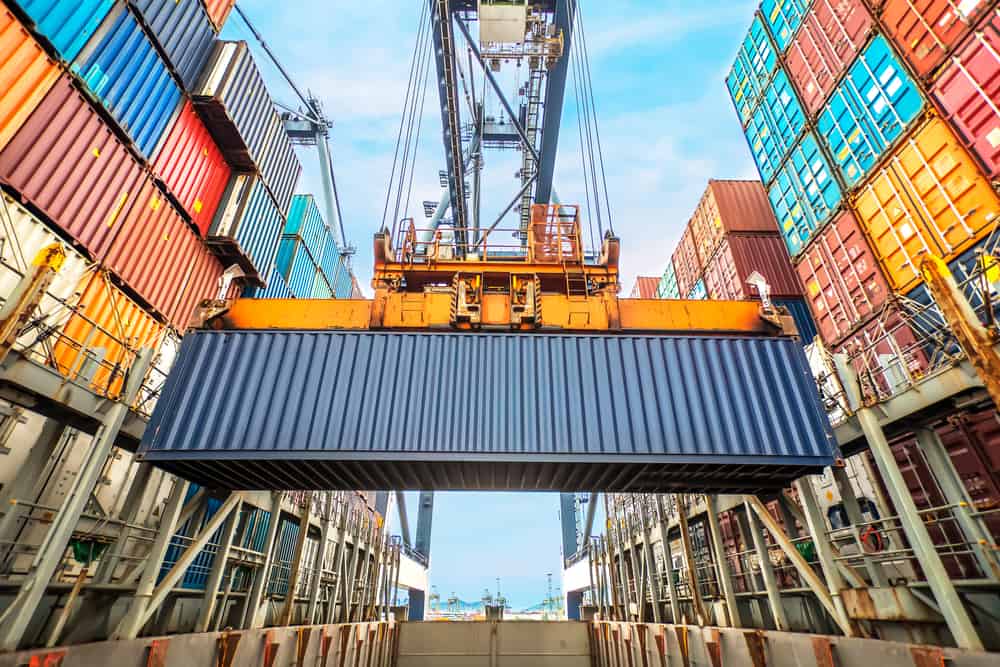
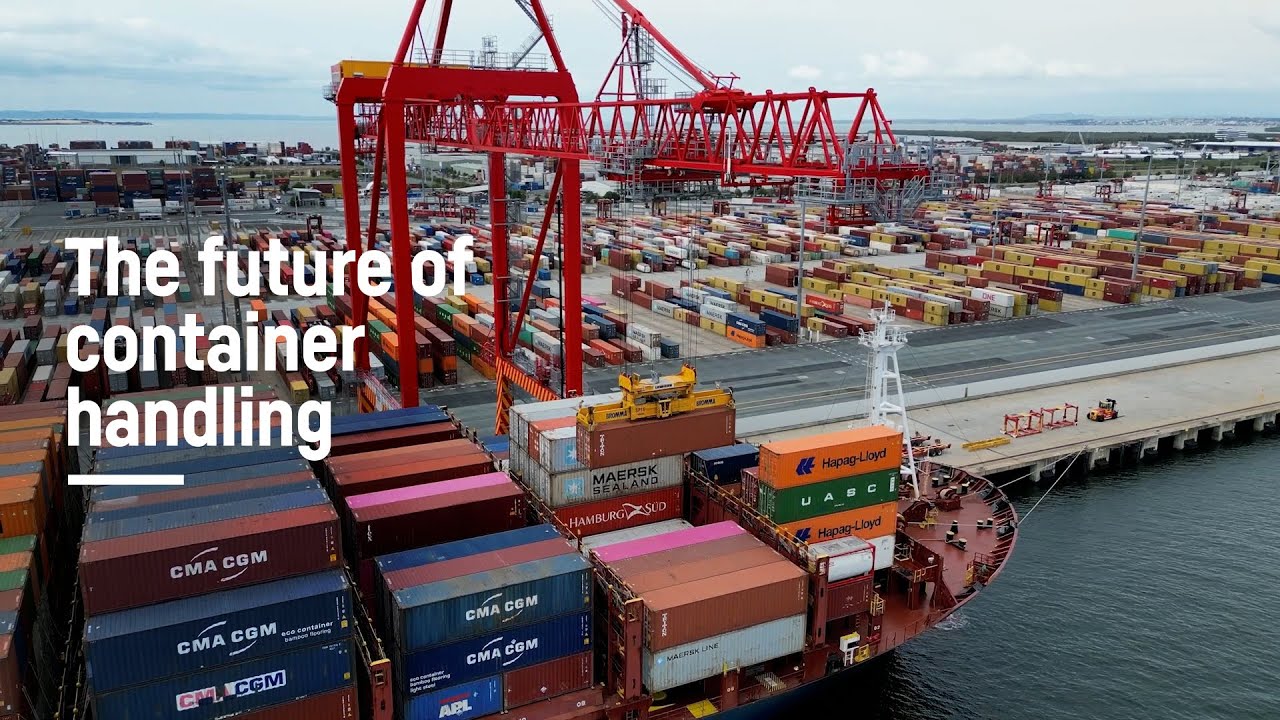
The modern container ship is one of humanity’s most powerful yet paradoxical inventions. A single ultra-large container vessel can carry over 20,000 containers—enough goods to stock a small nation—yet much of the system that moves this floating city of steel remains surprisingly dumb, fragmented, and opaque.
The real bottleneck is not the ship itself. It’s everything around it.
If global trade were a living organism, ships would be the arteries—but ports would be the clogged capillaries. And the data flowing through the system would be the nervous system that never fully formed.
To imagine smart ships, we must first recognize a counterintuitive truth:
90% of shipping intelligence belongs on land, not at sea.
But the remaining 10%—properly designed—could change geopolitics, crime, efficiency, and resilience in ways we’ve barely begun to grasp.
The Core Problem: Global Trade Runs on Blind Spots
Today’s shipping system suffers from four structural weaknesses:
-
Opaque inventory
Containers are sealed, handed off, and forgotten until arrival. What’s inside is often known only at documentation level—not in real time, not end-to-end. -
Port congestion and inefficiency
Loading and unloading account for the majority of delays, emissions, and labor friction. -
Broken chain-of-custody
Containers change hands dozens of times. Responsibility diffuses. Crime flourishes in the gaps. -
Disconnected systems
Ship systems, port systems, customs, insurers, shippers, and governments operate in silos.
Smart ships are not about putting more screens on the bridge. They are about closing these gaps.
Smart Ports: Where 90% of the Intelligence Lives


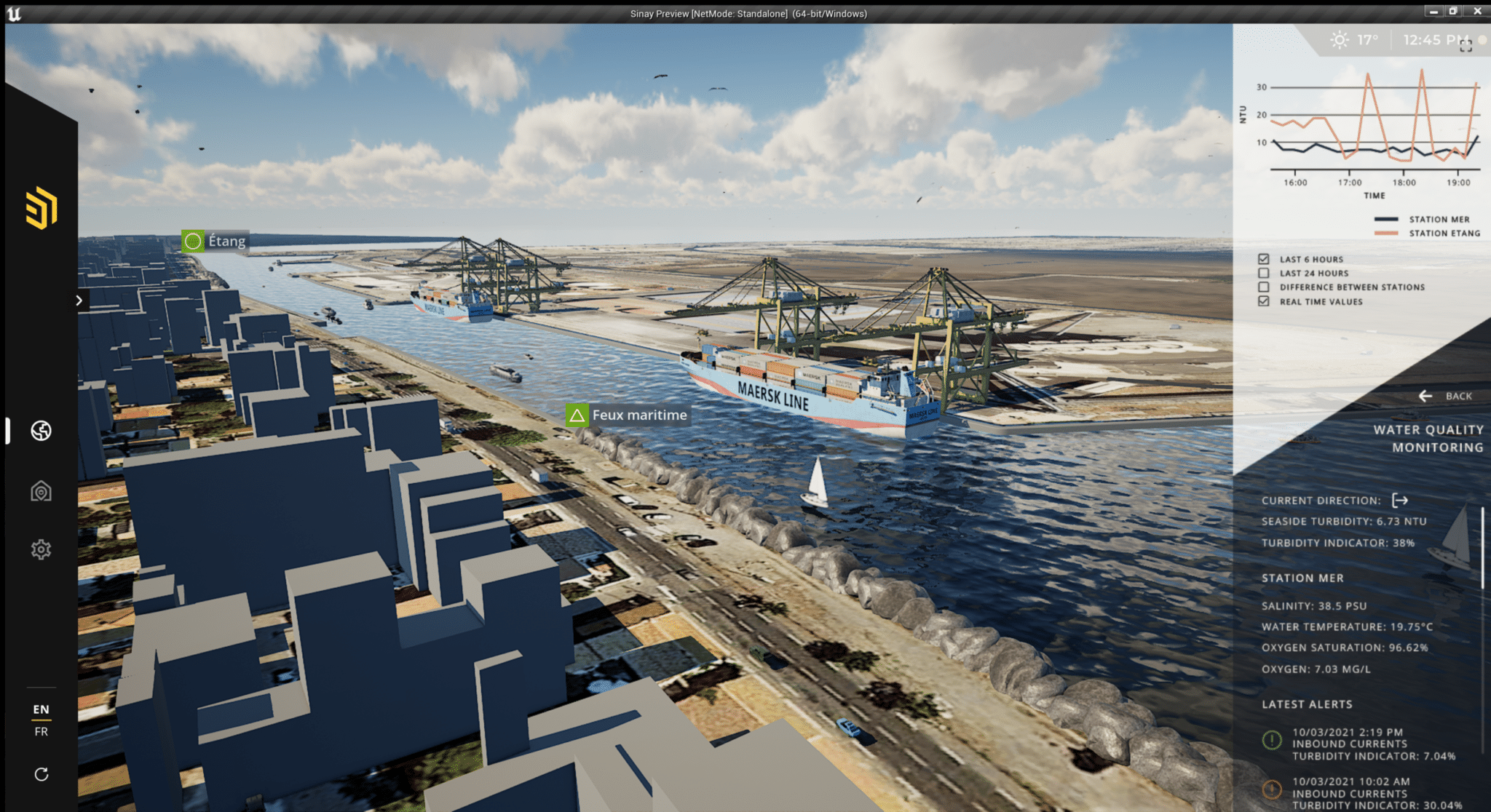
1. AI-Driven Loading & Unloading
Ports are where ships lose time, money, and predictability.
A smart port would:
-
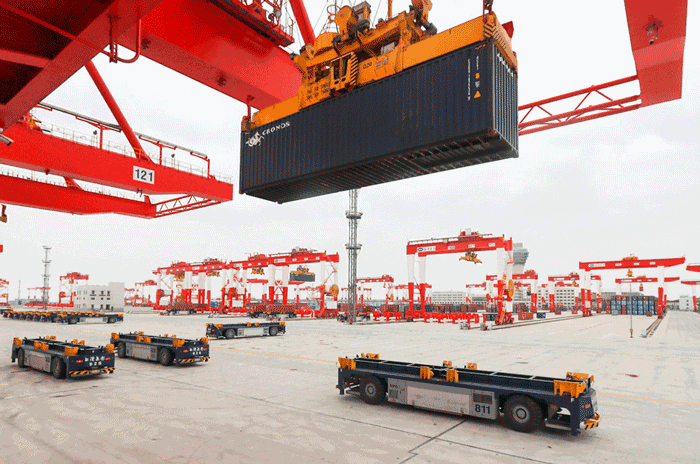
Use AI-driven crane orchestration to sequence container moves
-
Optimize placement based on:
-
Final destination
-
Inspection likelihood
-
Fragility and hazard class
-
Priority level
-
-
Reduce re-handling—the silent killer of port efficiency
The goal: zero unnecessary container moves.
2. Digital Twins of Entire Ports
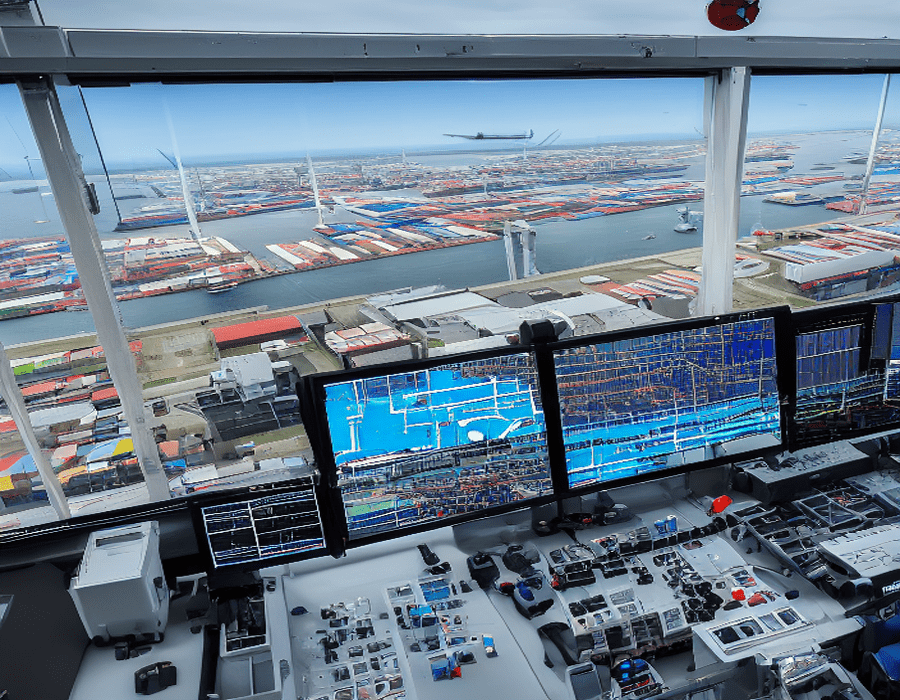
Every smart port would maintain a real-time digital twin:
-
Ships
-
Cranes
-
Yards
-
Trucks
-
Rail links
-
Labor availability
-
Weather and tide
This allows:
-
Predictive congestion avoidance
-
Simulation before execution
-
Surge planning during disruptions (pandemics, wars, canal blockages)
Ports stop reacting. They start anticipating.
3. Smart Containers, Not Just Smart Ships
The container—not the ship—is the true atomic unit of trade.
Each container should have:
-
Tamper detection
-
Location tracking
-
Environmental sensors (temperature, radiation, chemicals)
-
Cryptographically signed custody logs
Once sealed:
-
Every opening is logged
-
Every handoff is signed
-
Every deviation triggers alerts
This is how you move from paper trust to computational trust.
Smart at Sea: The Remaining 10% That Matters
Ships don’t need to be autonomous to be intelligent—but they must be aware.
4. Real-Time Inventory Intelligence
A smart ship knows:
-
Exactly what it is carrying
-
Where each container is physically located
-
Its full downstream journey—not just the next port
This enables:
-
Dynamic re-routing when ports are congested
-
Priority unloading for critical goods
-
Risk-based inspection targeting before arrival
Point A → Point B becomes Point A → Every Point.
5. End-to-End Chain Visibility (Crime Dies in the Light)
Consider the fentanyl crisis.
Contraband thrives because:
-
Containers disappear into opacity
-
Responsibility fragments across jurisdictions
-
Inspections are random, not intelligence-led
Smart shipping changes this:
-
Every container has a verifiable provenance
-
Suspicious divergence patterns are detectable
-
High-risk chains are flagged before arrival
This is not mass surveillance.
This is supply-chain accountability.
You can’t smuggle at scale if every link leaves a cryptographic footprint.
6. Smart Navigation Beyond Fuel Savings
At sea intelligence includes:
-
AI-assisted weather routing (fuel + safety)
-
Collision avoidance using cooperative vessel data
-
Emissions optimization tied to port readiness
-
Dynamic speed adjustment to avoid arriving early and idling offshore
Ships stop racing to wait.
The Real Revolution: From Shipment to System
The deepest transformation is philosophical.
Smart ships convert global trade from:
-
Batch movement → continuous flow
-
Paper guarantees → verifiable truth
-
Post-event enforcement → pre-event prevention
Inventory becomes a living dataset, not a static declaration.
Who Wins, Who Resists
Winners
-
Shippers (lower delays, lower insurance)
-
Ports (higher throughput, fewer choke points)
-
Governments (targeted enforcement, safer trade)
-
Consumers (resilience, fewer shocks)
Resisters
-
Black-box intermediaries
-
Smuggling networks
-
Actors profiting from opacity
-
Legacy systems built on paperwork friction
Every efficiency revolution creates transparency—and transparency always meets resistance.
Smart Ships as Geopolitical Infrastructure
In the 21st century, shipping intelligence is not logistics—it is state capacity.
The countries that build:
-
Smart ports
-
End-to-end trade visibility
-
Trusted container infrastructure
Will control:
-
Supply chains
-
Sanctions effectiveness
-
Economic resilience
-
Anti-crime leverage
-
Crisis response
The ship remains the workhorse.
The port becomes the brain.
The data becomes the sovereign asset.
Conclusion: The Oceanliner Was Never the Problem
The ships were always powerful.
What they lacked was intelligence continuity—from origin to destination, across every handoff, without blind spots.
Smart ships are not about replacing sailors with algorithms.
They are about replacing uncertainty with certainty.
When you know what is moving, where it came from, where it is going, and who touched it—
global trade stops being fragile.
And starts being trustworthy, efficient, and governable.
स्मार्ट शिप्स: जहाज़ से बंदरगाह तक—वैश्विक व्यापार की नई बुद्धिमत्ता
आधुनिक कंटेनर जहाज़ मानव सभ्यता की सबसे शक्तिशाली खोजों में से एक हैं। एक विशाल महासागरीय जहाज़ एक साथ 20,000 से अधिक कंटेनर ले जा सकता है—इतना माल कि एक छोटे देश की ज़रूरतें पूरी हो जाएँ। फिर भी, इस अद्भुत प्रणाली का एक बड़ा हिस्सा आज भी आश्चर्यजनक रूप से अस्पष्ट, खंडित और “कम समझदार” बना हुआ है।
समस्या जहाज़ नहीं है।
समस्या उसके आसपास की व्यवस्था है।
यदि वैश्विक व्यापार एक जीवित शरीर है, तो जहाज़ उसकी धमनियाँ हैं—और बंदरगाह जाम हुई केशिकाएँ। इस पूरे तंत्र की “तंत्रिका प्रणाली”—यानी डेटा—कभी पूरी तरह विकसित ही नहीं हुई।
स्मार्ट शिप्स की कल्पना करने के लिए हमें एक बुनियादी सच स्वीकार करना होगा:
शिपिंग की 90% बुद्धिमत्ता समुद्र में नहीं, ज़मीन पर होती है।
लेकिन बची हुई 10% बुद्धिमत्ता—यदि सही ढंग से लागू हो—तो दक्षता, अपराध-नियंत्रण, और भू-राजनीति तक बदल सकती है।
मूल समस्या: अंधेपन पर चलता वैश्विक व्यापार
आज की शिपिंग प्रणाली चार गहरी संरचनात्मक समस्याओं से जूझ रही है:
-
अपारदर्शी इन्वेंट्री
कंटेनर सील होते हैं, एक हाथ से दूसरे हाथ जाते हैं, और गंतव्य पर खुलने तक लगभग “गायब” रहते हैं। -
बंदरगाहों की भीड़ और अक्षमता
कुल देरी, लागत और उत्सर्जन का बड़ा हिस्सा लोडिंग–अनलोडिंग में जाता है। -
टूटी हुई चेन-ऑफ-कस्टडी
दर्जनों बार हाथ बदलने से जिम्मेदारी बिखर जाती है—और अपराध को जगह मिलती है। -
अलग-अलग सिस्टम
जहाज़, बंदरगाह, सीमा-शुल्क, बीमा, शिपर्स—सब अपने-अपने साइलो में काम करते हैं।
स्मार्ट शिप्स का उद्देश्य पुल पर और स्क्रीन जोड़ना नहीं है—बल्कि इन खाइयों को भरना है।
स्मार्ट पोर्ट्स: जहाँ 90% बुद्धिमत्ता केंद्रित होती है
1. एआई-चालित लोडिंग और अनलोडिंग
बंदरगाह वही जगह हैं जहाँ समय, पैसा और भरोसा खोता है।
एक स्मार्ट पोर्ट:
-
एआई-आधारित क्रेन ऑर्केस्ट्रेशन से कंटेनरों की चाल को क्रमबद्ध करता है
-
कंटेनर प्लेसमेंट का अनुकूलन करता है:
-
अंतिम गंतव्य
-
निरीक्षण की संभावना
-
नाज़ुकता और जोखिम श्रेणी
-
प्राथमिकता स्तर
-
-
अनावश्यक री-हैंडलिंग को लगभग खत्म करता है
लक्ष्य: शून्य फालतू मूवमेंट।
2. पूरे बंदरगाह का डिजिटल ट्विन
हर स्मार्ट पोर्ट के पास उसका रीयल-टाइम डिजिटल ट्विन होता है:
-
जहाज़
-
क्रेन
-
यार्ड
-
ट्रक
-
रेल कनेक्शन
-
श्रम उपलब्धता
-
मौसम और ज्वार-भाटा
इससे संभव होता है:
-
भीड़ का पहले से अनुमान
-
कार्रवाई से पहले सिमुलेशन
-
संकट के समय (महामारी, युद्ध, नहर अवरोध) योजना
बंदरगाह प्रतिक्रिया नहीं देते—पूर्वानुमान करते हैं।
3. स्मार्ट कंटेनर: असली इकाई
व्यापार की सबसे छोटी और सबसे अहम इकाई जहाज़ नहीं, कंटेनर है।
हर कंटेनर में होना चाहिए:
-
छेड़छाड़ पहचान (Tamper Detection)
-
लोकेशन ट्रैकिंग
-
पर्यावरणीय सेंसर (तापमान, रसायन, विकिरण)
-
क्रिप्टोग्राफ़िक रूप से हस्ताक्षरित कस्टडी लॉग
एक बार सील होने के बाद:
-
हर बार खुलने का रिकॉर्ड
-
हर हैंडऑफ पर डिजिटल साइन
-
हर विचलन पर अलर्ट
यह काग़ज़ी भरोसे से निकलकर कम्प्यूटेशनल भरोसे की ओर कदम है।
समुद्र में स्मार्टनेस: बची हुई 10% जो निर्णायक है
जहाज़ों को पूरी तरह स्वायत्त होना ज़रूरी नहीं—पर सचेत होना ज़रूरी है।
4. रीयल-टाइम इन्वेंट्री इंटेलिजेंस
एक स्मार्ट जहाज़ जानता है:
-
वह क्या ढो रहा है
-
हर कंटेनर जहाज़ पर कहाँ रखा है
-
पूरे सफ़र की योजना—सिर्फ अगले बंदरगाह तक नहीं
परिणाम:
-
भीड़भाड़ वाले पोर्ट्स से डायनेमिक री-रूटिंग
-
ज़रूरी सामान की प्राथमिकता अनलोडिंग
-
आने से पहले जोखिम-आधारित निरीक्षण
पॉइंट A से पॉइंट B → पॉइंट A से हर पॉइंट।
5. एंड-टू-एंड दृश्यता: रोशनी में अपराध टिकता नहीं
फ़ेंटानिल संकट को देखें।
तस्करी इसलिए पनपती है क्योंकि:
-
कंटेनर अपारदर्शिता में खो जाते हैं
-
अधिकार-क्षेत्र बदलते रहते हैं
-
जांचें यादृच्छिक होती हैं
स्मार्ट शिपिंग में:
-
हर कंटेनर की सत्यापित उत्पत्ति
-
संदिग्ध पैटर्न का पहले पता
-
उच्च जोखिम वाली चेन की पहले पहचान
यह निगरानी नहीं—जवाबदेही है।
जहाँ हर कड़ी डिजिटल निशान छोड़ती है, वहाँ बड़े पैमाने पर तस्करी मुश्किल हो जाती है।
6. ईंधन बचत से आगे—स्मार्ट नेविगेशन
समुद्र में स्मार्टनेस:
-
एआई-आधारित मौसम रूटिंग
-
सहयोगी जहाज़ डेटा से टकराव-निरोध
-
बंदरगाह की तैयारियों से जुड़ा उत्सर्जन अनुकूलन
-
समय से पहले पहुँचकर समुद्र में खड़े रहने से बचाव
जहाज़ दौड़ना बंद करते हैं—और इंतज़ार से बचते हैं।
असली बदलाव: शिपमेंट से सिस्टम तक
यह केवल तकनीकी नहीं—दार्शनिक बदलाव है।
स्मार्ट शिप्स बदलते हैं:
-
बैच मूवमेंट → सतत प्रवाह
-
काग़ज़ी गारंटी → सत्यापन योग्य सच
-
घटना के बाद कार्रवाई → घटना से पहले रोकथाम
इन्वेंट्री अब स्थिर सूची नहीं—जीवित डेटा है।
कौन जीतेगा, कौन विरोध करेगा
लाभार्थी
-
शिपर्स: कम देरी, कम बीमा लागत
-
पोर्ट्स: ज़्यादा थ्रूपुट
-
सरकारें: लक्षित प्रवर्तन
-
उपभोक्ता: लचीलापन
विरोधी
-
ब्लैक-बॉक्स बिचौलिए
-
तस्करी नेटवर्क
-
अपारदर्शिता से मुनाफ़ा कमाने वाले
हर दक्षता क्रांति पारदर्शिता लाती है—और पारदर्शिता विरोध भी।
स्मार्ट शिप्स = भू-राजनीतिक अवसंरचना
21वीं सदी में शिपिंग इंटेलिजेंस सिर्फ लॉजिस्टिक्स नहीं—राज्य क्षमता है।
जो देश बनाएँगे:
-
स्मार्ट पोर्ट्स
-
एंड-टू-एंड व्यापार दृश्यता
-
भरोसेमंद कंटेनर अवसंरचना
वे नियंत्रित करेंगे:
-
सप्लाई चेन
-
प्रतिबंधों की प्रभावशीलता
-
आर्थिक लचीलापन
-
संकट प्रतिक्रिया
जहाज़ कामगार बने रहते हैं।
पोर्ट्स दिमाग बनते हैं।
डेटा संप्रभु संपत्ति बन जाता है।
निष्कर्ष: समस्या जहाज़ कभी थे ही नहीं
जहाज़ हमेशा शक्तिशाली थे।
कमी थी सतत बुद्धिमत्ता की—उत्पत्ति से गंतव्य तक, हर हैंडऑफ पर।
स्मार्ट शिप्स नाविकों को एल्गोरिदम से बदलने के बारे में नहीं हैं।
वे अनिश्चितता को निश्चितता से बदलने के बारे में हैं।
जब आपको पता हो कि क्या चल रहा है, कहाँ से आया, कहाँ जा रहा है, और किसने छुआ—
तो वैश्विक व्यापार नाज़ुक नहीं रहता।
वह बनता है विश्वसनीय, कुशल और शासनीय।
Smart Ships: Rewiring Global Trade From Hull to Harbor https://t.co/XYsQH9LoSU @FelixHMohr
— Paramendra Kumar Bhagat (@paramendra) December 8, 2025
