Yes! Jeans and T-shirt have become uniform.
— Paramendra Kumar Bhagat (@paramendra) March 7, 2026
The Silicon Valley Denim Dictatorship https://t.co/4W2v68z1W3
— Paramendra Kumar Bhagat (@paramendra) March 7, 2026
Oh, the irony! Back in the day, jeans and a t-shirt were the ultimate rebel yell against the stuffy suits of corporate overlords. Picture it: James Dean slouching in denim, flipping off the man in his crisp pinstripes, while Steve Jobs channeled his inner hippie to "think different" in a black turtleneck (okay, close enough). It was anti-establishment couture, the uniform of the non-conformists, screaming, "I'm too creative for ties and too innovative for ironing!"
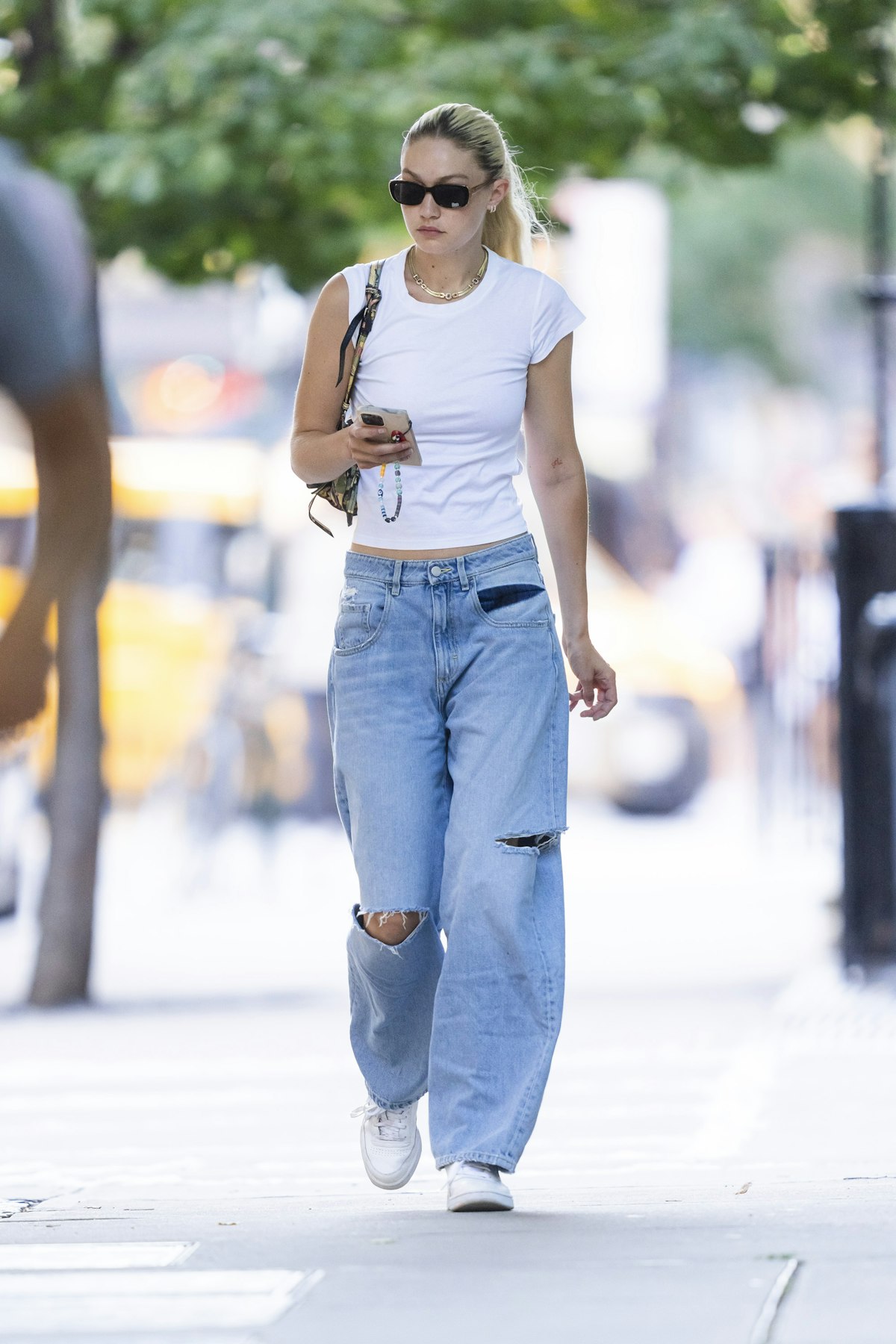
Fast forward to today, and bam—jeans and t-shirts have pulled off the greatest heist in fashion history. They've infiltrated Silicon Valley like a viral meme, turning every tech bro into a walking billboard for "casual Fridays every day." Now, it's not rebellion; it's regulation. Venture capitalists won't even glance at your pitch deck unless you're sporting $200 artisanal denim that's been "distressed" to look like you wrestled a bear on your way to the boardroom. And the t-shirt? Forget band logos or witty slogans—it's got to be that minimalist startup swag, preferably with a logo so subtle it's basically invisible, whispering, "I'm worth billions, but I dress like I just rolled out of a dorm."
Imagine the horror: a sea of identical tech dudes in identical slim-fit jeans and identical plain tees, all patting each other on the back at conferences, convinced they're disrupting the status quo. "Bro, your Allbirds match my Patagonia vest—disruptive!" Meanwhile, the real disruptors are the tailors going bankrupt because no one's buying suits anymore. Jeans and t-shirts didn't kill the suit; they became the suit. The anti-uniform is now the uniform, and if you show up in anything else, you're the weirdo. Next up: designer hoodies with built-in AirPods, because why stop at conformity when you can monetize it?
Craig Weiss is onto something with that "tech bro designer brand"—call it "Uniformly Unoriginal" or "Denim Dictatorship." And Paramendra, spot on: jeans and t-shirt have gone full circle from anti-suit to the suit's sneaky revenge. Who's laughing now? The fashion gods, that's who, as we all shuffle around like clones in our "unique" casualwear. Pass the overpriced organic coffee; rebellion never tasted so bland.


Fast forward to today, and bam—jeans and t-shirts have pulled off the greatest heist in fashion history. They've infiltrated Silicon Valley like a viral meme, turning every tech bro into a walking billboard for "casual Fridays every day." Now, it's not rebellion; it's regulation. Venture capitalists won't even glance at your pitch deck unless you're sporting $200 artisanal denim that's been "distressed" to look like you wrestled a bear on your way to the boardroom. And the t-shirt? Forget band logos or witty slogans—it's got to be that minimalist startup swag, preferably with a logo so subtle it's basically invisible, whispering, "I'm worth billions, but I dress like I just rolled out of a dorm."
Imagine the horror: a sea of identical tech dudes in identical slim-fit jeans and identical plain tees, all patting each other on the back at conferences, convinced they're disrupting the status quo. "Bro, your Allbirds match my Patagonia vest—disruptive!" Meanwhile, the real disruptors are the tailors going bankrupt because no one's buying suits anymore. Jeans and t-shirts didn't kill the suit; they became the suit. The anti-uniform is now the uniform, and if you show up in anything else, you're the weirdo. Next up: designer hoodies with built-in AirPods, because why stop at conformity when you can monetize it?
Craig Weiss is onto something with that "tech bro designer brand"—call it "Uniformly Unoriginal" or "Denim Dictatorship." And Paramendra, spot on: jeans and t-shirt have gone full circle from anti-suit to the suit's sneaky revenge. Who's laughing now? The fashion gods, that's who, as we all shuffle around like clones in our "unique" casualwear. Pass the overpriced organic coffee; rebellion never tasted so bland.
Ah, the grand saga of tech fashion rebellion—where geeks rose up against the tyrannical tie, only to crown a new emperor: the almighty jeans-and-tee combo. It's a tale of liberation turned lazy, innovation turned imitation, and what started as a middle finger to corporate stiffness ended up as the stiffest dress code of all. Let's rewind the tape (or should I say, refresh the cache?) and trace this hilarious hypocrisy through the decades.
Picture the 1950s and '60s: The dawn of computing, when "geeks" weren't billionaires but basement-dwelling wizards tinkering with room-sized machines. These early pioneers ditched the stuffy suits of Wall Street for comfy jeans, polos, and T-shirts—because who needs a Windsor knot when you're wrestling with punch cards? It was pure practicality, a quiet mutiny against the IBM-era bureaucracy where everyone looked like interchangeable cogs in gray flannel. No one was trying to make a statement; they just wanted clothes that didn't chafe during all-nighters debugging code.
Fast-forward to the groovy 1970s in Silicon Valley, birthplace of the tech hippie revolution. Companies like Sun Microsystems, Oracle, and Microsoft were founded by flower children of the '60s, channeling that counterculture vibe into boardrooms. Out went hierarchies and protocols; in came "relaxed and informal" attire to spark creativity. Suits? Pfft, those were for the dinosaurs at Big Blue (IBM), with their mandatory white shirts and black ties symbolizing soul-crushing conformity. Instead, these rebels rocked jeans and tees, proclaiming, "We're too busy innovating to iron!" It was anti-establishment gold—until, of course, these startups ballooned into empires, and the "rebel" look became the entry ticket.
Enter the '80s icon: Steve Jobs, the zen master of minimalism. Early on, he suited up like any aspiring mogul, but once Apple hit big, he traded ties for his signature black mock turtleneck, Levi's jeans, and New Balance sneakers. Legend has it he bulk-bought hundreds of those Issey Miyake turtlenecks to "simplify decisions" and focus on genius stuff. Behold the rebel uniform in action:

It screamed "I'm above fashion," but really, it was fashion's ultimate power move—casual yet calculated, like a Jedi robe for coders.
By the '90s, the rebellion went mainstream. Levi's Strauss & Co. smelled opportunity and mailed a "Guide to Casual Businesswear" to 25,000 HR departments, pushing jeans as the new professional staple. Suddenly, "business casual" was born: khakis, button-ups, and—gasp—denim on Fridays. Tech nerds shaped this shift, proving you could code billions without looking like a banker. But irony alert: What began as anti-uniform freedom started feeling... uniform. Bearded hippies in witty T-shirts gave way to a sea of sameness.
The 2000s cranked the satire to 11 with Mark Zuckerberg, the hoodie-wearing wunderkind. He strolled into Wall Street meetings in gray tees and hoodies (custom-made by fancy designers, naturally, costing $300 a pop). It was peak rebellion: "I'm so disruptive, I can't be bothered with buttons!" Check out the look that launched a thousand clones:

Soon, every tech bro from San Francisco to Seattle adopted the "bro uniform": hoodies, jeans, and sneakers, often branded with company logos for that extra ironic twist. Women in tech? Often dark jeans and simple tops, because equality means blending into the bland brigade too.
Today, in 2026, the rebellion is dead—long live the regime! Jeans and T-shirts aren't anti-anything; they're the unspoken law of the land. Show up to a startup in a suit? You'll get side-eye like you're a spy from the '50s. It's the ultimate fashion flip-flop: What started as a cry for individuality now enforces conformity harder than any tie ever did. Tech moguls like Elon Musk might mix it up with khakis or designer suits on SNL, but the masses? Stuck in eternal casual Friday. The real disruptors? Probably the ones daring to wear... gasp... a button-down without a logo. Pass the venture capital; this revolution's gone full circle into a snooze.
Picture the 1950s and '60s: The dawn of computing, when "geeks" weren't billionaires but basement-dwelling wizards tinkering with room-sized machines. These early pioneers ditched the stuffy suits of Wall Street for comfy jeans, polos, and T-shirts—because who needs a Windsor knot when you're wrestling with punch cards? It was pure practicality, a quiet mutiny against the IBM-era bureaucracy where everyone looked like interchangeable cogs in gray flannel. No one was trying to make a statement; they just wanted clothes that didn't chafe during all-nighters debugging code.
Fast-forward to the groovy 1970s in Silicon Valley, birthplace of the tech hippie revolution. Companies like Sun Microsystems, Oracle, and Microsoft were founded by flower children of the '60s, channeling that counterculture vibe into boardrooms. Out went hierarchies and protocols; in came "relaxed and informal" attire to spark creativity. Suits? Pfft, those were for the dinosaurs at Big Blue (IBM), with their mandatory white shirts and black ties symbolizing soul-crushing conformity. Instead, these rebels rocked jeans and tees, proclaiming, "We're too busy innovating to iron!" It was anti-establishment gold—until, of course, these startups ballooned into empires, and the "rebel" look became the entry ticket.
Enter the '80s icon: Steve Jobs, the zen master of minimalism. Early on, he suited up like any aspiring mogul, but once Apple hit big, he traded ties for his signature black mock turtleneck, Levi's jeans, and New Balance sneakers. Legend has it he bulk-bought hundreds of those Issey Miyake turtlenecks to "simplify decisions" and focus on genius stuff. Behold the rebel uniform in action:
It screamed "I'm above fashion," but really, it was fashion's ultimate power move—casual yet calculated, like a Jedi robe for coders.
By the '90s, the rebellion went mainstream. Levi's Strauss & Co. smelled opportunity and mailed a "Guide to Casual Businesswear" to 25,000 HR departments, pushing jeans as the new professional staple. Suddenly, "business casual" was born: khakis, button-ups, and—gasp—denim on Fridays. Tech nerds shaped this shift, proving you could code billions without looking like a banker. But irony alert: What began as anti-uniform freedom started feeling... uniform. Bearded hippies in witty T-shirts gave way to a sea of sameness.
The 2000s cranked the satire to 11 with Mark Zuckerberg, the hoodie-wearing wunderkind. He strolled into Wall Street meetings in gray tees and hoodies (custom-made by fancy designers, naturally, costing $300 a pop). It was peak rebellion: "I'm so disruptive, I can't be bothered with buttons!" Check out the look that launched a thousand clones:
Soon, every tech bro from San Francisco to Seattle adopted the "bro uniform": hoodies, jeans, and sneakers, often branded with company logos for that extra ironic twist. Women in tech? Often dark jeans and simple tops, because equality means blending into the bland brigade too.
Today, in 2026, the rebellion is dead—long live the regime! Jeans and T-shirts aren't anti-anything; they're the unspoken law of the land. Show up to a startup in a suit? You'll get side-eye like you're a spy from the '50s. It's the ultimate fashion flip-flop: What started as a cry for individuality now enforces conformity harder than any tie ever did. Tech moguls like Elon Musk might mix it up with khakis or designer suits on SNL, but the masses? Stuck in eternal casual Friday. The real disruptors? Probably the ones daring to wear... gasp... a button-down without a logo. Pass the venture capital; this revolution's gone full circle into a snooze.
Ah, startup swag—the glittering crown jewels of Silicon Valley's perpetual adolescence, where every tote bag whispers "We're disrupting... something!" and every branded fidget spinner screams "Innovation at rest!" In 2026, as the venture capital faucet drips ever slower, startups are doubling down on swag trends that promise to "build culture," "boost morale," and "go viral on TikTok." But let's peel back the recycled bamboo wrapper: this is just a desperate bid to make employees forget they're one pivot away from unemployment. Buckle up for a satirical safari through the jungle of junk that's somehow convinced itself it's essential.
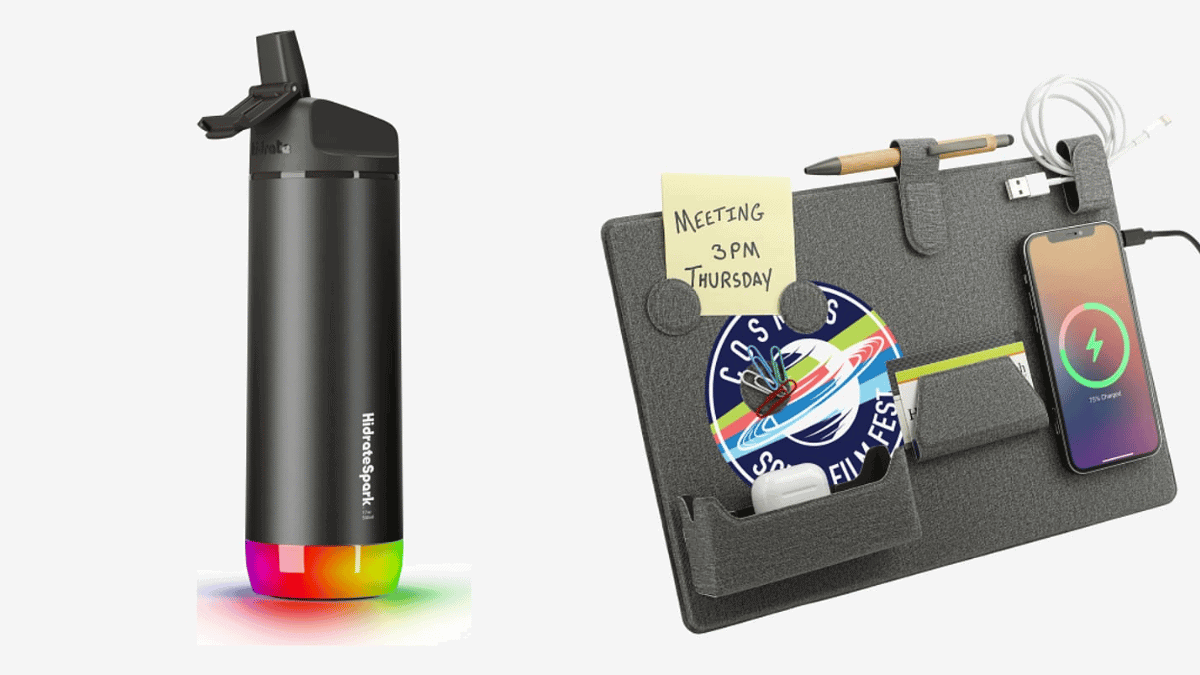
First off, sustainability is the holy grail of swag this year, because nothing says "We care about the planet" like mass-producing eco-friendly crap that'll end up in a landfill by Q2. Picture this: your startup's "zero-waste" water bottle, made from recycled ocean plastic (harvested by underpaid interns, naturally), glowing with RGB lights to remind you to hydrate—or else face the wrath of your wellness app. It's not just a bottle; it's a beacon of virtue-signaling, complete with a QR code that links to your company's carbon offset scam. And if it leaks? That's just "immersive user experience." Behold the absurdity:
Then there's the premium apparel wave, where "quiet luxury" meets "heavyweight fleece" in a hug that's equal parts cozy and cultish. Gone are the days of cheap tees that shrink after one wash; now it's all about $50 hoodies garment-dyed in shades of "Millennial Gray" or "Founder Fatigue Beige." Slap a minimalist logo on it—subtle enough to pretend it's from a high-end brand, but bold enough to scream "I work at a place that's probably overvalued." Employees strut around like they're in a Wes Anderson film, but deep down, they know it's just pajamas with a purpose. And don't get me started on the "vintage vibes": startups churning out retro tees as if they invented nostalgia, when really, it's code for "We ran out of original ideas."Wellness swag? Oh, honey, it's peak parody. Aromatherapy candles scented like "Burnout Bergamot" or "Pivot Peppermint," promising to soothe the soul after your 80-hour week. Throw in some branded yoga mats made from "sustainable cork" (read: cork that's been upcycled from wine bottles emptied during late-night code sprints). It's all part of the "experiential imperative," where swag isn't just stuff—it's a "journey."
Because nothing builds team spirit like forcing everyone to downward dog in matching gear, right? Bonus points if it's personalized with your name, so when you quit, it becomes a haunted reminder in your closet.
Tech gadgets are the showstoppers, turning swag into a sci-fi fever dream. Robot speakers that dance to your pitch deck? Check. Wireless chargers disguised as desk organizers, because who needs therapy when you can organize your chaos with a logo-stamped gadget? These "smart tech giveaways" are engineered to "enhance productivity," but let's be real—they're just bribes to keep you glued to your screen longer. And the personalization? AI-generated caricatures on your mug, turning you into a Simpsons character mid-existential crisis. It's like your startup saying, "We see you... as a cartoon."
But the real laugh riot? Socks. Yes, branded socks are having a moment, because apparently, the path to world domination starts at your toes.
Startups are flooding conferences with "fuzzy sock game" upgrades, patterned with witty puns like "Step Up Your Sock Game" or camo designs for that "stealth mode" vibe. It's the ultimate irony: companies worth billions peddling foot warmers as if they're the next iPhone. Attendees hoard them like Pokémon cards, only to discover they're one wash away from unraveling—just like the startup that gave them out.
In the end, 2026's swag trends are a masterclass in overpromising and underdelivering: "Lifestyle companions" that gather dust, "cultural nuances" that scream conformity, and "clean slates" that wipe away any trace of originality. Startups shell out fortunes on this stuff to "stand out," but it all blends into a beige blur of branded banality. Next time you snag a freebie at a tech mixer, remember: it's not swag; it's a symptom. Pass the venture-backed kale chips; this revolution's gone full merch-madness.
First off, sustainability is the holy grail of swag this year, because nothing says "We care about the planet" like mass-producing eco-friendly crap that'll end up in a landfill by Q2. Picture this: your startup's "zero-waste" water bottle, made from recycled ocean plastic (harvested by underpaid interns, naturally), glowing with RGB lights to remind you to hydrate—or else face the wrath of your wellness app. It's not just a bottle; it's a beacon of virtue-signaling, complete with a QR code that links to your company's carbon offset scam. And if it leaks? That's just "immersive user experience." Behold the absurdity:
Then there's the premium apparel wave, where "quiet luxury" meets "heavyweight fleece" in a hug that's equal parts cozy and cultish. Gone are the days of cheap tees that shrink after one wash; now it's all about $50 hoodies garment-dyed in shades of "Millennial Gray" or "Founder Fatigue Beige." Slap a minimalist logo on it—subtle enough to pretend it's from a high-end brand, but bold enough to scream "I work at a place that's probably overvalued." Employees strut around like they're in a Wes Anderson film, but deep down, they know it's just pajamas with a purpose. And don't get me started on the "vintage vibes": startups churning out retro tees as if they invented nostalgia, when really, it's code for "We ran out of original ideas."Wellness swag? Oh, honey, it's peak parody. Aromatherapy candles scented like "Burnout Bergamot" or "Pivot Peppermint," promising to soothe the soul after your 80-hour week. Throw in some branded yoga mats made from "sustainable cork" (read: cork that's been upcycled from wine bottles emptied during late-night code sprints). It's all part of the "experiential imperative," where swag isn't just stuff—it's a "journey."
Because nothing builds team spirit like forcing everyone to downward dog in matching gear, right? Bonus points if it's personalized with your name, so when you quit, it becomes a haunted reminder in your closet.
Tech gadgets are the showstoppers, turning swag into a sci-fi fever dream. Robot speakers that dance to your pitch deck? Check. Wireless chargers disguised as desk organizers, because who needs therapy when you can organize your chaos with a logo-stamped gadget? These "smart tech giveaways" are engineered to "enhance productivity," but let's be real—they're just bribes to keep you glued to your screen longer. And the personalization? AI-generated caricatures on your mug, turning you into a Simpsons character mid-existential crisis. It's like your startup saying, "We see you... as a cartoon."
But the real laugh riot? Socks. Yes, branded socks are having a moment, because apparently, the path to world domination starts at your toes.
Startups are flooding conferences with "fuzzy sock game" upgrades, patterned with witty puns like "Step Up Your Sock Game" or camo designs for that "stealth mode" vibe. It's the ultimate irony: companies worth billions peddling foot warmers as if they're the next iPhone. Attendees hoard them like Pokémon cards, only to discover they're one wash away from unraveling—just like the startup that gave them out.
In the end, 2026's swag trends are a masterclass in overpromising and underdelivering: "Lifestyle companions" that gather dust, "cultural nuances" that scream conformity, and "clean slates" that wipe away any trace of originality. Startups shell out fortunes on this stuff to "stand out," but it all blends into a beige blur of branded banality. Next time you snag a freebie at a tech mixer, remember: it's not swag; it's a symptom. Pass the venture-backed kale chips; this revolution's gone full merch-madness.
Oh, you want me to amp up the absurdity? Buckle up, buttercup, because we're cranking the satire dial to "ludicrous speed." In 2026, startup swag isn't just trending—it's transcended into a fever dream of over-engineered nonsense, where every giveaway is a desperate cry for relevance in a world where "disruption" means turning your coffee mug into a sentient therapist. Forget practical; we're talking swag so ridiculously "innovative" it's basically a parody of itself. Let's dive into this vortex of venture-backed vanity, where eco-friendly meets ego-unfriendly, and every item whispers, "I'm not junk; I'm a lifestyle enhancement... please don't recycle me."
Picture the scene at CES 2026: a booth hawking a hair dryer that doubles as a floor lamp, because why blow-dry your hair when you can illuminate your existential dread under the same device? It's not just hot air—it's multifunctional hot air, branded with your startup's logo in glow-in-the-dark ink that only activates during power outages. "Dry your locks while lighting up the room!" the pitch goes, as if tech bros weren't already experts at multitasking mediocrity. And don't forget the taint-zapping stick-on—a wearable zapper that "revitalizes" your nether regions with gentle electric pulses, promising to "boost productivity from the bottom up." Because nothing says "team building" like gifting your employees a gadget that makes them question their life choices mid-meeting. Slap a QR code on it for "personalized zap profiles," and voila—your swag just went from weird to weaponized wellness.
But wait, the absurdity escalates with AI-powered everything. Enter the caricature monogrammed swag: your face, but Simpson-ified, plastered on a water bottle that generates daily affirmations like "You're not imposter syndrome; you're just underfunded!" Or the robot speaker that dances to your KPI reports, gyrating wildly during earnings calls as if to say, "Your stock's tanking, but at least I'm grooving!" These aren't speakers; they're emotional support bots for the burnout brigade, complete with NFC "tapable" tech that beams your LinkedIn profile to anyone who bumps into you at a networking event. Tap once for a connection request, twice for a passive-aggressive endorsement of your "hustle."
And the apparel? Oh, honey, tech fashion has devolved into a clown car of contradictions. The Patagonia vest endures as the ultimate tech bro badge, ridiculed yet revered, like a mullet in a boardroom—business on top, party nowhere.

But now it's "upgraded" with built-in mood stamps that stamp your forehead with "Busy!" or "Chill?" during Zoom calls. Pair it with the latest in "vintage vibe" swag: neon purple desk lamps that double as anti-stress joypads, emitting soothing sounds like whale songs mixed with stock ticker alerts. Or the maximalist designs where your hoodie isn't just fleece—it's "retail-quality" with AI-generated patterns that evolve based on your step count, turning into a psychedelic nightmare after a 10K run.
Tech moguls are leading the charge into sartorial insanity: shearling aviator jackets for that "I'm disrupting aviation... from my desk" vibe, crocodile-embossed leather for the CEO who wants to look like a Bond villain on a budget, and rainbow plaid shirts that scream "I'm innovative, but colorblind."

It's not fashion; it's a cry for help, wrapped in "sustainable" bamboo that was probably harvested by drones. Wellness swag hits peak parody with aromatherapy candles in scents like "Pivot Peppermint" or "Burnout Bergamot," now infused with microdoses of venture capital vibes—light one up and hallucinate your next funding round. Or the fidget wrist strap keychain that pops bubbles while opening bottles and holding your phone, because multitasking trauma is the new black. And for the grand finale: seed gifts that grow into branded plants, but with a twist—these "business branded bags" of dirt sprout tiny succulents shaped like your logo, requiring daily affirmations to thrive. Neglect it? It wilts into a passive-aggressive reminder of your work-life imbalance.
In this amped-up absurdity, startup swag isn't about utility; it's a Rorschach test for your soul, revealing if you're a true disruptor or just another sucker in the swag swamp. Conferences are battlegrounds of branded banality, where attendees hoard sticker sheets like doomsday preppers, only to slap them on laptops that crash under the weight of irony. So next time you snag a "taint-zapper" or a dancing robot, remember: it's not swag; it's a symptom of a industry that's innovated itself into oblivion. Pass the AI-generated Nutella jar; this revolution's spread too thin.
Picture the scene at CES 2026: a booth hawking a hair dryer that doubles as a floor lamp, because why blow-dry your hair when you can illuminate your existential dread under the same device? It's not just hot air—it's multifunctional hot air, branded with your startup's logo in glow-in-the-dark ink that only activates during power outages. "Dry your locks while lighting up the room!" the pitch goes, as if tech bros weren't already experts at multitasking mediocrity. And don't forget the taint-zapping stick-on—a wearable zapper that "revitalizes" your nether regions with gentle electric pulses, promising to "boost productivity from the bottom up." Because nothing says "team building" like gifting your employees a gadget that makes them question their life choices mid-meeting. Slap a QR code on it for "personalized zap profiles," and voila—your swag just went from weird to weaponized wellness.
But wait, the absurdity escalates with AI-powered everything. Enter the caricature monogrammed swag: your face, but Simpson-ified, plastered on a water bottle that generates daily affirmations like "You're not imposter syndrome; you're just underfunded!" Or the robot speaker that dances to your KPI reports, gyrating wildly during earnings calls as if to say, "Your stock's tanking, but at least I'm grooving!" These aren't speakers; they're emotional support bots for the burnout brigade, complete with NFC "tapable" tech that beams your LinkedIn profile to anyone who bumps into you at a networking event. Tap once for a connection request, twice for a passive-aggressive endorsement of your "hustle."
And the apparel? Oh, honey, tech fashion has devolved into a clown car of contradictions. The Patagonia vest endures as the ultimate tech bro badge, ridiculed yet revered, like a mullet in a boardroom—business on top, party nowhere.
But now it's "upgraded" with built-in mood stamps that stamp your forehead with "Busy!" or "Chill?" during Zoom calls. Pair it with the latest in "vintage vibe" swag: neon purple desk lamps that double as anti-stress joypads, emitting soothing sounds like whale songs mixed with stock ticker alerts. Or the maximalist designs where your hoodie isn't just fleece—it's "retail-quality" with AI-generated patterns that evolve based on your step count, turning into a psychedelic nightmare after a 10K run.
Tech moguls are leading the charge into sartorial insanity: shearling aviator jackets for that "I'm disrupting aviation... from my desk" vibe, crocodile-embossed leather for the CEO who wants to look like a Bond villain on a budget, and rainbow plaid shirts that scream "I'm innovative, but colorblind."
It's not fashion; it's a cry for help, wrapped in "sustainable" bamboo that was probably harvested by drones. Wellness swag hits peak parody with aromatherapy candles in scents like "Pivot Peppermint" or "Burnout Bergamot," now infused with microdoses of venture capital vibes—light one up and hallucinate your next funding round. Or the fidget wrist strap keychain that pops bubbles while opening bottles and holding your phone, because multitasking trauma is the new black. And for the grand finale: seed gifts that grow into branded plants, but with a twist—these "business branded bags" of dirt sprout tiny succulents shaped like your logo, requiring daily affirmations to thrive. Neglect it? It wilts into a passive-aggressive reminder of your work-life imbalance.
In this amped-up absurdity, startup swag isn't about utility; it's a Rorschach test for your soul, revealing if you're a true disruptor or just another sucker in the swag swamp. Conferences are battlegrounds of branded banality, where attendees hoard sticker sheets like doomsday preppers, only to slap them on laptops that crash under the weight of irony. So next time you snag a "taint-zapper" or a dancing robot, remember: it's not swag; it's a symptom of a industry that's innovated itself into oblivion. Pass the AI-generated Nutella jar; this revolution's spread too thin.
Oh, the sweet irony of tech's fashion evolution—jeans and t-shirts, once the scrappy underdogs barking at the corporate mast, have hoisted their own flag and become the very uniform they rebelled against. In 2026, with tech firmly at the helm of the ship (or should I say, the yacht docked in Palo Alto?), it's high time for "tech fashion" to emerge as the next big disruptor. Not just comfy threads for coding marathons, but statement pieces that scream "I'm the establishment now, baby!" We're talking outfits that blend AI slop aesthetics, biofabricated wonders, and wearable gadgets into a wardrobe that's equal parts practical, pretentious, and profoundly absurd. Why settle for blending in when you can blind everyone with your innovation? Here are some fashion ideas tailor-made (or AI-generated) for the startup world, guaranteed to turn heads at your next pitch meeting—or at least spark a viral TikTok roast.
First up: the AI-Powered Pendant Necklace, because nothing says "I'm disrupting from the neck up" like a dangling dongle that listens to your every word and whispers stock tips back. Forget clunky smartwatches; in 2026, Meta and Apple are pushing "cute tech" pendants that double as fashion accessories, clipping onto your collar like a high-tech brooch. Imagine a sleek, Limitless-inspired bauble that glows when your crypto portfolio spikes, or vibrates with notifications during awkward silences in VC chats. Pair it with a minimalist turtleneck for that "I'm too busy being visionary to button up" vibe. Bonus: It records your genius ideas on the fly, so you can patent your shower thoughts before they evaporate. Behold the future dangling around your neck:

Next, let's biofabricate your way to eco-cred with Mushroom Leather Hoodies, the ultimate in "sustainable disruption." Textile deep tech startups are scaling up lab-grown materials like mycelium leather and algae-based fabrics, turning your sweatshirt into a walking compost heap. Picture a hoodie that's not just cozy but alive—literally, with embedded sensors that monitor your hydration levels and sprout tiny fungi if you forget to water it (or yourself). It's circular fashion on steroids: wear it, compost it, and regrow it for next season's funding round. For the bold founder, add ruffles or bubble-hems in creamy yellow for that "I'm earthy but expensive" flair. Who needs Patagonia when your vest is made from upcycled e-waste, complete with circuit board patterns that light up under UV for after-hours raves? Check out this bio-futuristic flair:
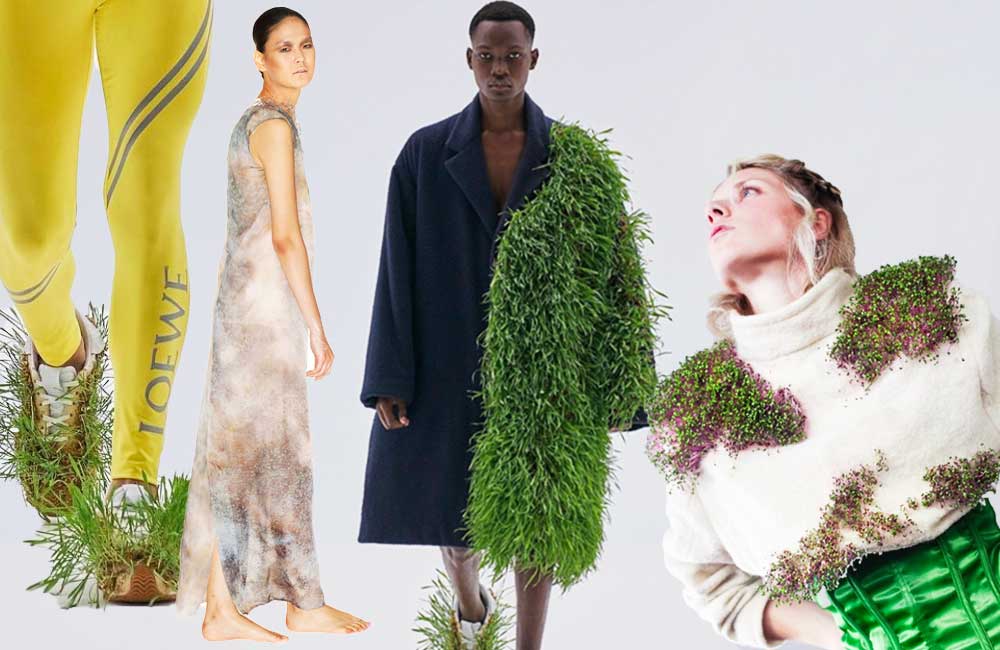
For the true tech bro uniform upgrade, enter the Holographic Brut Denim Pants, where your jeans aren't just distressed—they're distressed by AI algorithms that generate "slop" patterns on demand. These bad boys feature embedded flexible screens that project your latest NFT collection or real-time GitHub commits, turning your legs into walking billboards for your side hustle. Inspired by 2026's brutal denim trend, they're rugged enough for hackathons but smart enough to auto-adjust fit via embedded actuators—because who has time for belts when you're scaling? Throw in alternative animal prints (think zebra code stripes) for that "predator in the boardroom" edge. If it glitches during a demo? Call it an "immersive user experience." Visualize the chaos:

Don't forget the accessories that make a statement without saying a word: Smart Glasses with AR Overlays, evolving from Meta's Ray-Bans into full-on fashion spectacles that project your pitch deck directly onto reality. These aren't your grandma's readers; they're "agentic commerce" enablers, scanning faces at networking events and whispering LinkedIn stats into your ear. Style them with moccasins for a grounded-yet-futuristic look, or go full maximalist with rainbow plaid shirts that clash gloriously with your data streams. It's the perfect way to "see" opportunities—literally—while looking like you've stepped out of a sci-fi startup satire. Here's a peek at the wearable wonder:
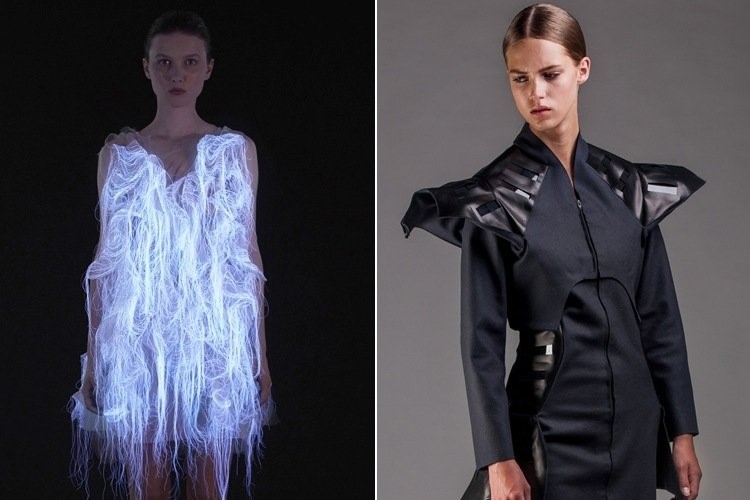
Finally, for the ultimate power move, the Generative AI T-Shirt, where your plain tee becomes a canvas for on-the-fly designs predicted by machine learning. Using e-ink fabric, it shifts patterns based on your mood (detected via bio-sensors) or trending memes, ensuring you're always "on-brand." Romantic fabrics meet brutal reality: one minute it's dots and checks for that boardroom polish, the next it's a chaotic explosion of AI-generated art that screams "I'm innovative, dammit!" It's personalization at its peak—your shirt knows you better than your co-founder. For extra absurdity, integrate a tiny speaker that recites your elevator pitch on loop. See the digital dream in action:

In the end, tech fashion isn't about rebellion anymore—it's about reigning supreme with threads that do more than cover your assets; they amplify them. Whether you're composting your closet or projecting your prowess, these ideas turn the startup uniform into a statement: "I'm the mast, the ship, and the ocean." Venture forth, fashion disruptors; the runway awaits your next pivot.
First up: the AI-Powered Pendant Necklace, because nothing says "I'm disrupting from the neck up" like a dangling dongle that listens to your every word and whispers stock tips back. Forget clunky smartwatches; in 2026, Meta and Apple are pushing "cute tech" pendants that double as fashion accessories, clipping onto your collar like a high-tech brooch. Imagine a sleek, Limitless-inspired bauble that glows when your crypto portfolio spikes, or vibrates with notifications during awkward silences in VC chats. Pair it with a minimalist turtleneck for that "I'm too busy being visionary to button up" vibe. Bonus: It records your genius ideas on the fly, so you can patent your shower thoughts before they evaporate. Behold the future dangling around your neck:
Next, let's biofabricate your way to eco-cred with Mushroom Leather Hoodies, the ultimate in "sustainable disruption." Textile deep tech startups are scaling up lab-grown materials like mycelium leather and algae-based fabrics, turning your sweatshirt into a walking compost heap. Picture a hoodie that's not just cozy but alive—literally, with embedded sensors that monitor your hydration levels and sprout tiny fungi if you forget to water it (or yourself). It's circular fashion on steroids: wear it, compost it, and regrow it for next season's funding round. For the bold founder, add ruffles or bubble-hems in creamy yellow for that "I'm earthy but expensive" flair. Who needs Patagonia when your vest is made from upcycled e-waste, complete with circuit board patterns that light up under UV for after-hours raves? Check out this bio-futuristic flair:
For the true tech bro uniform upgrade, enter the Holographic Brut Denim Pants, where your jeans aren't just distressed—they're distressed by AI algorithms that generate "slop" patterns on demand. These bad boys feature embedded flexible screens that project your latest NFT collection or real-time GitHub commits, turning your legs into walking billboards for your side hustle. Inspired by 2026's brutal denim trend, they're rugged enough for hackathons but smart enough to auto-adjust fit via embedded actuators—because who has time for belts when you're scaling? Throw in alternative animal prints (think zebra code stripes) for that "predator in the boardroom" edge. If it glitches during a demo? Call it an "immersive user experience." Visualize the chaos:
Don't forget the accessories that make a statement without saying a word: Smart Glasses with AR Overlays, evolving from Meta's Ray-Bans into full-on fashion spectacles that project your pitch deck directly onto reality. These aren't your grandma's readers; they're "agentic commerce" enablers, scanning faces at networking events and whispering LinkedIn stats into your ear. Style them with moccasins for a grounded-yet-futuristic look, or go full maximalist with rainbow plaid shirts that clash gloriously with your data streams. It's the perfect way to "see" opportunities—literally—while looking like you've stepped out of a sci-fi startup satire. Here's a peek at the wearable wonder:
Finally, for the ultimate power move, the Generative AI T-Shirt, where your plain tee becomes a canvas for on-the-fly designs predicted by machine learning. Using e-ink fabric, it shifts patterns based on your mood (detected via bio-sensors) or trending memes, ensuring you're always "on-brand." Romantic fabrics meet brutal reality: one minute it's dots and checks for that boardroom polish, the next it's a chaotic explosion of AI-generated art that screams "I'm innovative, dammit!" It's personalization at its peak—your shirt knows you better than your co-founder. For extra absurdity, integrate a tiny speaker that recites your elevator pitch on loop. See the digital dream in action:
In the end, tech fashion isn't about rebellion anymore—it's about reigning supreme with threads that do more than cover your assets; they amplify them. Whether you're composting your closet or projecting your prowess, these ideas turn the startup uniform into a statement: "I'm the mast, the ship, and the ocean." Venture forth, fashion disruptors; the runway awaits your next pivot.
